Trang chủ /Sản phẩm/Vải TPU công nghiệp
Trong lĩnh vực công nghiệp, thất bại không phải là một lựa chọn. Từ việc vận chuyển chất lỏng áp suất cao đến xử lý vật liệu hạng nặng, các vật liệu phải chịu được sự mài mòn vật lý cực đoan và ăn mòn hóa học. Sản phẩm của chúng tôi vải TPU công nghiệp dòng sản phẩm này được thiết kế đặc biệt để vượt qua những thách thức đó. Độ bền cơ học vượt trội, tính ổn định hóa học và khả năng chịu nhiệt tốt giúp nó trở thành lựa chọn lý tưởng để chế tạo bồn chứa linh hoạt, ống mềm áp suất cao và các rào chắn bảo vệ, đồng thời là giải pháp thay thế ưu việt cho cao su truyền thống và nhựa cứng.
Trong các môi trường sản xuất thực tế, loại vật liệu này không được lựa chọn vì "điều kiện lý tưởng", mà vì những áp lực liên tục, tải trọng khó lường và tiếp xúc lâu dài với môi trường ngoài trời hoặc hóa chất. Đó là lý do tại sao vải phủ TPU công nghiệp đã trở thành giải pháp thay thế thiết thực trong nhiều dự án, nơi mà tấm cao su truyền thống hoặc vải PVC thường nhanh bị lão hóa, nứt gãy dưới áp lực, hoặc mất khả năng kín khít theo thời gian.
Bộ sưu tập sản phẩm
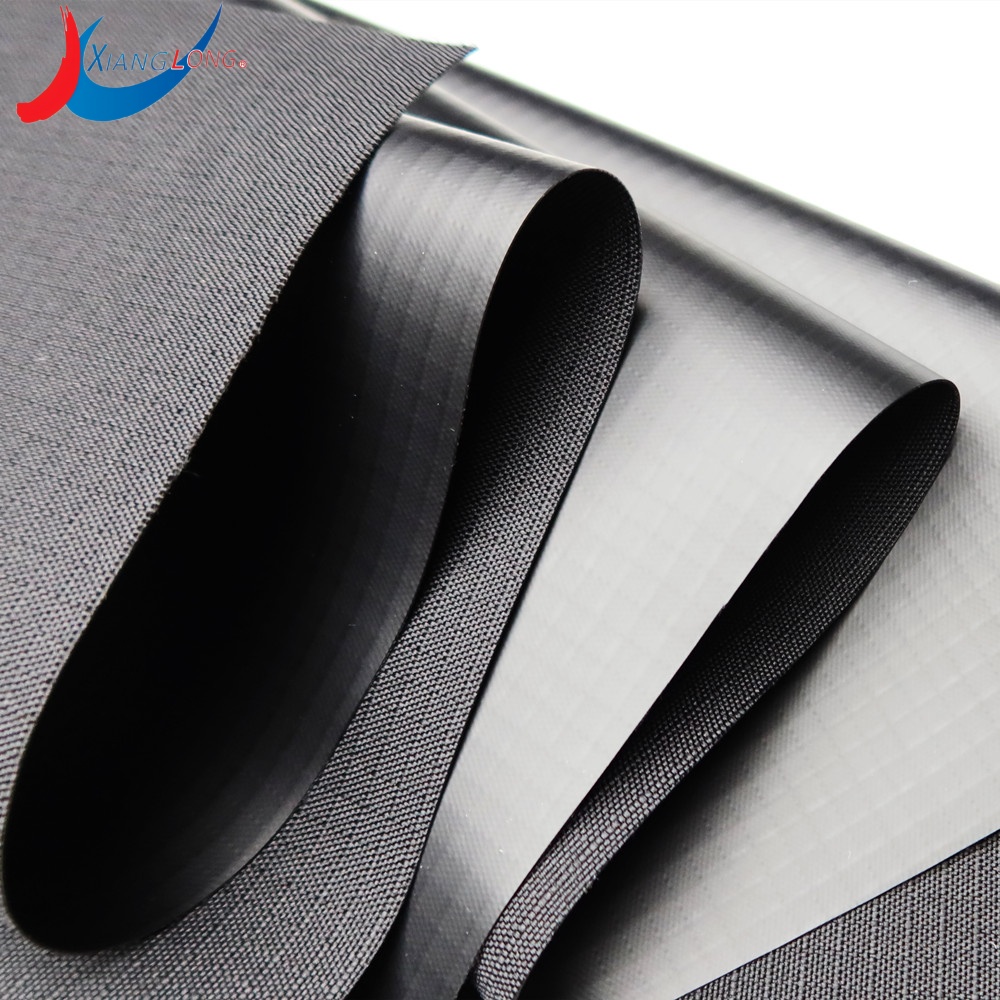
Vải chống mài mòn
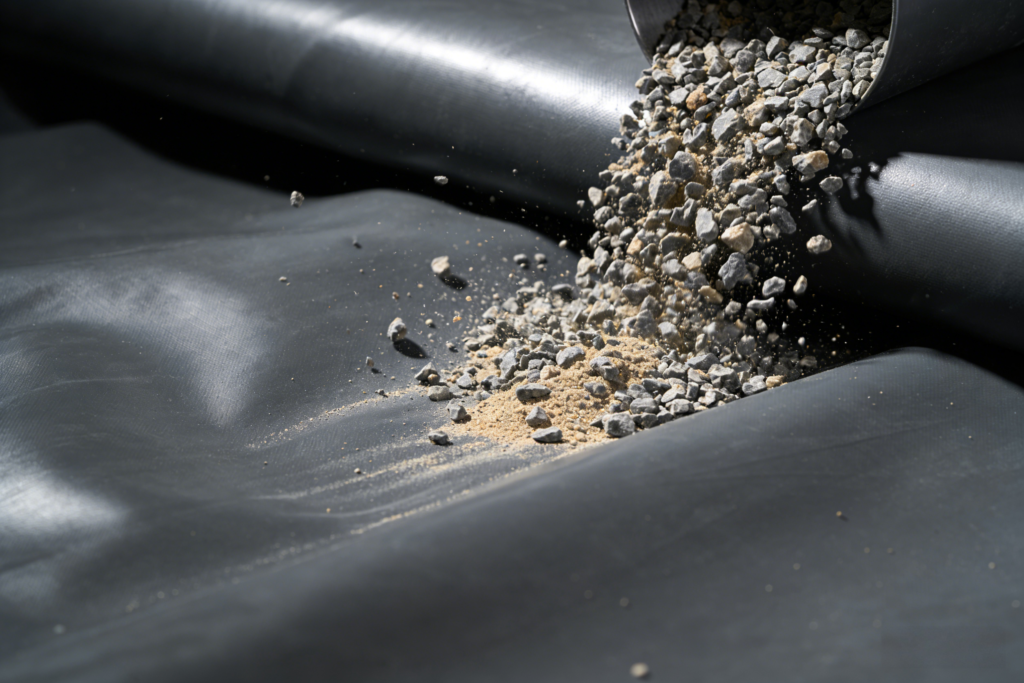
Được thiết kế dành cho môi trường có ma sát cao và chịu mài mòn nghiêm trọng. Dòng vải này có hệ số ma sát cực thấp và khả năng chống mài mòn tuyệt vời, giúp kéo dài đáng kể tuổi thọ thiết bị trong các ứng dụng như vận chuyển vật liệu, khai thác mỏ và nông nghiệp.
Khả năng chống mài mòn cực cao
Bề mặt ma sát thấp
Độ bền cao
Ứng dụng điển hình: Ống mềm bùn, vỏ bảo vệ
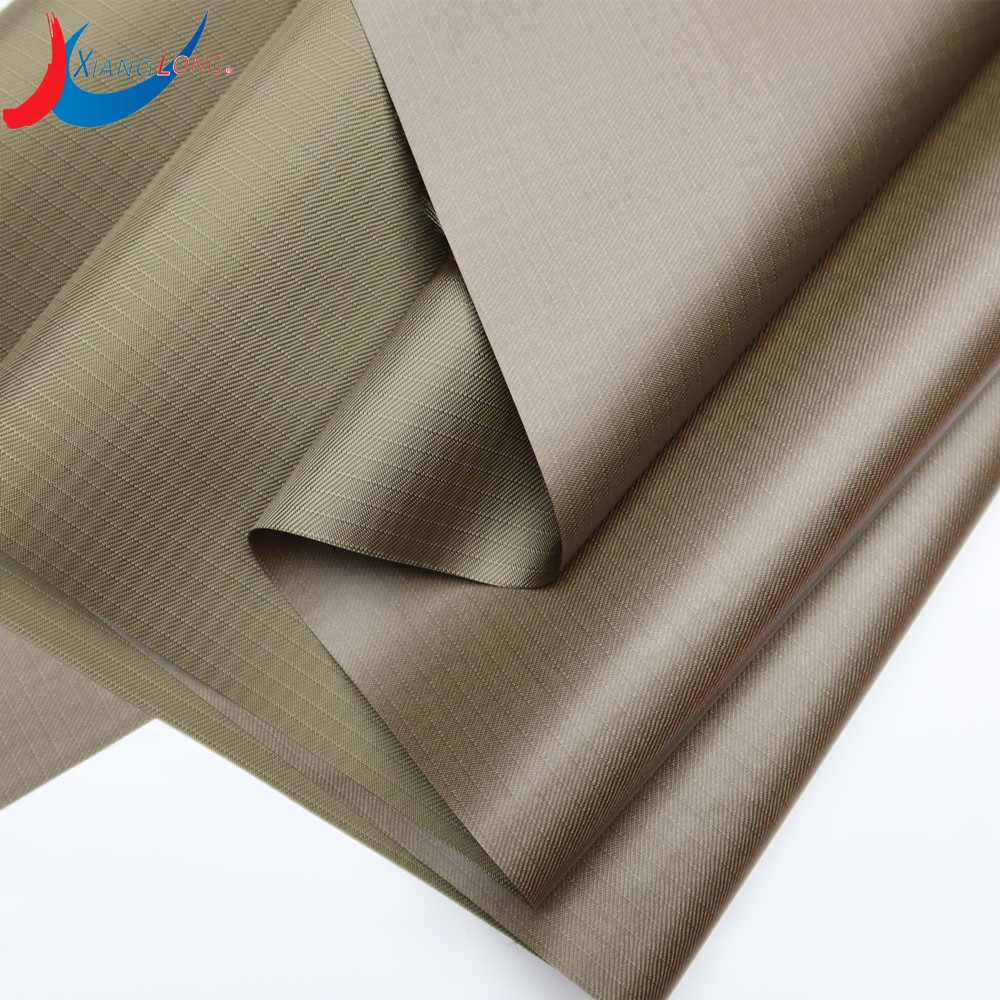
Vải có độ bền xé cao
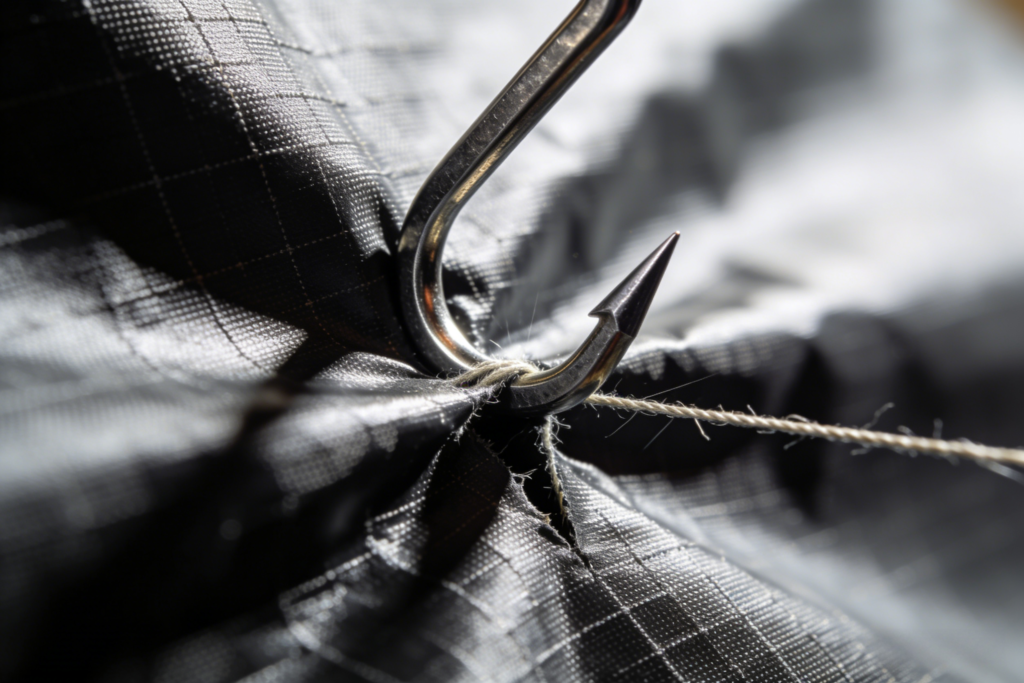
Sử dụng vải nền có độ bền cao và công thức phủ TPU tối ưu, dòng sản phẩm này mang lại độ bền xé và đâm thủng vượt trội, phù hợp với các ứng dụng phải chịu lực căng lớn hoặc nguy cơ bị vật sắc nhọn đâm thủng.
Vải nền độ bền cao
Kết cấu chịu tải nặng
Khả năng chống đâm thủng tốt
Ứng dụng điển hình: Túi nâng, kết cấu căng phồng, túi chèn khí bơm hơi
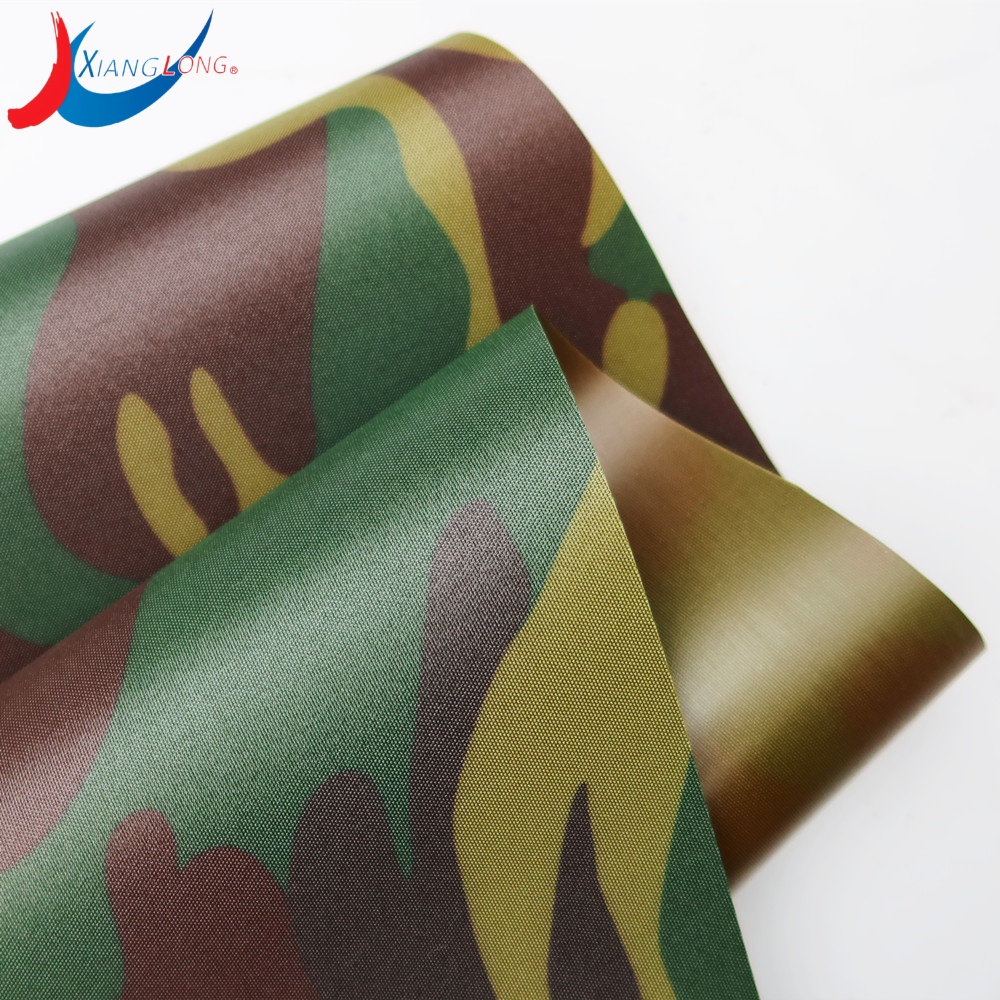
Vải cấp độ quân sự
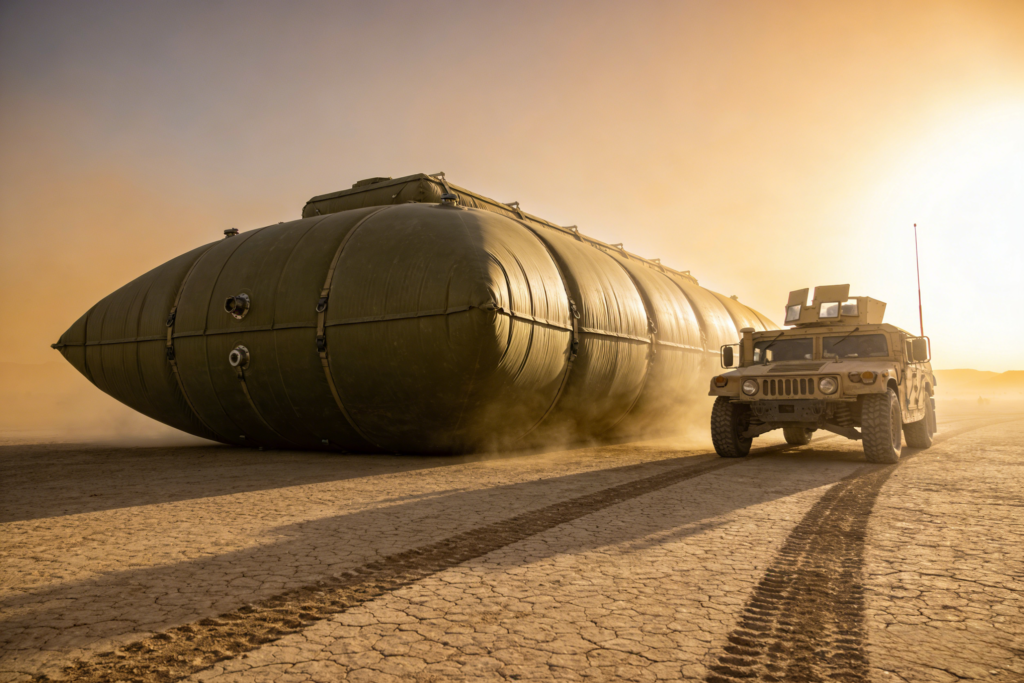
Được thiết kế và sản xuất để đáp ứng hoặc vượt qua các tiêu chuẩn quân sự nghiêm ngặt (MIL-SPEC). Dòng vải này nổi bật về khả năng chịu nhiệt độ cực hạn, kháng thời tiết và độ tin cậy đã được kiểm chứng thực tế, được chế tạo dành cho các nhiệm vụ quốc phòng và hỗ trợ hậu cần quan trọng.
Tuân thủ MIL-SPEC
Độ tin cậy đã được kiểm chứng thực tế
Dải nhiệt độ cực hạn
Ứng dụng điển hình: Bình nhiên liệu/nước linh hoạt (“bình gối”), lều lắp ghép, bạt che thiết bị
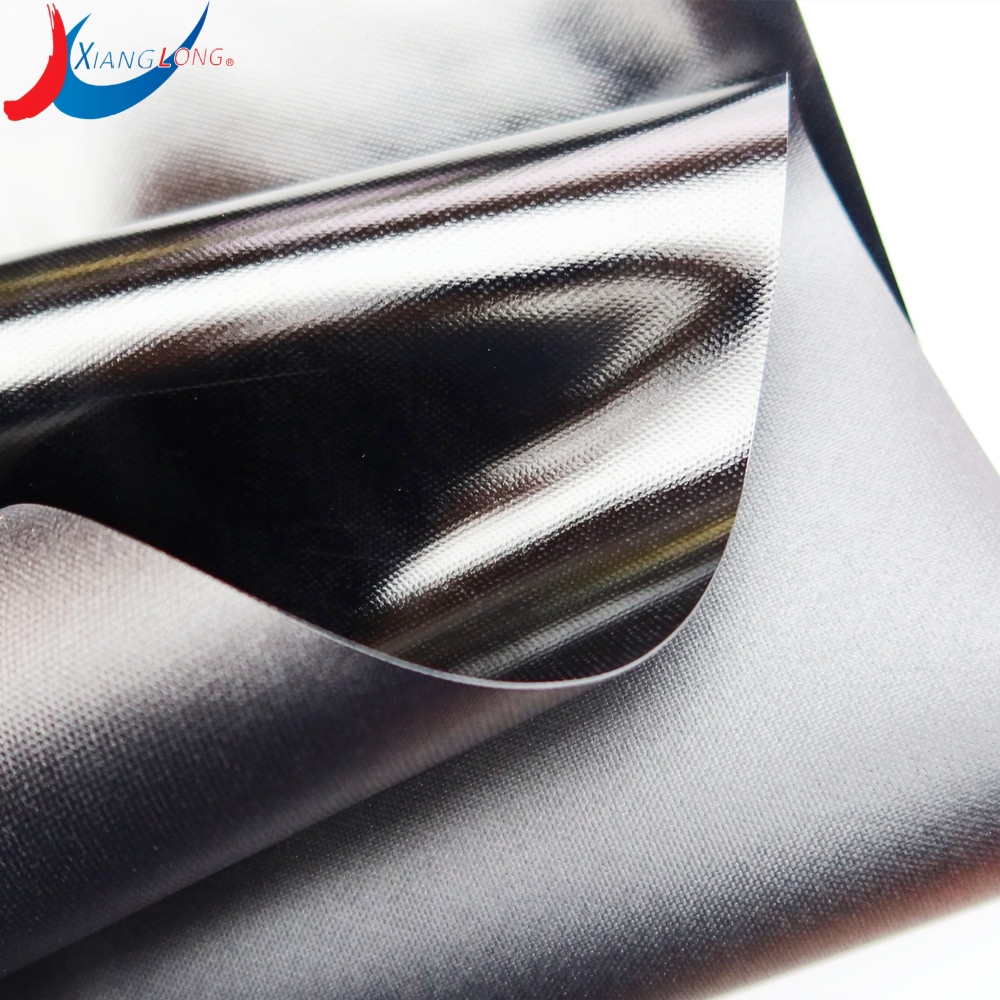
Vải chống dầu
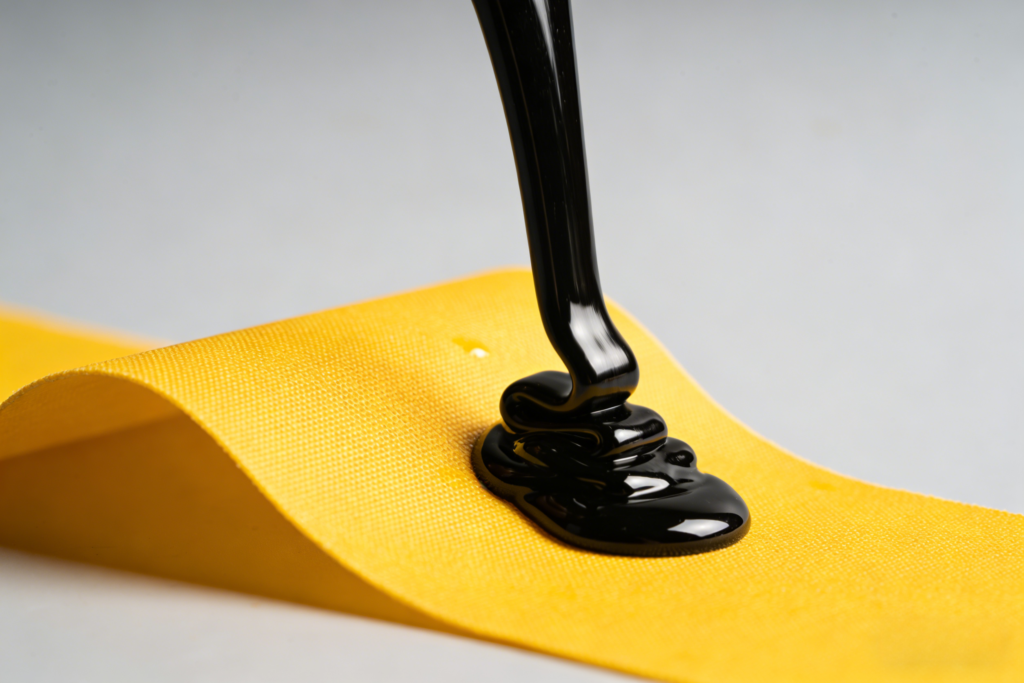
Được thiết kế đặc biệt cho các ứng dụng liên quan đến tiếp xúc hoặc lưu trữ lâu dài với nhiều loại dầu, nhiên liệu và hydrocacbon. Dòng vải này ngăn chặn hiệu quả sự thấm qua và duy trì độ bền cấu trúc, là lựa chọn lý tưởng để chế tạo bình nhiên liệu, phao chắn dầu và các thiết bị bảo vệ.
Khả năng hàn kín chống rò rỉ
Rào cản dầu và nhiên liệu tuyệt vời
Bề mặt phẳng
Ứng dụng điển hình: Ván chèo đứng (SUP), cầu tàu bơm hơi, nệm hơi
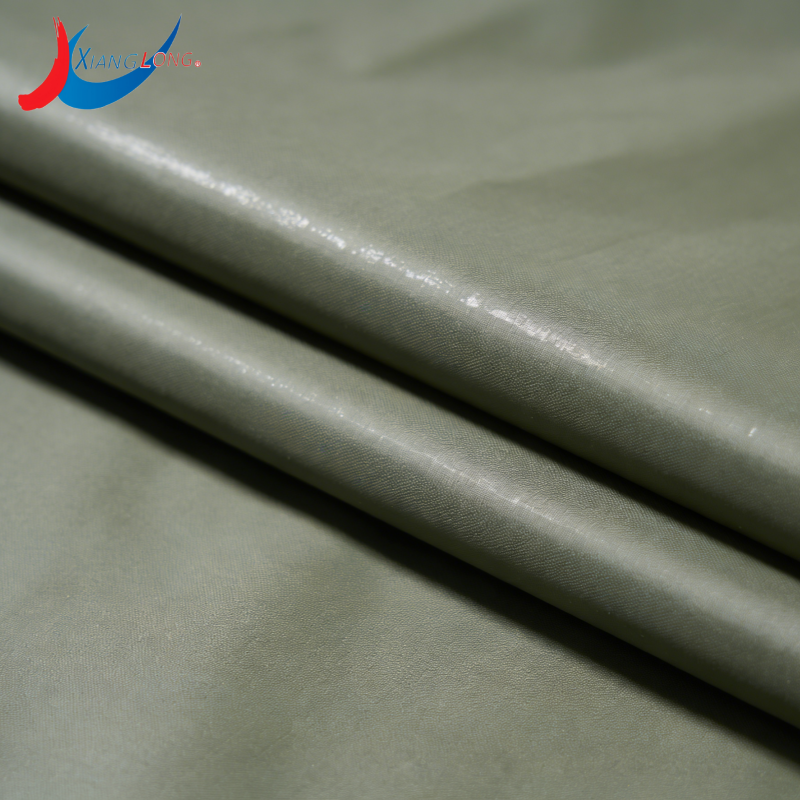
Hầu hết vật liệu vải TPU công nghiệp được cấu tạo từ một kết cấu đơn giản nhưng hiệu quả: nền polyester dệt kết hợp với lớp phủ TPU. Trên thực tế, cấu trúc này quyết định cách vật liệu hoạt động trong các ứng dụng khác nhau.
Lớp vải nền (thường là vải polyester TPU 500D, 600D, 900D hoặc 1000D) chủ yếu kiểm soát độ bền và khả năng chịu tải. Những loại vải có chỉ số denier cao hơn thường được chọn cho các ứng dụng vải phủ TPU chịu tải nặng như túi khí nâng hoặc bồn chứa linh hoạt công nghiệp.
Lớp phủ TPU chính là yếu tố mang lại các chức năng then chốt cho vật liệu:
Chính sự kết hợp này khiến vải công nghiệp phủ TPU trở nên linh hoạt hơn so với các loại vải phủ truyền thống.
Trong các ngành công nghiệp như khai thác mỏ, nông nghiệp và vận chuyển vật liệu rời, hao mòn bề mặt thường là điểm hỏng đầu tiên. Vải TPU chống mài mòn được phát triển chính xác cho loại môi trường này.
Thay vì chỉ tập trung vào độ bền, loại vải này được thiết kế để giảm thiểu hư hại bề mặt do ma sát liên tục.
Những ưu điểm điển hình về hiệu suất bao gồm:
Các trường hợp sử dụng phổ biến bao gồm ống dẫn bùn, vỏ bảo vệ thiết bị khai thác mỏ và lớp lót chống mài mòn cho máy móc nông nghiệp, nơi độ bền ảnh hưởng trực tiếp đến chi phí vận hành.
Khi ứng dụng liên quan đến lực kéo, căng thẳng nâng hoặc nguy cơ va đập mạnh, vải TPU cường độ xé cao trở thành lựa chọn ưu tiên.
Loại vải này thường sử dụng vải polyester TPU có độ bền cao làm nền, kết hợp với lớp phủ gia cường để tăng khả năng chống rách và thủng.
Trên thực tế, nó được sử dụng rộng rãi trong:
So với vải phủ thông thường, loại này tập trung nhiều hơn vào việc "sống sót trước lực tác động đột ngột" thay vì chỉ chú trọng đến độ mài mòn lâu dài.
Vải phủ TPU cấp quân sự được thiết kế cho những tình huống mà sự thay đổi nhiệt độ, tác động thời tiết và độ tin cậy ngoài hiện trường là yếu tố then chốt.
Loại vật liệu này thường được lựa chọn cho:
Các đặc tính quan trọng bao gồm hiệu suất vải TPU chịu được nhiệt độ rộng, khả năng kín khít ổn định dưới áp lực và hành vi đồng nhất trong điều kiện ngoài trời khó lường.
Trong lưu trữ nhiên liệu và xử lý chất lỏng công nghiệp, độ thấm là mối quan tâm chính. Vải TPU chống dầu được phát triển để chịu được tiếp xúc lâu dài với nhiên liệu, dầu và hydrocacbon mà không bị phồng hay rò rỉ.
So với các loại vải phủ thông thường, nó mang lại:
Điều này khiến nó trở thành lựa chọn phổ biến trong bể chứa nhiên liệu, túi ngăn chất lỏng công nghiệp và hệ thống bảo vệ ngoài khơi.
Vải TPU công nghiệp không giới hạn ở một lĩnh vực duy nhất. Chúng được sử dụng ở bất cứ đâu cần giải pháp vật liệu vừa linh hoạt vừa bền chắc.
Các ứng dụng điển hình của vải TPU bao gồm:
Trong nhiều trường hợp, các công ty chuyển sang vật liệu vải phủ TPU vì nó giảm tỷ lệ hỏng hóc và cải thiện tuổi thọ sử dụng so với cao su, PVC hoặc vải bố phủ truyền thống.
Việc lựa chọn vật liệu phù hợp thường là cân đối giữa hiệu suất và điều kiện làm việc, chứ không chỉ đơn thuần chọn phương án "bền nhất".
Các yếu tố chính bao gồm:
Trong các dự án thực tế, sự kết hợp đúng đắn thường quyết định liệu sản phẩm có hoạt động ổn định hay nhanh chóng hỏng hóc ngoài hiện trường.
Vải TPU công nghiệp đã trở thành giải pháp thiết thực cho thiết kế công nghiệp hiện đại nhờ kết hợp giữa tính linh hoạt và độ bền cấu trúc. Dù là vải TPU chống mài mòn cho hệ thống khai thác mỏ, vải TPU cường độ xé cao cho ứng dụng nâng hạ, hay vải TPU chống dầu cho lưu trữ nhiên liệu, mỗi loại đều được chế tạo dành riêng cho một điều kiện làm việc cụ thể chứ không phải dùng chung cho mọi mục đích.
Điều này khiến phân loại này không chỉ đơn thuần về vật liệu mà còn hướng tới giải quyết các vấn đề công nghiệp thực tế một cách đáng tin cậy và tiết kiệm chi phí.