Home /Product/Industrial TPU Fabrics
In the industrial sector, failure is not an option. From high-pressure fluid transfer to heavy-duty material handling, materials must withstand extreme physical abrasion and chemical corrosion. Our industrial TPU fabric series is engineered for these challenges. Its superior mechanical toughness, chemical stability, and thermal resilience make it the ideal choice for fabricating flexible tanks, high-pressure hoses, and protective barriers, serving as a superior alternative to traditional rubber and rigid plastics.
In real-world production environments, this kind of material is not selected for “ideal conditions”, but for constant stress, unpredictable loads, and long-term outdoor or chemical exposure. That’s why industrial TPU coated fabric has become a practical replacement in many projects where traditional rubber sheet or PVC fabric tends to age faster, crack under pressure, or lose sealing performance over time.
Калекцыі тавараў
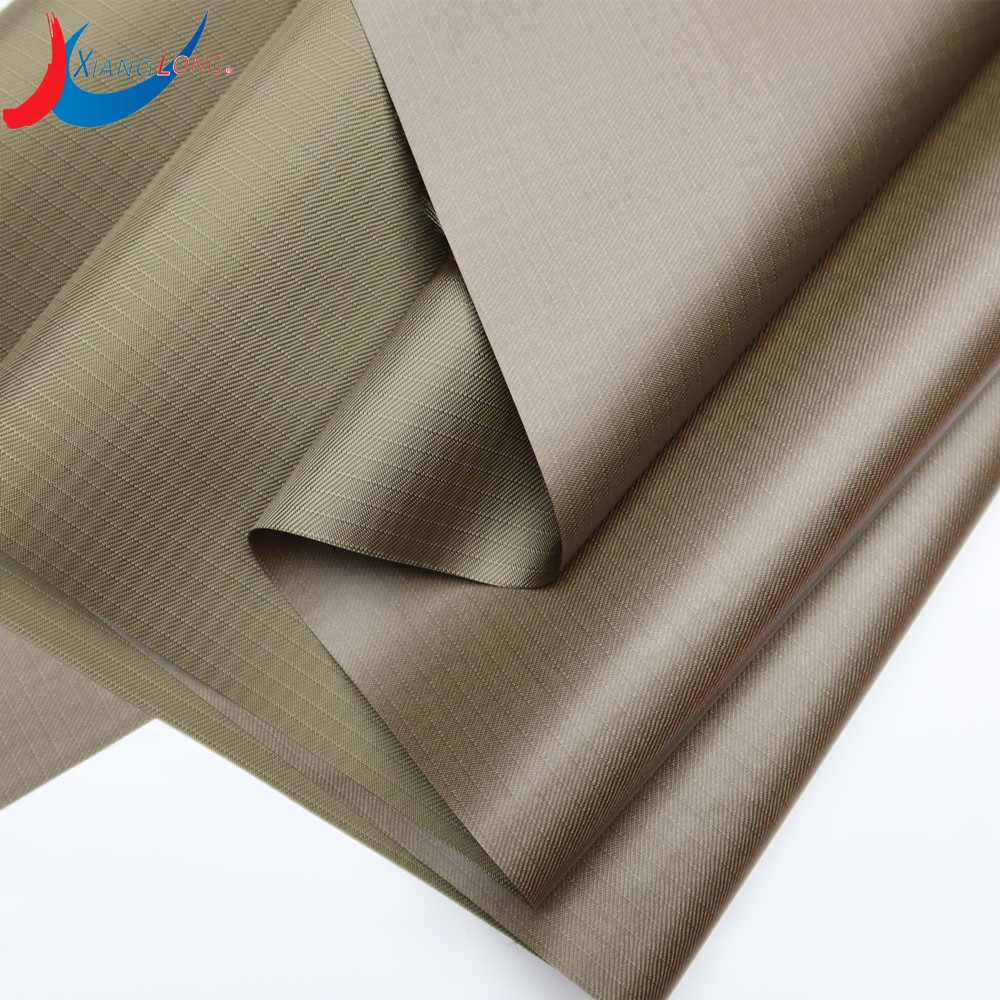
Abrasion Resistant Fabrics
Engineered for high-friction and severe-wear environments. This fabric series features an extremely low coefficient of friction and outstanding abrasion resistance, significantly extending equipment life in applications like material conveying, mining, and agriculture.
Extreme Wear Resistance
Low Friction Surface
High Durability
Тыповае прымяненне: Slurry Hoses, Protective Covers
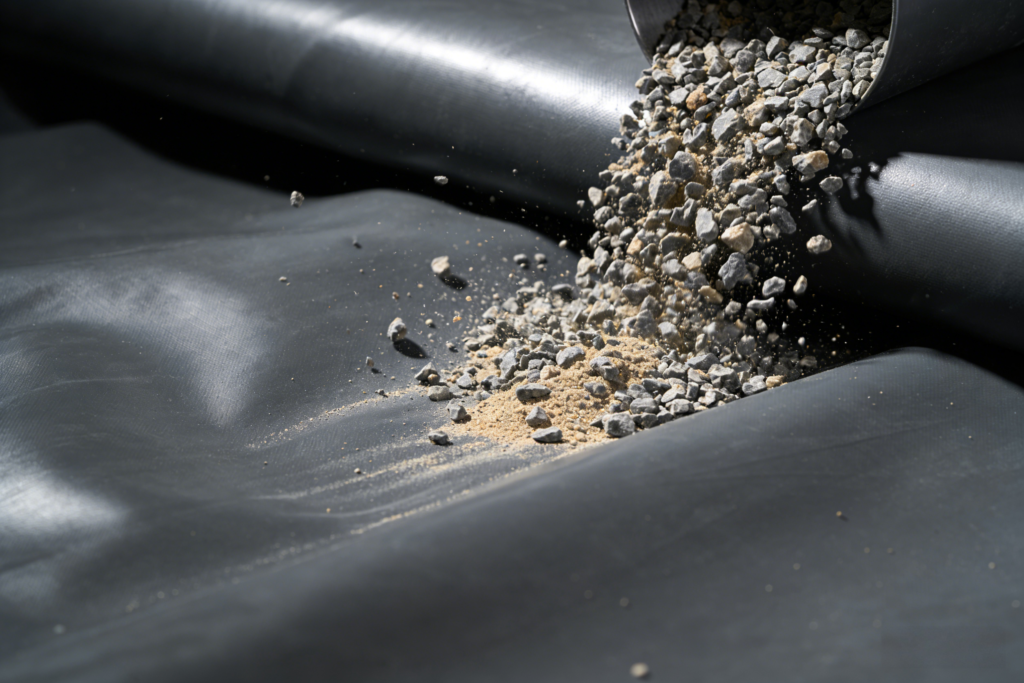
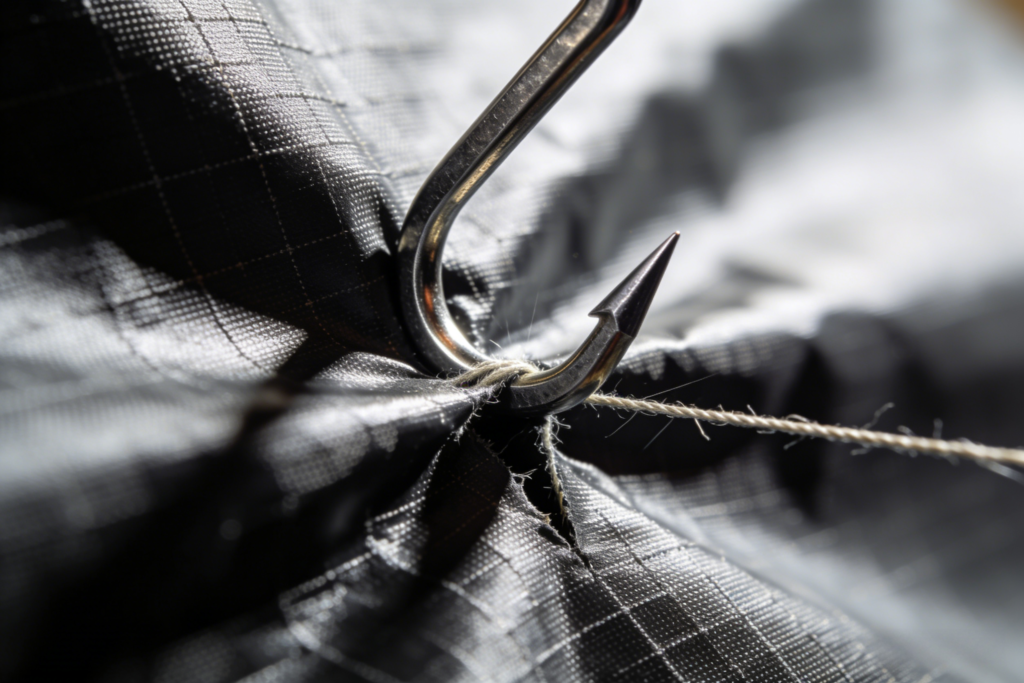
High Tear Strength Fabrics
Utilizing high-tenacity base fabrics and an optimized TPU coating formula, this series offers exceptional tear and puncture strength, suitable for applications that must withstand immense tensile forces or risks of puncture by sharp objects.
High-Tenacity Base
Heavy-Duty Construction
Good Puncture Resistance
Тыповае прымяненне: Lifting Bags, Tensioned Structures, Inflatable Dunnage Bags
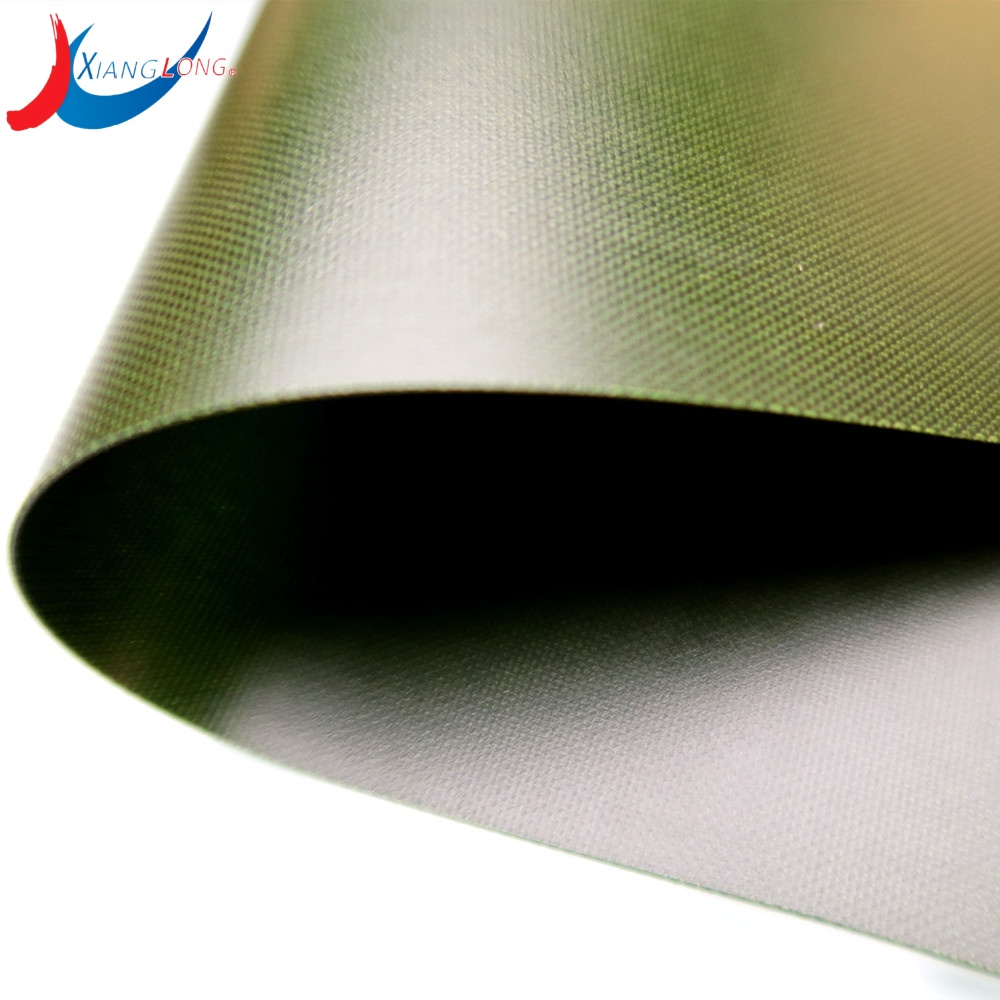
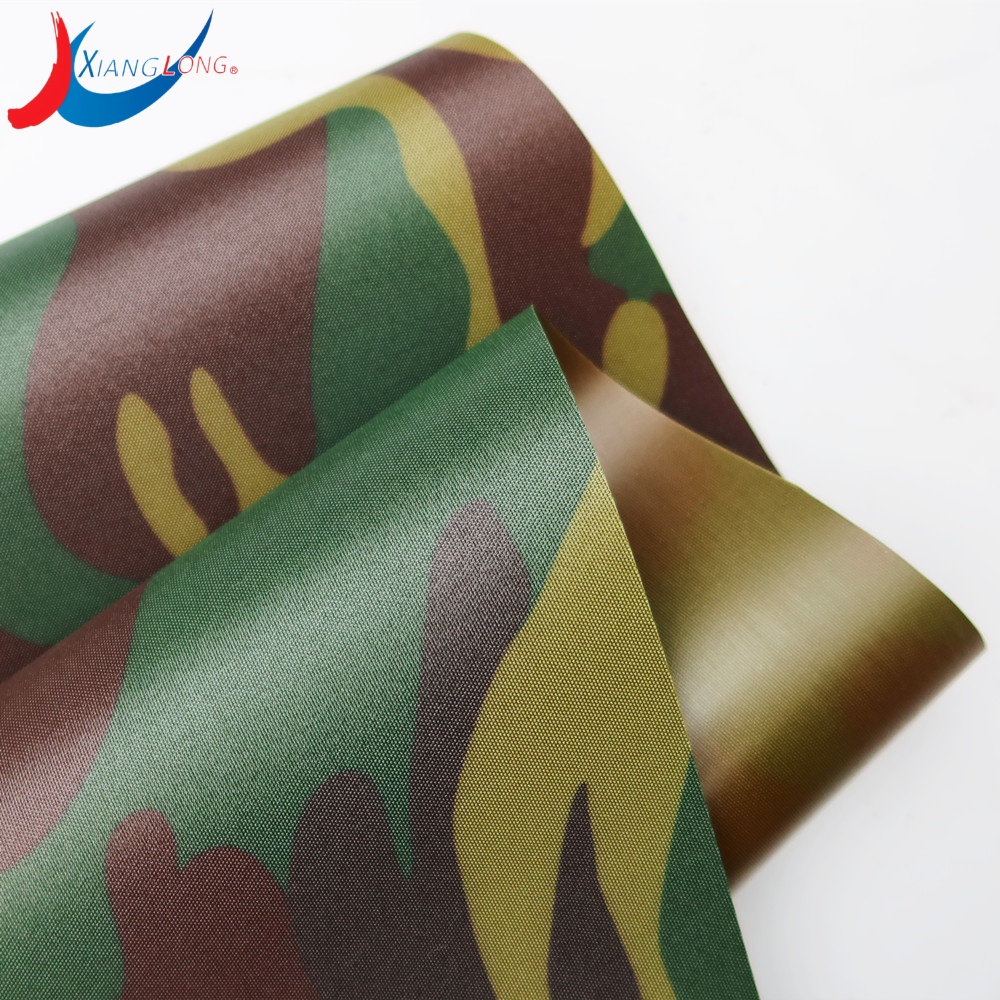
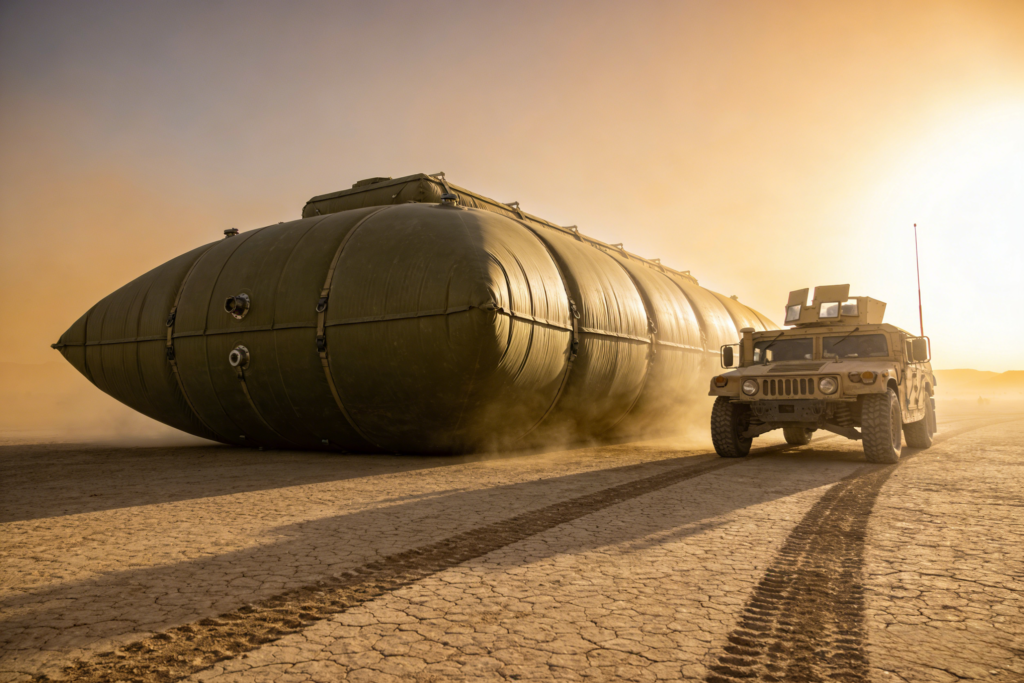
Military Grade Fabrics
Designed and manufactured to meet or exceed strict military specifications (MIL-SPEC). This fabric series excels in extreme temperature tolerance, weather resistance, and field-proven reliability, built for mission-critical defense and logistical support tasks.
MIL-SPEC Compliant
Field-Proven Reliability
Extreme Temperature Range
Тыповае прымяненне: Flexible Fuel/Water Bladders (“Pillow Tanks”), Deployable Shelters, Equipment Covers
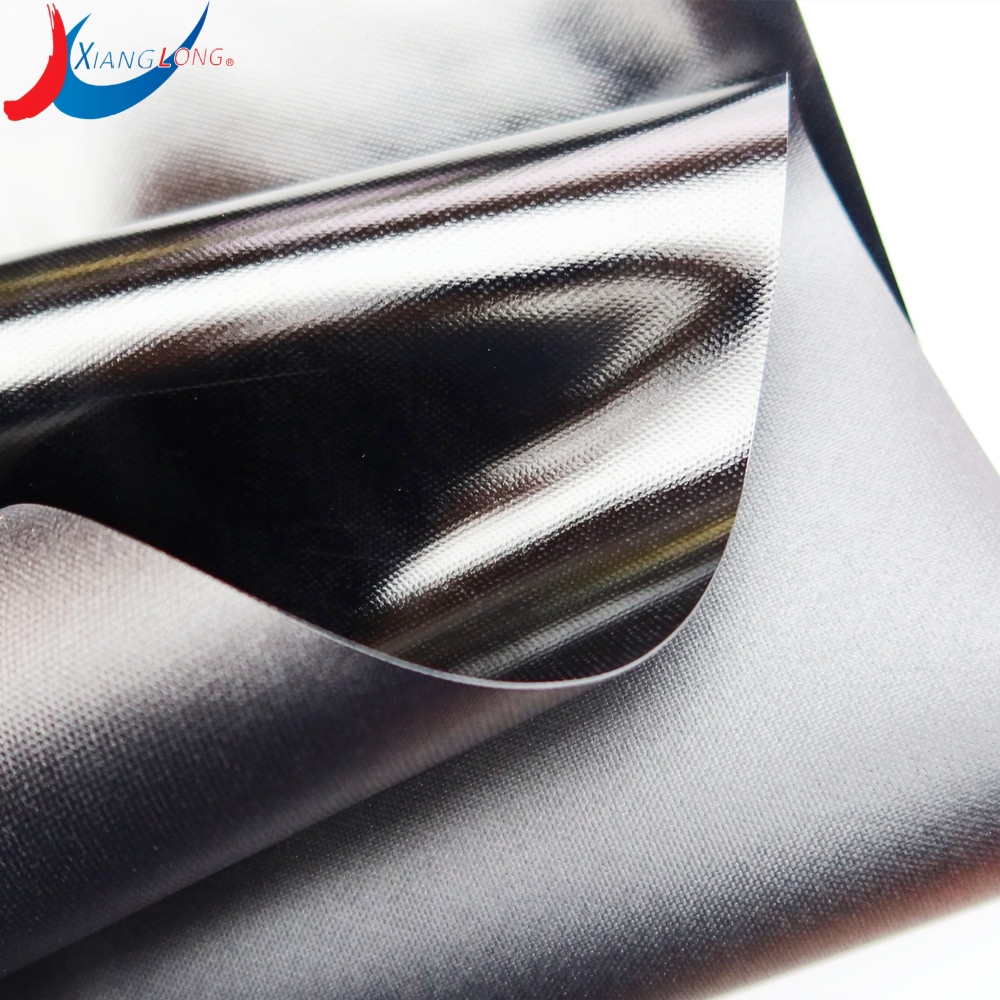
Oil Resistant Fabrics
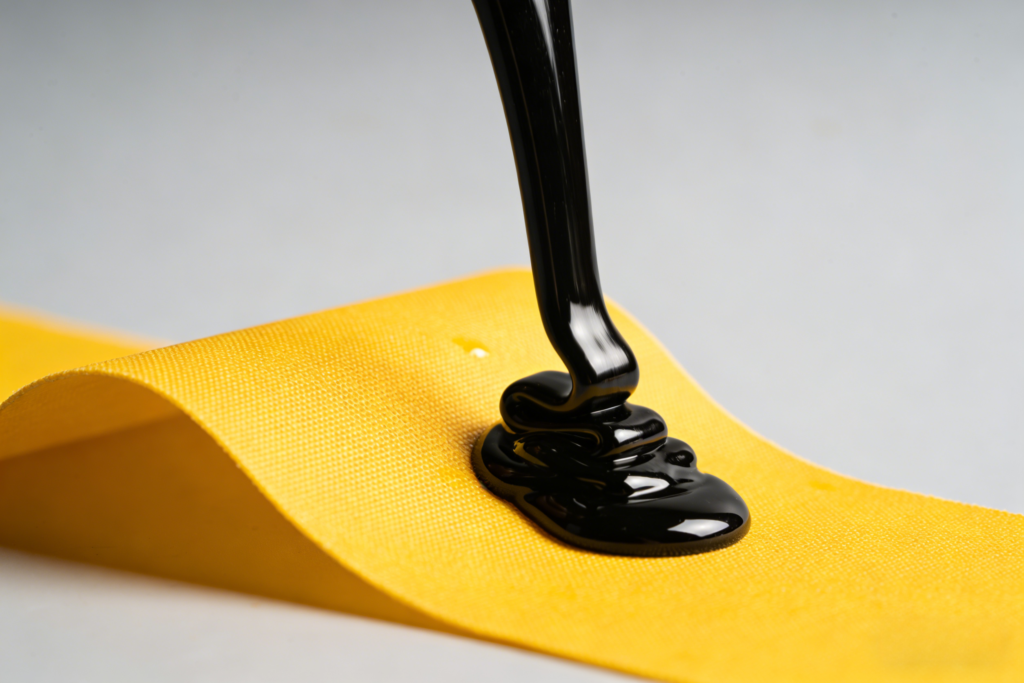
Specifically engineered for applications involving long-term contact or storage of various oils, fuels, and hydrocarbons. This fabric series effectively prevents permeation and maintains structural integrity, making it the ideal choice for fabricating fuel bladders, oil booms, and protective equipment.
Leak-Proof Weldability
Excellent Oil & Fuel Barrier
Роўная паверхня
Тыповае прымяненне: Стойкі для падзеньня на веслах (SUP), надуўныя пірсы, паветраныя матрацы
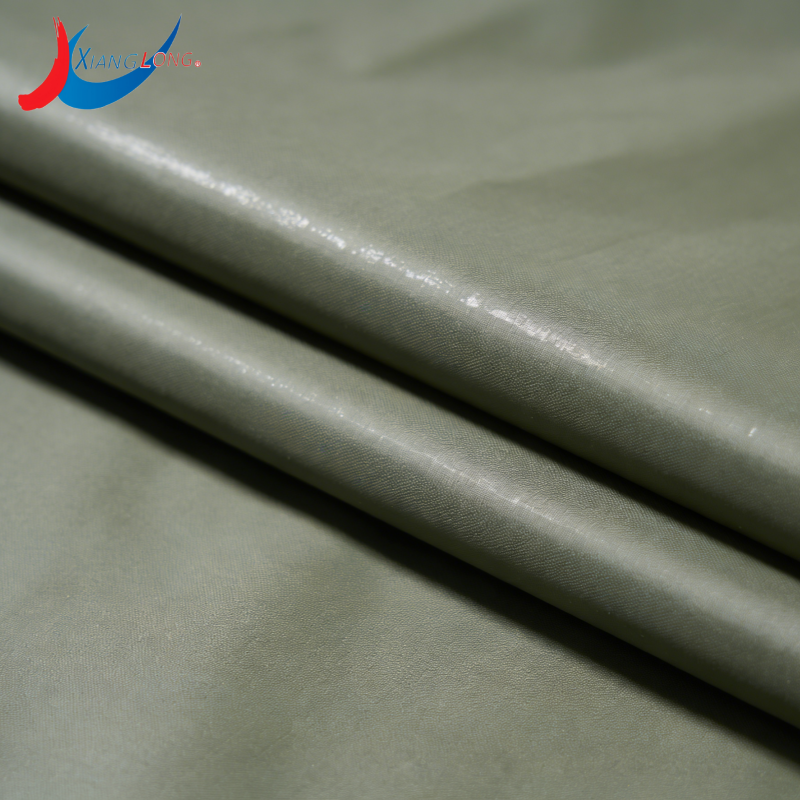
Most industrial TPU fabric material is built from a simple but effective structure: a woven polyester base combined with a TPU coating layer. In practice, this structure decides how the material behaves in different applications.
The base fabric (commonly 500D, 600D, 900D, or 1000D polyester TPU fabric) mainly controls strength and load resistance. Higher denier fabrics are usually chosen for heavy-duty TPU coated fabric applications like lifting airbags or industrial flexible tanks.
The TPU coating layer is what gives the material its key functions:
This combination is what makes TPU coated industrial fabric more adaptable than traditional coated textiles.
In industries like mining, agriculture, and bulk material conveying, surface wear is often the first failure point. Abrasion resistant TPU fabric is developed exactly for this kind of environment.
Instead of focusing only on strength, this type of fabric is designed to reduce surface damage caused by constant friction.
Typical performance advantages include:
Common use cases include slurry hoses, mining equipment protective covers, and agricultural machinery wear liners where durability directly affects operating cost.
When the application involves pulling force, lifting stress, or sharp impact risk, high tear strength TPU fabric becomes the preferred option.
This type usually uses high tenacity polyester TPU fabric as the base, combined with reinforced coating to improve resistance against tearing and puncture.
In practical terms, it is widely used in:
Compared with standard coated fabric, this category focuses more on “surviving sudden force” rather than only long-term wear.
Military grade TPU coated fabric is designed for situations where temperature change, weather exposure, and field reliability are critical.
This type of material is often selected for:
Key characteristics include wide temperature tolerance TPU fabric performance, stable sealing under pressure, and consistent behavior in unpredictable outdoor conditions.
In fuel storage and industrial liquid handling, permeability is a key concern. Oil resistant TPU fabric is developed to handle long-term exposure to fuels, oils, and hydrocarbons without swelling or leakage.
Compared with standard coated textiles, it offers:
This makes it a common choice in fuel storage tanks, industrial liquid containment bags, and offshore protection systems.
Industrial TPU fabrics are not limited to one sector. They are used wherever flexible yet durable material solutions are needed.
Typical TPU fabric applications include:
In many cases, companies switch to TPU coated fabric material because it reduces failure rates and improves service life compared with rubber, PVC, or traditional coated canvas.
Selecting the right material is usually about matching performance with working conditions rather than just choosing the “strongest” option.
Key factors include:
In real projects, the right combination often determines whether the product performs consistently or fails early in the field.
Industrial TPU Fabrics have become a practical solution for modern industrial design because they combine flexibility with structural strength. Whether it is abrasion resistant TPU fabric for mining systems, high tear strength TPU fabric for lifting applications, or oil resistant TPU fabric for fuel storage, each type is built for a specific working condition rather than a general-purpose use.
This makes the category less about material alone and more about solving real industrial problems in a reliable and cost-efficient way.