Home /Prodotto/Tessuti industriali in TPU
Nel settore industriale, il fallimento non è un'opzione. Dal trasferimento di fluidi ad alta pressione alla movimentazione di materiali pesanti, i materiali devono resistere a estreme abrasioni fisiche e corrosione chimica. Il nostro tessuto TPU industriale serie è progettata per affrontare queste sfide. La sua superiore tenacità meccanica, stabilità chimica e resilienza termica ne fanno la scelta ideale per la fabbricazione di serbatoi flessibili, tubi flessibili ad alta pressione e barriere protettive, rappresentando un'alternativa superiore alla gomma tradizionale e alle plastiche rigide.
Negli ambienti produttivi reali, questo tipo di materiale non viene selezionato per «condizioni ideali», ma per sollecitazioni costanti, carichi imprevedibili e lunghe esposizioni all'esterno o a sostanze chimiche. Ecco perché il tessuto rivestito in TPU industriale è diventato una sostituzione pratica in molti progetti in cui i tradizionali fogli di gomma o i tessuti in PVC tendono a invecchiare più rapidamente, a creparsi sotto pressione o a perdere prestazioni di tenuta nel tempo.
Collezioni di prodotti
Tessuti resistenti all'abrasione
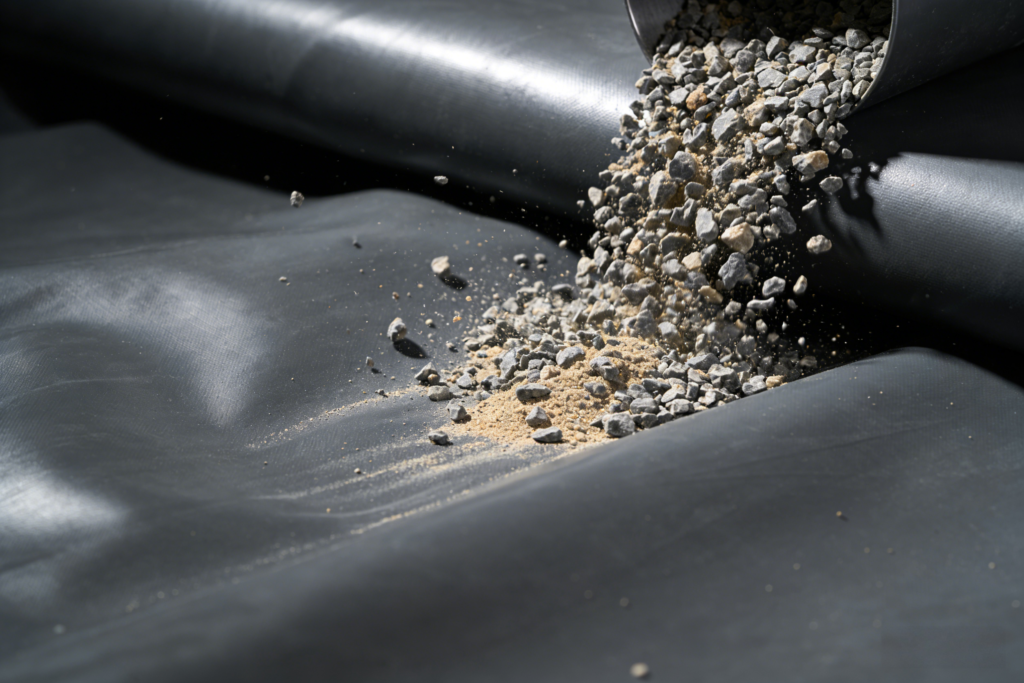
Progettati per ambienti ad alto attrito e soggetti a usura intensa. Questa serie di tessuti presenta un coefficiente di attrito estremamente basso e un'eccezionale resistenza all'abrasione, prolungando notevolmente la durata delle attrezzature in applicazioni come il trasporto di materiali, l'industria mineraria e l'agricoltura.
Resistenza estrema all'usura
Superficie a basso attrito
Elevata durata
Applicazione tipica: Tubi per fanghi, coperture protettive
Tessuti con elevata resistenza allo strappo
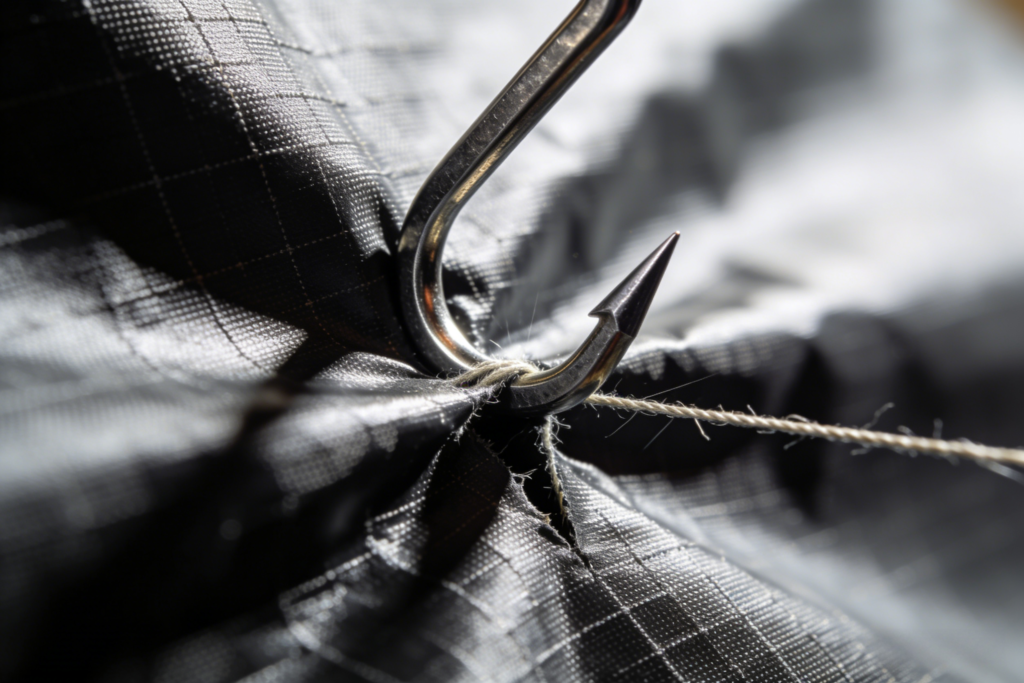
Utilizzando tessuti base ad alta tenacità e una formula ottimizzata di rivestimento in TPU, questa serie offre una eccezionale resistenza allo strappo e alla perforazione, adatta per applicazioni che devono sopportare forze di trazione immense o rischi di perforazione da parte di oggetti appuntiti.
Base ad alta tenacità
Costruzione per impieghi gravosi
Buona resistenza alla perforazione
Applicazione tipica: Sacche di sollevamento, strutture tensionate, sacche gonfiabili per imbottitura
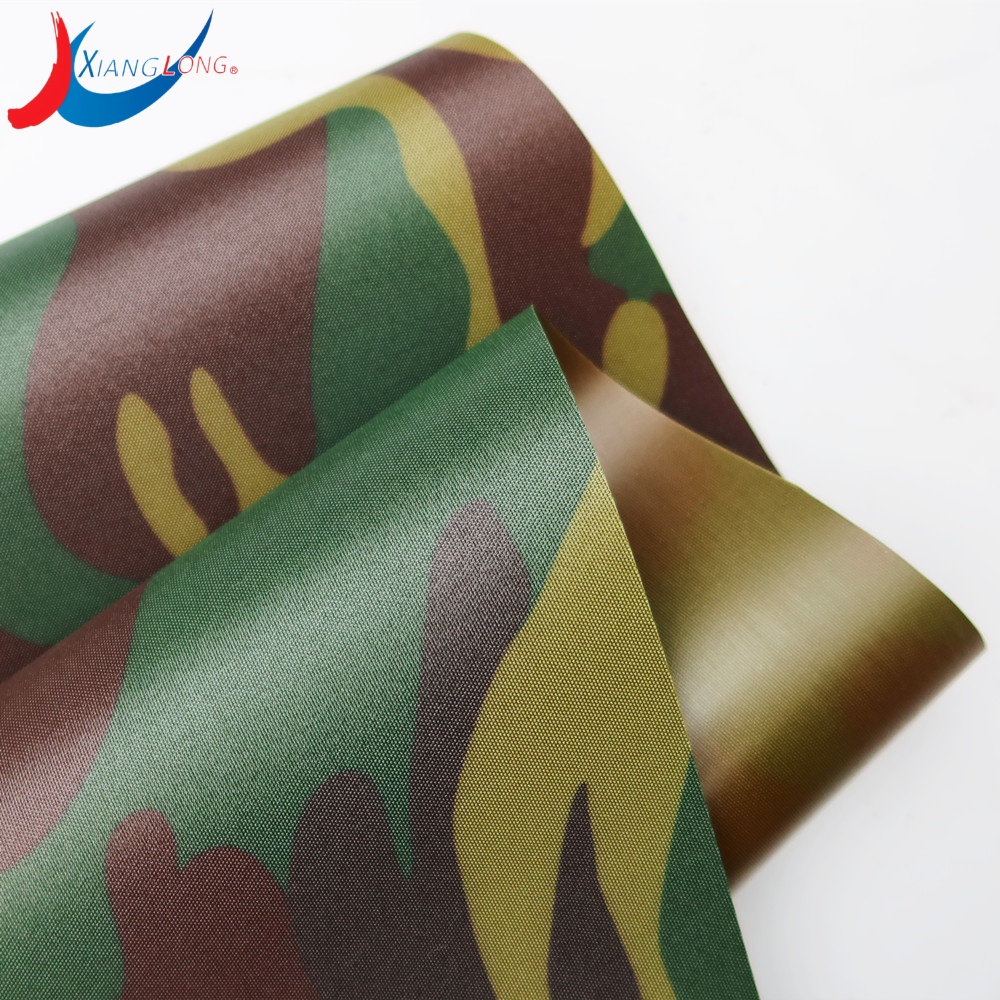
Tessuti di grado militare
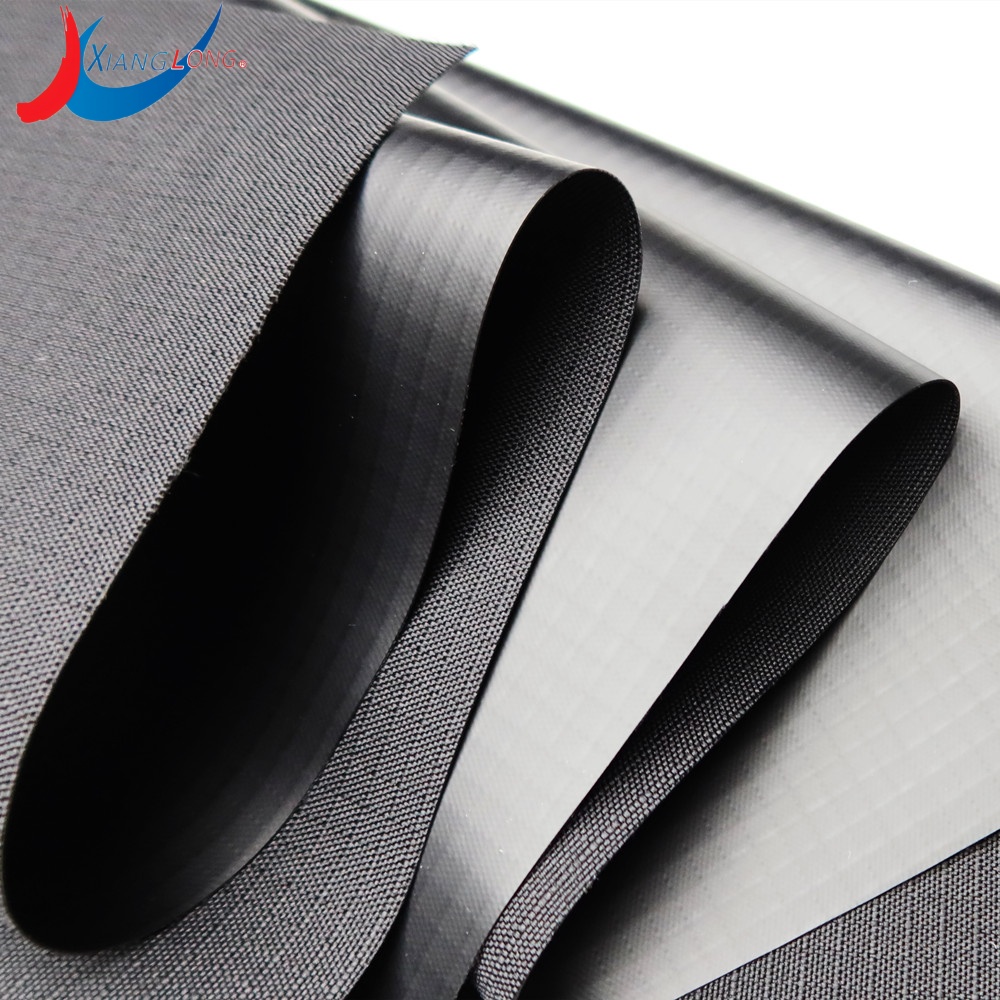
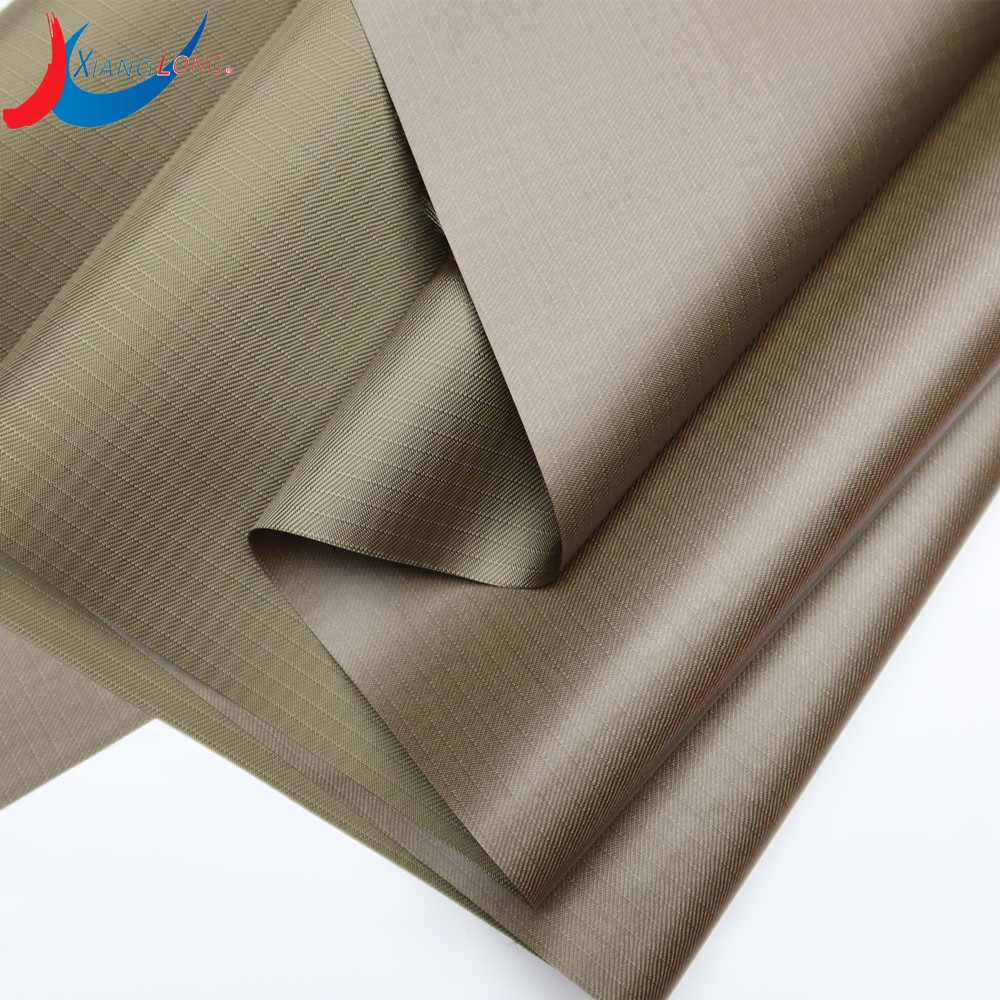
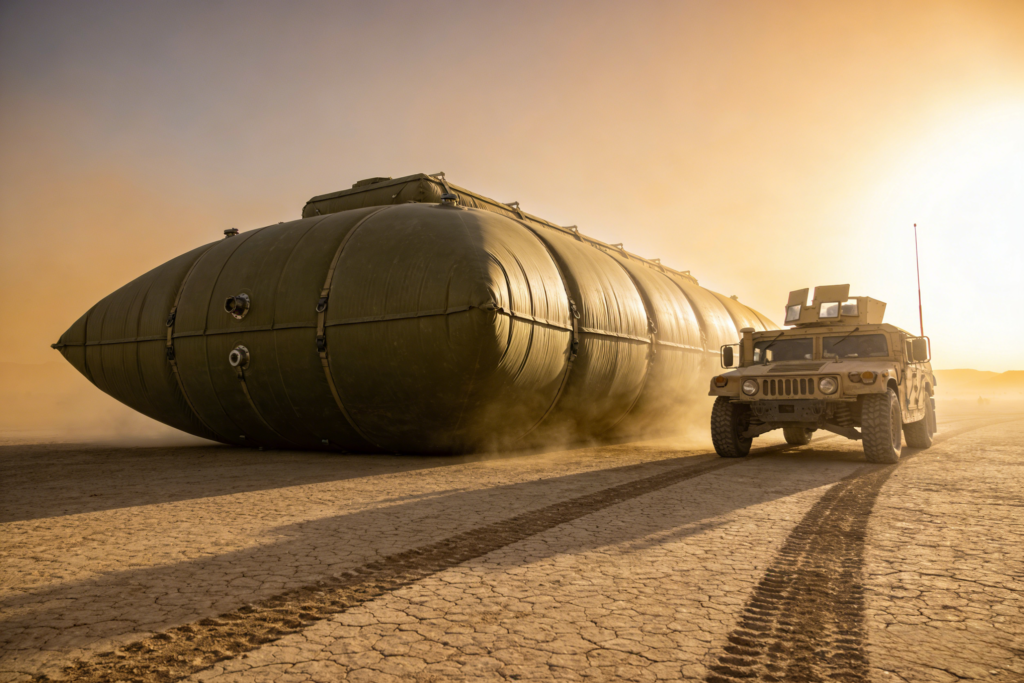
Progettati e realizzati per soddisfare o superare le rigorose specifiche militari (MIL-SPEC). Questa serie di tessuti eccelle nella tolleranza alle temperature estreme, nella resistenza agli agenti atmosferici e nell'affidabilità comprovata sul campo, costruita per missioni critiche di difesa e supporto logistico.
Conforme alle MIL-SPEC
Affidabilità comprovata sul campo
Esteso intervallo di temperature
Applicazione tipica: Vasche flessibili per carburante/acqua (“serbatoi a cuscino”), rifugi deployabili, coperture per attrezzature
Tessuti resistenti agli oli
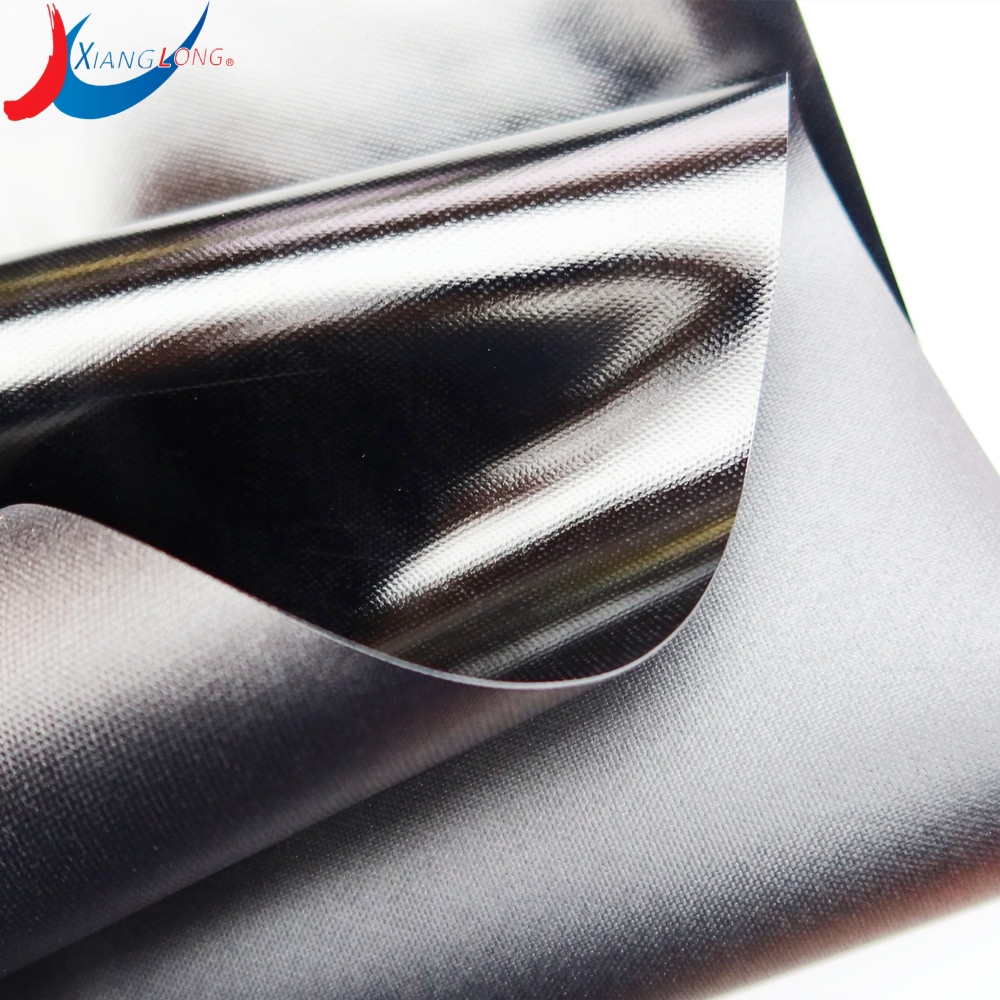
Progettati specificamente per applicazioni che comportano contatto o stoccaggio a lungo termine di vari oli, carburanti e idrocarburi. Questa serie di tessuti previene efficacemente la permeazione e mantiene l'integrità strutturale, rendendola la scelta ideale per la fabbricazione di vasche per carburante, boe oleodotti e attrezzature protettive.
Salda impermeabile
Ottima barriera contro oli e carburanti
Superficie piatta
Applicazione tipica: Sup paddle boards, pontili gonfiabili, materassi ad aria
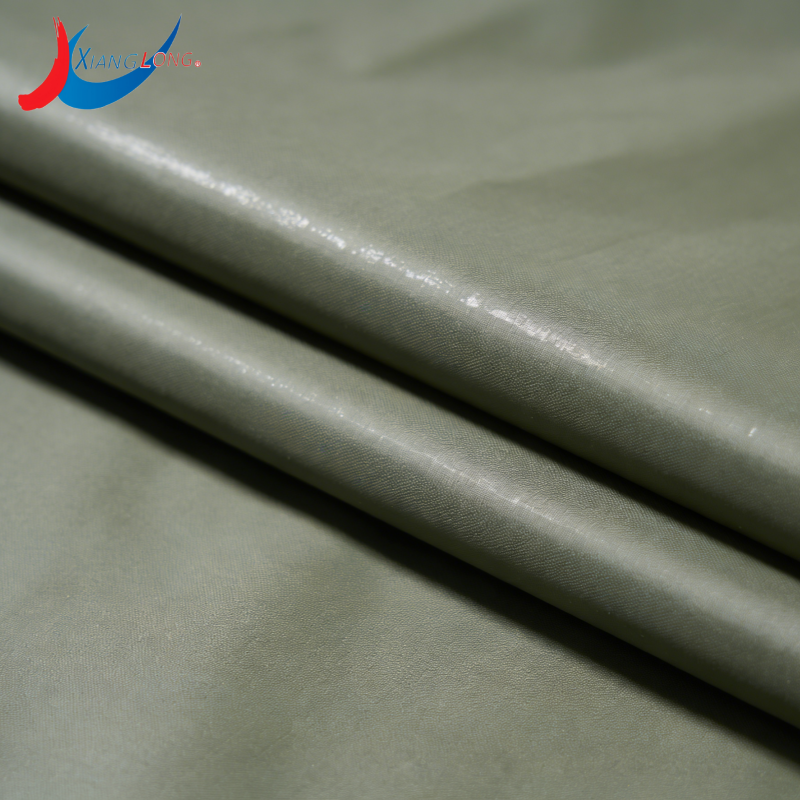
La maggior parte dei materiali industriali in tessuto TPU è costituita da una struttura semplice ma efficace: una base in poliestere intrecciato combinata con uno strato di rivestimento in TPU. In pratica, questa struttura determina come il materiale si comporta in diverse applicazioni.
Il tessuto di base (comunemente tessuto TPU in poliestere 500D, 600D, 900D o 1000D) controlla principalmente la resistenza e la capacità di sopportare carichi. Tessuti con denier più elevati sono solitamente scelti per applicazioni di tessuto rivestito in TPU pesante, come airbag di sollevamento o serbatoi flessibili industriali.
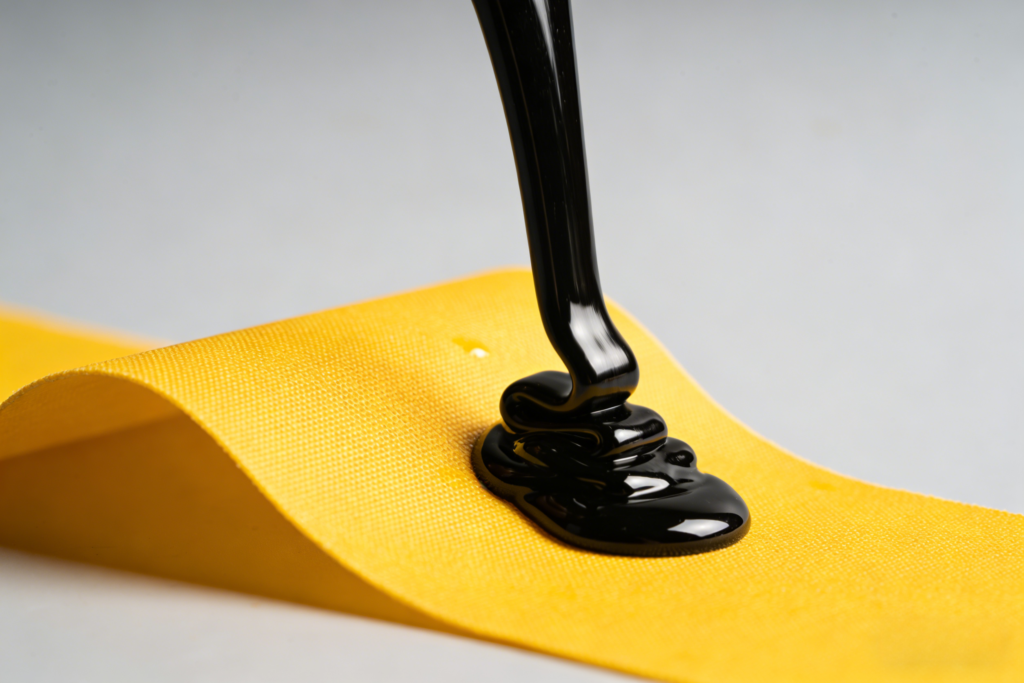
Lo strato di rivestimento in TPU è ciò che conferisce al materiale le sue funzioni chiave:
Questa combinazione rende il tessuto industriale rivestito in TPU più adattabile rispetto ai tessuti tradizionali rivestiti.
In settori come l'industria mineraria, l'agricoltura e il trasporto di materiali sfusi, l'usura superficiale è spesso il primo punto di guasto. Il tessuto TPU resistente all'abrasione è stato sviluppato proprio per questo tipo di ambiente.
Anziché concentrarsi solo sulla resistenza, questo tipo di tessuto è progettato per ridurre i danni superficiali causati dall'attrito costante.
I vantaggi tipici di performance includono:
Casi d'uso comuni includono tubi per fanghi, coperture protettive per attrezzature minerarie e rivestimenti antiusura per macchinari agricoli, dove la durabilità influisce direttamente sui costi operativi.
Quando l'applicazione comporta forza di trazione, sollecitazioni di sollevamento o rischio di impatti violenti, il tessuto TPU ad alta resistenza alla trazione diventa l'opzione preferita.
Questo tipo solitamente utilizza tessuto TPU in poliestere ad alta tenacità come base, combinato con un rivestimento rinforzato per migliorare la resistenza a strappi e perforazioni.
In termini pratici, è ampiamente utilizzato in:
Rispetto al tessuto rivestito standard, questa categoria si concentra maggiormente sul «sopravvivere a forze improvvise» piuttosto che solo sull'usura a lungo termine.
Il tessuto rivestito in TPU di grado militare è progettato per situazioni in cui variazioni di temperatura, esposizione atmosferica e affidabilità sul campo sono fondamentali.
Questo tipo di materiale è spesso scelto per:
Le caratteristiche principali includono prestazioni del tessuto TPU con ampia tolleranza termica, tenuta stabile sotto pressione e comportamento costante in condizioni esterne imprevedibili.
Nello stoccaggio di carburanti e nella gestione di liquidi industriali, la permeabilità è una preoccupazione chiave. Il tessuto TPU resistente agli oli è stato sviluppato per affrontare esposizioni prolungate a carburanti, oli e idrocarburi senza gonfiarsi né perdere tenuta.
Rispetto ai tessuti rivestiti standard, offre:
Ciò lo rende una scelta comune per serbatoi di stoccaggio carburanti, sacche industriali per contenimento liquidi e sistemi di protezione offshore.
I tessuti TPU industriali non si limitano a un solo settore. Sono utilizzati ovunque siano necessarie soluzioni materiali flessibili ma resistenti.
Le applicazioni tipiche del tessuto TPU includono:
In molti casi, le aziende passano al tessuto rivestito in TPU perché riduce i tassi di guasto e migliora la durata operativa rispetto alla gomma, al PVC o alla tela tradizionale rivestita.
La scelta del materiale giusto riguarda solitamente l'abbinamento tra prestazioni e condizioni operative, piuttosto che scegliere solo l'opzione «più resistente».
I fattori chiave includono:
Nei progetti reali, la giusta combinazione spesso determina se il prodotto funziona in modo costante oppure fallisce precocemente sul campo.
I tessuti industriali in TPU sono diventati una soluzione pratica per il design industriale moderno perché combinano flessibilità e resistenza strutturale. Che si tratti di tessuto in TPU resistente all'abrasione per sistemi minerari, di tessuto in TPU ad alta resistenza allo strappo per applicazioni di sollevamento o di tessuto in TPU resistente agli oli per lo stoccaggio di carburanti, ogni tipo è studiato per condizioni operative specifiche piuttosto che per un impiego generico.
Ciò rende questa categoria meno incentrata sul solo materiale e più orientata alla risoluzione di problemi industriali reali in modo affidabile ed economicamente vantaggioso.