Trang chủ /Sản phẩm/Vải TPU bền vững
Khi nhận thức về môi trường toàn cầu ngày càng tăng, tính bền vững không còn là lựa chọn nữa, mà là trách nhiệm. Chúng tôi Vải TPU bền vững loạt sản phẩm này được thiết kế để giúp các thương hiệu chuyển đổi sang các hệ thống vật liệu ít tác động hơn mà không làm giảm hiệu suất. Bằng cách tích hợp các thành phần tái chế sau tiêu dùng (PCR) và tái chế sau công nghiệp (PIR), cũng như phát triển các công thức TPU với hồ sơ môi trường được cải thiện, chúng tôi cung cấp các giải pháp vải TPU thân thiện với môi trường, cân bằng giữa độ bền, tính năng và nguồn cung ứng có trách nhiệm.
Các loại vải TPU bền vững được chế tạo để đáp ứng các yêu cầu thực tế trong sản xuất. Độ bền, độ dẻo dai, khả năng hàn nối và tuổi thọ dài vẫn được duy trì trong khi giới thiệu các nguyên liệu tái chế và nguyên liệu sinh học. Điều này khiến vật liệu phù hợp cho cả ứng dụng công nghiệp lẫn các ứng dụng hướng tới người tiêu dùng, nơi yêu cầu tuân thủ môi trường ngày càng cao.
Bộ sưu tập sản phẩm
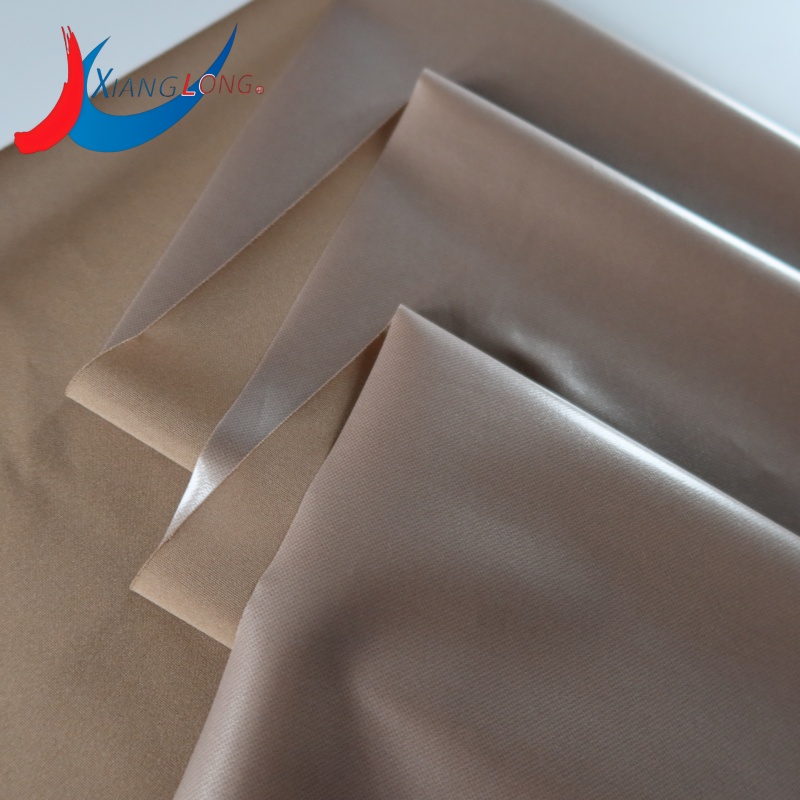
Vải TPU phân hủy sinh học
Dòng vải này được chế tạo bằng TPU phân hủy sinh học tiên tiến, thường kết hợp thành phần sinh học từ nguồn tái tạo. Nó được thiết kế để cung cấp giải pháp xử lý cuối vòng đời có trách nhiệm, an toàn trở lại tự nhiên trong các điều kiện môi trường cụ thể và góp phần chống lại ô nhiễm nhựa lâu dài. Mỗi mét vải đều là lời hứa về hiệu suất hôm nay và một hành tinh khỏe mạnh hơn vào ngày mai.
Xử lý cuối vòng đời có trách nhiệm
Vật liệu sinh học bền vững
Hiệu suất cao không khoan nhượng
Ứng dụng điển hình: Sản phẩm bơm hơi, Thiết bị bảo hộ y tế, Túi & Ba lô chống nước
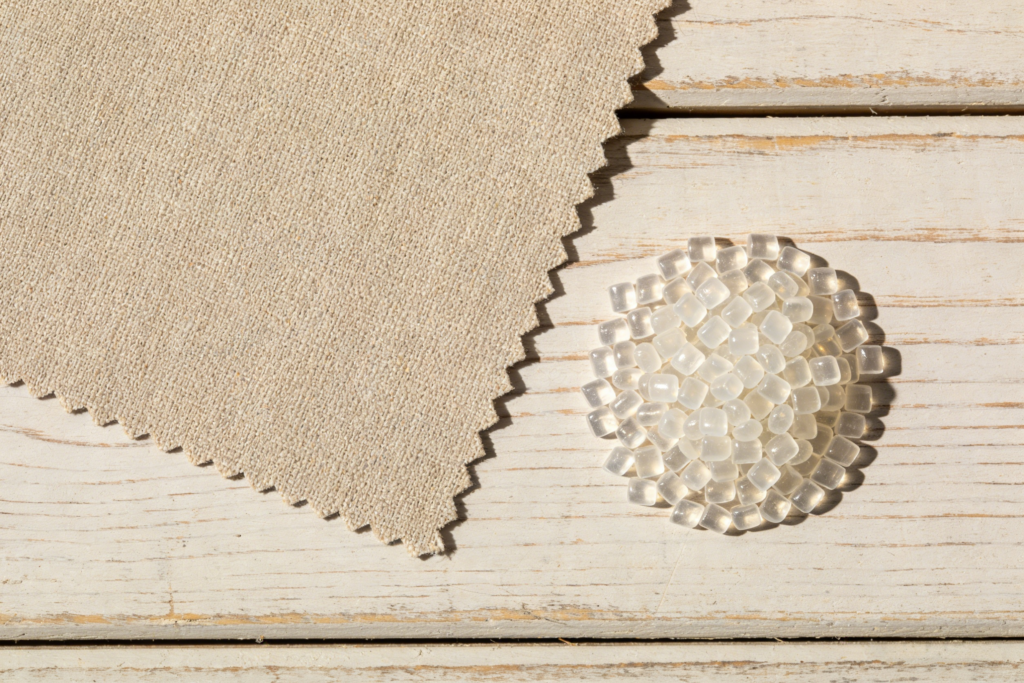
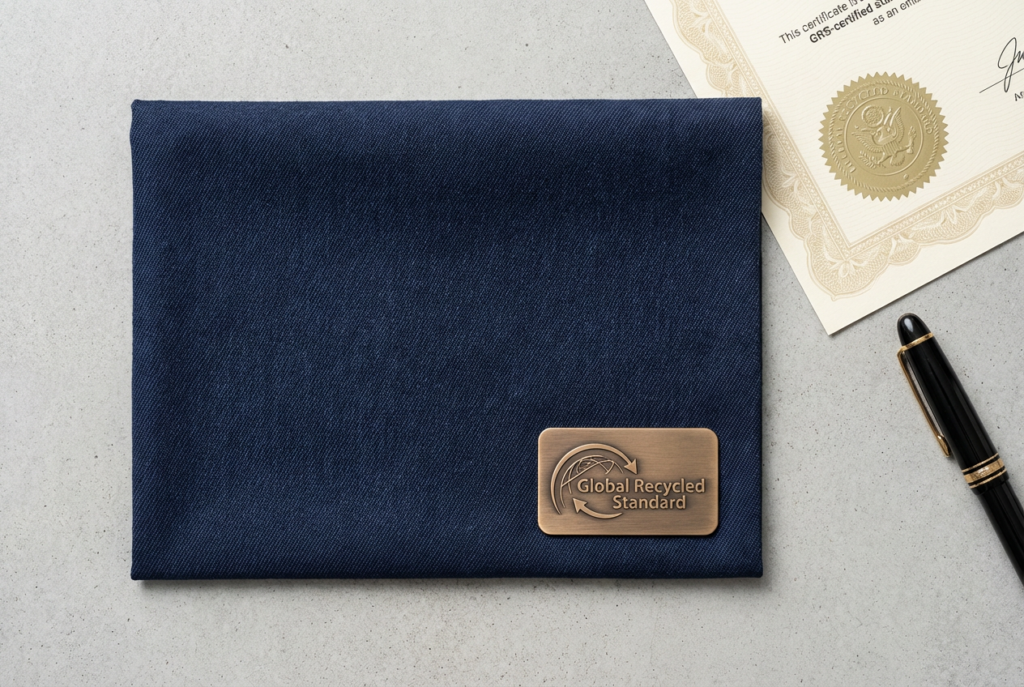
Vải được chứng nhận GRS
Đem đến sự bảo chứng uy tín cho cam kết bảo vệ môi trường của bạn. Dòng vải này được chứng nhận bởi Tiêu chuẩn Tái chế Toàn cầu (GRS), đảm bảo rằng hàm lượng tái chế, chuỗi kiểm soát, trách nhiệm xã hội và các thực hành môi trường của nó đáp ứng các tiêu chuẩn quốc tế cao nhất, mang đến một tuyên bố bền vững hoàn toàn minh bạch và có thể truy xuất nguồn gốc cho sản phẩm của bạn.
Chứng nhận GRS
Chuỗi kiểm soát đầy đủ
Tuyên bố môi trường có thể xác minh
Ứng dụng điển hình: Bất kỳ sản phẩm nào yêu cầu chứng nhận môi trường rõ ràng
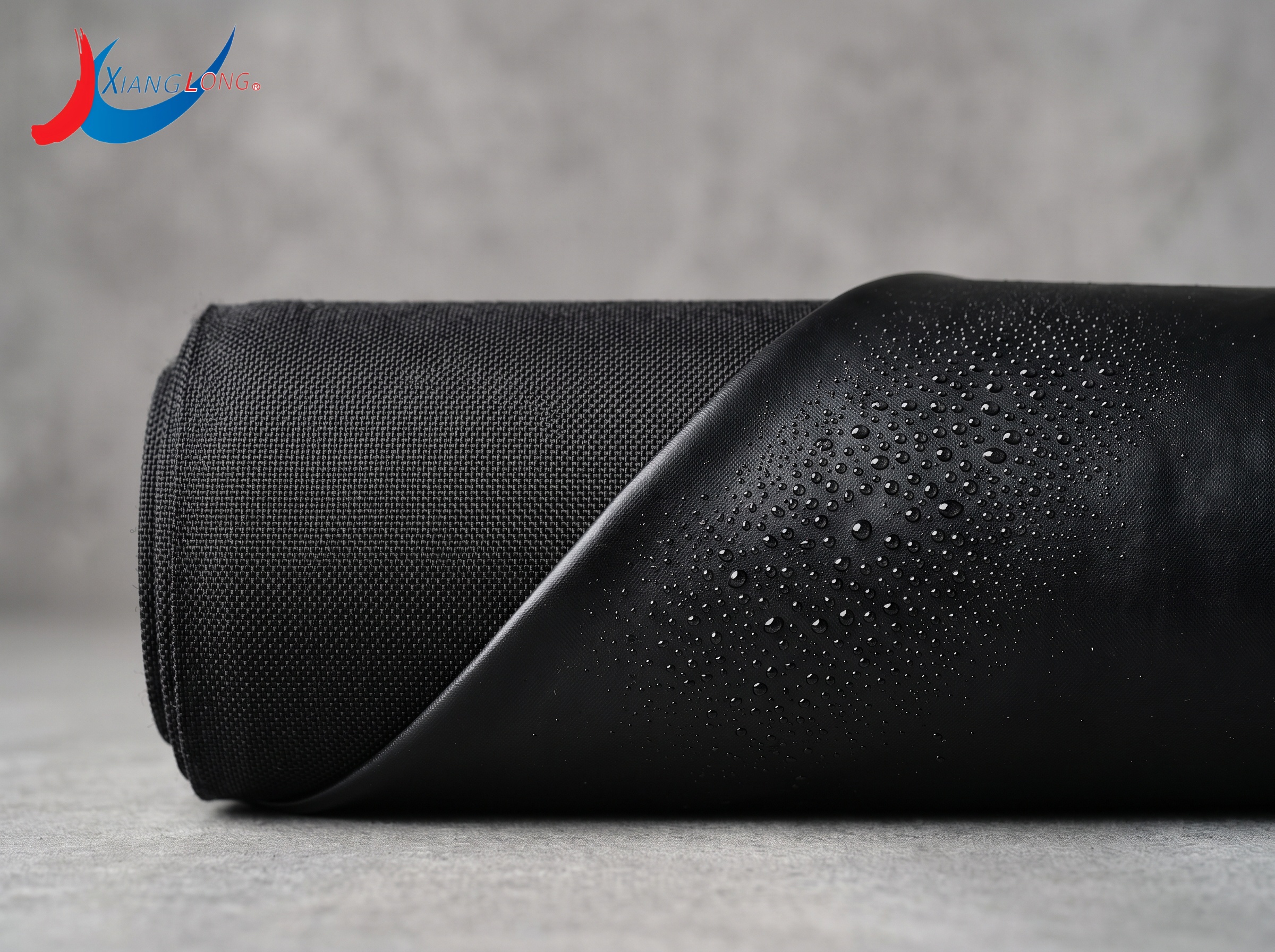
Vải TPU bền vững là các vật liệu dệt phủ TPU được phát triển với mục tiêu giảm tác động môi trường. Cấu trúc thường kết hợp vải nền polyester tái chế với lớp phủ TPU có thể bao gồm các công thức gốc sinh học hoặc ít tác động.
Các đặc điểm chính:
Những vật liệu này được sử dụng ở những nơi cả hiệu suất và tính bền vững đều cần được xem xét trong phát triển sản phẩm.
Vải TPU phân hủy sinh học được phát triển cho các ứng dụng nơi tác động cuối vòng đời là ưu tiên hàng đầu. Hệ thống vật liệu được thiết kế để phân hủy dưới các điều kiện môi trường kiểm soát cụ thể.
Các đặc tính cốt lõi:
Ứng dụng điển hình:
Danh mục này thường được lựa chọn khi quản lý vòng đời sản phẩm là một phần trong chiến lược bền vững của thương hiệu.
Vải TPU được chứng nhận GRS cung cấp hàm lượng tái chế đã được xác minh và hệ thống sản xuất có thể truy xuất nguồn gốc. Chứng nhận bao gồm việc tìm nguồn nguyên liệu, kiểm soát chuỗi sản xuất và tuân thủ môi trường.
Các tính năng chính:
Ứng dụng điển hình:
Chứng nhận GRS thường được sử dụng trong các chuỗi cung ứng hướng xuất khẩu, nơi yêu cầu tài liệu tuân thủ.
Vải TPU tái chế được thiết kế để duy trì hiệu suất cơ học ổn định trong khi tích hợp hàm lượng tái chế vào hệ thống vật liệu.
Các đặc tính hiệu suất:
Điều này cho phép vải TPU tái chế được sử dụng trong các ứng dụng vốn trước đây phụ thuộc vào vật liệu TPU nguyên chất.
Vải TPU bền vững được sử dụng trong nhiều ngành công nghiệp, nơi lựa chọn vật liệu đang chuyển sang các giải pháp ít tác động hơn:
Nhu cầu đang gia tăng tại các thị trường xuất khẩu, nơi tuân thủ môi trường là một phần trong tiêu chuẩn mua sắm.
Việc lựa chọn thường phụ thuộc vào cách vật liệu sẽ được sử dụng trong sản xuất hơn là dựa trên một đặc tính duy nhất.
Các điểm chính:
Các tổ hợp khác nhau dẫn đến các cấp độ khác nhau trong Vải TPU bền vững.
Vải TPU bền vững kết hợp các hệ thống vật liệu tái chế, các lựa chọn gốc sinh học và các tiêu chuẩn sản xuất được chứng nhận để hỗ trợ các phương thức sản xuất có trách nhiệm hơn. Danh mục này bao gồm vải TPU phân hủy sinh học và vải TPU tái chế được chứng nhận GRS, cả hai đều được thiết kế để duy trì hiệu suất chức năng đồng thời giảm tác động môi trường.
Hệ thống vật liệu này ngày càng được sử dụng trong các sản phẩm mà yêu cầu bền vững là một phần của quá trình mua sắm, xây dựng thương hiệu và lập kế hoạch sản phẩm dài hạn.