Home /Product/Sustainable TPU Fabrics
As global environmental awareness grows, sustainability is no longer an option, but a responsibility. Our Sustainable TPU Fabrics series is designed to help brands transition toward lower-impact material systems without compromising performance. By integrating post-consumer recycled (PCR) and post-industrial recycled (PIR) content, and developing TPU formulations with improved environmental profiles, we provide eco-friendly TPU fabric solutions that balance durability, functionality, and responsible sourcing.
Sustainable TPU Fabrics are built to meet real production requirements. Strength, flexibility, weldability, and long service life are maintained while introducing recycled and bio-based material inputs. This makes the material suitable for both industrial use and consumer-facing applications where environmental compliance is increasingly required.
Product Collections
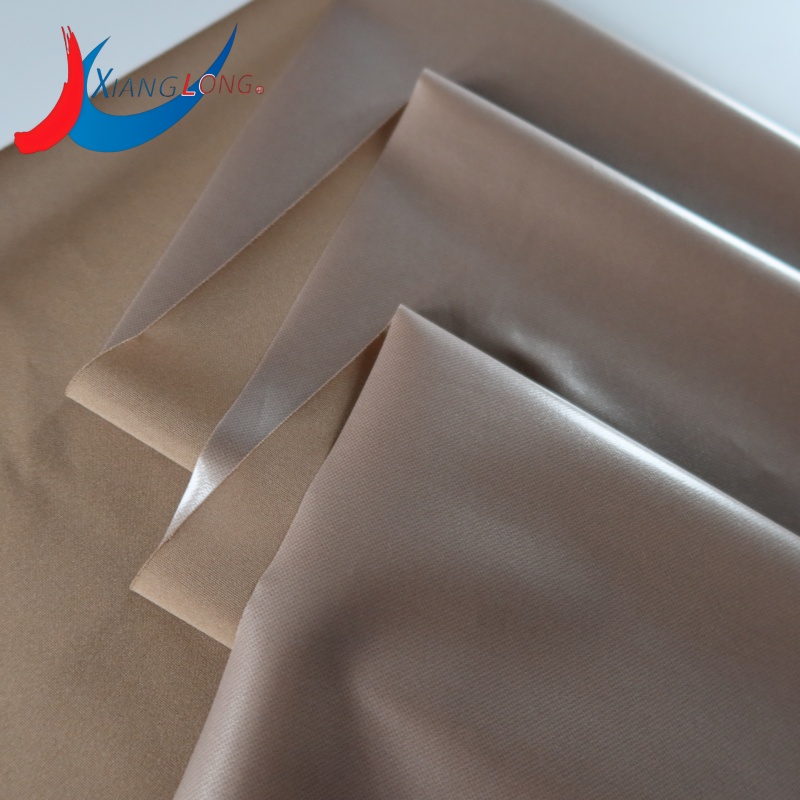
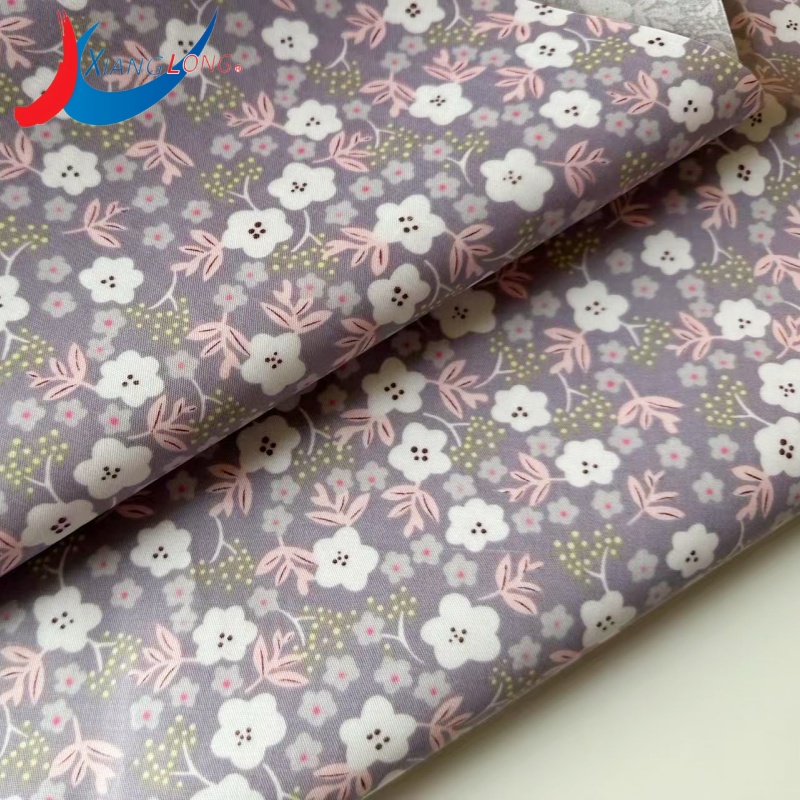
Biodegradable TPU Fabrics
This fabric series is engineered with advanced biodegradable TPU, often incorporating bio-based content from renewable sources. It is designed to provide a responsible end-of-life solution, safely returning to nature under specific environmental conditions and combating long-term plastic pollution. Every meter is a promise of performance today and a healthier planet tomorrow.
Resposnible End-of-Life
Sustainable Bio-Based Materials
Uncompromised High Performance
Typical Application: Inflatable Products, Medical Protective Gear, Waterproof Bags & Backpacks
GRS-Certified Fabrics
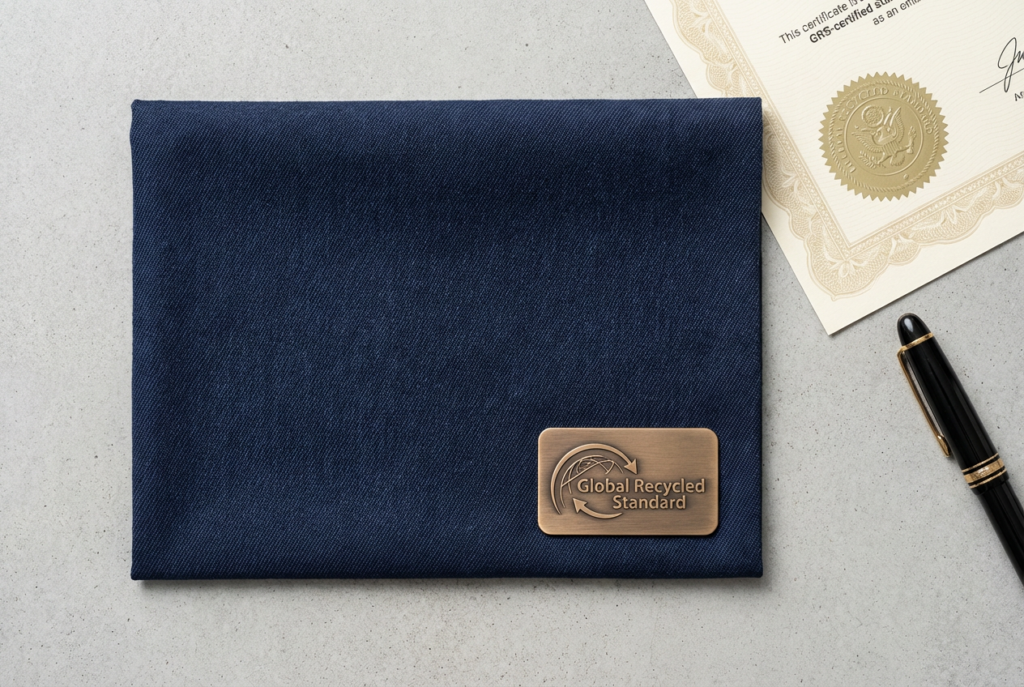
Providing authoritative endorsement for your environmental commitment. This fabric series is certified by the Global Recycled Standard (GRS), ensuring its recycled content, chain of custody, social responsibility, and environmental practices meet the highest international standards, offering a fully transparent and traceable sustainability claim for your product.
GRS Certified
Full Chain of Custody
Verifiable Eco-Claims
Typical Application: Any product requiring demonstrated eco-credentials
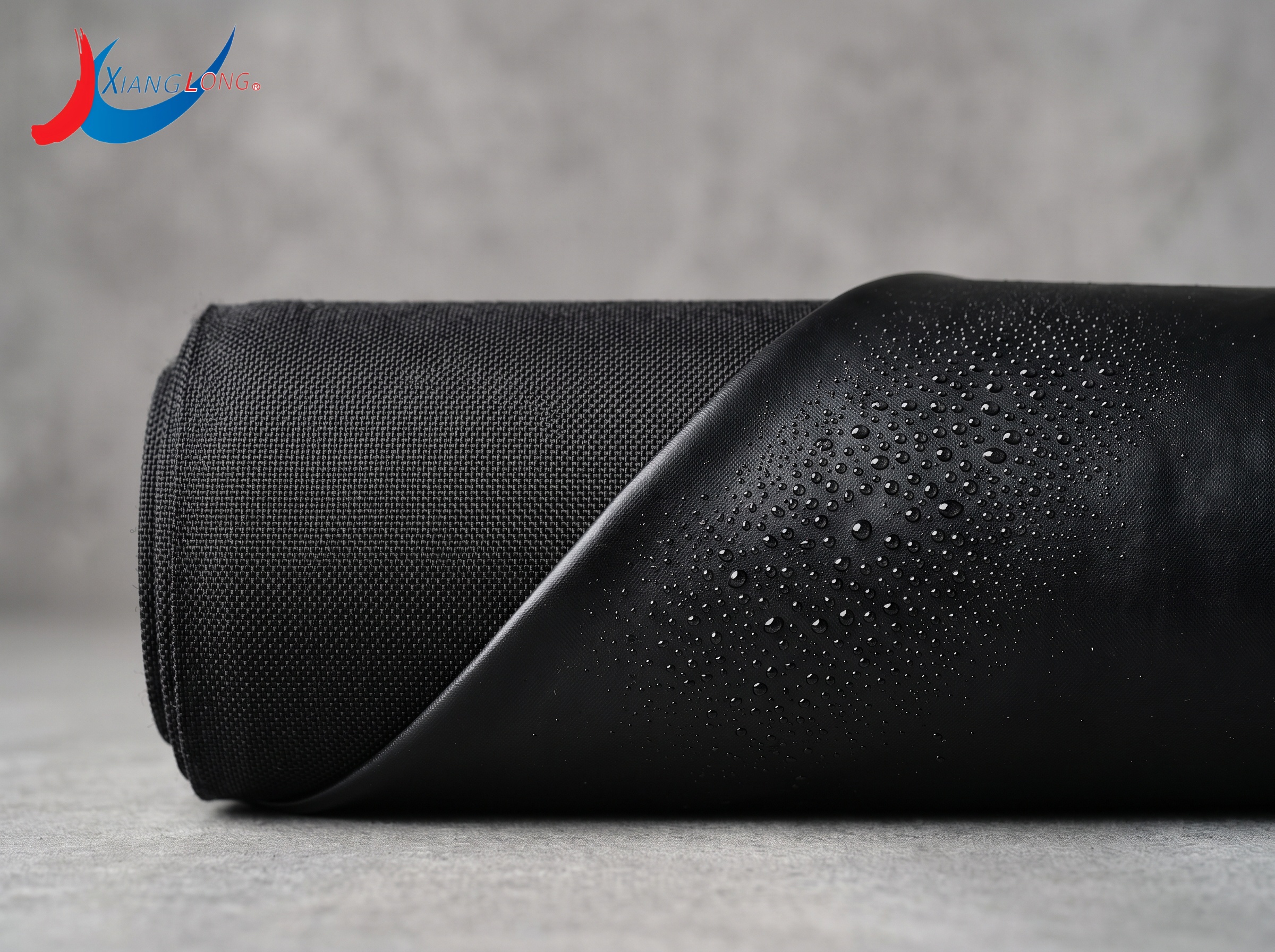
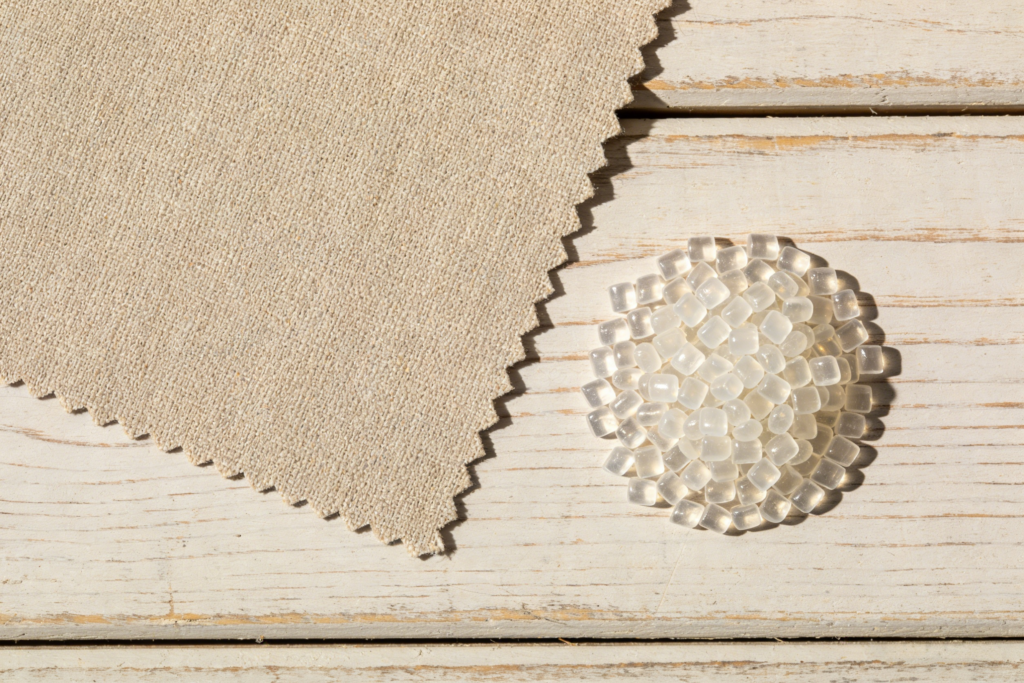
Sustainable TPU Fabrics are TPU-coated textile materials developed with reduced environmental impact in mind. The structure typically combines recycled polyester base fabrics with TPU coatings that may include bio-based or low-impact formulations.
Key characteristics:
These materials are used where both performance and sustainability need to be considered in product development.
Biodegradable TPU fabrics are developed for applications where end-of-life impact is a priority. The material system is engineered to break down under specific controlled environmental conditions.
Core properties:
Typical applications:
This category is often selected when product lifecycle management is part of brand sustainability strategy.
GRS certified TPU fabric provides verified recycled content and traceable production systems. Certification covers material sourcing, manufacturing chain control, and environmental compliance.
Key features:
Typical applications:
GRS certification is commonly used in export-oriented supply chains where compliance documentation is required.
Recycled TPU fabrics are engineered to maintain consistent mechanical performance while integrating recycled content into the material system.
Performance characteristics:
This allows recycled TPU fabric to be used in applications that traditionally rely on virgin TPU materials.
Sustainable TPU Fabrics are used across multiple industries where material selection is shifting toward lower-impact solutions:
Demand is increasing in export markets where environmental compliance is part of procurement standards.
Selection usually depends on how the material will be used in production rather than on a single property.
Key points:
Different combinations lead to different grades within Sustainable TPU Fabrics.
Sustainable TPU Fabrics combine recycled material systems, bio-based options, and certified production standards to support more responsible manufacturing practices. The category includes biodegradable TPU fabrics and GRS certified recycled TPU fabrics, both designed to maintain functional performance while reducing environmental impact.
This material system is increasingly used in products where sustainability requirements are part of procurement, branding, and long-term product planning.