Home /Product/Medical TPU Fabrics
The safety and reliability of medical devices are directly linked to patient well-being. TPU, being plasticizer-free and possessing excellent biocompatibility and physical properties, is becoming the ideal alternative to traditional latex and PVC. From skin-contact care products to components for precision diagnostic equipment, we provide TPU solutions compliant with international standards like ISO 10993, partnering with you to advance healthcare quality.
In real clinical use, materials are constantly exposed to pressure cycles, body contact, cleaning agents, and long operating hours. That means the focus is not only on compliance on paper, but also on how the material behaves after repeated use. Medical TPU fabrics are designed with this in mind—stable structure, predictable performance, and consistent comfort across different healthcare environments.
Product Collections
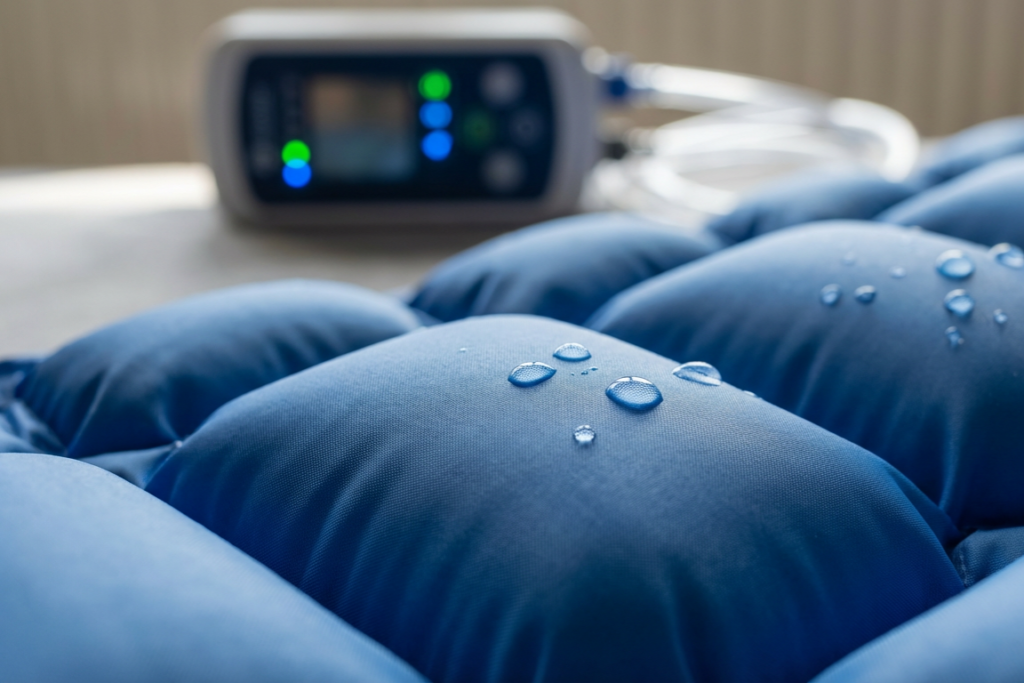
Anti-Decubitus Mattress Fabrics
Specifically engineered for the prevention and care of pressure ulcers (bedsores). This fabric series provides a reliable waterproof barrier while remaining breathable, featuring soft and low-noise characteristics to significantly enhance comfort for long-term bedridden patients.
Waterproof
Soft & Quiet
Skin-Friendly
Typical Application: Alternating Pressure Mattresses, Medical Wheelchair Cushions
Biocompatible Fabrics
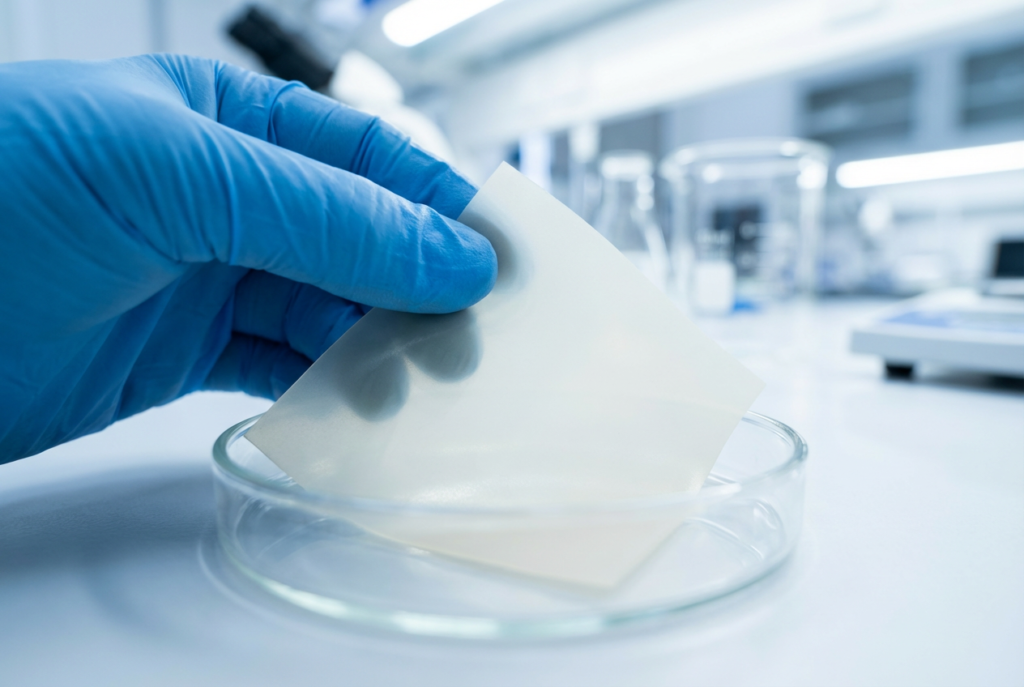
This fabric series has undergone rigorous biocompatibility testing (e.g., ISO 10993) to ensure it causes no cytotoxicity, sensitization, or irritation when in direct contact with human skin or tissue, serving as a cornerstone for high-grade medical devices.
ISO 10993 Certified
Cytotoxicity-Free
Non-Sensitizing
Typical Application: Direct Skin-Contact Devices
Medical Inflatable Fabrics
Developed for inflatable medical devices requiring precise pressure control and high cycle life. This fabric series offers excellent airtightness and fatigue resistance, and can be RF welded to form reliable, leak-proof chambers.
Excellent Air Retention
High Cycle Durability
HF Weldable
Typical Application: Blood Pressure Cuffs, DVT Compression Sleeves, Orthopedic Inflatable Boots
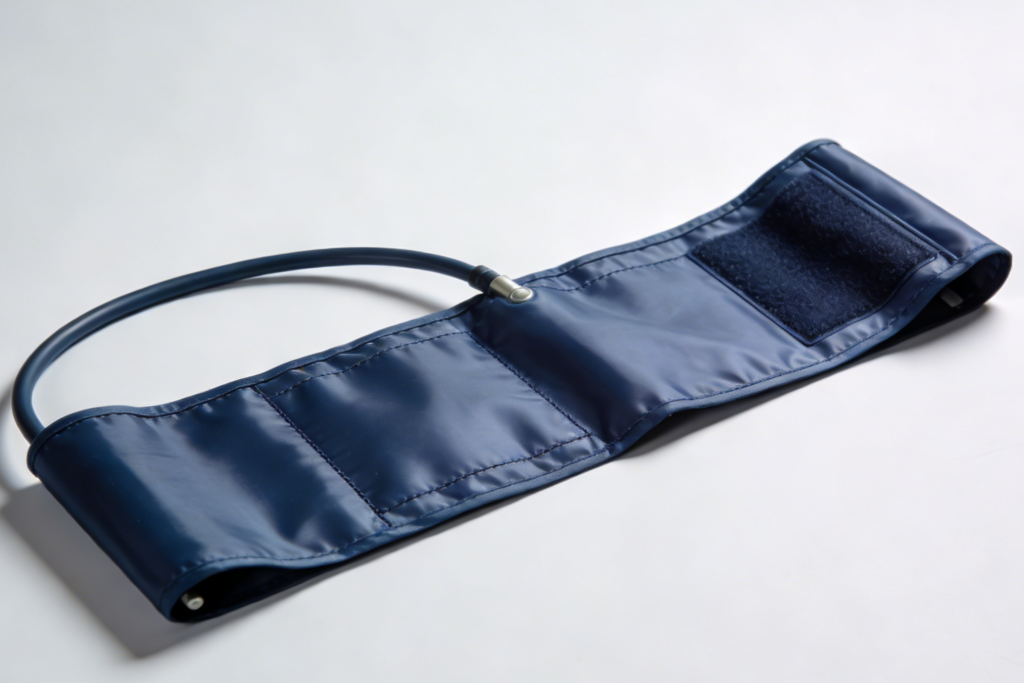
Medical TPU fabric is usually built from lightweight nylon (such as 70D or 210D) combined with a TPU coating layer. On paper, it sounds simple, but in real applications this structure solves several practical problems at once.
The nylon base provides strength without adding bulk. The TPU coating handles sealing, flexibility, and surface safety. Together, they create a material that can be used in both disposable medical products and reusable hospital-grade equipment.
What makes it widely adopted is not complexity, but consistency:
For anything that touches the human body directly, material stability becomes more important than mechanical strength alone. This is where biocompatible TPU fabric is widely used.
Materials in this category are generally tested under ISO 10993 medical standards, covering cytotoxicity, skin irritation, and sensitization.
In practical terms, this means:
Typical applications include medical pads, rehabilitation support surfaces, patient positioning components, and other direct-contact healthcare products where comfort and safety both matter.
Pressure ulcer prevention products rely heavily on material behavior, not just design structure. Anti-decubitus mattress TPU fabric is used in alternating pressure mattress systems where air chambers need to stay stable over long periods.
In daily hospital use, this type of material is expected to:
It is commonly used in hospital beds, nursing care mattresses, and wheelchair cushion systems where patient comfort is directly linked to recovery quality.
Many rehabilitation and therapy devices depend on controlled inflation. In these cases, material fatigue becomes a key concern.
Medical inflatable TPU fabrics are designed to handle repeated air pressure changes without leakage or deformation issues.
Common performance focus includes:
You’ll find this material in blood pressure cuffs, DVT compression sleeves, orthopedic support boots, and rehabilitation equipment where precision pressure control is required.
The shift toward TPU in healthcare is not driven by trend, but by practical limitations of older materials.
Compared with PVC:
Compared with latex:
In short, TPU medical fabrics reduce uncertainty in environments where consistency matters more than anything else.
Instead of being limited to one product type, medical TPU fabrics are now used across multiple healthcare segments:
Each use case may look different, but the requirement is the same: stable, safe, and repeatable performance.
In real procurement or product development, selection usually comes down to a few practical questions:
Different answers lead to different TPU fabric structures, coatings, and base materials.
Medical TPU Fabrics are widely used because they solve a simple but important problem: making medical products safer and more stable in real-world conditions. From biocompatible TPU fabric for skin-contact devices to inflatable medical TPU fabric for therapy systems, the material is designed to behave consistently under pressure, time, and repeated use.
In modern healthcare manufacturing, that kind of predictability is often more valuable than any single performance metric.