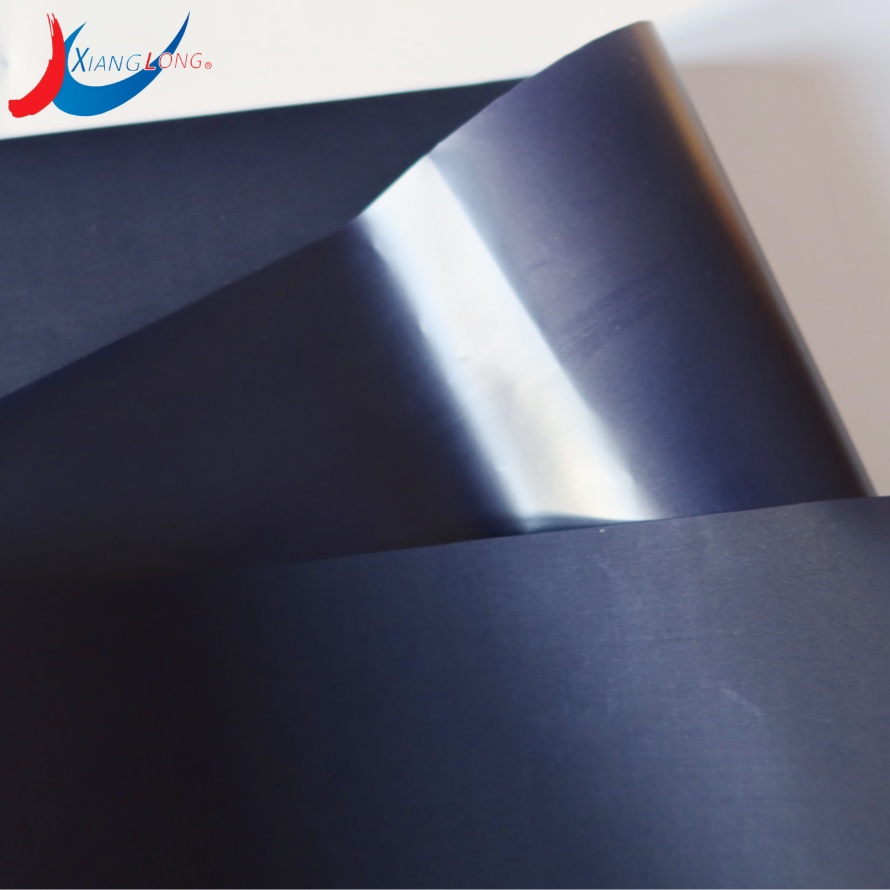
Lo que realmente significa la tela médica de TPU en la práctica
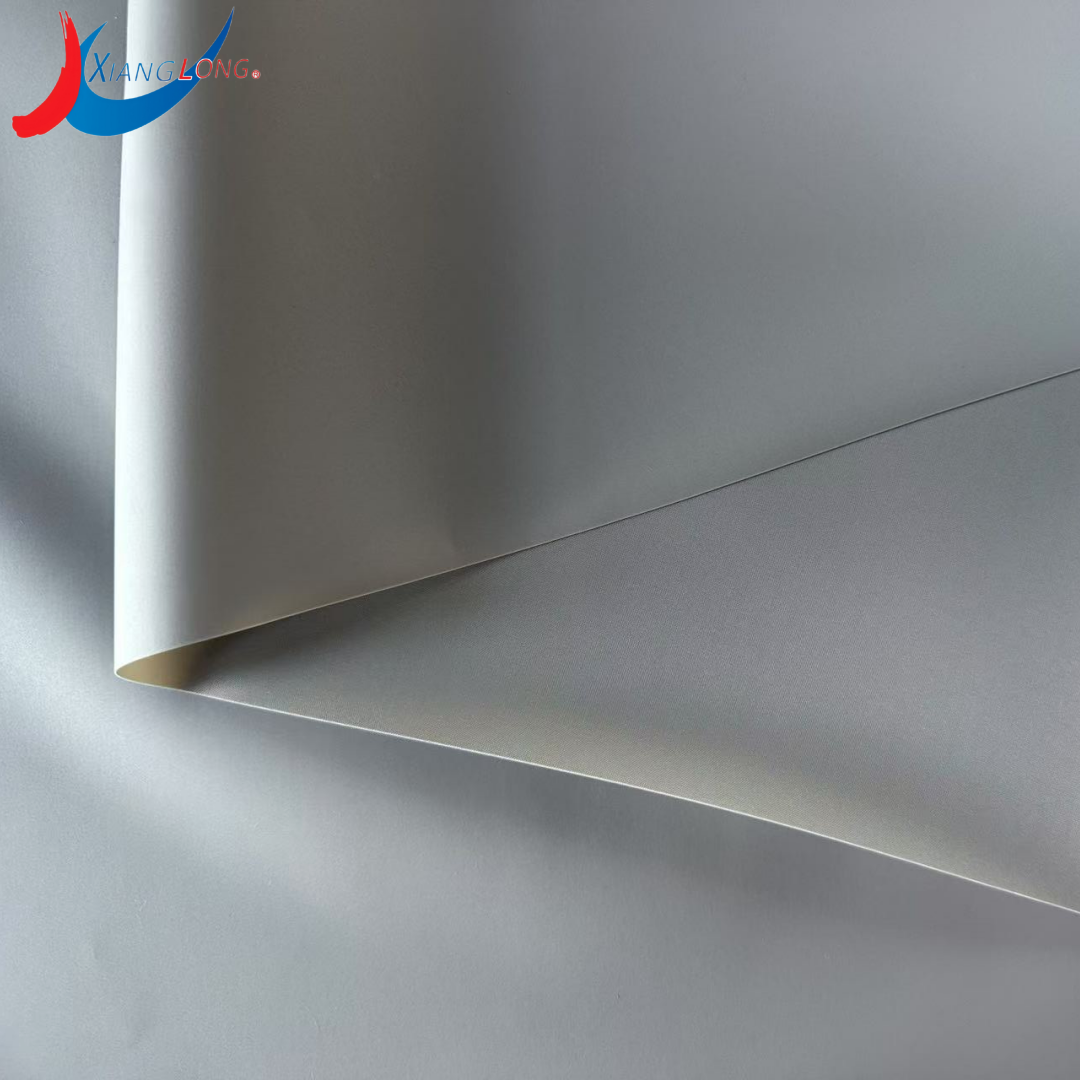
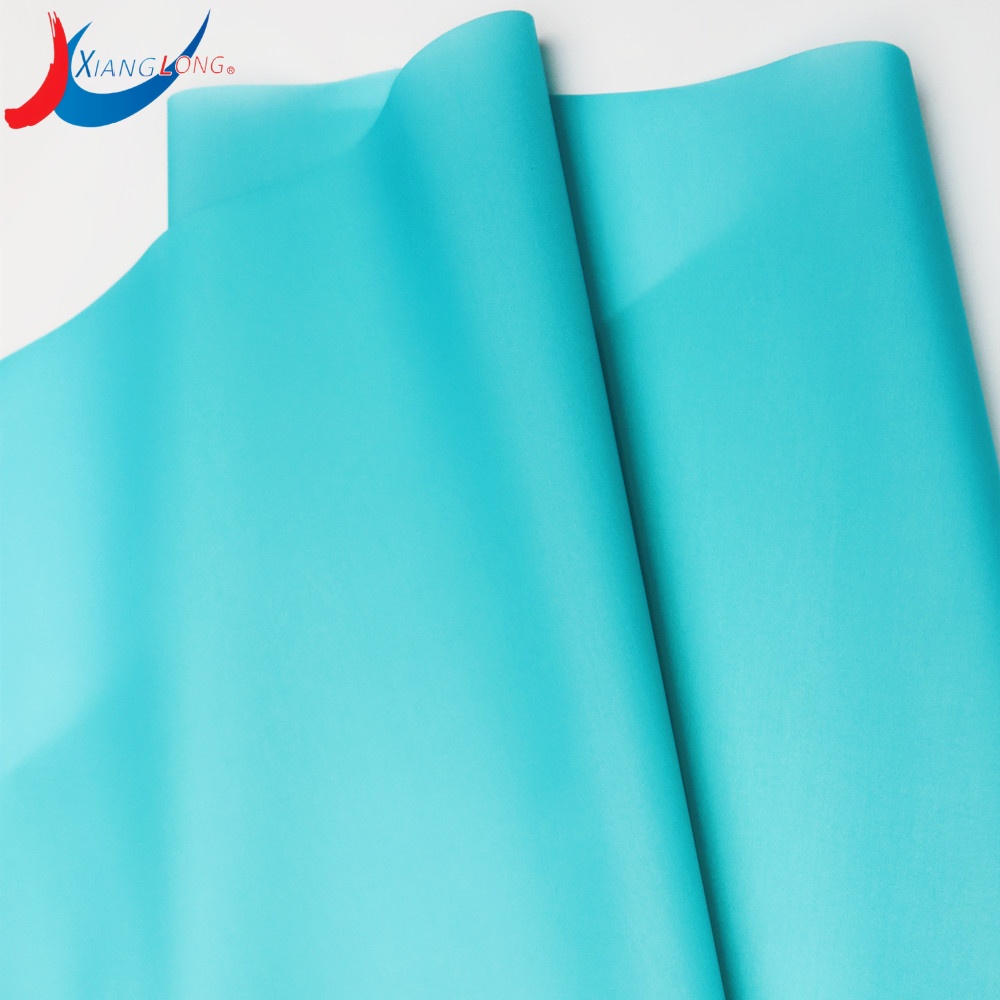
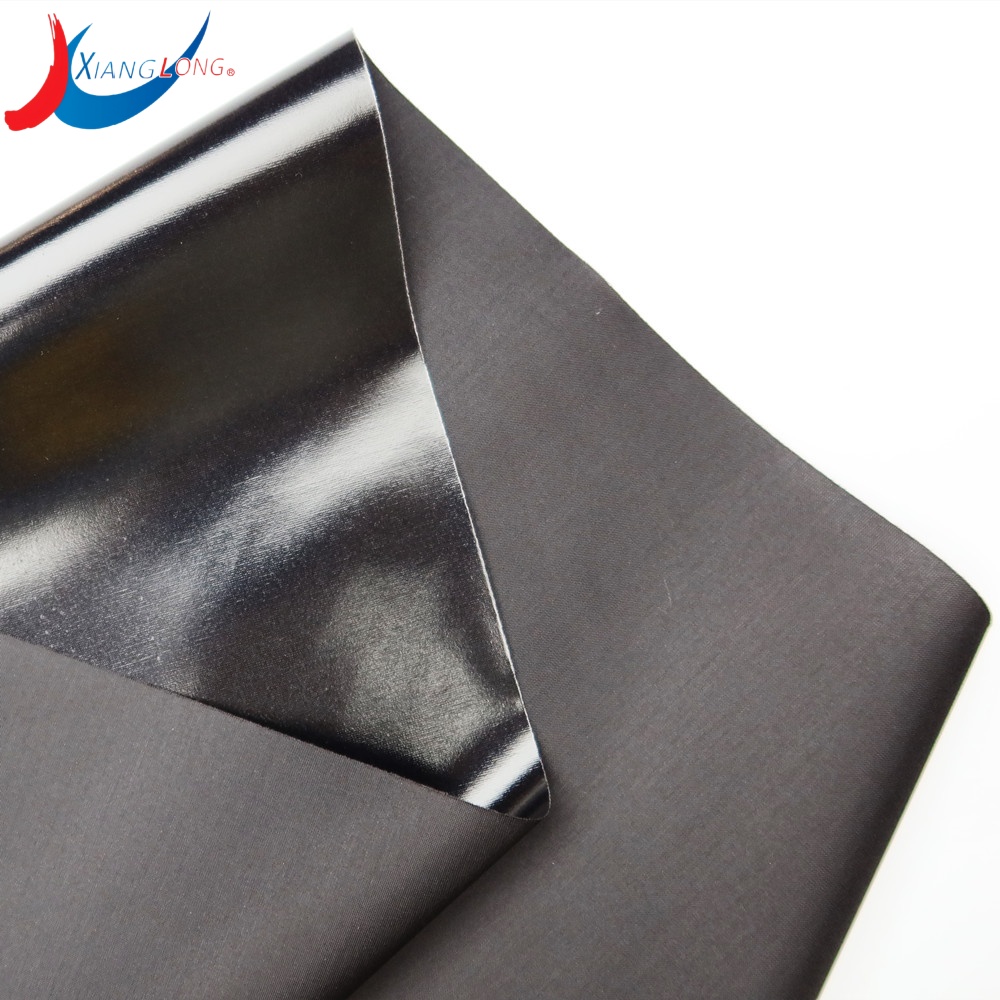
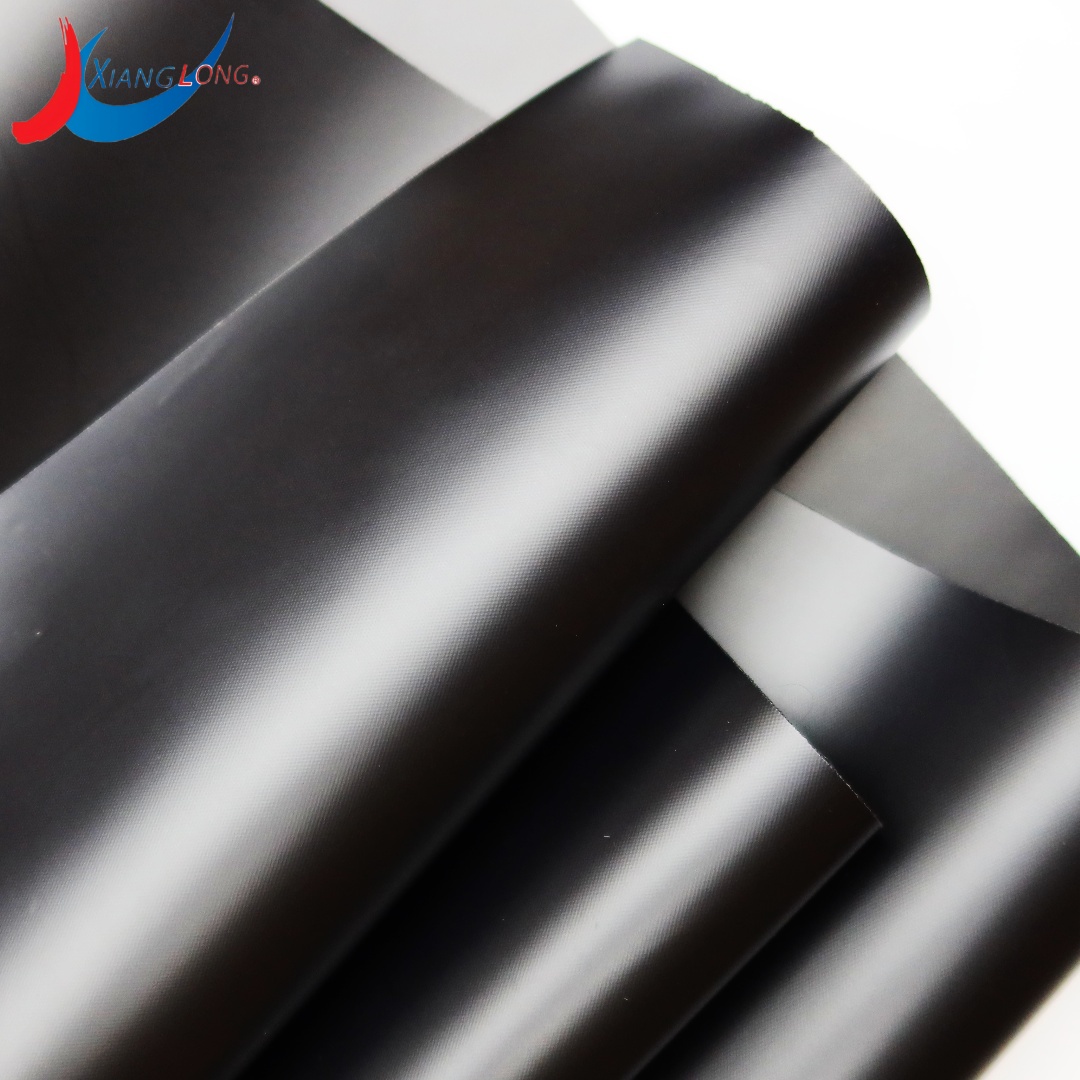
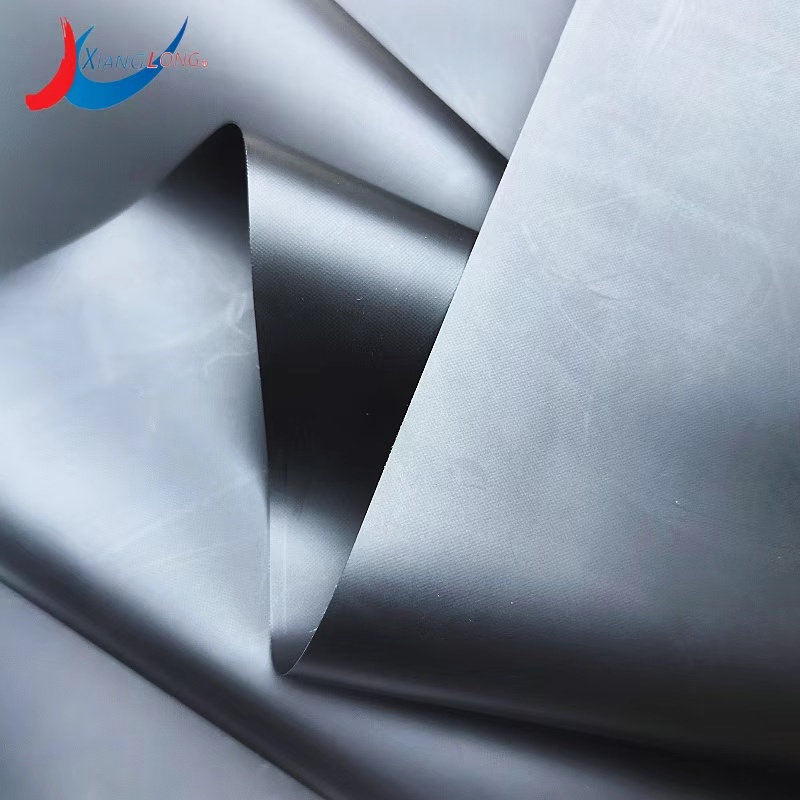
La tela médica de TPU suele estar fabricada con nylon ligero (como 70D o 210D) combinado con una capa de recubrimiento de TPU. En teoría suena sencillo, pero en aplicaciones reales esta estructura resuelve varios problemas prácticos a la vez.
La base de nylon proporciona resistencia sin añadir volumen. El recubrimiento de TPU gestiona el sellado, la flexibilidad y la seguridad de la superficie. Juntos, crean un material que puede utilizarse tanto en productos médicos desechables como en equipos reutilizables de grado hospitalario.
Lo que hace que sea ampliamente adoptado no es la complejidad, sino la consistencia:
- rendimiento estable bajo inflación y deflación repetidas
- comportamiento de sellado predecible durante soldadura por RF o calor
- sensación controlada en la superficie para aplicaciones de contacto con el paciente
Tela de TPU biocompatible para uso en contacto con la piel
Para cualquier cosa que toque directamente el cuerpo humano, la estabilidad del material se vuelve más importante que solo la resistencia mecánica. Es aquí donde la tela de TPU biocompatible es ampliamente utilizada.
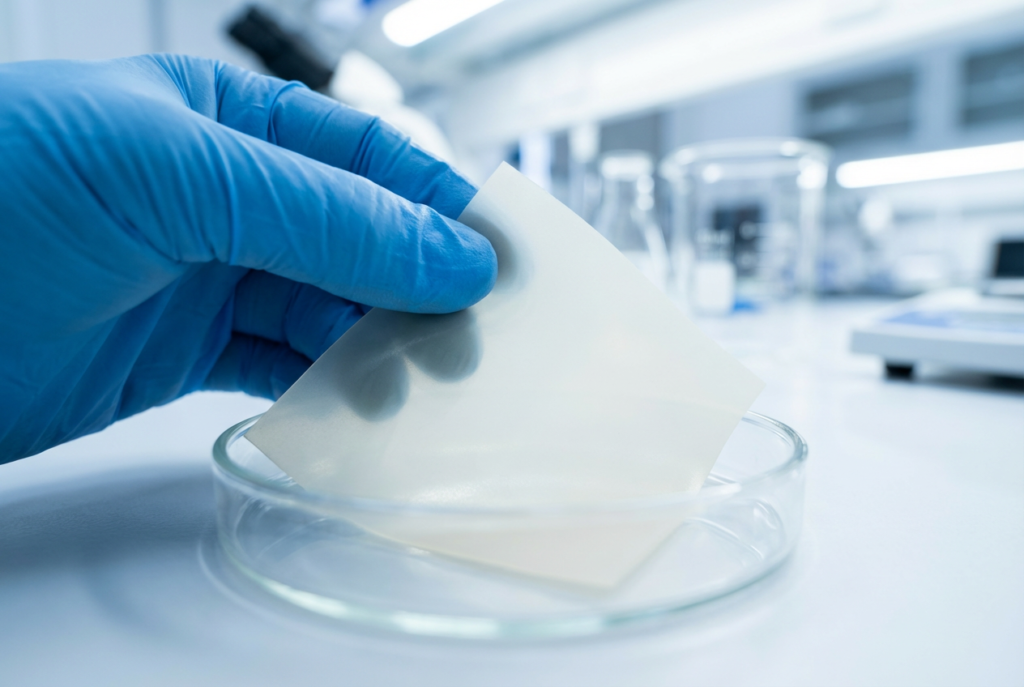
Los materiales de esta categoría generalmente se prueban según las normas médicas ISO 10993, cubriendo citotoxicidad, irritación cutánea y sensibilización.
En términos prácticos, esto significa:
- contacto seguro con la piel a largo plazo sin irritación
- bajo riesgo de reacción alérgica en comparación con materiales de látex
- estabilidad química constante durante los ciclos de esterilización
Las aplicaciones típicas incluyen almohadillas médicas, superficies de apoyo para rehabilitación, componentes para posicionamiento de pacientes y otros productos sanitarios de contacto directo donde tanto la comodidad como la seguridad son importantes.
Tela de TPU para colchones antiescaras
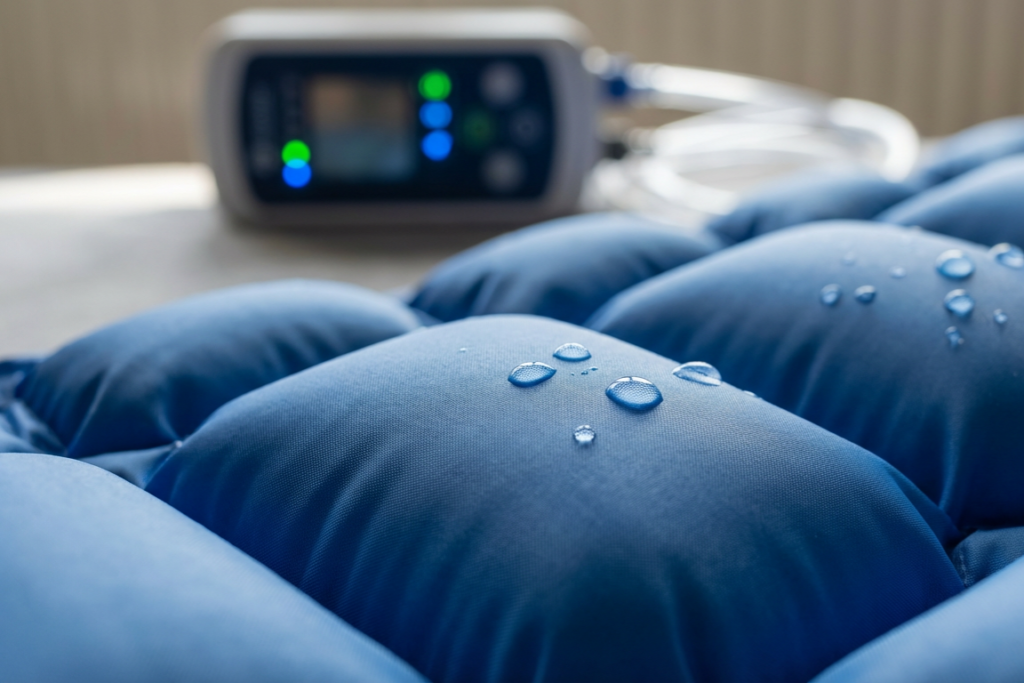
Los productos para la prevención de úlceras por presión dependen en gran medida del comportamiento del material, no solo de la estructura de diseño. La tela de TPU para colchones antiescaras se utiliza en sistemas de colchones de presión alternativa donde las cámaras de aire deben mantenerse estables durante períodos prolongados.
En el uso diario en hospitales, se espera que este tipo de material:
- mantenga un rendimiento hermético durante ciclos continuos
- proporcione una superficie suave y silenciosa para pacientes encamados
- actúe como barrera impermeable para el control de la higiene
- permanezca estable incluso después de ciclos prolongados de compresión y recuperación
Se utiliza comúnmente en camas hospitalarias, colchones para cuidados enfermeros y sistemas de cojines para sillas de ruedas, donde la comodidad del paciente está directamente relacionada con la calidad de la recuperación.
Sistemas médicos de telas inflables de TPU
Muchos dispositivos de rehabilitación y terapia dependen de una inflación controlada. En estos casos, la fatiga del material se convierte en una preocupación clave.
Las telas médicas inflables de TPU están diseñadas para soportar cambios repetidos de presión de aire sin fugas ni deformaciones.
El enfoque común de rendimiento incluye:
- retención estable de aire durante ciclos prolongados de uso
- sellado confiable para estructuras inflables de múltiples cámaras
- compatibilidad con soldadura por RF para una construcción hermética
- elasticidad constante para dispositivos de terapia basados en presión
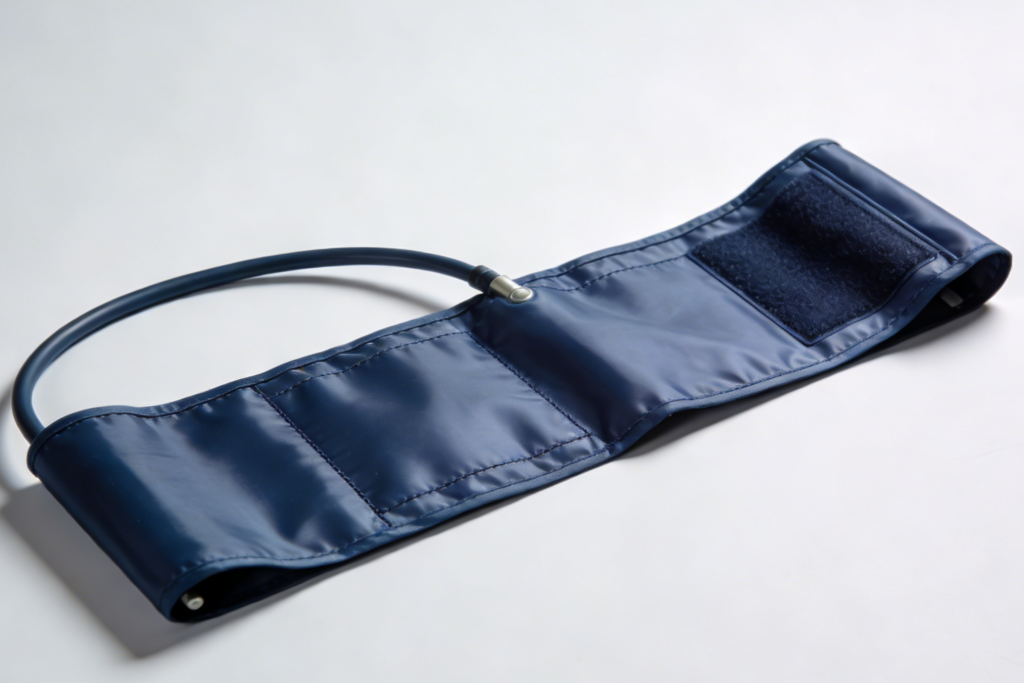
Encontrará este material en manguitos para presión arterial, mangas de compresión para TVP, botas ortopédicas de soporte y equipos de rehabilitación donde se requiere un control preciso de la presión.
Por qué el TPU reemplaza al látex y al PVC en usos médicos
El cambio hacia el TPU en la atención médica no está impulsado por tendencias, sino por limitaciones prácticas de materiales más antiguos.
En comparación con el PVC:
- sin preocupaciones por la migración de plastificantes
- mejor estabilidad frente al envejecimiento a largo plazo
- comportamiento mecánico más consistente con el tiempo
En comparación con el látex:
- riesgo significativamente menor de alergias
- composición química más estable
- mejor compatibilidad con procesos modernos de esterilización
En resumen, las telas médicas de TPU reducen la incertidumbre en entornos donde la consistencia importa más que cualquier otra cosa.
Dónde se utilizan comúnmente las telas médicas de TPU
En lugar de limitarse a un solo tipo de producto, las telas médicas de TPU ahora se utilizan en múltiples segmentos de la atención médica:
- sistemas de atención a pacientes en hospitales
- dispositivos de rehabilitación y fisioterapia
- productos médicos inflables de soporte
- equipos para cuidados domiciliarios y atención a ancianos
- componentes de dispositivos diagnósticos que requieren sellado flexible
Cada caso de uso puede parecer diferente, pero el requisito es el mismo: rendimiento estable, seguro y repetible.
Consideraciones prácticas para la selección
En la adquisición real o en el desarrollo de productos, la selección suele reducirse a unas pocas preguntas prácticas:
- ¿El producto requiere contacto directo con la piel?
- ¿Cuántos ciclos de inflación soportará?
- ¿Es crítica la estabilidad de sellado a largo plazo?
- ¿Estará expuesto a agentes de limpieza o esterilización?
- ¿Es prioritaria la comodidad o la resistencia estructural?
Diferentes respuestas conducen a diferentes estructuras, recubrimientos y materiales base de telas de TPU.
Las telas médicas de TPU son ampliamente utilizadas porque resuelven un problema simple pero importante: hacer que los productos médicos sean más seguros y estables en condiciones reales. Desde telas de TPU biocompatibles para dispositivos de contacto con la piel hasta telas médicas inflables de TPU para sistemas de terapia, el material está diseñado para comportarse de manera consistente bajo presión, tiempo y uso repetido.
En la fabricación moderna de productos sanitarios, ese tipo de predictibilidad suele ser más valiosa que cualquier métrica de rendimiento individual.