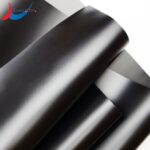










Tejidos médicos de TPU desempeñan un papel vital en entornos de atención médica. Estos tejidos ofrecen biocompatibilidad, lo que previene reacciones perjudiciales y cumple con las estrictas normas ISO 10993. Los tejidos médicos de TPU mantienen su estructura durante la limpieza y en condiciones húmedas, lo que respalda la confiabilidad de los dispositivos. La alta resistencia a la flexión y a la abrasión hace que los tejidos médicos de TPU sean duraderos para usos dinámicos. La compatibilidad con métodos de esterilización permite que los tejidos médicos de TPU sigan siendo efectivos tras tratamientos repetidos. Estas cualidades únicas distinguen a los tejidos médicos de TPU de otros materiales, haciéndolos indispensables para la seguridad del paciente y el rendimiento de los dispositivos.
- Los tejidos médicos de TPU son biocompatibles, garantizando la seguridad para los pacientes al prevenir reacciones perjudiciales con la piel y los tejidos.
- Estos tejidos ofrecen una excelente resistencia mecánica y durabilidad, lo que los hace confiables para uso repetido en dispositivos médicos.
- Los tejidos de TPU resisten la hidrólisis y los productos químicos, manteniendo su eficacia incluso después de múltiples ciclos de esterilización.
- La flexibilidad y elasticidad del TPU le permiten adaptarse a los movimientos corporales, mejorando el confort en dispositivos médicos wearables.
- La dureza y procesabilidad personalizables hacen que el TPU sea versátil para diversas aplicaciones médicas, desde tubos hasta cubiertas protectoras.
- Los tejidos de TPU apoyan el control de infecciones con propiedades antibacterianas, reduciendo el riesgo de infecciones en entornos de salud.
- La sostenibilidad es un foco creciente, con opciones de TPU ecológico disponibles que no contienen aditivos dañinos.
- A pesar de sus ventajas, los tejidos de TPU pueden enfrentar desafíos como costos y problemas en la cadena de suministro, que los proveedores de atención médica deben considerar.
Propiedades clave de los tejidos médicos de TPU
Biocompatibilidad y seguridad
Las películas médicas de TPU se destacan por su biocompatibilidad, lo que significa que no causan reacciones perjudiciales al entrar en contacto con tejidos humanos. Esta propiedad es esencial para cualquier material utilizado en dispositivos médicos o entornos hospitalarios. El poliuretano termoplástico biocompatible apoya la seguridad del paciente al reducir el riesgo de alergias, inflamación o toxicidad. Investigadores han desarrollado películas de TPU suaves, sin plastificantes y con bajas calificaciones de dureza Shore, lo que mejora aún más su idoneidad para aplicaciones sensibles. Estas películas de TPU también muestran alta elasticidad y propiedades hidrofóbicas, lo que las hace ideales para contacto directo con la piel.
La siguiente tabla resume los hallazgos de estudios científicos sobre la biocompatibilidad de las películas de TPU en uso clínico:
| Aspecto evaluado | Hallazgos |
|---|---|
| Comportamiento ante el envejecimiento | Evaluadas bajo condiciones oxidativas e hidrolíticas durante tres meses, simulando 45 meses in vivo. |
| Propiedades mecánicas | Permanecieron dentro de rangos clínicamente aceptables a pesar de los cambios químicos. |
| Cambios químicos | Se observó escisión menor de cadenas y migración de aditivos, pero en general se mantuvo la estabilidad. |
Estas propiedades aseguran que las películas de TPU mantengan su integridad y seguridad incluso después de un uso prolongado y limpiezas repetidas. Sus propiedades óptimas de procesamiento y adherencia también las convierten en una opción preferida para fabricantes de dispositivos médicos.
Resistencia mecánica y durabilidad
Las películas de TPU ofrecen una resistencia mecánica y durabilidad excepcionales, fundamentales para aplicaciones médicas que requieren uso repetido y exposición a estrés. La flexibilidad y durabilidad del poliuretano termoplástico le permiten soportar estiramientos, dobleces y compresiones sin perder su forma ni función. Esta resistencia asegura que los dispositivos médicos permanezcan confiables durante toda su vida útil prevista.
La siguiente tabla compara la resistencia a la tracción y la elongación a la rotura de las películas de TPU con otros polímeros comunes utilizados en la atención médica:
| Tipo de material | Resistencia a la tracción (MPa) | Elongación a la rotura (%) |
|---|---|---|
| Tpu médico | 46.7 | 702 |
| Muestra 1 | 31.3 | 591 |
| Muestra 2 | 38.7 | 631 |
| Muestra 3 | 41,5 – 46,7 | 688 – 702 |
Estos valores demuestran que las películas de TPU superan a muchos otros materiales tanto en resistencia como en flexibilidad. La amplia gama de propiedades mecánicas permite que las películas de TPU se adapten a diversos usos médicos, desde tubos flexibles hasta cubiertas protectoras. La excelente biestabilidad asegura que estas películas conserven su rendimiento a lo largo del tiempo, incluso en condiciones desafiantes.

Resistencia hidrolítica y química
La resistencia hidrolítica es una propiedad clave para las películas de TPU utilizadas en la atención médica. Los entornos médicos suelen exponer los materiales a humedad, fluidos corporales y limpiezas frecuentes. Las películas de TPU resisten mejor la hidrólisis que muchos otros polímeros, lo que les ayuda a mantener su impermeabilidad y evitar la formación de olores. Esta propiedad es especialmente importante para productos como fundas de colchones, apósitos para heridas y tubos médicos.
El poliuretano (PU) tiene la peor estabilidad hidrolítica en comparación con el polietileno (PE) y la silicona. Con el tiempo, los recubrimientos de PU reaccionan con la humedad, provocando hidrólisis, lo que resulta en pérdida de impermeabilidad y desarrollo de olores desagradables. En cambio, los recubrimientos de PE presentan gran estabilidad hidrolítica y son mucho menos propensos a hidrolizarse, incluso bajo exposición prolongada a la humedad.
Las películas de TPU también ofrecen buena resistencia química, lo que significa que pueden soportar la exposición a muchos agentes de limpieza y desinfectantes utilizados en hospitales. La siguiente tabla compara la resistencia química de las películas de TPU con la silicona y el PVC:
| Material | Resistencia química | Notas |
|---|---|---|
| TPU | Buena | No tan fuerte como la silicona |
| Silicona | Mejor | Superior resistencia a muchos productos químicos |
| PVC | Moderada | No abordada específicamente en entornos médicos |
Aunque las películas de TPU no igualan la resistencia química de la silicona, aún ofrecen protección confiable en la mayoría de los entornos de atención médica. Su resistencia a los productos químicos asegura que los dispositivos y superficies hechos con películas de TPU permanezcan seguros y efectivos tras limpiezas y esterilizaciones repetidas.
Elasticidad y flexibilidad
La elasticidad y la flexibilidad definen el rendimiento de las películas de TPU en entornos médicos. Estas propiedades permiten que las películas de TPU se estiren y vuelvan a su forma original sin dañarse. Los profesionales médicos confían en materiales flexibles para dispositivos que deben adaptarse al cuerpo o moverse con los pacientes. Los dispositivos médicos wearables se benefician de las películas de TPU porque ofrecen comodidad y mantienen un contacto cercano con la piel. Este contacto mejora la precisión de la recopilación de datos fisiológicos.
- Los sensores de deformación flexibles fabricados con películas de TPU logran una alta sensibilidad y capacidad de respuesta, lo cual es esencial para la monitorización sanitaria.
- La capacidad de estiramiento de las películas de TPU permite que los sensores se integren perfectamente, mejorando la comodidad del paciente y la fiabilidad del dispositivo.
- La durabilidad asegura que los dispositivos wearables duren más tiempo, reduciendo la necesidad de reemplazos frecuentes.
La elasticidad también apoya el desarrollo de tubos médicos, apósitos para heridas y cubiertas protectoras. Estos productos deben soportar dobladuras y estiramientos repetidos durante su uso. La flexibilidad de las películas de TPU las hace adecuadas para aplicaciones dinámicas, como la prevención de úlceras por presión y ayudas a la movilidad del paciente.
Dureza y procesabilidad personalizables
Los fabricantes valoran las películas de TPU por su dureza y procesabilidad personalizables. Estos materiales pueden adaptarse para cumplir requisitos específicos de suavidad o rigidez. El equipo médico suele exigir propiedades mecánicas precisas para garantizar seguridad y confort. Las telas compuestas de TPU personalizables se combinan con materiales como malla y nailon, mejorando su rendimiento para dispositivos especializados.
- Las características impermeables, herméticas y resistentes a la abrasión hacen que las películas de TPU sean ideales para equipos médicos.
- La superioridad en elasticidad y durabilidad frente al PVC respalda aplicaciones de alto rendimiento.
- El rendimiento mecánico asegura que los dispositivos soporten un uso riguroso mientras mantienen la comodidad del paciente.
La procesabilidad permite que las películas de TPU se adapten a diversas técnicas de fabricación. Los diseñadores de dispositivos médicos pueden moldear, extruir o laminar películas de TPU para crear productos con formas y funciones únicas. Esta versatilidad apoya la innovación en tecnología sanitaria.
Resistencia a UV y a la intemperie
La resistencia a UV y a la intemperie desempeña un papel crucial en la longevidad de las películas de TPU utilizadas en entornos sanitarios al aire libre. Los hospitales de campaña y las tiendas de emergencia requieren materiales que soporten condiciones ambientales adversas. La exposición constante a los rayos UV puede deteriorar las telas, comprometiendo su integridad estructural. La durabilidad de las películas de TPU asegura que las tiendas y cubiertas médicas sigan siendo fiables durante un uso prolongado.
La siguiente tabla resume los resultados de laboratorio sobre resistencia a UV y a la intemperie en películas de TPU médicas:
| Tipo de prueba | Norma | Método |
|---|---|---|
| Resistencia a los rayos UV | ISO 4892-2 | Cámara de envejecimiento con lámpara de xenón |
| Resistencia a la intemperie y al ozono | ISO 4892-2 | Placas de prueba moldeadas por inyección (2 mm de espesor); el TPU muestra muy buena resistencia al ozono |
La tela para tiendas TPU 1001 PFR resiste una alta exposición a los rayos UV, lo cual es vital para entornos de emergencia. Los profesionales médicos dependen de las películas de TPU para proteger a pacientes y equipos de riesgos ambientales. La resistencia a los rayos UV contribuye a la longevidad de los productos médicos, reduciendo costos de mantenimiento y reemplazo.
Principales beneficios del TPU en la atención médica
Mayor seguridad para el paciente
Las telas médicas de TPU ofrecen varias ventajas que mejoran directamente la seguridad del paciente. Hospitales y clínicas confían en productos médicos esenciales que reducen riesgos de infección y favorecen la curación. Las telas de TPU poseen propiedades antibacterianas, lo que ayuda a disminuir el riesgo de infecciones en entornos médicos. Investigadores han desarrollado películas de TPU con nanopartículas de plata que muestran una fuerte actividad antibacteriana contra bacterias comunes. Otros estudios destacan compuestos de TPU con quitosano, que mejoran el rendimiento antibacteriano en comparación con el TPU estándar. Estas innovaciones hacen del TPU un material preferido para superficies de dispositivos médicos, apósitos para heridas y envases médicos.
Los profesionales sanitarios valoran el TPU por su biocompatibilidad. Esta propiedad asegura que el TPU no cause reacciones alérgicas ni toxicidad al entrar en contacto con la piel o los tejidos. Los pacientes se benefician de productos sanitarios más seguros, especialmente aquellos utilizados en aplicaciones médicas sensibles. Entre los principales beneficios del TPU se encuentran su capacidad para mantener un ambiente estéril y apoyar la recuperación del paciente.
- La actividad antibacteriana reduce los riesgos de infección.
- La biocompatibilidad favorece un contacto seguro con la piel y los tejidos.
- Mayor seguridad para productos médicos esenciales y superficies de dispositivos médicos.
Rendimiento y longevidad de los dispositivos
Las telas de TPU contribuyen a la durabilidad y fiabilidad de los dispositivos médicos. Los hospitales requieren equipos médicos que soporten un uso y limpieza repetidos. El TPU ofrece resistencia mecánica y flexibilidad, lo que ayuda a los dispositivos a mantener su forma y función a lo largo del tiempo. Las aplicaciones médicas exigen materiales que resistan desgaste, estiramiento y flexión. El TPU cumple con estos requisitos, siendo ideal para tuberías, cubiertas protectoras y otros productos médicos esenciales.
Estudios que comparan el TPU con PVC y silicona muestran que el TPU generalmente tiene menores impactos ambientales. El TPU y los elastómeros basados en poliolefina son más sostenibles, pero pueden ser más costosos y ofrecer ratios beneficio-costo inferiores. El PVC, aunque menos ecológico, proporciona mayores ventajas económicas y durabilidad. Sin embargo, el TPU destaca por su rendimiento en aplicaciones médicas que requieren resistencia y biocompatibilidad. Los fabricantes de dispositivos médicos eligen el TPU para productos que deben durar más y funcionar de manera confiable.
El TPU apoya la longevidad de los diseños de dispositivos médicos. Su resistencia a la hidrólisis y a los químicos asegura que los dispositivos permanezcan eficaces tras múltiples limpiezas y esterilizaciones. Los hospitales se benefician de la reducción de costos de mantenimiento y reemplazo, lo que mejora la atención al paciente y la eficiencia operativa.
Versatilidad en aplicaciones sanitarias
Las telas de TPU ofrecen una versatilidad inigualable en productos sanitarios. Diseñadores e ingenieros utilizan el TPU para crear una amplia gama de productos médicos esenciales, desde tubos flexibles hasta envases médicos avanzados. La adaptabilidad del TPU apoya la innovación en nuevos diseños de dispositivos médicos. Las aplicaciones médicas suelen requerir materiales que puedan estirarse, doblarse y volver a su forma original. El TPU aporta flexibilidad y durabilidad, cruciales para dispositivos que deben soportar movimientos repetidos.
Los diseñadores de dispositivos médicos aprecian el TPU por su capacidad de escalar para personalización. Adaptan el TPU para un rendimiento optimizado, permitiendo diseños innovadores en dispositivos médicos. El TPU sirve como alternativa termoplástica a la silicona, permitiendo diseños de paredes más finas y favoreciendo la miniaturización y flexibilidad.
Los profesionales sanitarios confían en el TPU para productos que interactúan directamente con el cuerpo. Ciertas calidades de TPU son biocompatibles, haciéndolas seguras para implantes y dispositivos que requieren contacto directo con el cuerpo humano. Los hospitales usan TPU en productos médicos esenciales como apósitos para heridas, cubiertas protectoras y envases médicos. Entre los beneficios del TPU se encuentra su capacidad para apoyar nuevas aplicaciones médicas y mejorar la comodidad del paciente.
- La flexibilidad y la durabilidad apoyan diseños dinámicos de dispositivos médicos.
- Propiedades personalizables permiten la innovación en productos médicos esenciales.
- La biocompatibilidad asegura la seguridad en aplicaciones médicas sensibles.
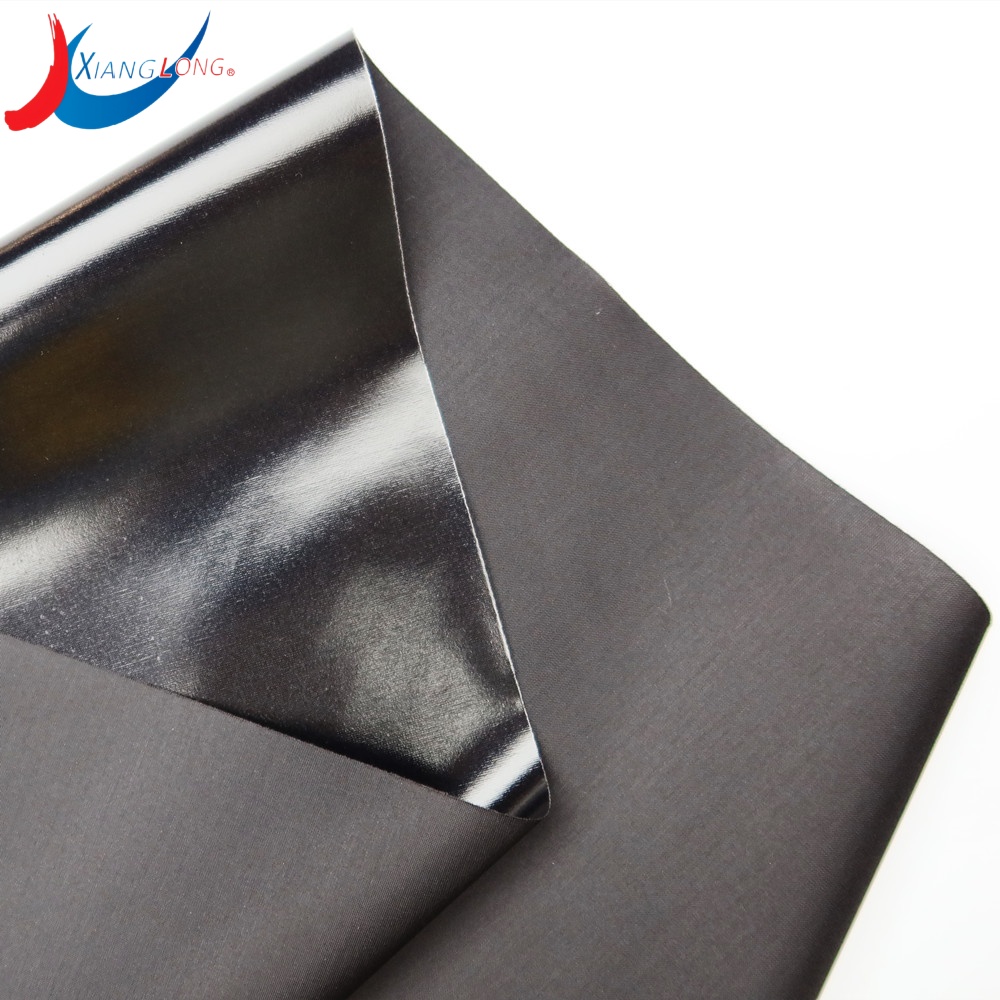
Prevención de úlceras por presión y comodidad
Las telas médicas de TPU desempeñan un papel crucial en la prevención de úlceras por presión y en la mejora de la comodidad del paciente, especialmente en entornos de cuidados a largo plazo. Las úlceras por presión, también conocidas como escaras, se desarrollan cuando los pacientes permanecen en una misma posición durante períodos prolongados. Los hospitales y centros de cuidados utilizan materiales avanzados para reducir este riesgo y mejorar la calidad de vida de los pacientes.
Las telas de TPU ofrecen varias características que apoyan tanto la prevención de úlceras por presión como la comodidad:
- La tela compuesta de Leica de TPU tiene un grosor de 0,08-0,12 mm, lo que proporciona flexibilidad manteniendo al mismo tiempo cualidades protectoras.
- Una capa de fibra Lycra, que constituye el 30%-40% de la tela, aporta un soporte elástico moderado. Esta elasticidad ayuda a distribuir la presión uniformemente sobre la piel.
- La tela interior, con un grosor de 0,15-0,2 mm, mejora la suavidad y comodidad de las superficies que entran en contacto con el cuerpo.
- Una rugosidad superficial de solo 0,2 μm reduce la fricción y minimiza la irritación cutánea, lo cual es esencial para pacientes con piel sensible.
- La tela puede evaporar hasta 250 g de humedad por metro cuadrado por hora. Esta gestión de la humedad mantiene la piel seca y disminuye el riesgo de deterioro cutáneo.
- Un coeficiente de resistencia térmica de 0,028 m²·K/W y una conductividad térmica de 0,04 W/m·K ayudan a regular la temperatura, haciendo que la tela sea adecuada para uso prolongado.
Estas propiedades hacen que las telas de TPU sean una excelente opción para colchones antipresión y ropa de cama hospitalaria. Los pacientes experimentan menos molestias y menos complicaciones, lo que lleva a mejores resultados en la recuperación y atención a largo plazo.
Fácil limpieza y esterilización
Los hospitales y clínicas requieren materiales que respalden estándares estrictos de higiene. Las telas médicas de TPU satisfacen estas necesidades al ofrecer superficies fáciles de limpiar y esterilizar. Los trabajadores de la salud pueden desinfectar rápidamente los productos a base de TPU, lo que ayuda a mantener un entorno seguro tanto para pacientes como para personal.
Las telas de TPU son preferidas en aplicaciones médicas, como batas quirúrgicas y trajes protectores, debido a sus propiedades antibacterianas. Estudios demuestran que, incluso después de 20 ciclos de desinfección a alta temperatura, estas telas conservan más del 99,91% de su eficacia antibacteriana. Esta durabilidad asegura que las telas de TPU sigan siendo confiables y seguras, incluso tras repetidos procedimientos de limpieza y esterilización.
La capacidad de soportar métodos de limpieza agresivos sin perder sus cualidades protectoras hace que las telas de TPU sean un material preferido para productos médicos reutilizables. Los hospitales se benefician con menores costos de reemplazo y un mejor control de infecciones, mientras que los pacientes reciben atención en un entorno más limpio y seguro.
TPU de grado médico frente a otros materiales
TPU frente a PVC
Los hospitales y clínicas suelen comparar el TPU de grado médico con el PVC al seleccionar materiales para carcasas de dispositivos y componentes médicos. Ambos materiales aparecen en una amplia gama de productos de salud, pero presentan diferencias importantes en seguridad, rendimiento e impacto ambiental.
La siguiente tabla destaca atributos clave:
| Propiedad / Atributo | PVC (Cloruro de polivinilo) | TPU de grado médico |
|---|---|---|
| Biocompatibilidad | Preocupaciones por la posible lixiviación de plastificantes | No tóxico, biocompatible, seguro para contacto repetido |
| Flexibilidad y comodidad | Requiere plastificantes adicionales para flexibilidad | Suave y cómodo, suele reemplazar al PVC |
| Durabilidad | Moderada | Excelente, mantiene su rendimiento tras múltiples usos |
| Resistencia química | Moderada | Excelente, resiste fluidos corporales y microbios |
| Esterilizabilidad | Limitado | Compatible con métodos estándar de esterilización |
| Costo | Bajo | Moderada |
El TPU de grado médico no requiere plastificantes, lo que significa que evita los riesgos para la salud asociados con el PVC. Los plastificantes en el PVC, como el DEHP, pueden lixiviar y representar riesgos para los pacientes, especialmente en uso a largo plazo o en el cuerpo. El TPU de grado médico cumple estándares estrictos como ISO 10993 y USP Clase VI, lo que lo convierte en una opción más segura para aplicaciones sensibles.
Desde una perspectiva ambiental, el TPU de grado médico ofrece ventajas. Es reciclable y no contiene aditivos dañinos a base de cloro. Por otro lado, el PVC presenta desafíos para el reciclaje debido a su contenido de cloro y la necesidad de plastificantes.
Los hospitales eligen el TPU de grado médico para aplicaciones donde la seguridad del paciente y la confiabilidad a largo plazo son lo más importante.
TPU frente a silicona
Tanto el TPU de grado médico como la silicona cumplen roles importantes en la atención médica, pero aportan fortalezas diferentes al diseño de dispositivos médicos. La tabla a continuación compara sus principales ventajas y desventajas:
| Material | Ventajas | Desventajas |
|---|---|---|
| Silicona | Resistencia a altas temperaturas, estabilidad química, higiene | Puede no ser tan rentable como el TPU |
| TPU | Resistencia al desgaste, robustez estructural, rentabilidad | Puede no funcionar bien a altas temperaturas o en exposición a sustancias químicas |
La silicona sobresale en ambientes de alta temperatura y ofrece excelente estabilidad química. Muchos hospitales utilizan silicona para dispositivos que requieren implantación a largo plazo o exposición a sustancias químicas agresivas. El TPU de grado médico destaca por su resistencia al desgaste y rentabilidad. Soporta diseños de paredes más delgadas, lo que ayuda a la miniaturización de dispositivos. Sin embargo, el TPU puede no igualar el rendimiento de la silicona en temperaturas extremas.
Usos complementarios
El TPU de grado médico y la silicona suelen trabajar juntos en dispositivos médicos híbridos. Cada material aporta propiedades únicas que mejoran el producto final. La tabla a continuación muestra cómo se complementan:
| Material | Propiedades | Aplicaciones |
|---|---|---|
| TPU | Mejor biestabilidad, resistencia a la degradación oxidativa e hidrolítica, mantiene suavidad a bajos durometros | Neuromodulación y cables cardíacos, implantes estructurales para el corazón, catéteres percutáneos, textiles implantables |
| Silicona | Suave, adaptable, inerte, excelente resistencia a la fatiga a largo plazo | Tubos de gastrostomía, derivaciones, implantes urológicos |
El TPU de grado médico proporciona resistencia y durabilidad para componentes estructurales. La silicona aporta flexibilidad y adaptabilidad, lo que es importante para la comodidad y el uso a largo plazo. Los diseñadores de dispositivos suelen combinar estos materiales para crear productos que equilibran resistencia, comodidad y seguridad.
- El TPU de grado médico favorece la miniaturización y el rendimiento robusto.
- La silicona garantiza flexibilidad en aplicaciones que requieren contacto suave con los tejidos.
Al utilizar ambos materiales, los fabricantes pueden optimizar cada componente para su rol específico en el dispositivo.
Aplicaciones médicas de las telas de TPU
Dispositivos médicos y tubos
Las telas termoplásticas de poliuretano apoyan una amplia gama de aplicaciones médicas. Los ingenieros utilizan TPU en dispositivos médicos y tubos porque proporciona flexibilidad, durabilidad y biocompatibilidad. Catéteres, sets de infusión y tubos respiratorios dependen del TPU para mantener su integridad estructural durante el uso repetido. El TPU resiste retorcimientos y abrasiones, lo que ayuda a que los dispositivos funcionen de manera confiable. Los hospitales seleccionan tubos de TPU por su capacidad para soportar esterilización y exposición a fluidos corporales. La resistencia hidrolítica del material asegura que los tubos permanezcan seguros y efectivos en ambientes húmedos. Los profesionales médicos confían en el TPU para aplicaciones que requieren tanto comodidad para el paciente como longevidad del dispositivo.
Los tubos de TPU se adaptan a formas complejas y favorecen la miniaturización en aplicaciones médicas modernas. Esta versatilidad permite a los diseñadores crear dispositivos que se ajustan a las necesidades individuales de los pacientes.
Ropa de cama y fundas de colchón para hospitales
Las telas de TPU desempeñan un papel vital en la ropa de cama y fundas de colchón para hospitales. Estos productos deben proteger a los pacientes de humedad, bacterias y alérgenos. El TPU proporciona una barrera impermeable que evita la penetración de líquidos y reduce riesgos de infección. Las fundas de colchón hechas de TPU ayudan a prevenir úlceras por presión distribuyendo el peso de manera uniforme y gestionando la humedad. La elasticidad del material asegura que la ropa de cama sea cómoda y se ajuste bien. Los hospitales se benefician de las propiedades fáciles de limpiar y esterilizar del TPU, que respaldan estándares estrictos de higiene.
La siguiente tabla destaca características clave de las fundas de colchón de TPU:
| Característica | Beneficio |
|---|---|
| Impermeable | Protege contra derrames |
| Transpirable | Mantiene la comodidad del paciente |
| Antibacteriano | Reduce el riesgo de infección |
| Duradero | Resiste limpiezas repetidas |
Las aplicaciones en el cuidado de la salud requieren ropa de cama que apoye la recuperación y seguridad del paciente. Los tejidos TPU cumplen estos requisitos al combinar protección, comodidad y durabilidad.
Ropa protectora y barreras
Los trabajadores de la salud dependen de la ropa protectora y las barreras fabricadas con tejidos TPU. Estas prendas protegen al personal de patógenos, sustancias químicas y fluidos. El TPU proporciona una capa ligera pero robusta que resiste rasgaduras y perforaciones. Los hospitales utilizan TPU en batas, delantales y protectores faciales para garantizar la seguridad durante los procedimientos. La flexibilidad del material permite movimientos cómodos, mientras que su resistencia a desinfectantes soporta un uso repetido.
Las barreras protectoras hechas de TPU ayudan a mantener ambientes estériles en salas de operaciones y salas de aislamiento. La adaptabilidad de los tejidos TPU permite su uso tanto en aplicaciones sanitarias interiores como exteriores.
Las aplicaciones en el cuidado de la salud requieren materiales que equilibren protección y comodidad. Los tejidos TPU ofrecen estas cualidades, haciéndolos esenciales en entornos médicos modernos.
Cuidado de heridas y drapes quirúrgicos
Los profesionales médicos confían en los tejidos TPU para el cuidado de heridas y drapes quirúrgicos. Estos materiales ofrecen ventajas únicas que apoyan la curación del paciente y mantienen ambientes estériles. Los tejidos TPU crean barreras que protegen las heridas de bacterias, humedad y contaminantes. Los hospitales usan apósitos basados en TPU para cubrir incisiones quirúrgicas y heridas crónicas. La biocompatibilidad del material asegura un contacto seguro con la piel y los tejidos.
Los apósitos para heridas de TPU ofrecen flexibilidad y comodidad. Los pacientes experimentan menos irritación porque el tejido se adapta a los movimientos corporales. La elasticidad del TPU permite que los apósitos permanezcan en su lugar sin restringir la movilidad. Muchos productos para el cuidado de heridas cuentan con capas transpirables de TPU que controlan la humedad y favorecen la cicatrización. El control de la humedad previene la maceración y reduce los riesgos de infección.
Los drapes quirúrgicos hechos de tejidos TPU ayudan a mantener campos estériles durante las operaciones. Los cirujanos dependen de estos drapes para bloquear fluidos y patógenos. El TPU crea una barrera impermeable que resiste sangre y otros fluidos corporales. La durabilidad del material asegura que los drapes permanezcan intactos durante los procedimientos. Los hospitales seleccionan drapes de TPU por su capacidad para soportar esterilizaciones repetidas.
Nota: Los drapes quirúrgicos de TPU apoyan el control de infecciones al proporcionar una protección confiable contra contaminantes. Los equipos médicos confían en estos drapes tanto para cirugías menores como mayores.
La siguiente tabla compara los apósitos para heridas de TPU con los apósitos tradicionales de gasa:
| Característica | Apósitos para heridas de TPU | Apósitos tradicionales de gasa |
|---|---|---|
| Impermeable | Sí | No |
| Transpirable | Sí | Limitado |
| Comodidad | Alto | Moderada |
| Control de infecciones | Mejorado | Básico |
| Esterilización | Resiste repetidas | Limitado |
Los tejidos TPU se adaptan a diversas necesidades de cuidado de heridas. Los hospitales los utilizan para quemaduras, úlceras y heridas postquirúrgicas. La transparencia del material permite al personal médico monitorear la curación sin retirar el apósito. Esta característica reduce molestias innecesarias y favorece una recuperación más rápida.
Los equipos quirúrgicos se benefician de los drapes de TPU tanto en entornos médicos interiores como exteriores. Los hospitales de campaña y tiendas de emergencia requieren materiales que resistan el clima y la exposición a rayos UV. Los tejidos TPU mantienen sus cualidades protectoras en ambientes hostiles. Los profesionales médicos valoran la adaptabilidad del TPU tanto para atención rutinaria como de emergencia.
- Los apósitos para heridas de TPU promueven la curación y la comodidad.
- Los drapes quirúrgicos aseguran procedimientos estériles y control de infecciones.
- El material se adapta a diversos entornos sanitarios, apoyando la seguridad del paciente.
Normativas y estándares de seguridad
FDA e Icompliance internacional
Los tejidos TPU de grado médico deben cumplir estrictas normativas antes de ingresar a los mercados sanitarios. Agencias reguladoras como la FDA y organismos internacionales establecen requisitos para garantizar seguridad, calidad y rendimiento. Los fabricantes siguen estas normas para asegurar que los tejidos TPU protejan a pacientes y trabajadores de la salud.
La siguiente tabla resume las principales normas para tejidos TPU médicos:
| Norma | Propósito |
|---|---|
| Aprobación FDA | Garantiza la seguridad para dispositivos médicos y aplicaciones de contacto con alimentos. |
| Certificación USP Clase VI | Confirma la biocompatibilidad para aplicaciones médicas. |
| Serie ISO 10993 | Aborda los requisitos de pruebas de biocompatibilidad. |
| ISO 13485 | Se centra en sistemas de gestión de calidad para dispositivos médicos. |
| ISO 14971 | Proporciona pautas para la gestión de riesgos en dispositivos médicos. |
| ISO 13688 | Garantiza que la ropa protectora sea segura para el contacto con la piel. |
La aprobación de la FDA confirma que los tejidos TPU cumplen las normas de seguridad para dispositivos médicos y contacto con alimentos. La certificación USP Clase VI verifica que el material es adecuado para aplicaciones médicas sensibles. Las normas ISO 13485 e ISO 14971 guían a los fabricantes en la gestión de calidad y evaluación de riesgos. La norma ISO 13688 asegura que la ropa protectora hecha de TPU sea segura para el contacto con la piel. Estas normas ayudan a hospitales y clínicas a confiar en los materiales utilizados en el cuidado de pacientes.
El cumplimiento regulatorio protege a los pacientes y apoya la innovación en el diseño de dispositivos médicos. Los fabricantes que siguen estas normas mejoran la confiabilidad y seguridad de sus productos.
Pruebas de biocompatibilidad
Las pruebas de biocompatibilidad juegan un papel crucial en el proceso de aprobación de los tejidos TPU médicos. Estas pruebas evalúan cómo el material interactúa con tejidos y fluidos humanos. Las agencias reguladoras exigen a los fabricantes realizar una serie de requisitos de pruebas de biocompatibilidad antes de la aprobación comercial.
La siguiente tabla enumera las pruebas estándar de biocompatibilidad para tejidos TPU médicos:
| Tipo de prueba | Referencia estándar |
|---|---|
| Citotoxicidad | Serie ISO 10993 |
| Sensibilización | Serie ISO 10993 |
| Irritación | Serie ISO 10993 |
| Toxicidad sistémica | Serie ISO 10993 |
| Genotoxicidad | Serie ISO 10993 |
| Implantación | Serie ISO 10993 |
| Hemocompatibilidad | Serie ISO 10993 |
Los tejidos médicos de TPU se someten a pruebas de citotoxicidad, sensibilización e irritación. Estas pruebas verifican si el material causa daño celular, reacciones alérgicas o irritación cutánea. Las pruebas de toxicidad sistémica y genotoxicidad evalúan el riesgo de efectos nocivos en todo el cuerpo. Las pruebas de implantación y hemocompatibilidad evalúan cómo se comporta el TPU cuando se coloca dentro del cuerpo o en contacto con la sangre.
Las agencias reguladoras exigen requisitos de pruebas de biocompatibilidad para diferentes tipos de contacto:
- Contacto con la piel
- Hasta 24 horas de contacto con sangre circulante, tejido, hueso y dentina
- Hasta 30 días de contacto con membrana mucosa, superficies comprometidas y vías sanguíneas
Estas pruebas garantizan que los tejidos de TPU permanezcan seguros durante el uso a corto y largo plazo. Los hospitales confían en materiales que superan estas pruebas para proteger a los pacientes de reacciones adversas.
Las pruebas de biocompatibilidad apoyan la seguridad del paciente y ayudan a los fabricantes a cumplir las normativas globales. Los tejidos médicos de TPU que superan estas pruebas brindan confianza en entornos sanitarios.
Innovaciones y tendencias en TPU médico
Tejidos antimicrobianos y inteligentes
Investigadores continúan desarrollando tejidos médicos de TPU con propiedades antimicrobianas avanzadas. Los hospitales enfrentan desafíos por bacterias y virus. Los tejidos médicos de TPU con agentes antimicrobianos incorporados ayudan a reducir los riesgos de infección. Los científicos utilizan nanopartículas de plata, iones de cobre y quitosano para potenciar la actividad antibacteriana del TPU. Estos aditivos alteran las paredes celulares bacterianas y previenen su crecimiento.
Los equipos médicos se benefician de tejidos de TPU que resisten la contaminación microbiana. Estos tejidos mantienen su eficacia tras múltiples limpiezas y esterilizaciones. La siguiente tabla muestra agentes antimicrobianos comunes utilizados en tejidos de TPU:
| Agente antimicrobiano | Mecanismo de acción | Aplicación típica |
|---|---|---|
| Nanopartículas de plata | Alteran las membranas celulares | Vendajes para heridas, ropa de cama |
| Iones de cobre | Oxidan las proteínas | Ropa protectora |
| Quitosano | Se unen a las paredes celulares | Panes quirúrgicos, envases |
Los tejidos inteligentes de TPU representan otra innovación. Los ingenieros diseñan estos tejidos para responder a cambios ambientales. Algunos tejidos de TPU monitorean temperatura, humedad o presión. Los hospitales usan tejidos inteligentes en dispositivos portátiles y sistemas de monitoreo de pacientes. Estos tejidos recopilan datos en tiempo real y apoyan cuidados personalizados.
Nota: Los tejidos inteligentes de TPU mejoran los resultados del paciente al proporcionar información precisa a los profesionales de la salud.
Los tejidos médicos de TPU con integración de sensores ayudan a rastrear el progreso de la curación. Los pacientes experimentan mayor comodidad y seguridad. Los hospitales confían en estas innovaciones para mejorar el control de infecciones y el monitoreo de pacientes.
Sostenibilidad y opciones ecológicas
La sostenibilidad se ha convertido en una prioridad en la selección de materiales para la salud. Los fabricantes producen tejidos médicos de TPU mediante procesos ecológicos. Reducen residuos y consumo energético durante la producción. Algunas empresas utilizan TPU reciclado o polímeros de origen biológico para crear tejidos médicos.
Los tejidos médicos de TPU ofrecen reciclabilidad. Los hospitales pueden desechar los tejidos usados de manera responsable. El TPU no contiene aditivos perjudiciales a base de cloro, a diferencia del PVC. Esta propiedad reduce el impacto ambiental.
La siguiente lista destaca prácticas sostenibles en la producción de TPU médico:
- Uso de materias primas renovables
- Implementación de sistemas de reciclaje en circuito cerrado
- Reducción de emisiones de compuestos orgánicos volátiles
🌱 Los tejidos de TPU ecológicos apoyan iniciativas de salud verde. Los hospitales eligen estos materiales para cumplir con regulaciones ambientales y reducir su huella de carbono.
Consejo: Los equipos médicos pueden seleccionar tejidos de TPU con certificaciones como OEKO-TEX o GreenGuard para asegurar la sostenibilidad.
Los tejidos sostenibles de TPU mantienen altos estándares de rendimiento y seguridad. Ofrecen durabilidad y biocompatibilidad mientras apoyan objetivos ambientales. Hospitales y clínicas se benefician de innovaciones que equilibran la atención al paciente con la responsabilidad ecológica.
Desafíos y consideraciones
Costo y cadena de suministro
Uno de los principales desafíos en la adopción de tejidos médicos de TPU es su costo. Producir TPU de alta calidad requiere procesos de fabricación avanzados y materias primas especializadas. Estos factores aumentan el gasto total en comparación con materiales tradicionales como PVC o caucho. Los hospitales y fabricantes a menudo enfrentan restricciones presupuestarias, lo que dificulta cambiar a TPU para todas las aplicaciones.
Los problemas en la cadena de suministro también representan obstáculos importantes. La producción de TPU depende de un suministro constante de materias primas, que puede verse afectado por fluctuaciones en el mercado global, tensiones geopolíticas o interrupciones en el abastecimiento de materias primas. En momentos de alta demanda, como durante una pandemia o desastre natural, pueden surgir escaseces. Estas escaseces provocan retrasos en la fabricación y entrega, afectando la capacidad de los proveedores de salud para obtener suministros necesarios a tiempo.
Además, la complejidad de la fabricación de TPU implica que menos proveedores producen estos materiales. Esta base limitada de proveedores puede llevar a precios más altos y menor flexibilidad en la adquisición. Los hospitales y fabricantes de dispositivos deben planificar con anticipación para asegurar los suministros, lo que puede incrementar costos y complicar la gestión de inventarios.
Limitaciones de aplicación
A pesar de sus muchas ventajas, el TPU tiene ciertas limitaciones que los proveedores de salud deben considerar. Por ejemplo, aunque el TPU ofrece excelente resistencia química, podría no soportar todos los desinfectantes agresivos o métodos de esterilización. Algunos productos químicos fuertes pueden degradar el material con el tiempo, reduciendo su durabilidad y seguridad.
La sensibilidad a la temperatura también representa un desafío. Aunque el TPU funciona bien a temperatura ambiente y baja, la exposición al calor extremo puede causar deformación o pérdida de propiedades mecánicas. Esto limita su uso en entornos donde sea necesaria una esterilización a alta temperatura o donde los dispositivos estén expuestos a fuentes de calor.
Otra limitación tiene que ver con las propiedades físicas del TPU en aplicaciones específicas. Por ejemplo, en algunos casos, la flexibilidad del TPU podría ser una desventaja. Los dispositivos que requieren estructuras rígidas o estabilidad dimensional precisa podrían no beneficiarse de la naturaleza elástica del TPU. En tales escenarios, materiales alternativos como plásticos rígidos o metales podrían ser más adecuados.
Además, el impacto ambiental del TPU sigue siendo una preocupación. Aunque es reciclable, el proceso puede ser costoso y complejo. No todas las instalaciones sanitarias cuentan con la infraestructura necesaria para reciclar eficientemente los residuos de TPU. Una eliminación inadecuada puede provocar contaminación ambiental, lo que entra en conflicto con el creciente énfasis en la sostenibilidad en la atención médica.
Los tejidos médicos de TPU ofrecen ventajas únicas en la atención médica. Proporcionan biocompatibilidad, resistencia mecánica y resistencia a productos químicos y humedad. Los hospitales confían en estos tejidos para garantizar la seguridad del paciente y la fiabilidad de los dispositivos. El TPU apoya la innovación en dispositivos médicos y productos de protección.
Los expertos predicen que las tendencias futuras se centrarán en tejidos de TPU inteligentes, antimicrobianos y sostenibles. Los líderes en salud deberían considerar el TPU para aplicaciones críticas con el fin de mejorar los resultados y respaldar las necesidades médicas modernas.
Preguntas frecuentes
¿Qué es un tejido médico de TPU?
El tejido médico de TPU está compuesto por poliuretano termoplástico. Los fabricantes lo utilizan en la atención médica porque ofrece biocompatibilidad, durabilidad y resistencia a la humedad. Los hospitales confían en el TPU para garantizar la seguridad del paciente y la fiabilidad de los dispositivos.
¿En qué se diferencia el TPU del PVC en aplicaciones médicas?
El TPU no requiere plastificantes. El PVC suele contener aditivos que pueden filtrarse. El TPU proporciona mejor biocompatibilidad y flexibilidad. Los hospitales eligen el TPU para aplicaciones sensibles.
¿Pueden los tejidos médicos de TPU soportar esterilizaciones repetidas?
Los tejidos médicos de TPU toleran los métodos comunes de esterilización. Conservan sus propiedades antibacterianas e integridad estructural tras múltiples ciclos de limpieza. Los hospitales se benefician de la reducción de costos de reemplazo.
¿Son seguros los tejidos de TPU para el contacto directo con la piel?
Investigadores confirman que los tejidos médicos de TPU cumplen con las normas de biocompatibilidad. El TPU no causa reacciones alérgicas ni toxicidad. Los hospitales utilizan el TPU para apósitos y ropa de cama.
¿Qué tipos de dispositivos médicos utilizan tejidos de TPU?
Los ingenieros utilizan el TPU en catéteres, tubos, fundas de colchones y ropa protectora. El TPU se adapta a diversas formas y favorece la miniaturización. Los hospitales confían en el TPU tanto para dispositivos desechables como reutilizables.
¿Cómo ayudan los tejidos de TPU a prevenir las úlceras por presión?
Los tejidos de TPU gestionan la humedad y distribuyen la presión de manera uniforme. Los hospitales utilizan el TPU en fundas de colchones y ropa de cama para reducir la irritación cutánea y favorecer el confort del paciente.
¿Son los tejidos médicos de TPU respetuosos con el medio ambiente?
Los fabricantes producen tejidos de TPU utilizando materiales reciclables. El TPU no contiene aditivos nocivos a base de cloro. Los hospitales eligen el TPU ecológico para apoyar iniciativas de sostenibilidad.