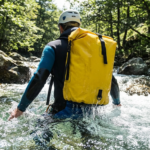


Ba lô ngoài trời phải chịu tác động đồng thời của ứng suất cơ học và những thay đổi của điều kiện thời tiết. Trong các chuyến đi bộ, leo núi và những hành trình kéo dài nhiều ngày, vải có thể cọ xát với đá gồ ghề, phải mang tải trọng lớn, đối mặt với mưa lớn và trải qua quá trình gấp lại liên tục khi vận chuyển. Những điều kiện này đặt ra yêu cầu khắt khe đối với cả cấu trúc sợi vải lẫn lớp chống thấm. Đối với các nhà sản xuất, việc lựa chọn vật liệu phù hợp đòi hỏi nhiều hơn là chỉ chọn loại vải có chỉ số denier cao hoặc bề mặt chống thấm.
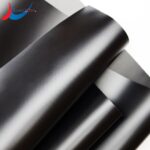
Vải nylon phủ TPU là một lựa chọn lý tưởng cho các thiết bị ngoài trời cần kết hợp giữa khả năng chống nước, độ bền cơ học và trọng lượng vừa phải. Bằng cách kết hợp lớp nền nylon dệt với lớp polyurethane nhiệt dẻo, các nhà sản xuất có thể tạo ra những vật liệu composite phù hợp cho ba lô chống thấm, túi du lịch chuyên dụng, túi đựng thiết bị và nhiều sản phẩm ngoài trời đòi hỏi cao khác.
Hiệu suất cuối cùng phụ thuộc vào cấu trúc sợi nylon, cấu trúc lớp phủ TPU, chất lượng cán màng, phương pháp ghép nối và thiết kế hoàn thiện của chiếc túi. Một loại vật liệu phù hợp với ba lô nhẹ dùng trong ngày có thể không mang lại sự cân bằng giữa tính linh hoạt và khả năng hỗ trợ cấu trúc cần thiết cho một chiếc ba lô chuyên dụng lớn dành cho các chuyến đi dài ngày.
Đối với các nhà phát triển sản phẩm và đội ngũ tìm nguồn cung ứng, quy trình lựa chọn nên bắt đầu từ mục đích sử dụng dự kiến, sau đó so sánh thông số kỹ thuật của vải và yêu cầu sản xuất. Cách tiếp cận này giúp xác định xem một cấu trúc nylon phủ TPU cụ thể có đáp ứng được các yêu cầu thực tế của sản phẩm hoàn thiện hay không.
Điều gì khiến vải nylon phủ TPU trở nên phù hợp cho ba lô ngoài trời?
Một loại vải dùng cho ba lô phải đảm nhiệm đồng thời nhiều chức năng. Nó cần chống lại độ ẩm bên ngoài, chịu được ma sát, hỗ trợ các tải trọng truyền qua cấu trúc túi và vẫn dễ dàng gia công trong quá trình cắt may, lắp ráp. Lớp chống thấm cũng phải bám chắc trên nền vải suốt thời gian sử dụng dự kiến của sản phẩm.
Vải nylon phủ TPU kết hợp hai thành phần vật liệu với vai trò khác nhau.
Lớp nền nylon dệt đóng góp vào độ bền kéo, khả năng chống rách và ổn định kích thước. Hiệu quả của nó phụ thuộc vào đặc tính sợi, kiểu dệt, mật độ vải và chất lượng hoàn thiện. Lớp TPU cung cấp bề mặt chức năng cần thiết để chống thấm nước và có thể góp phần tăng thêm tính linh hoạt, độ bền cho vật liệu composite.
Cấu trúc này mang đến cho các nhà sản xuất nhiều lựa chọn hơn khi thiết kế các sản phẩm ngoài trời phù hợp với nhiều phân khúc trọng lượng và môi trường hoạt động khác nhau. Vải có thể được lựa chọn dựa trên sự cân bằng cần thiết giữa khả năng chịu tải, độ bền bề mặt, tính linh hoạt và tính di động.
Bảo vệ chống thấm nước trước những thay đổi của thời tiết
Bảo vệ khỏi mưa là yếu tố quan trọng hàng đầu đối với các loại ba lô sử dụng trên những cung đường exposed và trong các chuyến đi dài ngày. Độ ẩm xâm nhập qua các tấm vải chính có thể làm ướt quần áo, thiết bị ngủ, bao bì thực phẩm và các phụ kiện điện tử. Một loại vật liệu chống thấm sẽ giúp giảm thiểu rủi ro này khi được tích hợp vào một chiếc túi được thiết kế phù hợp.
Lớp TPU tạo thành một lớp chắn phía trên nền vải. Tuy nhiên, hiệu quả chống thấm của chiếc ba lô hoàn thiện còn phụ thuộc vào các đường may, khóa, dây kéo, điểm gắn và các chi tiết cấu trúc khác.
Một tấm vải được phủ không tự động biến toàn bộ sản phẩm trở thành chống thấm. Nước vẫn có thể xâm nhập qua các lỗ kim, đường may chưa được xử lý tốt, khe hở dây kéo hoặc những khu vực bị hư hỏng. Các nhà sản xuất cần đánh giá toàn bộ thiết kế túi và lựa chọn phương pháp gia công phù hợp nhằm đạt được mức độ bảo vệ chống nước như mong muốn.
Hỗ trợ cơ học dưới tải trọng
Các loại ba lô truyền tải trọng qua các tấm vải, đáy, dây đeo vai, tay cầm và các điểm gắn. Những khu vực này phải chịu các loại ứng suất khác nhau trong quá trình sử dụng.
Tấm vải ở đáy có thể tiếp xúc với địa hình gồ ghề, trong khi các điểm nối dây đeo vai phải chịu lực kéo tập trung. Các tấm vải bên có thể bị nén bởi đồ đạc xếp chặt, còn các túi bên ngoài thường xuyên cọ xát với các vật thể xung quanh.
Lớp nền nylon dệt góp phần nâng cao hiệu suất cơ học của vật liệu composite. Tuy vậy, không nên coi sức mạnh của vải như một giải pháp thay thế cho việc gia cố và thiết kế chịu lực phù hợp. Một loại vật liệu được lựa chọn kỹ càng phải phối hợp nhịp nhàng với kiểu dáng túi, cách bố trí đường may, phương pháp may hoặc hàn, cũng như cấu trúc gia cường.

Người mua nên so sánh vải nylon phủ TPU 420D và 840D như thế nào?
Denier là một chỉ số hữu ích khi so sánh các loại vải nylon, nhưng không nên là yếu tố duy nhất dùng để lựa chọn vật liệu cho ba lô. Giá trị denier mô tả mật độ tuyến tính của sợi, chứ không trực tiếp đo lường khả năng chống mài mòn, độ bền xé hay hiệu quả chống thấm của vải hoàn thiện.
Đối với các nhà sản xuất thiết bị ngoài trời, cấu trúc nylon 420D và 840D có thể đại diện cho những điểm khởi đầu khác nhau trong quá trình phát triển sản phẩm. Tính phù hợp của chúng phụ thuộc vào thông số kỹ thuật tổng thể của vật liệu composite và mục đích sử dụng dự kiến của chiếc túi.
Khi nào thì vải nylon phủ TPU 420D là phù hợp?
Vải nylon phủ TPU 420D có thể được xem xét cho các loại ba lô và túi đựng thiết bị cần cân bằng giữa hiệu suất cấu trúc và trọng lượng vật liệu vừa phải.
Các ứng dụng tiềm năng bao gồm ba lô đi bộ thông thường, túi du lịch, hộp đựng đồ ngoài trời và một số tấm vải được lựa chọn trong các mẫu lớn hơn. Khi sản phẩm cần giữ được độ linh hoạt tương đối, một cấu trúc 420D phù hợp có thể là giải pháp thay thế thiết thực cho các cấu trúc vải nặng hơn.
Trọng lượng thực tế của vật liệu composite hoàn thiện phụ thuộc vào loại vải nylon, khối lượng lớp phủ TPU và quy trình cán màng. Hai loại vật liệu cùng được mô tả là 420D nhưng có thể khác biệt đáng kể về khối lượng tổng, độ linh hoạt, độ dày và hiệu suất cơ học.
Do đó, các nhà sản xuất nên yêu cầu đầy đủ thông số kỹ thuật và đánh giá các mẫu thử tiêu biểu trước khi chốt thiết kế.
Vải nylon phủ TPU 840D phù hợp với những sản phẩm nào?
Vải nylon phủ TPU 840D có thể được xem xét cho các sản phẩm mà việc bổ sung thêm chất liệu vải và sự hỗ trợ cấu trúc là ưu tiên hàng đầu. Các ứng dụng tiềm năng bao gồm túi du lịch hạng nặng, túi đựng thiết bị cho các chuyến đi dài, đáy ba lô gia cường và nhiều sản phẩm khác phải chịu điều kiện xử lý khắc nghiệt.
Một cấu trúc denier cao hơn không tự động đảm bảo hiệu suất tốt hơn trong mọi lĩnh vực. Khả năng chống mài mòn còn phụ thuộc vào chất lượng sợi, cấu trúc dệt, công thức lớp phủ và đặc tính bề mặt. Khả năng chống rách và chống đâm thủng cần được xem xét riêng vì chúng phản ánh các cơ chế thất bại khác nhau.
Những cấu trúc nặng hơn cũng có thể ảnh hưởng đến tính linh hoạt, tổng trọng lượng sản phẩm, thể tích đóng gói và quy trình sản xuất. Các nhà thiết kế sản phẩm nên so sánh những cân nhắc này với tải trọng thực tế và điều kiện môi trường dự kiến trong quá trình sử dụng.
Một so sánh thực tế cho phát triển sản phẩm
| Yếu tố lựa chọn | Vải nylon phủ TPU 420D | Vải nylon phủ TPU 840D |
|---|---|---|
| Hướng thiết kế điển hình | Cân bằng giữa trọng lượng và độ bền | Thêm chất liệu và hỗ trợ cấu trúc |
| Ứng dụng tiềm năng | Ba lô đi bộ, túi du lịch, hộp đựng đồ | Túi du lịch chuyên dụng, ba lô hạng nặng, tấm vải gia cường |
| Cân nhắc về trọng lượng | Có thể hỗ trợ cấu trúc sản phẩm nhẹ hơn | Có thể làm tăng trọng lượng vật liệu composite, tùy theo thông số kỹ thuật |
| Tính linh hoạt | Phụ thuộc vào lớp phủ và cấu trúc vải | Phụ thuộc vào sợi, dệt, lớp phủ và hoàn thiện |
| Cần kiểm chứng | Các bài kiểm tra độ bền kéo, xé, mài mòn và chống thấm | Các bài kiểm tra giống nhau, chú ý đặc biệt đến tải trọng và điều kiện mài mòn dự kiến |
This comparison is a general selection framework rather than a guarantee of performance. The final choice should be based on measured properties of the actual fabric supplied by the manufacturer.
Which Fabric Properties Matter Most for Waterproof Backpack Construction?
Selecting TPU coated nylon fabric requires a clear understanding of how the material will be used in the finished product. Waterproofness, tensile strength, tear resistance, abrasion resistance, and coating adhesion should be evaluated separately because each property addresses a different aspect of performance.
Waterproof Performance and Hydrostatic Resistance
A waterproof backpack fabric should resist water penetration under the conditions relevant to the product. The appropriate test method depends on the construction, intended exposure, and applicable product requirements.
Hydrostatic resistance testing can help assess the ability of a fabric to withstand water pressure. Results should be interpreted alongside coating integrity, sample preparation, and the test method used.
For a backpack designed for prolonged exposure to rain, the required material performance may differ from that of a travel bag intended mainly for occasional showers. Manufacturers should define the expected conditions before setting acceptance criteria.
The finished product also needs testing. Seams, closures, pockets, and attachment points can become leakage paths even when the main fabric panels perform well.
Abrasion Resistance in Contact with Rough Surfaces
Abrasion occurs when the material rubs against another surface. Backpack bottoms, side panels, and exposed corners are particularly likely to experience contact with rock, soil, equipment, and vehicle interiors.
A durable TPU coating can protect the underlying textile, but abrasion performance depends on the complete composite. Coating formulation, surface texture, thickness, and adhesion can all affect how the material responds to repeated rubbing.
Manufacturers should identify the areas most likely to wear and use representative test conditions when comparing candidate fabrics. A single abrasion result should not be used to predict the full service life of a backpack because real-world wear also depends on load, contact pressure, movement, and maintenance.
Tear Resistance and Puncture Resistance
Tearing and puncturing are different failure mechanisms. A tear can begin at a cut or damaged edge and propagate through the textile under tension. A puncture involves a concentrated force that penetrates the material.
Both properties may matter for expedition backpacks and equipment bags. A pack carrying climbing hardware, tools, or other rigid objects may encounter localized contact that places stress on the fabric surface.
The woven nylon substrate contributes to the composite’s resistance to mechanical damage, but performance varies with construction and material quality. Testing should reflect the intended product rather than relying solely on denier as a proxy for strength.
Design measures can also reduce damage. Reinforcing high-wear panels, protecting sharp contact areas, and avoiding unnecessary stress concentrations can improve the durability of the finished bag.
Coating Adhesion and Composite Integrity
The bond between the TPU layer and nylon substrate is another important consideration. A coating that separates from the textile may lose its protective function and create problems during fabrication or use.
Manufacturers should examine the surface for visible defects and evaluate adhesion using an agreed test method. Flexing, folding, and repeated handling can provide additional information about how the composite behaves under conditions similar to those encountered in production.
Storage and processing conditions should also be controlled. Excessive heat, contamination, or unsuitable handling may affect the material before it reaches the final assembly stage.
Why Does Double-Side TPU Coating Matter?
For certain outdoor products, manufacturers may consider double-side TPU coated nylon rather than a construction with only one coated surface. The choice depends on how the material is assembled and which surfaces require protection.
Double-side coating can provide TPU layers on both sides of the nylon substrate. This arrangement may be useful when both surfaces need a coated finish or when the product design requires specific joining and surface characteristics.
However, double-side coating does not automatically make a finished backpack waterproof or guarantee higher abrasion resistance. The results depend on coating thickness, formulation, adhesion, seam construction, and the exposure conditions of the finished product.
Surface Protection During Use
A backpack’s exterior is exposed to rain, dirt, and abrasion, while the interior may encounter damp equipment, condensation, or contact with stored items. A double-side construction allows designers to consider the characteristics of both surfaces when specifying the composite.
The precise benefit depends on the material configuration. Buyers should confirm which side is intended for the exterior, how the coated surfaces behave during assembly, and whether the fabric meets the product’s cleaning and maintenance requirements.
Compatibility with Joining Processes
TPU is a thermoplastic material, and suitable TPU surfaces can be joined using compatible welding processes. For some backpack designs, welding may help reduce the number of needle holes associated with conventional sewn seams.
The suitability of high-frequency welding depends on the specific TPU formulation and the complete composite structure. Fabric thickness, coating composition, electrode geometry, pressure, power, and cycle time can influence the result.
Manufacturers should conduct trial welds using the actual production material. They should inspect the resulting joint for continuity, distortion, damage, and leakage where waterproof performance is required.
Welding should not be assumed to be suitable for every panel or attachment point. Some constructions may require sewing, reinforcement, adhesives, or a combination of joining methods. The manufacturing process should be selected according to the structural and waterproof requirements of the finished product.
How Should Manufacturers Design Seams and Reinforced Areas?
The material specification is only one part of backpack durability. Pattern design and assembly determine how loads move through the finished product and where stress is concentrated.
Even strong TPU coated nylon fabric can fail prematurely if the bag design creates excessive stress around narrow seams, sharp corners, or poorly supported attachment points.
Reinforcing High-Load Areas
Shoulder strap anchors, grab handles, compression strap attachments, and the lower corners of a backpack may experience concentrated forces. These locations should be evaluated separately from large, relatively flat panels.
Reinforcement patches can distribute loads over a wider area when they are correctly designed and integrated into the structure. The reinforcement material and attachment method must be compatible with the main fabric and intended use.
Manufacturers should assess the complete assembly rather than testing only the fabric sample. Pull tests on representative strap and handle attachments can help identify weak points before production begins.
Managing Seam Geometry
Seam direction, width, overlap, and location can affect the finished bag’s mechanical performance and resistance to water ingress.
Corners and intersections deserve particular attention because several material layers may overlap or change direction. These areas can be more difficult to weld or seal consistently than straight sections.
Prototype testing helps reveal problems that are not apparent from a flat pattern. Manufacturers should examine seam appearance, alignment, local distortion, and leakage under representative conditions.
Where sewing is used, needle holes may require additional protection if the design demands a high level of water resistance. Where welding is used, the seam must be validated for both structural strength and the required degree of sealing.
Balancing Durability with Weight
Adding reinforcement can improve load distribution, but excessive reinforcement increases weight and may make the backpack less flexible. The objective is not to make every panel as heavy as possible; it is to place sufficient material where the expected loads and wear justify it.
A carefully selected combination of 420D and 840D constructions may be appropriate for certain products, with different fabrics used in different zones. Any such combination must account for differences in thickness, flexibility, joining behavior, and appearance.
Material zoning should be validated through prototype testing because the transition between fabrics can itself become a stress concentration.
What Quality Tests Should Buyers Request from a TPU Fabric Supplier?
A clear inspection plan helps buyers compare suppliers and reduces the risk of receiving material that does not match the approved specification.
Testing should cover both the raw composite and the processes used to manufacture the finished backpack. The exact requirements depend on the product’s design, intended market, and expected service conditions.
| Quality check | What it helps evaluate |
|---|---|
| Fabric thickness and mass | Consistency of the supplied composite |
| Độ bền kéo | Resistance to pulling forces in specified directions |
| Độ bền xé | Resistance to tear propagation under the selected test method |
| Khả năng chống mài mòn | Response to repeated surface rubbing |
| Độ bền hydrostat | Resistance to water penetration under defined conditions |
| Coating adhesion | Bond integrity between TPU and nylon |
| Độ dẻo dai ở nhiệt độ thấp | Material behavior under specified cold conditions |
| Welding trials | Compatibility with the proposed joining process |
| Finished-bag testing | Performance of seams, closures, attachments, and panels together |
Test methods and acceptance limits should be agreed upon before production. Results from different methods or laboratories may not be directly comparable, so the test procedure should accompany the reported value.
Buyers should also ask whether the supplier can provide technical data sheets, sample rolls, batch identification, and relevant test documentation. These records make it easier to confirm that the material used in mass production matches the approved sample.
For critical applications, prototype testing should reproduce the loads, environmental exposure, and handling conditions expected during use. Laboratory measurements provide useful evidence, but the final bag must still be assessed as a complete product.
How Can Buyers Specify TPU Coated Nylon for Different Outdoor Products?
A useful material specification should describe the required performance rather than simply naming a fabric construction. Buyers should identify the intended application, expected loads, waterproof requirements, joining process, and acceptable finished-product weight.
The following considerations can help organize the selection process.
For lightweight hiking backpacks: Prioritize a suitable balance of composite weight, flexibility, abrasion resistance, and waterproof performance. Check whether the material can withstand expected contact with vegetation, rock, and packed equipment.
For expedition backpacks: Give particular attention to load-bearing areas, tear resistance, abrasion exposure, and the performance of strap and handle attachments. Reinforcement requirements should be assessed alongside the main fabric specification.
For waterproof duffel bags: Evaluate panel durability, base protection, closure design, and the sealing of seams and openings. The material must suit both the intended load and the bag’s handling conditions.
For specialized equipment bags: Consider the dimensions, weight, surface characteristics, and handling requirements of the items being carried. Sharp or rigid equipment may require additional protection in selected contact areas.
These categories are starting points, not fixed rules. A lightweight bag may still require substantial reinforcement, while a heavy-duty product may benefit from lighter fabric in areas that carry little load.
Working with a TPU Fabric Manufacturer
Material development is more effective when the fabric supplier understands the finished product rather than receiving only a request for a particular denier value.
Manufacturers should provide information about the bag’s intended use, required water resistance, expected load, target weight, panel dimensions, and proposed joining method. Sample evaluation can then focus on the properties most relevant to the application.
For products requiring double-side TPU coated nylon, buyers should confirm the coating arrangement, fabric construction, and available specifications. The 420D and 840D options offered for outdoor equipment provide starting points for evaluating different structural requirements, but the final choice should be based on the actual technical data and prototype results.
It is also useful to discuss customization early in development. Changes to fabric construction, coating configuration, color, or thickness can affect manufacturing behavior and should be reviewed before production settings are finalized.
A supplier capable of providing technical data, application guidance, and customized samples can help shorten the material evaluation process. Nevertheless, responsibility for validating the finished backpack remains with the product manufacturer.
Final Considerations for Waterproof Backpack Fabric Selection
Selecting TPU coated nylon fabric for outdoor backpacks requires a balanced assessment of water resistance, mechanical performance, weight, coating integrity, and manufacturing compatibility. Neither denier nor coating structure alone determines how a finished bag will perform.
420D and 840D nylon constructions can support different product design priorities, while double-side TPU coating may suit applications that require coated surfaces on both sides of the textile. The right combination depends on the expected load, wear conditions, construction method, and waterproof requirements.
Manufacturers should compare technical specifications, test representative samples, and validate the complete bag before approving a material for mass production. Attention to reinforced areas, seam design, coating adhesion, and finished-product testing helps ensure that the chosen composite is appropriate for its intended use.
For outdoor equipment brands developing waterproof backpacks, travel bags, and expedition duffels, TPU coated nylon provides a material option worth evaluating when waterproof protection and mechanical durability must be considered together. A specification-led selection process offers a more reliable basis for choosing the right fabric than relying on a single material rating.