










Uma laminação que descasca, forma bolhas ou fica rígida estraga um produto que, de outro modo, seria perfeito. Filmes tradicionais frequentemente falham sob estresse ou exposição. filme de TPU muda completamente esse resultado. Esse material—poliuretanos termoplásticos—combina elasticidade, resistência e adesão ativada por calor numa única folha. Ao contrário do PVC ou PET, o TPU resiste a rachaduras e mantém a clareza ao longo do tempo. O resultado é uma união flexível e durável que parece profissional e dura muito tempo. Este artigo explica por que o TPU supera as opções convencionais e oferece passos práticos para obter uma laminação impecável em 2026. Seja trabalhando com tecidos, espumas ou superfícies ópticas, entender as propriedades únicas desse filme transforma seu processo.
- O filme TPU se estica sete vezes mais do que o PVC, por isso resiste a rachaduras e dura mais.
- O filme TPU permanece claro e resiste aos danos causados pelos raios UV, tornando-o perfeito para produtos externos.
- Trate a superfície do filme e use tintas à base de solvente para garantir impressões fortes e duráveis.
- Use as configurações corretas da prensa térmica (110°C–130°C, 2–3 kgf/cm², 15–20 segundos) para uma união sem bolhas.
- O filme de transferência TPU une tecido e espuma sem costura, criando costuras impermeáveis para roupas esportivas.
Por que Escolher o Filme TPU para Laminação?
Flexibilidade, Durabilidade e Clareza
As propriedades mecânicas do filme TPU explicam seu desempenho superior ao do PVC. Uma comparação direta revela a diferença. O PVC oferece uma resistência à tração de 52,2 MPa com alongamento até a ruptura de 86%. O TPU alcança 52,9 MPa de resistência à tração e um alongamento até a ruptura de 610%. A tabela abaixo resume o contraste.
| Material | Tensile Strength (MPa) | Alongamento até a Ruptura (%) |
|---|---|---|
| PVC | 52.2 | 86 |
| TPU | 52.9 | 610 |
Esse aumento de sete vezes na capacidade de esticar significa que o TPU suporta dobraduras e flexões sem falhar. O material TPU flexível recupera sua forma. O PVC desenvolve rachaduras com o tempo. O TPU mantém sua integridade.
A clareza óptica é outra vantagem. O TPU de grau óptico atinge uma transmissão de luz de ≥92%. O padrão da indústria para filmes transparentes é ≥90%.
| Material | Transmissão de Luz |
|---|---|
| TPU | ≥92% |
| Padrão da Indústria | ≥90% |
Essa maior transmissão reduz distorções. O filme permanece transparente mesmo após anos de uso. A resistência aos raios UV do filme evita o amarelamento. Isso torna o material TPU flexível ideal para aplicações externas. Funciona para janelas em barracas e capas para móveis de exterior. A alta resistência do material suporta uso intenso. A resistência ao desgaste garante longa vida útil. O filme também oferece alta impermeabilidade e permeabilidade à umidade, bloqueando água líquida enquanto permite a saída de vapor. Essa combinação de resistência à água e respirabilidade é ideal para equipamentos de proteção. As propriedades do material fazem do TPU a escolha clara para laminações exigentes.
Opções Ecológicas e de Grau Médico
As preocupações ambientais impulsionam a escolha em 2026. O filme TPU oferece um perfil mais limpo que o PVC. O PVC requer plastificantes para flexibilidade. Esses plastificantes migram com o tempo. O TPU alcança flexibilidade sem plastificantes. Isso elimina uma fonte de contaminação ambiental. O material TPU flexível também resiste a ciclos repetidos de reciclagem.
O TPU de grau médico atende a rigorosos padrões de certificação. Para dispositivos que entram em contato com pele intacta, os requisitos da ISO 10993 incluem testes de citotoxicidade (ISO 10993-5) e testes de sensibilização (ISO 10993-10). Esses testes confirmam que o material não prejudica células vivas nem causa reações alérgicas. Para aplicações mais invasivas, outros testes são necessários. Testes de irritação (ISO 10993-23) e caracterização química com extratos e lixiviados (ISO 10993-18) tornam-se indispensáveis. Essa cadeia de certificação abre muitas possibilidades de aplicação. O material funciona para bolsas de dispositivos médicos, sacos para soluções intravenosas e curativos para feridas. A versatilidade de aplicação do TPU vai da saúde aos bens de consumo. Cada aplicação se beneficia das mesmas propriedades centrais. O filme une-se de forma confiável a tecidos, espumas e couro. Ele sela costuras sem precisar de costura. Essa flexibilidade torna o TPU uma escolha preferida para fabricantes de diversos setores.
Um Guia Passo a Passo para Impressão e Laminação com TPU
Preparando Sua Impressora e Tratamento da Superfície
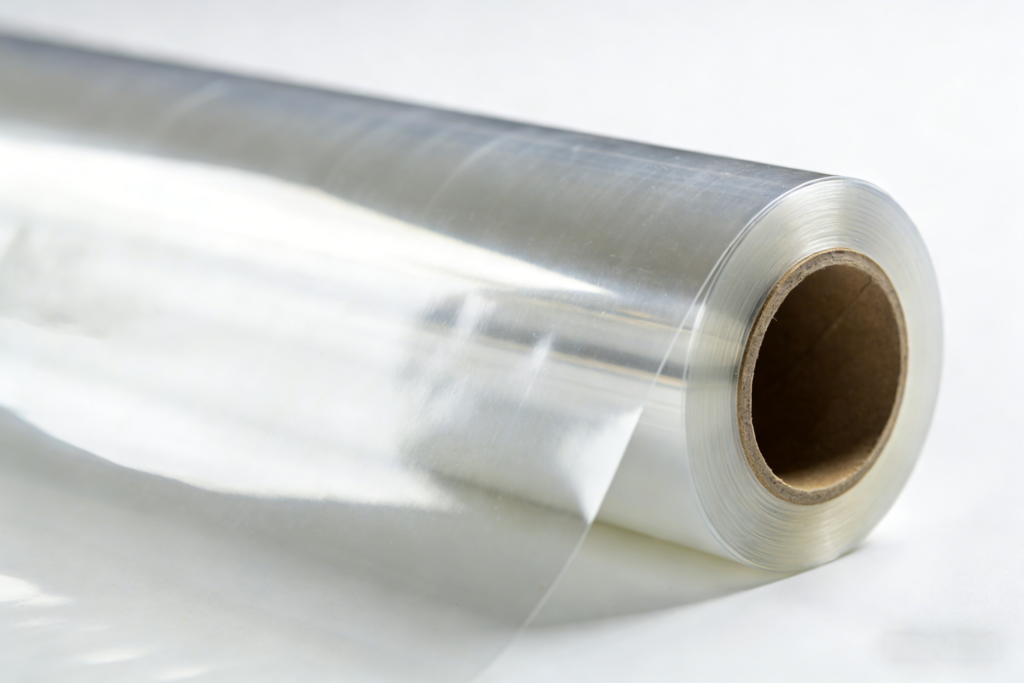
Uma laminação bem-sucedida começa com a preparação adequada da impressão. A superfície do filme TPU chega lisa e não porosa. Essa baixa energia superficial impede que a tinta se una efetivamente. O tratamento com corona ou plasma resolve esse problema. Esses processos aumentam a energia superficial do material. O nível recomendado após o tratamento deve ultrapassar 38 dinas/cm. A faixa-alvo ideal fica entre 40 e 42 dinas/cm. Essa faixa garante uma aderência ótima da tinta e durabilidade a longo prazo.
Antes da impressão, remova a película protetora da superfície do TPU. Essa camada protetora protege o material durante transporte e manuseio. Deixá-la no lugar bloqueia totalmente o contato com a tinta. Uma vez removida, o filme está pronto para a impressora.
Tintas à base de solvente funcionam melhor para impressão em TPU. A série Epson GS3 oferece uma opção confiável. Essas tintas penetram na superfície tratada e formam uma união forte. Tintas à base de água não têm essa capacidade de penetração. Elas tendem a formar gotas e falham durante a laminação. Escolha formulações à base de solvente para resultados consistentes.
O processo de impressão em si segue fluxos digitais padrão. Configure sua impressora na resolução mais alta disponível. Esse passo é importante para gráficos detalhados e textos pequenos. O filme TPU aceita detalhes finos sem sangramento ou borrões. Após a impressão, permita que a tinta cure completamente. Esse período de cura evita borrões durante a fase de laminação.
Dominando a Prensa Térmica e os Métodos de Laminação
A laminação com prensa térmica ativa as propriedades adesivas do TPU. O processo exige controle preciso de temperatura, pressão e tempo. A tabela abaixo mostra os parâmetros recomendados para grades de adesivo hot melt.
| Parâmetro | Valor |
|---|---|
| Temperatura de operação | 110°C–130°C |
| Pressão de fusão | 2–3 kgf/cm² |
| Tempo de fusão | 15–20 segundos |
| Ponto de amolecimento | 85°C–95°C |
Esses valores se aplicam às grades de filme adesivo hot melt TPU 2070F, 2070LF e 2085F. Diferentes formulações de TPU exigem configurações diferentes. Filmes de baixa temperatura derretem em torno de 70°C e unem-se perto de 100°C. Filmes de temperatura média derretem em torno de 110°C e unem-se entre 130°C e 150°C. Filmes de alta temperatura derretem em torno de 150°C e unem-se entre 170°C e 190°C. Sempre verifique a grade específica antes de configurar sua prensa.
Uma pressão uniforme durante a união cria uma interface forte. Pressão irregular gera pontos fracos e delaminação. Verifique o nivelamento das placas da prensa antes de cada ciclo. Essa inspeção simples evita retrabalhos caros.
Um filme antiaderente evita que a camada adesiva grude na prensa.
Filme Antiaderente Fosco/Transparente: Um filme antiaderente tratado com flúor ou silicone garante que a camada adesiva não grude durante o processo de espalhamento e proporciona uma textura suave à superfície adesiva.
Coloque esse filme antiaderente entre o TPU e a placa da prensa térmica. A superfície tratada libera-se limpa após cada ciclo. Esse passo preserva a textura adesiva e simplifica o fluxo de trabalho.
Existem três métodos distintos de laminação para aplicação de TPU. A laminação hot melt usa os parâmetros da prensa térmica acima. A laminação com adesivo aplica um agente de ligação separado entre as camadas. A laminação apenas com pressão conta com a aderência natural do TPU. Cada método se adapta a diferentes substratos e usos finais. A laminação hot melt funciona melhor para tecidos e espumas. A laminação com adesivo lida com superfícies rígidas. A laminação apenas com pressão é indicada para ligações temporárias.
A qualidade da impressão afeta diretamente o resultado final da laminação. A impressão em ultra-alta definição captura gradientes finos e bordas nítidas. Essa precisão é importante para logotipos de marcas e rótulos de produtos. Um logotipo nítido eleva a qualidade percebida do item acabado. A impressão em ultra-alta definição também reduz o consumo de tinta. O filme TPU mantém a imagem impressa sem distorções durante a prensagem. O resultado é um acabamento profissional que resiste a flexões e lavagens.
Dominar esses passos transforma a impressão em TPU de um desafio para um processo rotineiro. O material recompensa uma preparação cuidadosa com resultados confiáveis e repetíveis. Cada projeto se baseia no anterior. A curva de aprendizado é curta, e o retorno é imediato.
Dicas Avançadas para Filme 3D UV TPU e Filme de Transferência
Trabalhando com Filmes Resistentes a UV e Ópticos
Equipamentos para ambientes externos exigem materiais que resistam à exposição constante ao sol. Filmes padrão amarelam e ficam quebradiços em poucos meses. O filme 3D UV TPU resolve esse problema por meio de aditivos especializados que absorvem radiação nociva. Essa proteção mantém o material claro e flexível por anos. Fabricantes utilizam esse filme em janelas de barracas, coberturas de barcos e estofados de móveis para áreas externas. A resistência aos raios UV também preserva os gráficos impressos. Uma logomarca impressa nesse filme permanece vibrante sem desbotar. O filme 3D UV TPU mantém sua clareza óptica mesmo após longa exposição. Isso o torna uma escolha confiável para produtos que enfrentam luz solar direta diariamente.
A variante de grau óptico oferece outro nível de desempenho. Este filme atinge uma transmissão de luz superior a 92 por cento. A clareza é adequada para equipamentos de imagens médicas e janelas de exibição. O material TPU flexível se dobra ao redor de superfícies curvas sem distorcer a visão. Esta aplicação requer manuseio cuidadoso durante a laminação. O filme deve permanecer livre de poeira e impressões digitais. Qualquer contaminação torna-se visível através da superfície transparente. O processo de impressão para filmes ópticos exige um ambiente limpo. Tintas à base de solvente aderem bem à superfície tratada. O resultado é um laminado claro e durável que mantém sua aparência ao longo do tempo. O filme 3D UV TPU combina essas propriedades para usos externos e ópticos exigentes.
Usando Filme de Transferência TPU para Tecidos e Espumas
O filme de transferência TPU une tecidos, couro e espuma sem costura. Esse processo cria costuras limpas que resistem à penetração de água. Fabricantes de vestuário utilizam esse filme para selar costuras em jaquetas impermeáveis. Sapateiros o aplicam para unir cabedais sem deixar fios visíveis. O filme de transferência TPU DTF funciona especialmente bem para logotipos decorativos em roupas esportivas. O filme se ativada sob calor e pressão, formando uma ligação permanente com o substrato. Esse método elimina furos de agulha que enfraquecem a estrutura do tecido.
Uma costura estrutural, continuamente submetida a carga, geralmente ainda é melhor servida por costura. Juntas sob estresse mecânico constante, como costuras em jeans pesado, continuam sendo costuradas porque uma junta termofusível sozinha não consegue suportar cargas de cisalhamento sustentadas como uma costura de ponto fixo.
Essa limitação importa para aplicações que suportam carga. O filme de transferência TPU se destaca em ligações não estruturais. Ele proporciona excelente adesão para remendos, etiquetas e elementos decorativos. O processo de impressão DTF aplica designs diretamente sobre o filme. Isso cria uma solução completa de transferência de logotipo para roupas personalizadas. A flexibilidade do filme permite que ele se mova junto com o tecido. Ele se estica e recupera sem rachar. A natureza impermeável da ligação evita que a umidade se infiltre pelas costuras. Isso torna o filme de transferência TPU ideal para equipamentos ao ar livre e roupas esportivas. O processo de aplicação exige controle preciso de temperatura. Calor insuficiente deixa uma ligação fraca. Calor excessivo danifica o tecido. Seguir os parâmetros recomendados garante resultados consistentes. O filme de transferência TPU DTF oferece uma solução versátil de transferência de logotipo para a fabricação moderna.
O TPU representa uma verdadeira melhoria em relação aos materiais convencionais de laminação. O material TPU flexível oferece sete vezes mais alongamento do que o PVC, mantém clareza óptica acima de 92 por cento e resiste à degradação por UV. Essas propriedades se traduzem diretamente em produtos de maior durabilidade.
O fluxo de trabalho exige etapas específicas. Tratamento de superfície, tintas à base de solvente e parâmetros precisos de prensagem térmica demandam atenção. Cada etapa segue um procedimento claro. Os fabricantes dominam o processo rapidamente com orientação adequada.
Experimente o TPU em seu próximo projeto. Teste diferentes grades para seu substrato específico. Os resultados demonstrarão a diferença. Este filme está se tornando o padrão da indústria para aplicações exigentes. Adotá-lo cedo posiciona seus produtos à frente dos concorrentes.
FAQ
O Que Diferencia o Filme TPU do PVC para Laminação?
O TPU se estica sete vezes mais do que o PVC antes de romper. Este material TPU flexível resiste a rachaduras e mantém clareza ao longo de anos de uso. O filme se une de forma confiável a tecidos e espumas. O PVC requer plastificantes que migram e enfraquecem a ligação. O TPU oferece uma laminação mais forte e duradoura.
Como Evito Bolhas Durante a Laminação por Prensa Térmica?
As bolhas se formam por ar preso ou pressão irregular. Configure sua prensa para 110°C–130°C para grades termofusíveis. Aplique 2–3 kgf/cm² de pressão por 15–20 segundos. Use um filme antiaderente entre o TPU e a placa. Essa combinação produz uma superfície lisa e sem bolhas.
Posso Usar Filme TPU para Produtos ao Ar Livre?
Sim. O filme 3D UV TPU resiste ao amarelamento pela exposição ao sol. Este material mantém clareza óptica acima de 92 por cento de transmissão de luz. Use-o para janelas de tendas, capas de barcos e móveis ao ar livre. A formulação resistente a UV mantém os logotipos impressos vibrantes sem desbotar. Esta aplicação é adequada para produtos expostos diariamente à luz solar direta.
Qual É a Diferença Entre Laminação Termofusível e Adesiva?
A laminação termofusível ativa as próprias propriedades adesivas do TPU por meio de calor e pressão. A laminação adesiva aplica um agente de ligação separado entre as camadas. A laminação termofusível funciona melhor para tecidos e espumas. A laminação adesiva lida com superfícies rígidas. A laminação apenas por pressão depende da aderência natural para ligações temporárias. Cada método serve para uma aplicação diferente.
Como Consigo os Melhores Resultados com Logotipos com TPU?
Comece com tratamento corona para elevar a energia superficial acima de 38 dinas/cm. Use tintas à base de solvente como Epson GS3 para impressão. Remova a película protetora antes da impressão. Aplique o filme de transferência TPU DTF para logotipos em tecidos. Este método DTF cria ligações limpas e impermeáveis sem costura. O logotipo permanece flexível e sem rachaduras após lavagens repetidas.