




Vi siete mai chiesti perché alcune tende fatte in casa durano anni, mentre altre si disintegrano dopo un solo viaggio? Scegliere il materiale giusto fa una grande differenza. Quando selezionate nylon 70D rivestito in PVC per il vostro progetto, è importante abbinare le proprietà del tessuto alle vostre esigenze specifiche. Molte persone affrontano sfide come bilanciare durata, appeal visivo e adattabilità al clima.
| Sfida | Descrizione |
|---|---|
| Durabilità | I materiali devono resistere a condizioni climatiche avverse e a un uso intenso. |
| Clima | Il tessuto dovrebbe adattarsi all'ambiente in cui verrà utilizzato. |
| Uso previsto | Il materiale deve adattarsi allo scopo del progetto. |
Considerate non solo le specifiche tecniche, ma anche come il tessuto si comporterà nelle situazioni reali.
- Scegliete il nylon 70D rivestito in PVC per progetti che richiedono un equilibrio tra resistenza, flessibilità e impermeabilità.
- Tenete conto dell'ambiente e dell'uso previsto quando selezionate il tessuto; l'attrezzatura da esterno richiede una maggiore durata e classificazioni di impermeabilità.
- Cercate caratteristiche come la resistenza ai raggi UV e la protezione dalla muffa per prolungare la vita utile della vostra attrezzatura da esterno.
- Confrontate i valori GSM per determinare lo spessore giusto; un GSM più alto offre maggiore durata, mentre un GSM più basso è migliore per la portabilità.
- Consultate i fornitori per campioni e specifiche dei tessuti e assicuratevi che siano perfetti per le esigenze del vostro progetto.
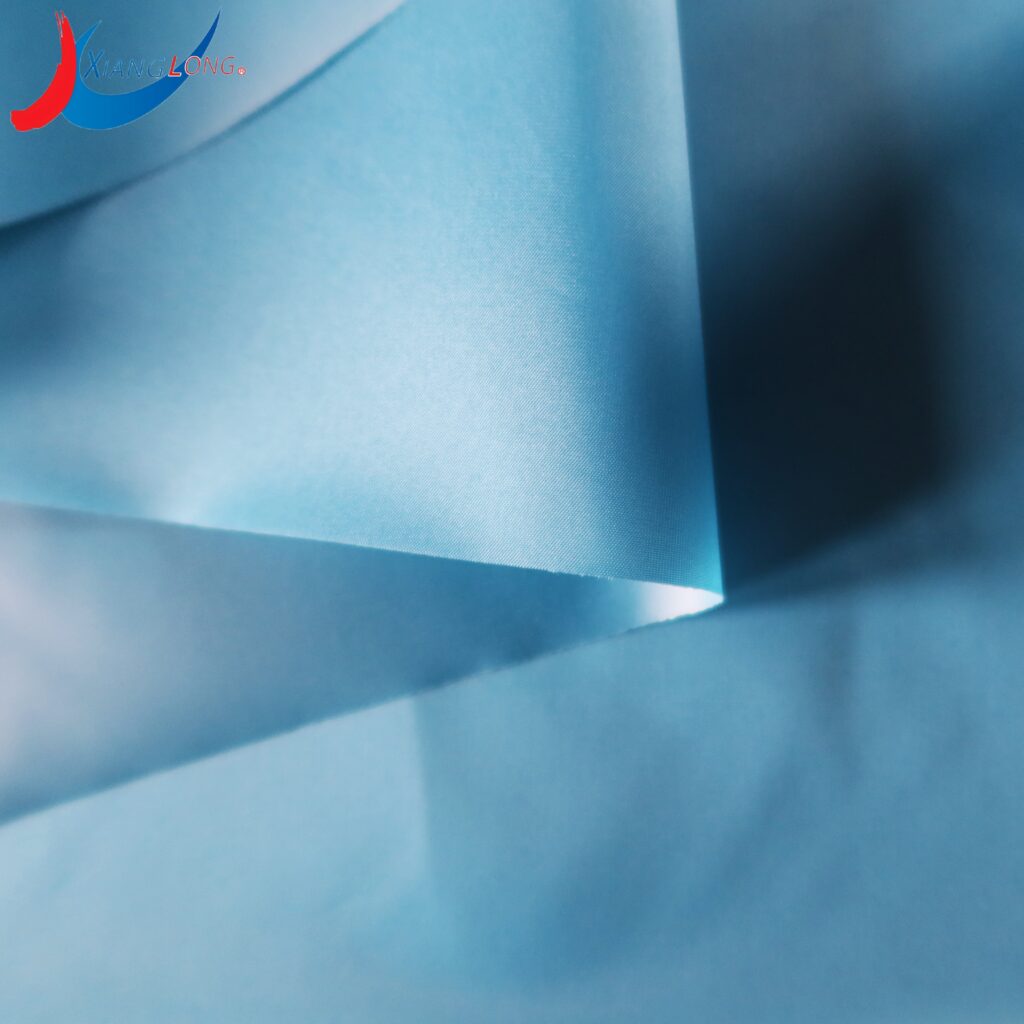
Che cos'è il nylon 70D rivestito in PVC
Nozioni base sul tessuto nylon
Il tessuto nylon si distingue nel mondo dei tessuti per il suo impressionante rapporto resistenza-peso. Questo materiale può sopportare oltre 400 libbre pesando meno di 24 once. Molti appassionati di attività all'aperto scelgono il nylon perché offre una superiore resistenza all'abrasione. È inoltre facile da lavare, asciuga rapidamente e resiste ai raggi UV, specialmente se tinto in soluzione. Queste qualità rendono il nylon una scelta affidabile per progetti che richiedono sia robustezza che leggerezza.
Consiglio: Il nylon asciuga più velocemente del cotone ed è meno soggetto alla formazione di muffa, ideale per l'attrezzatura da esterno.
Vantaggi del rivestimento in PVC
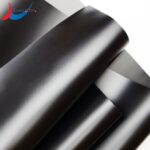
Il nylon 70D rivestito in PVC combina i vantaggi del nylon con le caratteristiche protettive del polivinilcloruro (PVC). Il processo di rivestimento migliora la durata e l'impermeabilità del tessuto. Tecniche di produzione avanzate giocano un ruolo chiave nelle prestazioni. La tabella qui sotto mostra come il processo influisce sulle proprietà del materiale:
| Aspetto | Impatto sulle proprietà prestazionali |
|---|---|
| Resistenza fondamentale | Fornisce eccezionale stabilità dimensionale e integrità strutturale. |
| Tecniche avanzate di rivestimento | Migliora la durata, l'impermeabilità e altri tratti funzionali. |
| Durata incrollabile | Aumenta la resistenza complessiva, garantendo resistenza all'usura e ai raggi UV. |
| Prestazioni mirate | Personalizza le finiture per requisiti operativi specifici come traspirabilità e resistenza al fuoco. |
Il nylon 70D rivestito in PVC resiste all'usura, ai raggi UV e all'umidità. I produttori possono personalizzare il rivestimento per aggiungere caratteristiche come traspirabilità o resistenza al fuoco.
Usi tipici nell'attrezzatura da esterno fai-da-te
Molti produttori di attrezzatura da esterno fai-da-te si affidano al nylon 70D rivestito in PVC per il suo equilibrio tra resistenza e flessibilità. Gli usi comuni includono:
- Coperture antipioggia e teli
- Tende e ripari leggeri
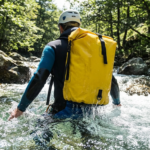
- Zaini e borse protettive
- Coperture per sedili e teli da terra
Questo materiale si comporta bene in ambienti in cui si prevede esposizione a acqua, sole e superfici ruvide. La sua natura ad asciugatura rapida e la resistenza alla muffa lo rendono preferito per progetti all'aperto.
Fattori chiave nella scelta
Durata e resistenza all'abrasione
La durata è un fattore critico nella scelta dei materiali per applicazioni outdoor e industriali. Il nylon 70D rivestito in PVC offre un equilibrio tra leggerezza e resistenza impressionante. Questo tessuto nylon presenta un forte supporto in vinile PVC, che ne aumenta la resistenza alla muffa e lo rende una scelta popolare per custodie, borse e altre attrezzature soggette a frequenti manipolazioni. La resistenza del materiale gli consente di sopportare un uso ripetuto senza un significativo deterioramento.
Nel confrontare la durata tra tessuti rivestiti, è importante notare che tutte le principali aziende di sacche idriche una volta utilizzavano il PVC, ma in seguito sono passate al poliuretano (PU) grazie alla maggiore resistenza e al minor rischio di crepe e strappi del PU. Sebbene il nylon 70D rivestito in PVC offra una buona durata per molte applicazioni, potrebbe non eguagliare l'estrema resistenza all'abrasione dei tessuti con denier più elevato, come il 210D, che può gestire superfici ruvide come corteccia d'albero e hardware. Per la maggior parte dei progetti fai-da-te, però, il 70D offre una durata e una resistenza sufficienti, specialmente quando il peso è un problema.
Consiglio: Per attrezzature che subiranno forte abrasione, considerate l'ambiente e la frequenza d'uso prima di prendere una decisione definitiva.
Peso, GSM e flessibilità
Il peso e la flessibilità giocano un ruolo significativo nelle prestazioni dei tessuti nylon. Il GSM, ovvero grammi per metro quadrato, misura il peso del tessuto e aiuta a determinarne l'idoneità per diverse applicazioni. Tessuti più leggeri come il 70D sono ideali per progetti che richiedono facile imballaggio e trasporto, come coperture antipioggia e tende leggere. La flessibilità del nylon 70D permette di piegarlo e modellarlo facilmente, essenziale per attrezzature compatte.
La flessibilità influisce anche su come il materiale gestisce stress e movimenti. Il nylon 70D rivestito in PVC offre una flessibilità moderata, rendendolo adatto per applicazioni che necessitano sia di struttura che di una certa elasticità. Tuttavia, per prodotti che richiedono alta flessibilità, come articoli gonfiabili o attrezzature che devono sopportare piegamenti costanti, altri rivestimenti come il TPU potrebbero offrire prestazioni migliori.
| Valore | Nylon 70D (rivestito in PVC) | Nylon 210D (non rivestito) |
|---|---|---|
| Peso (GSM) | Basso | Moderata |
| Flessibilità | Moderata | Basso |
| Resistenza | Buona | Ottima |
Nota: Scegli un GSM più leggero per applicazioni portatili e un GSM più alto per maggiore resistenza e durata.
Impermeabilità e resistenza alla muffa
L'impermeabilità è essenziale per attrezzature da esterno e coperture protettive. Il nylon 70D rivestito in PVC raggiunge tipicamente una classificazione impermeabile di 3000 mm, adatta alla maggior parte delle esposizioni a pioggia e umidità. Alcuni materiali in PVC possono superare i 5000 mm, rendendoli ideali per piogge intense e applicazioni gravose.
- I tessuti in nylon 70D rivestiti in PVC raggiungono tipicamente una classificazione impermeabile di 3000 mm.
- I materiali in PVC possono superare valori di test idrostatico superiori a 5000 mm, adatti a piogge intense.
La resistenza alla muffa è un altro vantaggio di questo materiale. Il rivestimento in PVC previene l'assorbimento dell'acqua, riducendo il rischio di formazione di muffe e funghi. Questa caratteristica è particolarmente importante per applicazioni in ambienti umidi o bagnati, dove le attrezzature devono rimanere asciutte e prive di odori.
Le proprietà impermeabili e resistenti alla muffa prolungano la durata del tuo progetto, specialmente per uso esterno.
Confronto tra tipi di rivestimento
La scelta del rivestimento giusto influisce sia sulla durata che sulla flessibilità. Il PVC e il TPU sono due opzioni comuni per i rivestimenti dei tessuti in nylon. La tabella qui sotto evidenzia le loro principali differenze:
| Valore | TPU | PVC |
|---|---|---|
| Flessibilità | Alta | Moderata |
| Durabilità | Ottima | Buona |
| Ecocompatibilità | Riciclabile, non tossico | Contiene plastificanti |
| Costo | Moderata | Basso |
I rivestimenti in TPU offrono flessibilità e resistenza superiori, rendendoli ideali per applicazioni soggette a forti sollecitazioni e per prodotti che richiedono movimenti frequenti. Il TPU eccelle anche nella resistenza all'abrasione e alle perforazioni, importante per attrezzature gonfiabili e oggetti esposti a superfici ruvide. I rivestimenti in PVC, invece, offrono impermeabilità affidabile, flessibilità moderata e costi inferiori. Il PVC è preferito per applicazioni pesanti con impermeabilità elevata, alta resistenza all'abrasione, teli, coperture e applicazioni che richiedono maggiore struttura e durabilità industriale.
Quando scegli tra PVC e TPU, considera le esigenze specifiche della tua applicazione. Se il tuo progetto richiede massima flessibilità ed ecocompatibilità, il TPU potrebbe essere la scelta migliore. Per progetti che privilegiano costo, struttura e prestazioni impermeabili, il nylon 70D rivestito in PVC resta un'ottima opzione.
Per applicazioni pesanti, strutturate e impermeabili, il rivestimento in PVC è spesso la scelta preferita.
Abbinare il tessuto in nylon al tuo progetto
Applicazioni indoor vs outdoor
La scelta del tessuto in nylon giusto inizia con la comprensione dell'ambiente in cui verrà utilizzato il tuo progetto. Le applicazioni indoor spesso richiedono meno protezione dagli elementi. Ad esempio, coperture per stoccaggio o borse leggere usate all'interno degli edifici non necessitano di elevate prestazioni impermeabili o resistenza ai raggi UV. In questi casi, il nylon 70D con un rivestimento base in PVC offre sufficiente durabilità e flessibilità.
Le applicazioni outdoor richiedono di più dal materiale. L'esposizione alla luce solare, alla pioggia e a superfici ruvide può rapidamente logorare il nylon non protetto. La luce UV causa danni rapidi ai tessuti in nylon, incluso il nylon 70D, e porta a una significativa diminuzione della resistenza alla trazione nel tempo. Il tipo di rivestimento conta. I rivestimenti in PVC con additivi come il biossido di titanio migliorano la resistenza ai raggi UV. I tessuti con rivestimenti in silicone o sil/sil offrono generalmente una migliore protezione dai raggi UV rispetto a quelli con rivestimenti in sil/PE o PU.
- L'esposizione ai raggi UV riduce la resistenza del nylon nel tempo.
- I rivestimenti con biossido di titanio aumentano la resistenza ai raggi UV.
- I rivestimenti a base di silicone superano gli altri per la protezione dai raggi UV.
Per uso outdoor, verifica sempre se il tessuto in nylon possiede proprietà rafforzate contro UV e impermeabilità. Questo garantisce che la tua attrezzatura duri più a lungo e funzioni bene in condizioni difficili.
Scegliere per attrezzature da esterno fai-da-te
Quando realizzi attrezzature da esterno fai-da-te, è importante bilanciare diversi fattori. La tabella qui sotto evidenzia i criteri di selezione più importanti per progetti outdoor con nylon 70D rivestito in PVC:
| Criteri | Descrizione |
|---|---|
| Durabilità | Il nylon ad alto denier (500D o 1000D) è consigliato per applicazioni outdoor come zaini o tende. |
| Resistenza all'acqua | I tessuti possono essere idrorepellenti o completamente impermeabili; scegli in base alle esigenze dell'applicazione. |
| Resistenza agli strappi | Il nylon ripstop evita che piccoli strappi si amplino, ideale per applicazioni soggette a forti sollecitazioni. |
| Peso e spessore | I tessuti più pesanti sono più resistenti, mentre quelli più leggeri offrono flessibilità; l'equilibrio è fondamentale. |
| Finiture aggiuntive | Considera rivestimenti per impermeabilità, protezione UV o proprietà antimicrobiche secondo necessità. |
| Affidabilità del fornitore | Scegli fornitori con una storia di qualità e specifiche trasparenti per ottenere i migliori risultati. |
La performance impermeabile è una priorità assoluta per le attrezzature da esterno. Il nylon 70D rivestito in PVC offre una protezione impermeabile affidabile per coperture antipioggia, teli e ripari leggeri. Per attrezzature che affrontano piogge intense o frequenti esposizioni all'acqua, cerca tessuti con una classificazione idrostatica superiore a 3000 mm. Anche la resistenza agli strappi conta. Il nylon ripstop aiuta a prevenire che piccoli fori si trasformino in grandi lacerazioni, essenziale per tende e zaini.
Il peso e lo spessore influiscono sulla facilità di trasporto e imballaggio della tua attrezzatura. Tessuti in nylon più leggeri hanno senso per articoli portatili, mentre quelli più pesanti offrono maggiore durabilità. Considera sempre l'ambiente e l'utilizzo previsto per trovare il giusto equilibrio.
Consiglio: Per progetti outdoor, privilegia caratteristiche impermeabili, resistenti ai raggi UV e agli strappi per prolungare la vita della tua attrezzatura.
Confronto tra denier: 70D vs. 210D
Il denier misura lo spessore del filamento nel tessuto in nylon. Gioca un ruolo chiave nella determinazione della resistenza, del peso e della idoneità all'applicazione. La tabella qui sotto confronta le principali caratteristiche del nylon 70D e 210D con rivestimento in PVC:
| Caratteristica | Nylon 70D rivestito in PVC | Nylon 210D rivestito in PVC |
|---|---|---|
| Costruzione del filamento | Filamento a denier fine, liscio e flessibile | Struttura intrecciata più stretta |
| Comfort | Morbidezza al tatto | Minore enfasi sul tatto |
| Stabilità | Supporto stabile della laminazione | Migliore stabilità dimensionale |
| Idoneità dell'applicazione | Ideale per prodotti a contatto con il paziente | Migliore per una copertura uniforme del rivestimento |
Scegli il nylon 70D per progetti che richiedono materiali leggeri, flessibili e confortevoli. Questo lo rende una buona scelta per coperture antipioggia, teli pieghevoli e attrezzature che devono potersi ripiegare o comprimere facilmente. Il nylon 210D è più adatto per applicazioni che richiedono maggiore resistenza e stabilità, come zaini pesanti o coperture per attrezzature. L'intreccio più stretto e il denier più alto offrono una migliore impermeabilità e resistenza all'abrasione.
Nota: Seleziona il nylon 70D quando peso e flessibilità sono i fattori più importanti. Scegli il nylon 210D per massima durata e struttura.
Abbinare il tessuto di nylon giusto al tuo progetto garantisce le migliori prestazioni e longevità. Valuta l'ambiente, le esigenze d'uso e le caratteristiche richieste prima di fare la scelta definitiva.
Confronto tra gradi e specifiche
Comprendere GSM e spessore
GSM sta per grammi per metro quadrato. Questa misura indica quanto pesa un pezzo di tessuto. La maggior parte dei tipi di nylon utilizza il GSM per indicare spessore e resistenza. Un GSM più alto significa che il tessuto è più spesso e spesso anche più resistente. Un GSM più basso significa che il tessuto è più leggero e flessibile. Molti tessuti per uso esterno riportano il GSM sull'etichetta.
I diversi tipi di nylon hanno valori GSM differenti. Ad esempio, i tessuti leggeri possono avere un GSM da 40 a 70. I tessuti pesanti possono raggiungere i 200 GSM o più. Il GSM ti aiuta a confrontare i tipi di nylon per il tuo progetto. Se hai bisogno di un materiale pesante, cerca un GSM più alto. Se vuoi qualcosa facile da riporre, scegli un GSM più basso.
Nota: Il GSM influisce su quanto siano impermeabili e resistenti i tuoi tessuti. I tessuti più spessi spesso offrono una migliore protezione contro l'acqua.
Selezionare il grado giusto per le tue esigenze
La scelta del giusto grado di nylon dipende dal tuo progetto. Esistono molti tipi di nylon e ogni grado si adatta a un uso diverso. Per zaini o tende, servono tessuti pesanti. Questi tipi di nylon resistono agli strappi e durano più a lungo. Per coperture antipioggia o fodere, funzionano bene tessuti più leggeri.
Ecco una guida rapida per aiutarti a scegliere:
- Utilizza tipi di nylon pesanti per attrezzature soggette a usi intensi.
- Scegli tipi di nylon più leggeri per articoli che devono potersi piegare o comprimere.
- Verifica se i tessuti hanno una classificazione impermeabile che corrisponde alle tue esigenze.
- Confronta i valori GSM tra i vari tipi di nylon per trovare quello più adatto.
| Tipo di progetto | GSM consigliato | Tipo di tessuto | Serve impermeabilità? |
|---|---|---|---|
| Zaino | 150-200 | Nylon pesante | Sì |
| Tenda | 100-150 | Nylon pesante | Sì |
| Copertura antipioggia | 40-70 | Nylon leggero | Sì |
| Borsa per conservazione (interna) | 40-70 | Nylon leggero | No |
Molti tessuti sono disponibili in diversi gradi. Abbinati sempre il grado alle esigenze del tuo progetto. I tipi di nylon pesanti offrono una maggiore protezione per attrezzature da esterno. I tessuti leggeri sono adatti a usi interni o meno impegnativi.
Consiglio: Chiedi al tuo fornitore informazioni sui gradi dei tessuti che offre. Questo ti aiuterà a trovare i tipi di nylon giusti per il tuo progetto.
Scegliere il giusto nylon 70D rivestito in PVC inizia con la conoscenza delle esigenze del tuo progetto. Abbina resistenza del tessuto, peso e rivestimento al tuo caso d'uso. Usa questa lista di controllo:
- Identifica l'uso interno o esterno
- Controlla GSM e classificazione impermeabile
- Confronta i tipi di rivestimento
- Valuta durata e flessibilità
Consiglio: Se sei indeciso, chiedi consiglio a un fornitore o a un esperto. La scelta giusta del tessuto aiuta il tuo progetto a durare di più e a funzionare meglio. Il successo comincia con una selezione intelligente dei materiali!
FAQ
Cosa rende il nylon 70D rivestito in PVC una buona scelta per progetti personalizzati?
Il nylon 70D rivestito in PVC offre un equilibrio tra resistenza, flessibilità e impermeabilità. Molti progetti personalizzati, come attrezzature da esterno o coperture, beneficiano della sua leggerezza e durata. Questo tessuto si adatta bene a diversi design e requisiti personalizzati.
Come si confronta il rivestimento in PVC con altri rivestimenti impermeabili?
Il rivestimento in PVC offre un'efficace impermeabilità e una moderata flessibilità. Alcuni altri rivestimenti impermeabili, come il TPU, offrono una flessibilità superiore e sono più ecologici. La scelta migliore dipende dalle tue esigenze personalizzate, inclusi il livello di protezione dall'acqua e il tipo di prodotto personalizzato.
Posso usare il nylon 70D per la produzione di borse personalizzate?
Sì, il nylon 70D va benissimo per la produzione di borse personalizzate. È leggero e resistente, quindi adatto a zaini personalizzati, borse tote e coperture protettive. Per borse personalizzate pesanti, considera tipi di nylon con denier più alto per una resistenza aggiuntiva.
Quali sono i principali tipi di nylon usati per attrezzature da esterno personalizzate?
I principali tipi di nylon includono 70D, 210D e 500D. Ogni tipo offre diversi livelli di resistenza e peso. Le attrezzature da esterno personalizzate spesso usano il 70D per articoli leggeri e tipi di nylon con denier più alto per applicazioni personalizzate più robuste.
Come faccio a scegliere il giusto tessuto di nylon personalizzato per il mio progetto?
Inizia elencando le esigenze del tuo progetto personalizzato. Considera l'ambiente, il peso e la durata richiesta. Confronta tipi di nylon e rivestimenti. Chiedi campioni ai fornitori, se possibile. Le scelte personalizzate devono corrispondere sia alle specifiche tecniche che all'uso reale.
Consiglio: Controlla sempre la classificazione impermeabile e la durata prima di fare una selezione personalizzata.