




Hiç merak ettiniz mi neden bazı ev yapımı çadırlar yıllarca dayanırken diğerleri tek bir gezi sonrası parçalanıyor? Doğru malzeme seçimi büyük fark yaratır. Seçerken pvc kaplamalı 70d naylon projeniz için, kumaşın özelliklerini belirli ihtiyaçlarınıza uygun hale getirmek önemlidir. Birçok kişi dayanıklılık, görsel çekicilik ve iklim uygunluğu arasında denge kurma gibi zorluklarla karşılaşıyor.
| Zorluk | Açıklama |
|---|---|
| Dayanıklılık | Malzemeler sert hava koşullarına ve yoğun kullanıma dayanmalıdır. |
| İklim | Kumaş, kullanılacağı ortama uygun olmalıdır. |
| Amacınız | Malzeme projenin amacına uygun olmalıdır. |
Sadece teknik özellikler değil, kumaşın gerçek yaşam koşullarında nasıl performans göstereceği de dikkat edilmelidir.
- Güç, esneklik ve su direnci arasındaki dengeye ihtiyaç duyulan projeler için PVC kaplamalı 70D naylonu seçin.
- Kumaş seçerken ortamı ve kullanım amacını göz önünde bulundurun; açık hava ekipmanları daha yüksek dayanıklılık ve su geçirmezlik derecesine ihtiyaç duyar.
- Açık hava ekipmanlarınızın ömrünü uzatmak için UV direnci ve küf koruması gibi özelliklere dikkat edin.
- Doğru kalınlığı belirlemek için GSM değerlerini karşılaştırın; yüksek GSM daha fazla dayanıklılık sağlarken düşük GSM taşınabilirlik için daha uygundur.
- Projenizin ihtiyaçlarına en uygun malzemeyi sağlamak için tedarikçilerden kumaş numuneleri ve özellikleri hakkında bilgi alın.
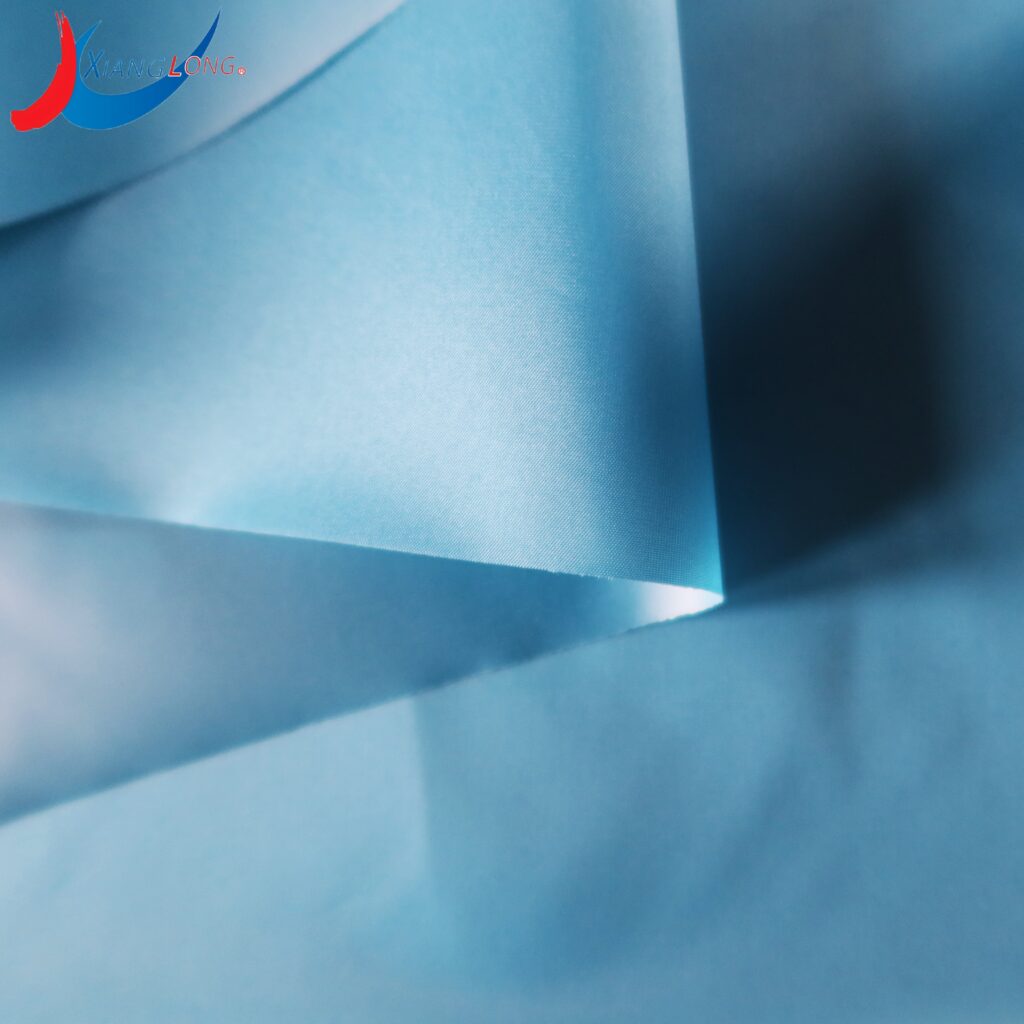
PVC Kaplamalı 70D Naylon Nedir
Naylon Kumaş Temelleri
Naylon kumaş, tekstil dünyasında etkileyici güç-ağırlık oranı ile öne çıkar. Bu malzeme 24 ons'tan daha az ağırlığa sahipken 400 pound üzerinde yük taşıyabilir. Birçok açık hava tutkunu naylonu tercih eder çünkü üstün aşınma direnci sunar. Ayrıca kolay yıkanır, hızlı kurur ve özellikle çözeltiyle boyandığında UV ışınlarına karşı dirençlidir. Bu nitelikler naylonu hem dayanıklılık hem de hafiflik gerektiren projeler için güvenilir bir seçenek haline getirir.
İpucu: Naylon pamuktan daha hızlı kurur ve küflenme ihtimali daha düşüktür; bu da açık hava ekipmanları için idealdir.
PVC Kaplama Avantajları
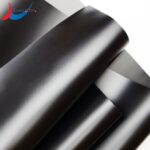
PVC kaplamalı 70D naylon, naylonun avantajlarını polivinil klorürün (PVC) koruyucu özelliklerle birleştirir. Kaplama işlemi kumaşın dayanıklılığını ve su direncini artırır. Gelişmiş üretim teknikleri performans açısından önemli rol oynar. Aşağıdaki tablo, sürecin malzemenin özelliklerini nasıl etkilediğini gösteriyor:
| Konu | Performans Özelliklerine Etkisi |
|---|---|
| Temel Güç | Olağanüstü boyutsal kararlılık ve yapısal bütünlük sağlar. |
| Gelişmiş Kaplama Teknikleri | Dayanıklılığı, su direncini ve diğer fonksiyonel özellikleri artırır. |
| Esnek Olmayan Dayanıklılık | Genel gücü artırarak aşınmaya ve UV ışınlarına karşı direnç sağlar. |
| Hedeflenen Performans | Nefes alabilirlik ve yanmazlık gibi özel çalışma gereksinimlerine göre bitirme işlemleri özelleştirilir. |
PVC kaplamalı 70D naylon, aşınmaya, UV ışınlarına ve nemlere karşı dirençlidir. Üreticiler, nefes alabilirlik veya yanmazlık gibi ek özellikler için kaplamayı uyarlayabilir.
Kendin Yap Açık Hava Ekipmanlarında Tipik Kullanım Alanları
Birçok kendin yap açık hava ekipmanı üreticisi, güç ve esneklik dengesini sağlayan PVC kaplamalı 70D naylonu tercih eder. Yaygın kullanım alanları şunlardır:
- Yağmur örtüleri ve brandalar
- Hafif çadırlar ve sığınaklar
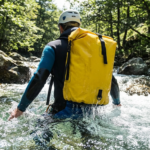
- Sırt çantaları ve koruyucu çantalar
- Koltuk örtüleri ve zemin levhaları
Bu malzeme, suya, güneş ışığına ve pürüzlü yüzeylere maruz kalınması beklenen ortamlarda iyi performans gösterir. Hızlı kuruması ve küf oluşumuna karşı direnci, açık hava projeleri için favori hale getirir.
Önemli Seçim Faktörleri
Dayanıklılık ve Aşınmaya Direnç
Dayanıklılık, açık hava ve endüstriyel uygulamalar için malzeme seçerken kritik bir faktördür. PVC kaplamalı 70D naylon, hafif yapı ile etkileyici güç dengesini sunar. Bu naylon kumaş, güçlü bir PVC vinil destekleyiciye sahiptir; bu da küf oluşumuna karşı direncini artırır ve sık sık elle tutulan çanta, sırt çantası ve benzeri ekipmanlar için popüler bir seçim haline gelir. Malzemenin gücü, tekrarlı kullanıma rağmen önemli aşınmaya uğramadan dayanmasına imkan tanır.
Kaplamalı kumaşlar arasında dayanıklılık kıyaslanırken, tüm büyük hidrasyon torbası şirketlerinin bir zamanlar PVC kullandığını ancak sonradan poliüretan (PU) kullanmaya geçtiklerini hatırlamak önemlidir; çünkü PU'nun daha yüksek dayanıklılığı ve çatlak ve yırtılma riskinin az olması nedeniyle. PVC kaplamalı 70D naylon birçok uygulama için iyi dayanıklılık sağlasa da, 210D gibi daha ağır denier kumaşların aşınmaya karşı direnciyle rekabet edemez; bu kumaşlar ağacın kabuğu ve donanım gibi pürüzlü yüzeylere bile dayanabilir. Ancak çoğu kendin yap projesi için 70D, özellikle ağırlık ön planda ise yeterince dayanıklı ve güçlüdür.
İpucu: Ağır aşınmaya maruz kalacak ekipmanlar için, son kararı vermeden önce ortamı ve kullanım sıklığını değerlendirin.
Ağırlık, GSM ve Esneklik
Ağırlık ve esneklik, naylon kumaşların performansında önemli rol oynar. GSM, yani metrekare başına gram, kumaşın ağırlığını ölçer ve farklı uygulamalar için uygunluğunu belirlemeye yardımcı olur. 70D gibi hafif kumaşlar, yağmur örtüleri ve hafif çadırlar gibi kolay paketleme ve taşıma gerektiren projeler için idealdir. 70D naylonun esnekliği, kolay katlanıp şekillendirilmesine olanak tanır; bu da kompakt ekipmanlar için çok önemlidir.
Esneklik ayrıca malzemenin stres ve hareketi nasıl yönettiğini de etkiler. PVC kaplamalı 70D naylon, orta düzeyde esneklik sağlar; bu da hem yapıya hem de belli bir esnekliğe ihtiyaç duyulan uygulamalar için uygundur. Ancak şişirilebilir ürünler ya da sürekli bükülme durumunda kalmak zorunda olan ekipmanlar gibi yüksek esnekliğe ihtiyaç duyan ürünler için TPU gibi başka kaplamalar daha iyi performans sağlayabilir.
| Mülkiyet | 70D Naylon (PVC Kaplamalı) | 210D Naylon (Kaplamsız) |
|---|---|---|
| Ağırlık (GSM) | Düşük | Orta düzey |
| Esneklik | Orta düzey | Düşük |
| Güç | İyi | Mükemmel |
Not: Taşınabilir uygulamalar için daha hafif GSM seçin ve ekstra güç ve dayanıklılık için daha yüksek GSM tercih edin.
Su geçirmezlik ve Küf Direnci
Su geçirmezlik, açık hava ekipmanları ve koruyucu kapaklar için esastır. PVC kaplamalı 70D naylon genellikle 3000 mm su geçirmezlik derecesine ulaşır; bu da çoğu yağmur ve nem maruziyeti için uygundur. Bazı PVC malzemeler 5000 mm'i aşabilir, böylece yoğun yağmur ve zorlu uygulamalar için ideal hale gelir.
- PVC kaplamalı 70D naylon kumaşlar genellikle 3000 mm su geçirmezlik derecesine ulaşır.
- PVC malzemeler hidrostatik başlık derecelerini 5000 mm'in üzerine çıkarabilir; bu da yoğun yağmur için uygundur.
Küf direnci, bu malzemenin bir başka avantajıdır. PVC kaplama su emilimini önler, küf ve mildiyun oluşma riskini azaltır. Bu özellik özellikle nemli veya ıslak ortamlarda kullanılan uygulamalar için önemlidir; burada ekipmanların kuru ve kokusuz kalması gerekir.
Su geçirmez ve küf dirençli özellikleri, özellikle açık hava kullanımında projenizin ömrünü uzatır.
Kaplama Türlerinin Karşılaştırılması
Doğru kaplamanın seçilmesi hem dayanıklılığı hem de esnekliği etkiler. PVC ve TPU, naylon kumaş kaplamaları için iki yaygın seçenektir. Aşağıdaki tablo onların temel farklılıklarını vurgular:
| Mülkiyet | TPU | PVC |
|---|---|---|
| Esneklik | Yüksek | Orta düzey |
| Dayanıklılık | Mükemmel | İyi |
| Eco-Friendliness | Geridönüşümlü, toksik olmayan | Plastikleştiriciler içerir |
| Maliyet | Orta düzey | Düşük |
TPU kaplamalar üstün esneklik ve güç sağlar; bu nedenle yüksek stresli uygulamalar ve sık hareket gerektiren ürünler için idealdir. TPU ayrıca aşınma direnci ve delinme direncinde de öne çıkar; bu da şişirilebilir ekipmanlar ve pürüzlü yüzeylere maruz kalan eşyalar için önemlidir. PVC kaplamalar ise güvenilir su geçirmezlik, orta düzeyde esneklik ve daha düşük maliyet sunar. PVC, ağır işlerde su geçirmezlik, yüksek aşınma direnci, brandalar, kapaklar ve daha fazla yapı ve endüstriyel dayanıklılık gerektiren uygulamalar için tercih edilir.
PVC ve TPU arasında seçim yaparken uygulamanızın özel ihtiyaçlarını göz önünde bulundurun. Projeniz maksimum esneklik ve çevre dostuluğu talep ediyorsa TPU daha iyi bir tercih olabilir. Maliyet, yapı ve su geçirmezlik performansına önem veren projeler için PVC kaplamalı 70D naylon hâlâ güçlü bir seçenek.
Ağır işler, yapısal ve su geçirmez uygulamalar için PVC kaplama genellikle tercih edilen seçenektir.
Naylon Kumaşı Projenize Uyumlu Hale Getirme
İç Mekan vs. Dış Mekan Uygulamaları
Doğru naylon kumaş seçimi, projenizin nerede kullanılacağına bağlı olarak başlar. İç mekan uygulamaları genellikle çevreden daha az koruma gerektirir. Örneğin, binalar içinde kullanılan saklama kapakları veya hafif çantalar yüksek seviyede su geçirmezlik veya UV direncine ihtiyaç duymaz. Bu durumlarda, temel PVC kaplamalı 70D naylon yeterince dayanıklı ve esneklik sağlar.
Dış mekan uygulamaları malzemeden daha fazla şey bekler. Güneş ışığı, yağmur ve pürüzlü yüzeylere maruz kalma korumasız naylonu hızla yıpratabilir. UV ışığı 70D naylon dahil olmak üzere naylon kumaşlara hızlı hasar verir ve zamanla çekme dayanımında önemli düşüşe yol açar. Kaplama türü önemlidir. Titanyum dioksit gibi katkı maddeleri içeren PVC kaplamalar UV direncini artırır. Silikon veya sil/sil kaplamalı kumaşlar genellikle sil/PE veya PU kaplamalılara göre daha iyi UV koruması sağlar.
- UV maruziyeti zamanla naylonun gücünü azaltır.
- Titanyum dioksit içeren kaplamalar UV direncini artırır.
- Silikon bazlı kaplamalar diğerlerine göre UV korumasında daha iyidir.
Dış mekan kullanımı için naylon kumaşın geliştirilmiş UV ve su geçirmez özelliklere sahip olup olmadığını mutlaka kontrol edin. Bu, ekipmanınızın daha uzun ömürlü olmasını ve zor koşullarda iyi performans göstermesini sağlar.
Kendin Yap Açık Hava Ekipmanları İçin Seçim
Kendin yap açık hava ekipmanları yaparken birkaç faktörü dengelemek önemlidir. Aşağıdaki tablo, PVC kaplamalı 70D naylon kullanarak dış mekan projeleri için en önemli seçim kriterlerini vurgular:
| Kriterler | Açıklama |
|---|---|
| Dayanıklılık | Yüksek denier naylon (500D veya 1000D), sırt çantası veya çadır gibi açık hava kullanımına önerilir. |
| Su Direnci | Kumaşlar su itici veya tamamen su geçirmez olabilir; uygulama gereksinimlerine göre seçin. |
| Yırtılma Direnci | Ripstop naylon küçük yırtılmaların büyümesini engeller; yüksek stresli uygulamalar için idealdir. |
| Ağırlık ve Kalınlık | Daha ağır kumaşlar daha dayanıklı, hafif olanlar ise esneklik sağlar; denge önemlidir. |
| Ek Finişler | Gerekirse su geçirmezlik, UV koruması veya antimikrobiyal özellikler için kaplamaları değerlendirin. |
| Tedarikçi Güvenilirliği | En iyi sonuçlar için kalite geçmişine sahip ve şeffaf özelliklere sahip tedarikçileri seçin. |
Su geçirmezlik performansı açık hava ekipmanları için üst önceliktir. PVC kaplamalı 70D naylon, yağmur kapakları, brandalar ve hafif sığınaklar için güvenilir su geçirmez koruma sunar. Yoğun yağmura veya sıkça suya maruz kalacak ekipmanlar için hidrostatik başlık derecesi 3000 mm'nin üzerinde olan kumaşlara bakın. Yırtılma direnci de önemlidir. Ripstop naylon, küçük deliklerin büyük yırtılmaya dönüşmesini önler; bu da çadırlar ve sırt çantaları için hayati önem taşır.
Ağırlık ve kalınlık, ekipmanınızı taşıma ve paketleme kolaylığını etkiler. Hafif naylon kumaşlar taşınabilir eşyalar için mantıklıken, ağır seçenekler daha fazla dayanıklılık sağlar. Doğru dengeyi seçerken her zaman ortamı ve beklenen kullanım durumunu dikkate alın.
İpucu: Açık hava projeleriniz için su geçirmez, UV dirençli ve yırtılmaya karşı dayanıklı özelliklere öncelik verin; bu sayede ekipmanlarınızın ömrünü uzatın.
Denier Karşılaştırması: 70D vs. 210D
Denier, naylon kumaştaki ipliğin kalınlığını ölçer. Güç, ağırlık ve uygulama uygunluğunu belirlemede ana rol oynar. Aşağıdaki tablo, PVC kaplamalı 70D ve 210D naylonun temel özelliklerini karşılaştırıyor:
| Özellik | 70D Naylon PVC Kaplamalı | 210D Naylon PVC Kaplamalı |
|---|---|---|
| İplik Yapısı | İnce denier filament, pürüzsüz ve esnek | Daha sık dokunmuş yapı |
| Konfor | Rahat el hissi | El hissine daha az önem verilir |
| Kararlılık | Stabil laminasyon desteği | Daha iyi boyutsal kararlılık |
| Uygulama Uygunluğu | Hasta teması gerektiren ürünler için ideal | Eşit kaplama örtüsü için daha iyi |
Hafif, esnek ve rahat malzemelere ihtiyaç duyulan projeler için 70D naylonu seçin. Bu, yağmur örtüleri, katlanabilir brandalar ve kolayca katlanabilen veya sıkıştırılabilen ekipmanlar için iyi bir tercih haline getirir. 210D naylon, ağır işlevli sırt çantaları veya ekipman örtüleri gibi daha fazla dayanıklılık ve kararlılık gerektiren uygulamalar için daha iyi çalışır. Daha sık dokuma ve yüksek denier, su geçirmezlik ve aşınmaya karşı direnci artırır.
Not: Ağırlık ve esneklik en önemli olduğunda 70D naylonu seçin. Maksimum dayanıklılık ve yapı için 210D naylonu tercih edin.
Projenize doğru naylon kumaşı eşleştirmek, en iyi performansı ve uzun ömrü garanti eder. Son seçimden önce ortamı, kullanım gereksinimlerini ve gerekli özellikleri değerlendirin.
Sınıflar ve Özellikler Karşılaştırması
GSM ve Kalınlığı Anlamak
GSM, metrekare başına gram anlamına gelir. Bu ölçü, bir kumaş parçasının ağırlığını gösterir. Çoğu naylon türü, kalınlığını ve gücünü göstermek için GSM kullanır. Yüksek GSM, kumaşın daha kalın ve genellikle daha güçlü olduğu anlamına gelir. Düşük GSM ise kumaşın daha hafif ve daha esnek olduğu anlamına gelir. Açık hava kullanımı için birçok kumaş etiketlerinde GSM değerini belirtir.
Farklı naylon türlerinin farklı GSM değerleri vardır. Örneğin, hafif kumaşların GSM'i 40 ile 70 arasında olabilir. Ağır işlevli kumaşlar 200 GSM veya daha fazlasına ulaşabilir. GSM, projeniz için naylon türlerini karşılaştırmanızı sağlar. Ağır işlevli bir malzemeye ihtiyacınız varsa, yüksek GSM'li bir ürün arayın. Kolayca paketlenmesi gereken bir şey istiyorsanız, düşük GSM'li bir ürün seçin.
Not: GSM, kumaşlarınızın su geçirmezliği ve dayanıklılığını etkiler. Daha kalın kumaşlar genellikle daha iyi su geçirmez koruma sağlar.
İhtiyaçlarınıza Uygun Sınıfı Seçmek
Doğru naylon sınıfını seçmek projenize bağlıdır. Birçok naylon türü mevcut ve her sınıf farklı bir kullanıma uygun. Sırt çantaları veya çadırlar için ağır işlevli kumaşlara ihtiyacınız var. Bu naylon türleri yırtılmaya dayanıklı ve daha uzun ömürlüdür. Yağmur örtüleri veya astarlar için ise hafif kumaşlar iyi çalışır.
İşinizi kolayca seçmenize yardımcı olacak kısa bir rehber:
- Kaba kullanıma maruz kalan ekipmanlar için ağır işlevli naylon türlerini kullanın.
- Katlanmak veya sıkıştırılmak gereken ürünler için hafif naylon türlerini seçin.
- Kumaşların ihtiyaçlarınıza uygun su geçirmezlik derecesine sahip olup olmadığını kontrol edin.
- Naylon türleri arasındaki GSM değerlerini karşılaştırarak en uygununu bulun.
| Proje Türü | Önerilen GSM | Kumaş Tipi | Su Geçirmezlik Gerekli mi? |
|---|---|---|---|
| Sırt Çantası | 150-200 | Ağır işlevli naylon | Evet |
| Çadır | 100-150 | Ağır işlevli naylon | Evet |
| Yağmur Örtüsü | 40-70 | Hafif naylon | Evet |
| Depolama Çantası (kapalı alan) | 40-70 | Hafif naylon | Hayır |
Birçok kumaş birkaç sınıfta gelir. Her zaman sınıfı projenizin ihtiyaçlarına göre eşleştirin. Ağır işlevli naylon türleri açık hava ekipmanları için daha fazla koruma sunar. Hafif kumaşlar kapalı alan veya daha az zorlu kullanımlara uygundur.
İpucu: Tedarikçinizden sundukları kumaş sınıfları hakkında bilgi alın. Bu, projeniz için doğru naylon türlerini bulmanıza yardımcı olur.
Doğru PVC kaplamalı 70D naylonu seçmek, projenizin ihtiyaçlarını bilmekle başlar. Kumaşın gücü, ağırlığı ve kaplamasını kullanım durumunuza göre eşleştirin. Bu kontrol listesini kullanın:
- Kapalı ya da açık hava kullanımını belirleyin
- GSM ve su geçirmezlik derecesini kontrol edin
- Kaplama türlerini karşılaştırın
- Dayanıklılığı ve esnekliği değerlendirin
İpucu: Eğer emin değilseniz, bir tedarikçiye veya uzmana danışın. Doğru kumaş seçimi, projenizin daha uzun ömürlü ve daha iyi performans göstermesine yardımcı olur. Başarı, akıllı malzeme seçimiyle başlar!
SSS
PVC kaplamalı 70D naylonu özel projeler için neden iyi bir tercih?
PVC kaplamalı 70D naylon, güç, esneklik ve su direnci dengesini sunar. Açık hava ekipmanları veya örtüler gibi pek çok özel proje, hafif hissiyatı ve dayanıklılığı sayesinde fayda sağlar. Bu kumaş, farklı özel tasarımlara ve gereksinimlere iyi uyum sağlar.
PVC kaplama diğer su geçirmez kaplamalarla nasıl karşılaştırılır?
PVC kaplama güvenilir su yalıtımı ve orta düzeyde esneklik sağlar. Bazı diğer su geçirmez kaplamalar, örneğin TPU, daha yüksek esneklik ve çevre dostuluğu sunar. En iyi seçim, su koruması seviyesi ve özel ürün türü dahil olmak üzere özel ihtiyaçlarınıza göre değişir.
Özel çanta üretiminde 70D naylonu kullanabilir miyim?
Evet, 70D naylon özel çanta üretiminde iyi çalışır. Hafif ve güçlü olması, özel sırt çantaları, el çantaları ve koruyucu örtüler için uygundur. Ağır işlevli özel çantalarda, ekstra dayanıklılık için daha yüksek denier naylon türlerini düşünün.
Özel açık hava ekipmanlarında kullanılan ana naylon türleri nelerdir?
Ana naylon türleri arasında 70D, 210D ve 500D yer alır. Her tür farklı düzeyde güç ve ağırlık sunar. Özel açık hava ekipmanları genellikle hafif ürünler için 70D'yi ve daha sert özel uygulamalar için daha yüksek denier naylon türlerini kullanır.
Projem için doğru özel naylon kumaşını nasıl seçerim?
Önce özel projenizin ihtiyaçlarını listeleyin. Ortamı, ağırlığı ve dayanıklılığı göz önünde bulundurun. Naylon türlerini ve kaplamaları karşılaştırın. Mümkünse tedarikçilerden numune isteyin. Özel seçimler hem teknik özelliklere hem de gerçek dünyada kullanımına uygun olmalıdır.
İpucu: Özel seçim yapmadan önce mutlaka su geçirmezlik derecesini ve dayanıklılığı kontrol edin.