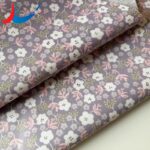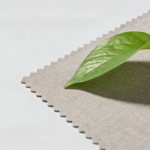








Vải TPU công nghiệp đóng vai trò quan trọng trong sản xuất hiện đại. Những vật liệu này kết hợp nền polyester chắc chắn với lớp phủ TPU mang lại độ bền và độ tin cậy vượt trội. Các kỹ sư lựa chọn vải TPU công nghiệp cho những môi trường khắc nghiệt, nơi tính bền bỉ và khả năng thích ứng là yếu tố then chốt. Lớp TPU chống mài mòn, hóa chất và nhiệt độ cực cao, giúp sản phẩm duy trì tuổi thọ lâu hơn dưới áp lực. Các nhà sản xuất dựa vào vải TPU công nghiệp cho nhiều ứng dụng, bao gồm:
- Sản phẩm hàng hải như thuyền kayak bơm hơi và ván chèo
- Thiết bị y tế như nệm bơm hơi và nẹp cố định
- Bồn chứa công nghiệp dùng để chứa nước, dầu và nhiên liệu
- Rào chắn an toàn môi trường và phao thu dầu
- Trang phục bảo hộ và đồ dùng chống nước
Vải TPU công nghiệp nổi bật vì duy trì hiệu suất trong các điều kiện khắc nghiệt và cung cấp giải pháp cho nhu cầu sản xuất thực tế.
Những điểm chính
- Vải TPU công nghiệp kết hợp giữa độ bền và độ dẻo, làm cho chúng trở thành lựa chọn lý tưởng cho các môi trường sản xuất khó khăn.
- Những loại vải này chống mài mòn, hóa chất và nhiệt độ cực cao, đảm bảo hiệu suất lâu dài trong nhiều ứng dụng khác nhau.
- Vải TPU mang lại tiết kiệm chi phí đáng kể theo thời gian nhờ độ bền cao và giảm nhu cầu thay thế.
- Độ đàn hồi cao của TPU cho phép nó hấp thụ va đập và thích nghi với tải trọng động, nâng cao độ tin cậy của sản phẩm.
- Lựa chọn vải TPU hỗ trợ các mục tiêu phát triển bền vững, bởi chúng thường đi kèm các lựa chọn có thể tái chế và tuổi thọ dài hơn.
Các đặc tính chính của vải TPU công nghiệp
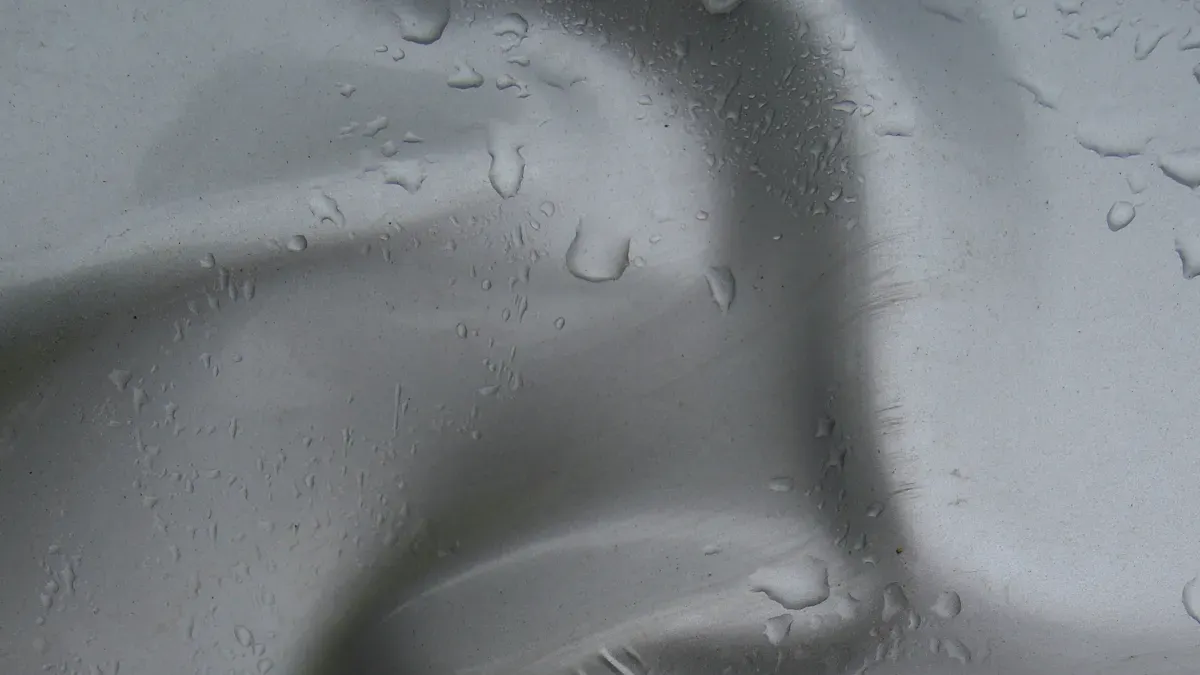
Vải TPU công nghiệp nổi bật trong sản xuất hiện đại nhờ cấu trúc được thiết kế kỹ lưỡng và các đặc tính độc đáo. Các nhà sản xuất tạo ra loại vải hiệu suất cao này bằng cách ép một lớp màng TPU lên nền polyester hoặc nylon chắc chắn. Sự kết hợp này mang đến sự cân bằng giữa độ bền, độ dẻo và độ bền kéo dài, đáp ứng các yêu cầu khắt khe của môi trường công nghiệp khó khăn.
Độ bền cơ học và độ bền kéo dài
Nền polyester trong vải nylon phủ TPU mang lại độ bền và khả năng chịu tải tuyệt vời. Cấu trúc này giúp vải chịu được lực căng lớn và chống rách hoặc thủng ngay cả dưới áp lực liên tục. Các màng polyurethane nhiệt dẻo gốc polyester cho thấy độ bền kéo cao hơn và khả năng chống cắt, chống xé tốt hơn so với màng polyether. Bảng sau đây nêu bật các kết quả thử nghiệm độ bền chuẩn hóa cho vải nylon phủ TPU:
| Chỉ số hiệu suất | Tiêu chuẩn thử nghiệm | Kết quả |
|---|---|---|
| Độ bền xé | Không áp dụng | ≥50 N/mm |
| Khả năng chống thủng | ISO 13997 | ≥100 N |
| Mức độ chống cắt | EN 388 | Cấp độ 4 |
Những kết quả này cho thấy tại sao vải nylon phủ TPU là lựa chọn ưu tiên cho các ứng dụng đòi hỏi độ bền và độ bền kéo dài cao, chẳng hạn như túi nâng, cấu trúc bơm hơi và bạt bảo vệ. Cấu trúc vải cũng hỗ trợ khả năng chống va đập và chống mài mòn, giúp nó đáng tin cậy khi sử dụng lâu dài.
- TPU polyester có độ bền kéo cao hơn so với TPU polyether.
- Các màng gốc polyester cũng cho thấy khả năng chống cắt và chống xé tốt hơn so với màng polyether.
Độ dẻo và độ đàn hồi của TPU
Polyurethane nhiệt dẻo nổi bật nhờ độ đàn hồi và độ dẻo tuyệt vời. Lớp phủ TPU cho phép vải co giãn và phục hồi hình dạng, ngay cả sau nhiều lần biến dạng. Trong điều kiện phòng thí nghiệm, độ giãn dài tại điểm đứt của vải TPU công nghiệp có thể vượt quá 1100%, với một số cấu hình đạt giá trị trung bình 1162 ± 2%. Độ đàn hồi cao này đảm bảo rằng vải nylon phủ TPU có thể hấp thụ va đập và thích nghi với tải trọng động mà không mất đi tính toàn vẹn cấu trúc.
| Chất liệu | Đặc tính độ dẻo | Khả năng chịu nhiệt |
|---|---|---|
| TPU | Duy trì độ đàn hồi trong cả điều kiện lạnh và nóng | Độ dẻo đồng nhất trong phạm vi nhiệt độ rộng |
| PVC | Có thể trở nên giòn ở nhiệt độ thấp và quá mềm ở nhiệt độ cao | Hiệu suất bị suy giảm ở nhiệt độ cực đoan |
Độ dẻo này làm cho vải nylon phủ TPU trở thành lựa chọn lý tưởng cho các sản phẩm cần di chuyển thường xuyên hoặc tiếp xúc với nhiệt độ thay đổi, chẳng hạn như túi chèn khí và đồ dùng ngoài trời.
- Độ giãn dài tại điểm đứt của vải TPU công nghiệp có thể vượt quá 1100% trong điều kiện phòng thí nghiệm.
- Một cấu hình cụ thể đạt giá trị độ giãn dài trung bình 1162 ± 2%.
Khả năng chống mài mòn và ma sát thấp
Khả năng chống mài mòn là đặc tính quan trọng đối với các ứng dụng công nghiệp, nơi bề mặt phải đối mặt với ma sát và mài mòn liên tục. Vải nylon phủ TPU có bề mặt ma sát thấp và khả năng chống mài mòn cao, giúp kéo dài đáng kể tuổi thọ của thiết bị trong môi trường khắc nghiệt. Bảng sau tóm tắt các mức độ chống mài mòn của vải TPU:
| Phương pháp thử nghiệm | Tiêu chuẩn | Chỉ số hiệu suất |
|---|---|---|
| Máy mài Taber | ASTM D4060, ISO 4649 | Giảm khối lượng <50 mg mỗi 1000 chu kỳ dưới tải 1 kg với bánh xe CS-17 |
| Mài mòn DIN | Phương pháp ISO 4649 A | Tổn thất thể tích tương đối <80 mm³ so với cao su tiêu chuẩn |
| Mài mòn Martindale | ISO 12947 | Sợi TPU gia cường bằng nano silica đạt hơn 50.000 chu kỳ trước khi hỏng |
Mức độ chống mài mòn cao này khiến vải nylon phủ TPU phù hợp cho khai thác mỏ, nông nghiệp và xử lý vật liệu, nơi độ bền và khả năng chống mài mòn là yếu tố thiết yếu.
Kháng hóa chất và dầu mỡ
Các loại vải TPU công nghiệp có khả năng kháng dầu mỡ và hóa chất vượt trội, rất quan trọng cho các ứng dụng liên quan đến nhiên liệu, dầu mỡ và hóa chất khắc nghiệt. Lớp phủ TPU hoạt động như một rào cản, ngăn chặn sự thấm qua và duy trì tính toàn vẹn cấu trúc của vải. Bảng dưới đây thể hiện các đặc tính kháng của các loại TPU khác nhau:
| Loại TPU | Đặc tính kháng |
|---|---|
| TPU gốc polyester | Khả năng kháng tuyệt vời với dầu mỡ và nhiên liệu |
| TPU gốc polyether | Hiệu suất tốt nhất trong điều kiện độ ẩm và nhiệt độ cao |
| TPU gốc polycarbonate | Kết hợp các lợi ích, khả năng kháng tuyệt vời với dầu mỡ, nhiên liệu và thủy phân |
Vải nylon phủ TPU chống ăn mòn nước biển mặn và chịu được các vụ tràn hydrocacbon, nhiên liệu. Vải chịu được mài mòn và hao mòn cơ học, trong khi lớp phủ thế hệ mới hướng tới các công thức không chứa vi nhựa. Khả năng kháng sinh học tăng giúp giữ cho vải nylon phủ TPU sạch hơn trong những môi trường khó khăn. Chọn TPU chất lượng cao từ các nhà cung cấp đáng tin cậy đảm bảo hiệu suất và độ bền lâu dài.
- Vải nylon phủ TPU chống ăn mòn nước biển mặn.
- Nó chịu được các vụ tràn hydrocacbon và nhiên liệu.
- Vải được thiết kế để chịu được mài mòn và hao mòn cơ học.
- Lớp phủ thế hệ mới đang hướng tới các công thức không chứa vi nhựa, mang lại khả năng bảo vệ hóa chất đồng thời giảm thiểu tác động môi trường.
- Khả năng kháng sinh học tăng giúp giữ cho vải sạch hơn trong những vùng nước ấm, dễ bị tảo phát triển.
Ổn định nhiệt và độ dẻo dai ở nhiệt độ thấp
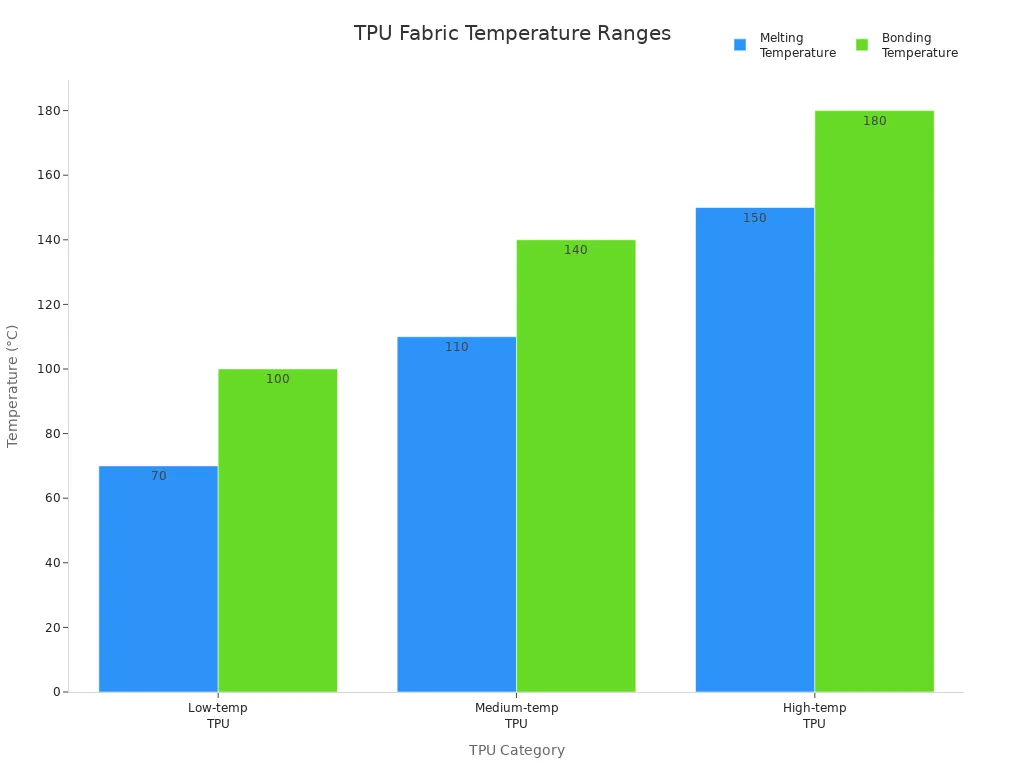
Polyurethane nhiệt dẻo mang lại độ ổn định nhiệt và độ dẻo dai ở nhiệt độ thấp tuyệt vời, giúp vải nylon phủ TPU hoạt động đáng tin cậy trong các nhiệt độ cực đoan. Dải nhiệt độ vận hành cho các loại vải TPU công nghiệp bao gồm các mức nhiệt độ thấp, trung bình và cao:
| Danh mục nhiệt độ | Nhiệt độ nóng chảy | Nhiệt độ kết dính |
|---|---|---|
| TPU nhiệt độ thấp | ~70°C | ~100°C |
| TPU nhiệt độ trung bình | ~110°C | ~140°C |
| TPU nhiệt độ cao | ~150°C | ~180°C |
Vải nylon phủ TPU duy trì độ dẻo dai và sức mạnh trong phạm vi nhiệt độ rộng. Bảng dưới đây so sánh độ dẻo dai ở nhiệt độ thấp và độ bền với các vật liệu khác:
| Chất liệu | Tính linh hoạt | Độ bền | Ứng dụng phù hợp |
|---|---|---|---|
| TPU | Tuyệt vời trong phạm vi nhiệt độ rộng | Kháng cao với nhiệt độ cực đoan, ánh sáng UV và mài mòn | Trang bị ngoài trời, đồng phục thể thao, các sản phẩm thường xuyên phải di chuyển |
| PVC | Cứng hơn hoặc bán cứng | Thích hợp cho các ứng dụng tĩnh | Ống dẫn, cách điện dây điện |
| Cao su | Thay đổi, thường kém dẻo dai hơn TPU | Độ bền tốt nhưng có thể bị suy giảm trong điều kiện khắc nghiệt | Các sản phẩm sử dụng thông thường, giày dép |
TPU giữ nguyên hình dạng dưới áp lực, làm cho nó trở nên lý tưởng cho các sản phẩm co giãn và các ứng dụng thường xuyên phải di chuyển. Các lựa chọn TPU có thể tái chế càng nâng cao tính bền vững, hỗ trợ cả hiệu suất và mục tiêu môi trường.
Lưu ý: Cấu trúc của vải nylon phủ TPU, với nền polyester và lớp phủ TPU, giúp tăng cường khả năng chống thấm nước, độ dẻo dai và độ bền. Nền polyester cung cấp độ bền kéo và khả năng chống mài mòn, trong khi lớp phủ TPU bổ sung khả năng chống thủy phân và độ dẻo dai ở nhiệt độ thấp.
Các loại vải TPU công nghiệp, bao gồm vải polyester phủ TPU, mang đến sự kết hợp độc đáo giữa độ bền, tính đàn hồi cùng khả năng chống dầu và hóa chất. Những đặc tính này khiến chúng trở thành vật liệu được lựa chọn cho các loại vải kỹ thuật cao trong những môi trường công nghiệp khắc nghiệt. Khả năng thoáng khí, chịu va đập và các lựa chọn TPU có thể tái chế của chúng hỗ trợ một loạt ứng dụng đa dạng, từ bạt bảo vệ đến bể chứa linh hoạt và thiết bị ngoài trời.
Lợi ích sản xuất của vải TPU
Tăng cường tuổi thọ sản phẩm
Vải TPU mang lại những lợi ích đáng kể về tuổi thọ sản phẩm. Các nhà sản xuất nhận thấy rằng các sản phẩm làm từ TPU có tuổi thọ cao hơn nhiều so với những sản phẩm làm từ vật liệu truyền thống. Tuổi thọ trung bình của các sản phẩm dựa trên TPU dao động từ 5 đến 10 năm, trong khi các sản phẩm PVC thường phải thay thế chỉ sau 1 đến 4 năm.
| Loại vật liệu | Tuổi thọ trung bình |
|---|---|
| TPU | 5–10 năm |
| PVC | 1–4 năm |
Các miếng đệm bến tàu làm bằng vải phủ TPU duy trì độ dẻo dai ở nhiệt độ đóng băng. Không giống như các vật liệu thông thường, TPU không trở nên giòn, đảm bảo miếng đệm bến tàu hoạt động tốt ngay cả trong điều kiện dưới âm độ. Các dây kéo có lớp phủ TPU vẫn giữ được độ dẻo dai ở -40 °F và chống nứt gãy do chu kỳ đóng băng – tan chảy. Độ bền này giúp giảm chi phí bảo trì và hạn chế thời gian ngừng hoạt động trong dây chuyền sản xuất. Vải TPU chống lại sự phân hủy bởi nhiên liệu và dầu mỡ, khiến chúng trở nên lý tưởng cho các lều phao và rèm công nghiệp nơi việc duy trì niêm phong kín khí là rất quan trọng.
Tính linh hoạt trong các ứng dụng công nghiệp
TPU nổi bật là một vật liệu cực kỳ linh hoạt. Những lợi ích của nó bao gồm tính đàn hồi và độ bền tuyệt vời, phù hợp với nhiều loại hình ứng dụng khác nhau. Các nhà sản xuất sử dụng TPU trong đồ dùng ngoài trời, thiết bị bơm hơi và các ứng dụng công nghiệp như băng tải và bạt bảo vệ. Vật liệu này thích nghi với nhiều quy trình sản xuất khác nhau, bao gồm sản xuất composite và cấu trúc sandwich chức năng. Trong lĩnh vực y tế, TPU cung cấp quần áo bảo hộ ngăn chặn sự thâm nhập của chất lỏng mà vẫn duy trì khả năng thoáng khí. Các ngành xây dựng tin dùng TPU để làm vật liệu chống nước và cách nhiệt. Các nhà sản xuất ô tô sử dụng TPU để chống nước và cách nhiệt trong nội thất xe.
- Độ đàn hồi và độ bền tuyệt vời
- Bền bỉ trong điều kiện khắc nghiệt
- Phù hợp với nhiều ứng dụng bảo vệ khác nhau
- Khả năng chống dung môi, hóa chất, dầu mỡ tốt
Tính linh hoạt trong thiết kế của TPU cho phép các kỹ sư tùy chỉnh sản phẩm theo nhu cầu công nghiệp cụ thể, hỗ trợ các mục tiêu phát triển bền vững thông qua các lựa chọn có thể tái chế.
Hiệu quả chi phí và độ tin cậy
Vải TPU mang lại hiệu quả chi phí trong suốt vòng đời sản phẩm. Mặc dù ban đầu TPU có thể đắt hơn PVC, nhưng tuổi thọ dài hơn và tần suất thay thế ít hơn khiến nó trở thành lựa chọn tiết kiệm chi phí. Bảng dưới đây so sánh chi phí và tuổi thọ:
| Chất liệu | Chi phí mỗi đơn vị | Tuổi thọ | Chi phí mỗi năm |
|---|---|---|---|
| TPU | $0,36–$0,69 | 6–7 năm | $0,05–$0,12 |
| Silicone | $1,54–$2,50 | 7–10 năm | $0,15–$0,36 |
| PVC | $1,00–$5,00 | 2–3 lần thay thế | Thay đổi tùy thuộc vào từng trường hợp |
Khả năng chống hóa chất và yêu cầu bảo dưỡng thấp của TPU góp phần giảm chi phí bảo trì. Hiệu suất đáng tin cậy giảm thiểu thời gian ngừng hoạt động, nâng cao hiệu quả trong các lĩnh vực như khai thác mỏ, nông nghiệp, logistics và quốc phòng. Lợi ích bền vững càng làm tăng sức hấp dẫn của TPU, vì ít phải thay thế đồng nghĩa với ít rác thải và giảm tác động đến môi trường.
Các nhà sản xuất lựa chọn TPU nhờ độ bền, tính linh hoạt và hiệu quả chi phí, biến nó thành khoản đầu tư thông minh cho các ứng dụng công nghiệp khắt khe.
So sánh vật liệu: TPU so với các lựa chọn thay thế
TPU so với PVC và cao su
Các nhà sản xuất thường so sánh vải TPU với PVC và cao su khi lựa chọn vật liệu cho các ứng dụng công nghiệp. Bảng sau đây nhấn mạnh sự khác biệt về độ bền và khả năng thích nghi:
| Chất liệu | Độ bền | Thích nghi |
|---|---|---|
| TPU | Rất cao (chịu mài mòn/chống lạnh) | Khả năng phục hồi tuyệt vời, chịu được uốn cong lặp đi lặp lại |
| PVC | Trung bình (nứt theo thời gian) | Trở nên giòn ở nhiệt độ thấp |
| Cao su | Ít chịu mài mòn hơn TPU từ 3-5 lần | Ít thích nghi hơn TPU |
Nhiều người chọn TPU nhờ tính linh hoạt, độ bền kéo và khả năng chống mài mòn. Nó hấp thụ va đập và chống lại hóa chất, dầu mỡ, dung môi. TPU vẫn giữ được độ dẻo dai trong môi trường lạnh và chống thủy phân, phù hợp với các điều kiện ẩm ướt hoặc hơi nước. Nó cũng cung cấp cách điện cho các linh kiện điện tử.
Các nhà sản xuất đánh giá cao TPU nhờ độ bền, tính đàn hồi và hiệu suất đáng tin cậy trong các môi trường ma sát cao hay khắc nghiệt.
TPU so với cao su đàn hồi polyurethane nhiệt dẻo
Cao su đàn hồi polyurethane nhiệt dẻo là một vật liệu phổ biến khác trong các môi trường công nghiệp. Tuy nhiên, TPU mang lại nhiều ưu điểm hơn:
- TPU có độ đàn hồi cao, độ giãn dài tại điểm đứt lên đến 600%.
- Nó có độ bền kéo từ 30 đến 50 MPa, cao hơn nhiều loại cao su công nghiệp.
- TPU chịu mài mòn gấp đến mười lần so với cao su tự nhiên.
- Nó duy trì tính toàn vẹn cơ học khi tiếp xúc với dầu mỡ, dung môi.
- TPU được sử dụng ngoài trời nhờ khả năng chống tia UV và thời tiết.
- Khả năng gia công của nó cho phép ép phun và sản xuất theo yêu cầu.
- Thành phần TPU có thể được điều chỉnh để đáp ứng các nhu cầu công nghiệp khác nhau.
- Nó mang lại khả năng chống chịu vượt trội đối với nhiệt độ cao và thấp, ozone, mỡ, dầu và hóa chất.
- TPU có khả năng chịu tải lớn hơn hầu hết các vật liệu tương đương.
Bảng dưới đây so sánh các thuộc tính chính:
| Thuộc tính hiệu suất | TPU | Cao su đàn hồi polyurethane nhiệt dẻo |
|---|---|---|
| Tính linh hoạt | Trung bình, cứng hơn | Mềm hơn, linh hoạt hơn |
| Độ Cứng | Cao hơn, có thể tùy chỉnh | Nhìn chung mềm hơn |
| Khả năng chống mài mòn | Cao | Trung bình |
| Khả năng chịu hóa chất | Tốt | Tốt, ít bền chắc hơn |
| Khả năng chống va đập | Tuyệt vời | Tốt |
| Chống Tia UV | Tuyệt vời | Tuyệt vời |
| Khả năng chịu nhiệt | Cao | Tốt |
TPU so với silicone và các vật liệu khác
TPU và silicone đóng vai trò khác nhau trong sản xuất. Bảng dưới đây nêu rõ những khác biệt chính giữa chúng:
| Tính chất | TPU | Cao su silicone |
|---|---|---|
| Độ linh hoạt & độ đàn hồi | Rất đàn hồi, dai sức | Rất mềm, độ giãn dài cao, độ bền xé thấp hơn |
| Khả năng chịu nhiệt | -40°C đến ~100°C | -60°C đến 200°C (một số loại cao hơn) |
| Độ bền & độ mài mòn | Chịu lực tốt, chống mài mòn | Chống mài mòn kém |
| Khả năng chịu hóa chất | Chống dầu, mỡ, hydrocacbon | Trơ với nhiều hóa chất, trương nở trong dầu |
| Tính sinh học tương thích | Không độc hại, không chứa BPA | Ưu tiên cho thực phẩm/dược phẩm, không thôi nhiễm |
TPU nổi bật nhờ cấu trúc mỏng nhẹ và vẻ ngoài hiện đại. Nó đạt được độ bán trong suốt và bề mặt kim loại, trong khi silicone mang lại cảm giác cầm nắm cao cấp và khả năng tạo hình sâu hơn cho thương hiệu. Các nhà sản xuất lựa chọn TPU khi cần đường nét sắc sảo, khả năng chống mài mòn và hiệu suất đáng tin cậy trong môi trường chịu áp lực cao.
Vải TPU công nghiệp mang lại hiệu suất chưa từng có trong sản xuất hiện đại. Chúng kết hợp độ bền, độ đàn hồi và khả năng chống hóa chất, đáp ứng nhu cầu của nhiều ngành công nghiệp khác nhau. Các nhà sản xuất đánh giá cao khả năng tùy chỉnh, thân thiện với môi trường và hiệu quả về chi phí. Bảng dưới đây nêu bật những ưu điểm chính của chúng:
| Ưu điểm | Mô tả |
|---|---|
| Hiệu suất cao | Độ bền và độ đàn hồi đặc biệt cho các ứng dụng khó khăn. |
| Tùy chỉnh | Độ dày, kết cấu và độ trong suốt linh hoạt phù hợp với nhu cầu cụ thể. |
| Thân thiện với môi trường | Lựa chọn bền vững với các phương án phân hủy sinh học. |
| Hiệu quả về chi phí | Tuổi thọ dài và độ bền bù đắp cho chi phí ban đầu cao hơn. |
| Tính đa dạng | Có ích trong các lĩnh vực ô tô, điện tử, dệt may, y tế và đóng gói. |
Các nhà quyết định coi vải TPU là giải pháp đáng tin cậy cho các thách thức công nghiệp. Các chuyên gia trong ngành khuyến nghị sử dụng những vật liệu này cho các dự án đòi hỏi độ bền, hiệu quả và trách nhiệm môi trường.
Câu hỏi thường gặp
Vải TPU công nghiệp là gì?
Vải TPU công nghiệp kết hợp nền polyester mạnh mẽ với lớp phủ polyurethane nhiệt dẻo. Cấu trúc này mang lại cho vật liệu độ bền cao, độ linh hoạt và khả năng chống mài mòn, hóa chất cũng như nhiệt độ khắc nghiệt.
Vải TPU so sánh thế nào với PVC về độ bền?
Vải TPU bền hơn PVC. Nó chống nứt gãy, chống mài mòn và hư hại do hóa chất. Các nhà sản xuất thường chọn TPU cho những sản phẩm đòi hỏi tuổi thọ kéo dài và hiệu suất đáng tin cậy.
Các nhà sản xuất sử dụng vải TPU công nghiệp ở đâu?
Các nhà sản xuất sử dụng vải TPU công nghiệp trong khai thác mỏ, nông nghiệp, logistics và quốc phòng. Những loại vải này xuất hiện trong các bể chứa linh hoạt, túi khí nâng, vỏ bảo vệ và lều bạt bơm hơi.
Vải TPU có chịu được nhiệt độ cực đoan không?
Các loại vải TPU duy trì tính linh hoạt và độ bền trong cả môi trường nóng lẫn lạnh. Chúng hoạt động đáng tin cậy trong điều kiện đóng băng và chống lại sự suy giảm do nhiệt cũng như tác động của tia UV.
Các loại vải TPU có thân thiện với môi trường không?
Nhiều loại vải TPU cung cấp các lựa chọn có thể tái chế. Các nhà sản xuất lựa chọn TPU để giảm lượng rác thải và hỗ trợ các mục tiêu phát triển bền vững. Tuổi thọ dài của vật liệu này cũng giúp giảm tác động đến môi trường.
Mẹo: Luôn kiểm tra thông số kỹ thuật sản phẩm để biết thông tin về khả năng tái chế và các chứng nhận môi trường.