










In che modo il tessuto laminato in TPU soddisfa le esigenze degli articoli gonfiabili leggeri per l’outdoor?

Weight matters when outdoor equipment must be carried over long distances. For backpackers, mountaineers, and multi-day trekkers, a sleeping pad or inflatable pillow needs to provide comfort without taking up too much space or adding unnecessary weight. For manufacturers, achieving this balance depends heavily on the materials used in the product’s inflatable structure. TPU laminated […]
Come dovrebbero i produttori scegliere il tessuto di nylon rivestito in TPU per zaini da esterno impermeabili?

Gli zaini da outdoor sono sottoposti a una combinazione di sollecitazioni meccaniche e di condizioni meteorologiche variabili. Durante escursioni, arrampicate e spedizioni di più giorni, il tessuto può sfregare contro rocce ruvide, sopportare carichi concentrati, affrontare piogge intense e subire ripetuti piegamenti durante il trasporto. Tali condizioni esercitano forti sollecitazioni sia sulla struttura del tessuto sia sullo strato impermeabile. Per i produttori, la scelta […]
Come scelgono i produttori la giusta pellicola TPU per dispositivi medici?
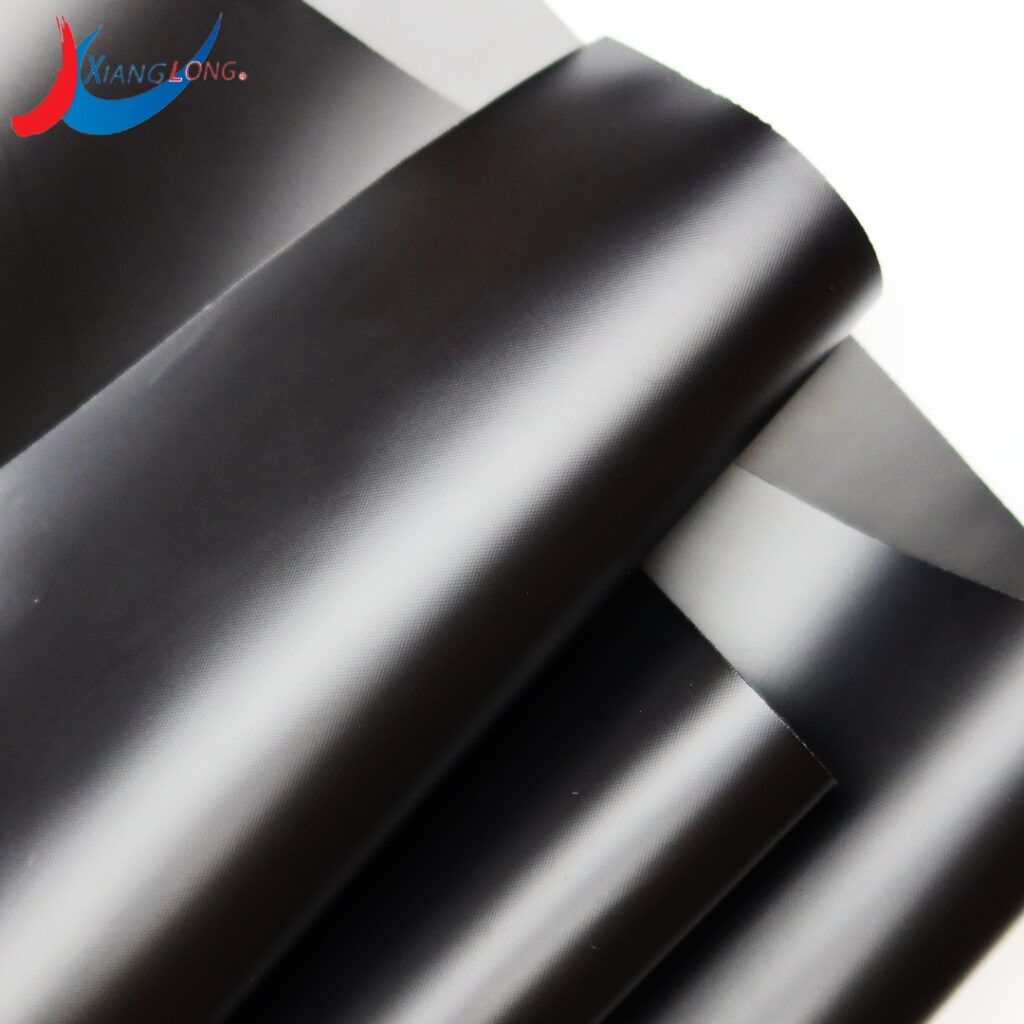
La scelta del film TPU per i dispositivi medici richiede più di un semplice confronto tra spessore, durezza o prezzo unitario. Le prestazioni del materiale dipendono dalla struttura del dispositivo, dalle condizioni di contatto, dal metodo di sigillatura, dalla durata di servizio prevista e dai requisiti imposti al prodotto finito. Un film che offre buone prestazioni in un materasso gonfiabile potrebbe non essere la scelta migliore per una compressione […]
Perché il tessuto di cotone rivestito in TPU XL è una scelta intelligente per prodotti outdoor sostenibili
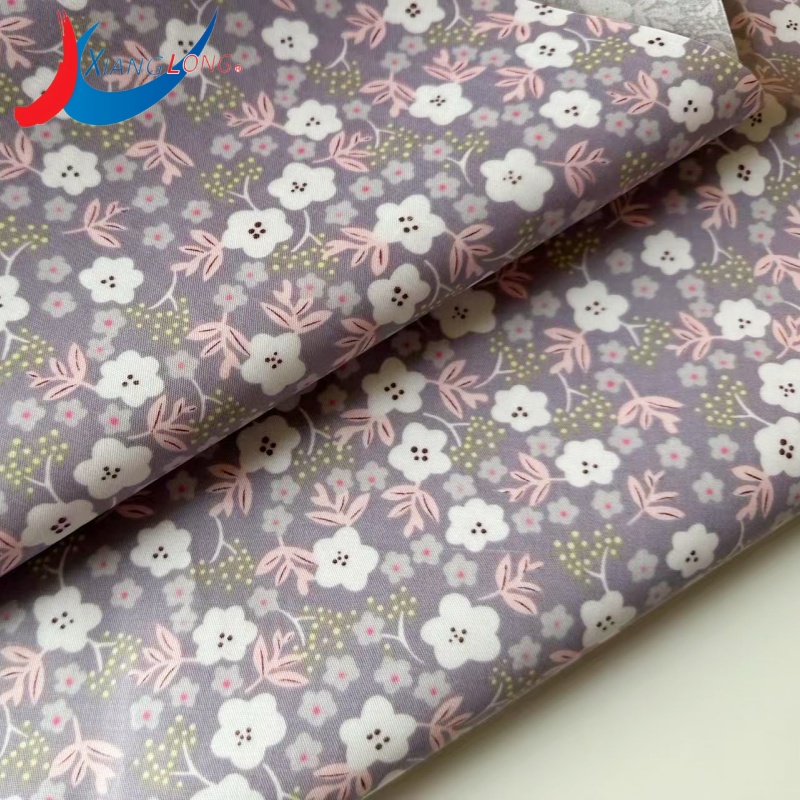
[QWEN_MT_ITEM_1]Il cotone ha una texture familiare che molte marche di prodotti per l'outdoor e il lifestyle vogliono mantenere nei loro articoli. La difficoltà è che il cotone non trattato non offre la barriera impermeabile necessaria per sacche a tenuta stagna, coperture protettive, prodotti gonfiabili da campeggio e altre attrezzature esposte all'umidità. L'aggiunta di uno strato di polimero modifica la funzione del tessuto, ma la scelta […]
Tessuti in TPU sostenibili vs tessuti in TPU vergine: cosa dovrebbero confrontare i produttori?
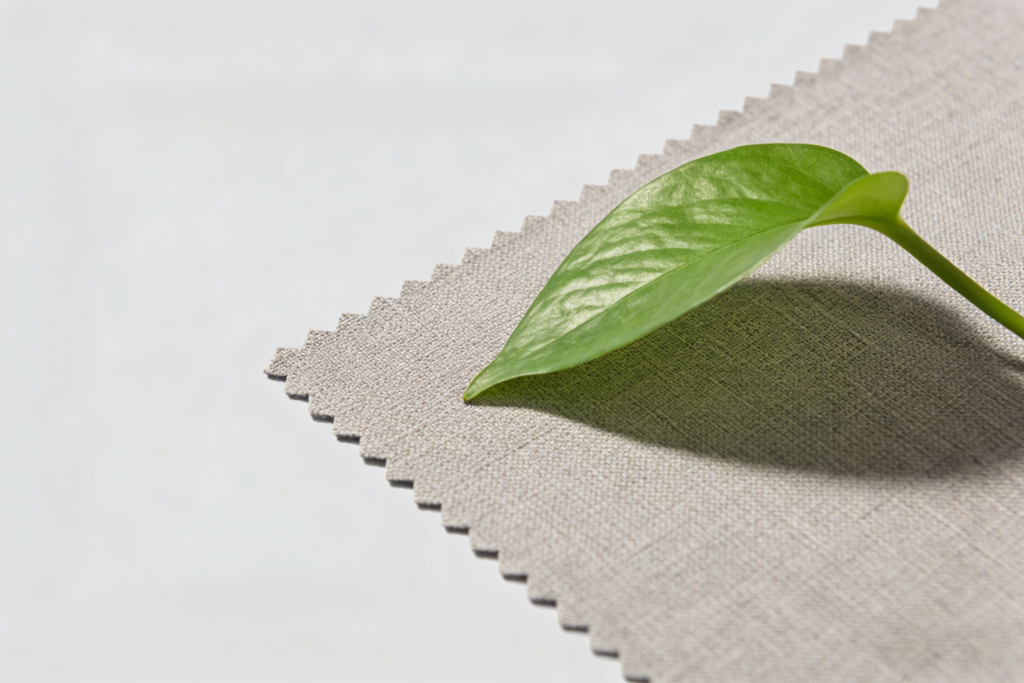
Scegliere tra tessuti TPU sostenibili e tessuti TPU vergini implica più di semplicemente confrontare il contenuto riciclato o i prezzi dei materiali. Per i produttori di attrezzature per l'outdoor, prodotti gonfiabili, borse, coperture protettive e componenti industriali, la decisione deve tenere conto delle prestazioni meccaniche, dell'integrità del rivestimento, delle condizioni di lavorazione, della durata d'uso e della coerenza dell'approvvigionamento. I tessuti TPU sostenibili possono incorporare poliestere riciclato, riciclato […]
Perché il tessuto in nylon rivestito in TPU è una scelta di materiale migliore per i kayak gonfiabili?

Un kayak gonfiabile sembra semplice dall'esterno. Una superficie esterna flessibile, diverse camere d'aria, valvole, sedili e punti di connessione costituiscono la maggior parte della struttura visibile. Il materiale all'interno di questa struttura, tuttavia, deve affrontare una combinazione esigente di condizioni. Deve trattenere l'aria per lunghi periodi, tollerare ripetute operazioni di gonfiaggio e sgonfiaggio, piegarsi […]
TPU polietere vs TPU poliestere: quale scegliere per la tua applicazione?

Scegliere tra TPU polietere e TPU poliestere raramente significa optare per il materiale con le specifiche più elevate in una scheda tecnica. Entrambi appartengono alla famiglia dei poliuretani termoplastici, ma le loro strutture molecolari conferiscono loro profili prestazionali diversi in termini di umidità, idrolisi, abrasione, esposizione chimica, ambienti a bassa temperatura e uso a lungo termine. Per gli sviluppatori di prodotti e gli ingegneri acquisti, […]
Wuxi Xianglong a Intertextile Shanghai Apparel Fabrics 2026: collegare i tessuti con applicazioni reali
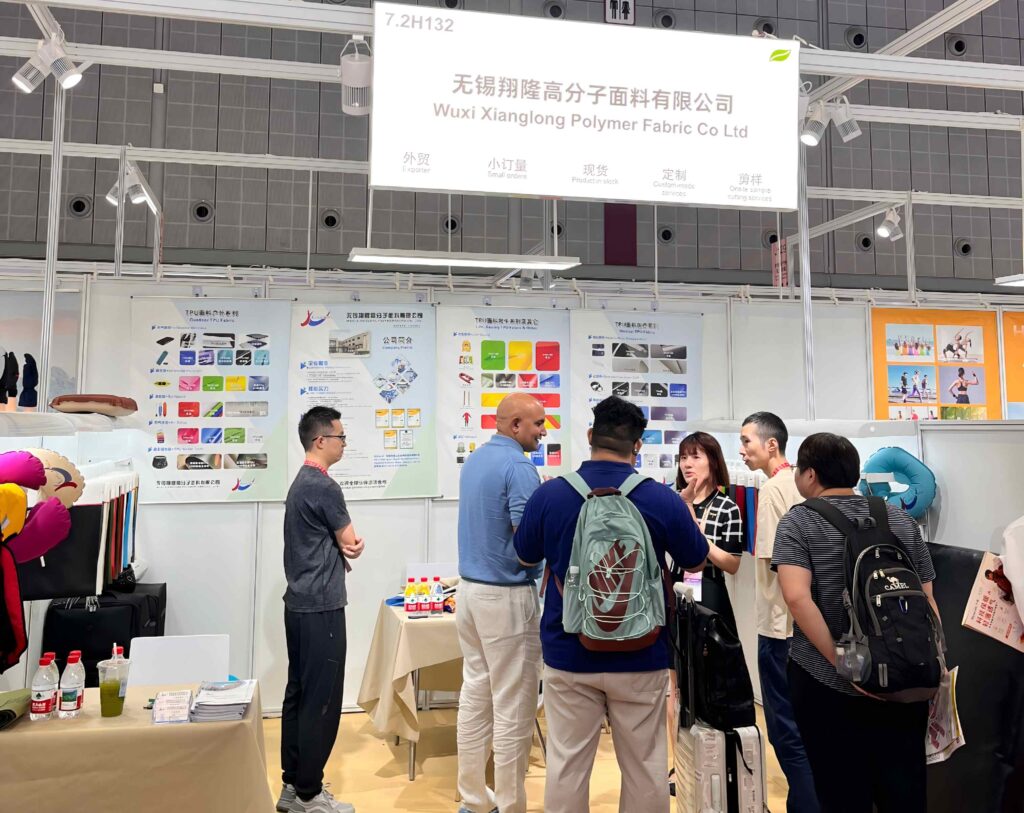
Dal 25 al 27 agosto 2026, l'edizione autunnale di Intertextile Shanghai Apparel Fabrics ha riunito a Shanghai produttori tessili, marchi, acquirenti e professionisti del settore. Per Wuxi Xianglong Polymer Fabric Co., Ltd., la tre giorni di esposizione è stata un'occasione per incontrare i clienti faccia a faccia, presentare i prodotti chiave e, cosa ancora più importante, ascoltare ciò che gli acquirenti di tessuti stanno attualmente […]
Perché la pellicola in TPU è il segreto per una laminazione perfetta nel 2026
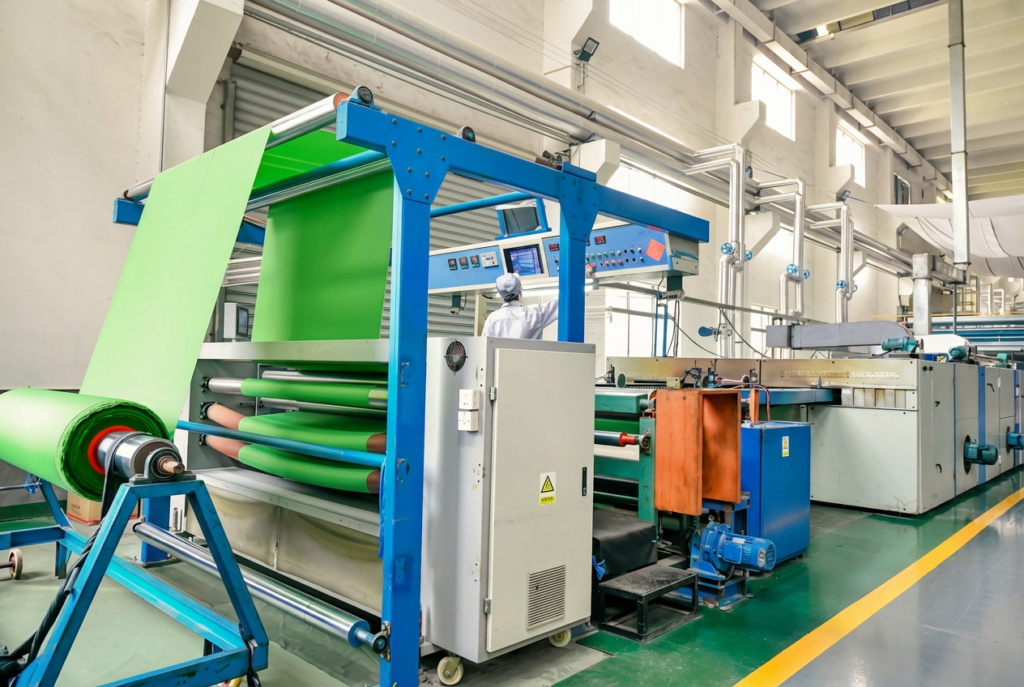
Una laminazione che si sfalda, forma bolle o risulta rigida rovina un prodotto altrimenti perfetto. Le pellicole tradizionali spesso falliscono sotto stress o esposizione. La pellicola TPU cambia completamente questo risultato. Questo materiale—i poliuretani termoplastici—combina elasticità, resistenza e adesione attivata dal calore in un unico foglio. A differenza del PVC o del PET, il TPU resiste alle crepe e mantiene la trasparenza nel tempo. Il risultato è un materiale flessibile, resistente […]
Cosa rende il tessuto rivestito in TPU abbastanza affidabile per giubbotti di salvataggio e rifugi d'emergenza
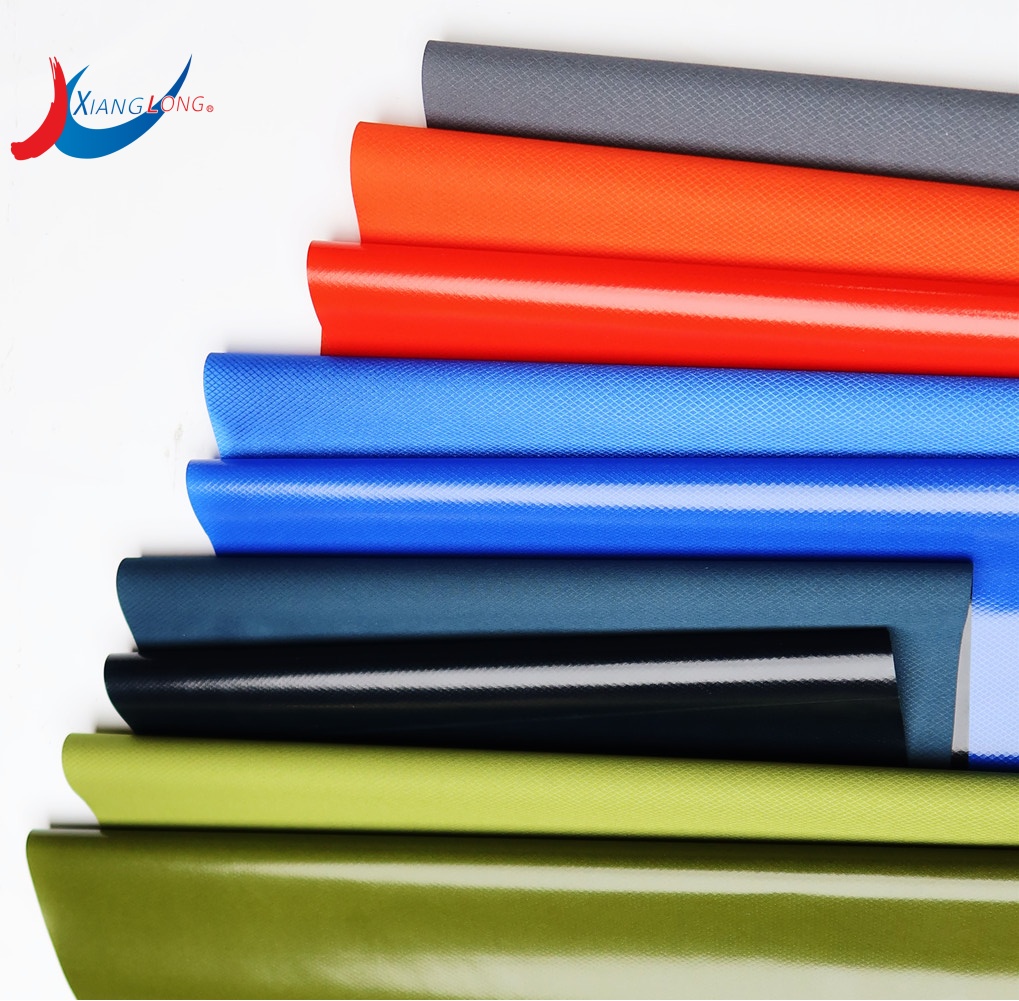
L'attrezzatura di sicurezza non ha una seconda possibilità di funzionare. Un giubbotto di salvataggio che perde galleggiabilità o un rifugio che si spacca al freddo non sono un difetto da correggere nella prossima produzione — rappresentano un rischio di richiamo e, nel peggiore dei casi, un incidente di sicurezza. Per i produttori di giubbotti di salvataggio, tute subacquee, […]