










¿Cómo cumple la tela laminada con TPU las exigencias de los inflables ligeros para exteriores?

Weight matters when outdoor equipment must be carried over long distances. For backpackers, mountaineers, and multi-day trekkers, a sleeping pad or inflatable pillow needs to provide comfort without taking up too much space or adding unnecessary weight. For manufacturers, achieving this balance depends heavily on the materials used in the product’s inflatable structure. TPU laminated […]
¿Cómo deberían los fabricantes seleccionar la tela de nylon recubierta con TPU para mochilas impermeables de exterior?

Las mochilas de exterior están expuestas a una combinación de esfuerzos mecánicos y condiciones climáticas variables. Durante actividades como el senderismo, la escalada y las expediciones de varios días, el tejido puede rozar contra rocas ásperas, soportar cargas concentradas, enfrentarse a lluvias intensas y someterse a pliegues repetidos durante el transporte. Estas condiciones exigen tanto a la estructura del tejido como a la capa impermeable. Para los fabricantes, seleccionar […]
¿Cómo eligen los fabricantes la película de TPU adecuada para dispositivos médicos?
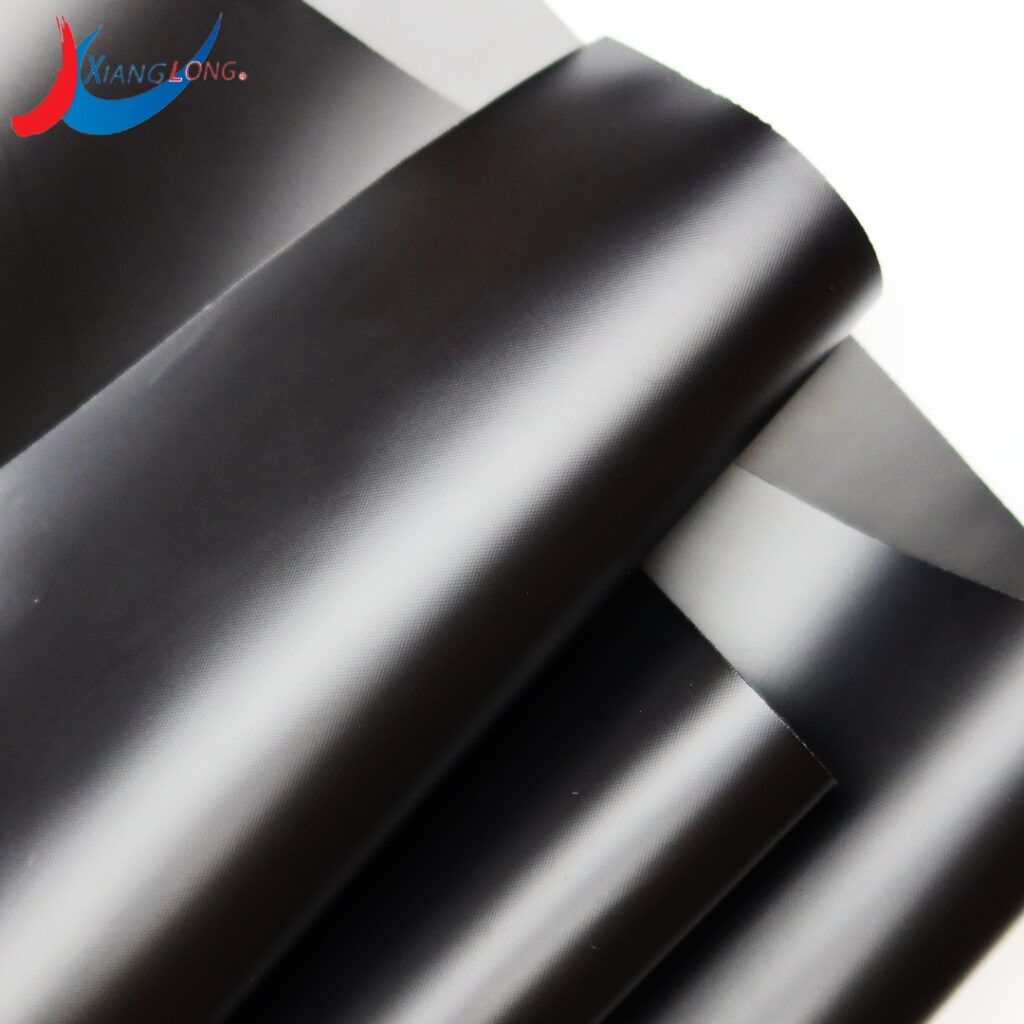
Selecting TPU Film for medical devices requires more than comparing thickness, hardness, or unit price. Material performance depends on the device structure, contact conditions, sealing method, expected service life, and the requirements imposed on the finished product. A film that performs well in an inflatable mattress may not be the best choice for a compression […]
Por qué la tela de algodón revestida con TPU XL es una opción inteligente para productos sostenibles para exteriores
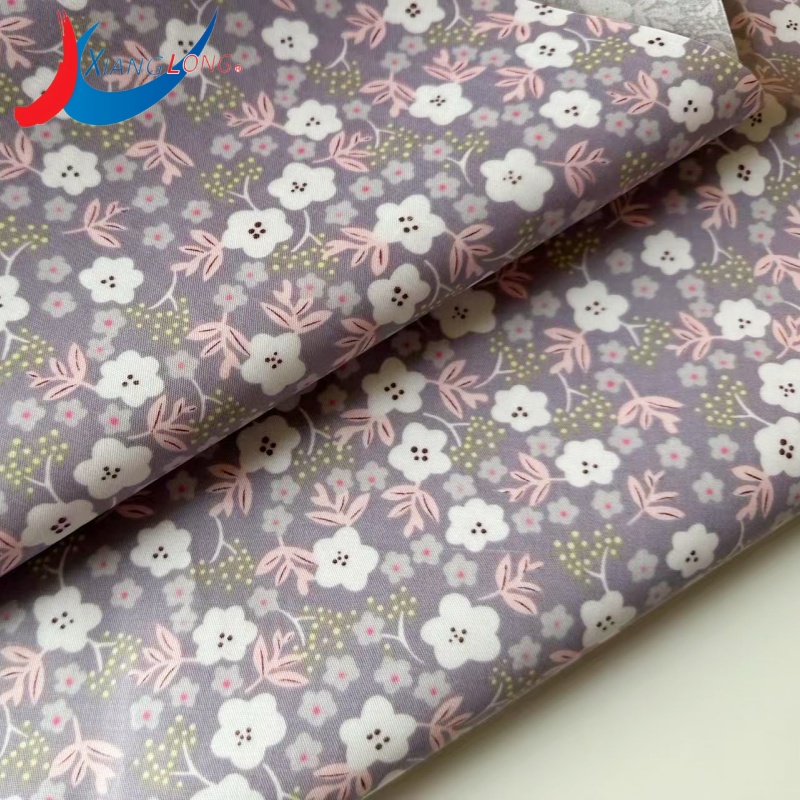
El algodón tiene una textura familiar que muchas marcas de productos para exteriores y estilo de vida quieren mantener en sus productos. La dificultad es que el algodón sin tratar no proporciona la barrera impermeable necesaria para bolsas secas, fundas protectoras, productos inflables para acampar y otro equipo expuesto a la humedad. Añadir una capa de polímero cambia la función del tejido, pero la elección […]
Telas de TPU sostenibles frente a telas de TPU virgen: ¿Qué deberían comparar los fabricantes?
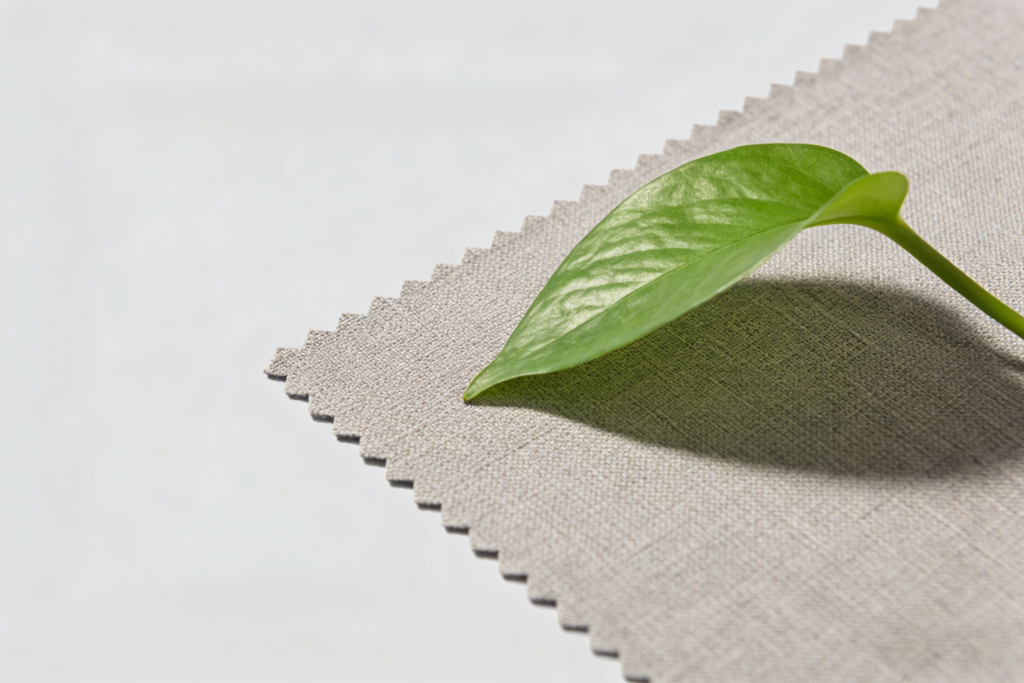
Elegir entre tejidos TPU sostenibles y tejidos TPU virgen implica más que comparar el contenido reciclado o los precios de los materiales. Para los fabricantes de equipos para exteriores, productos inflables, bolsas, fundas protectoras y componentes industriales, la decisión debe tener en cuenta el rendimiento mecánico, la integridad del revestimiento, las condiciones de procesamiento, la vida útil y la consistencia del suministro. Los tejidos TPU sostenibles pueden incorporar poliéster reciclado, reciclado […]
¿Por qué la tela de nylon recubierta con TPU es una mejor opción de material para kayaks inflables?

Un kayak inflable parece simple por fuera. Una superficie exterior flexible, varias cámaras de aire, válvulas, asientos y puntos de conexión conforman la mayor parte de la estructura visible. Sin embargo, el material dentro de esa estructura tiene que enfrentarse a una combinación exigente de condiciones. Debe contener aire durante largos períodos, tolerar inflaciones y desinflaciones repetidas, doblarse […]
TPU de poliéter frente a TPU de poliéster: ¿cuál deberías elegir para tu aplicación?

Elegir entre TPU de poliéter y TPU de poliéster rara vez es cuestión de escoger el material con la especificación más alta en una hoja de datos. Ambos pertenecen a la familia de los poliuretanos termoplásticos, pero sus estructuras moleculares les confieren perfiles de rendimiento diferentes en cuanto a humedad, hidrólisis, abrasión, exposición química, entornos de baja temperatura y uso a largo plazo. Para los desarrolladores de productos y los ingenieros de compras, […]
Wuxi Xianglong en Intertextile Shanghai Apparel Fabrics 2026: Conectando tejidos con aplicaciones del mundo real
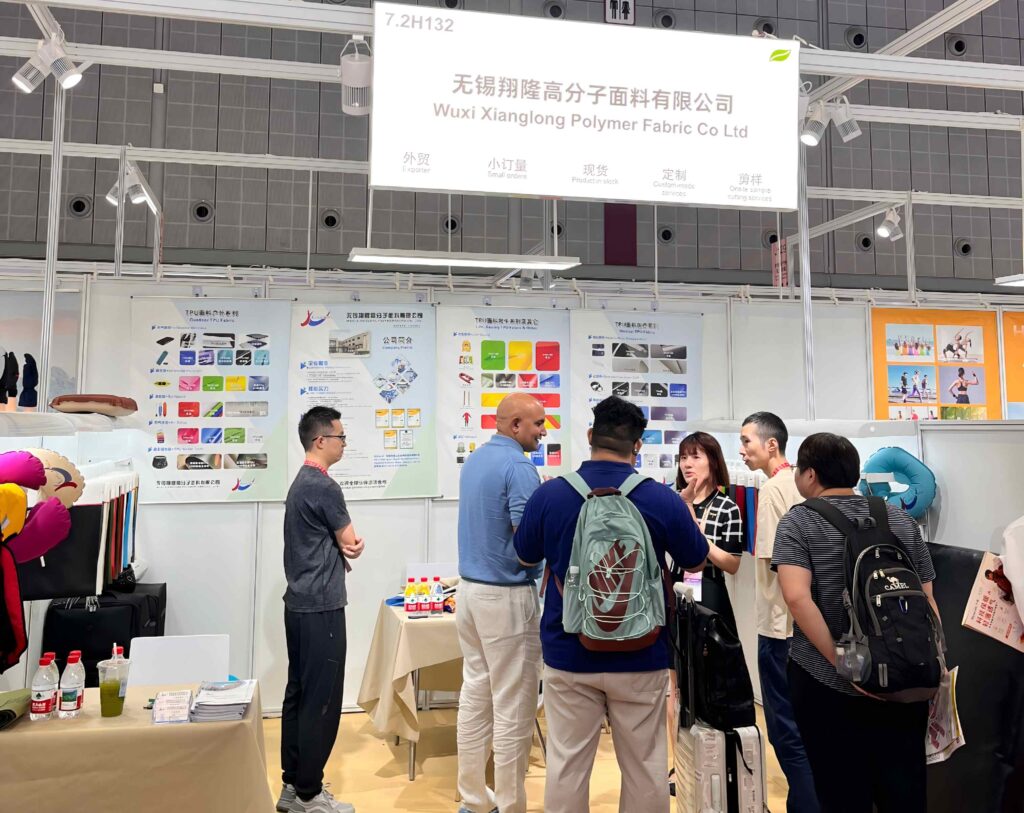
Del 25 al 27 de agosto de 2026, la edición de otoño de Intertextile Shanghai Apparel Fabrics reunió a fabricantes textiles, marcas, compradores y profesionales de la industria en Shanghái. Para Wuxi Xianglong Polymer Fabric Co., Ltd., la exposición de tres días fue una oportunidad para reunirse cara a cara con clientes, presentar productos clave y, lo más importante, escuchar lo que los compradores de tejidos están buscando actualmente […]
Por qué la película de TPU es el secreto para una laminación perfecta en 2026
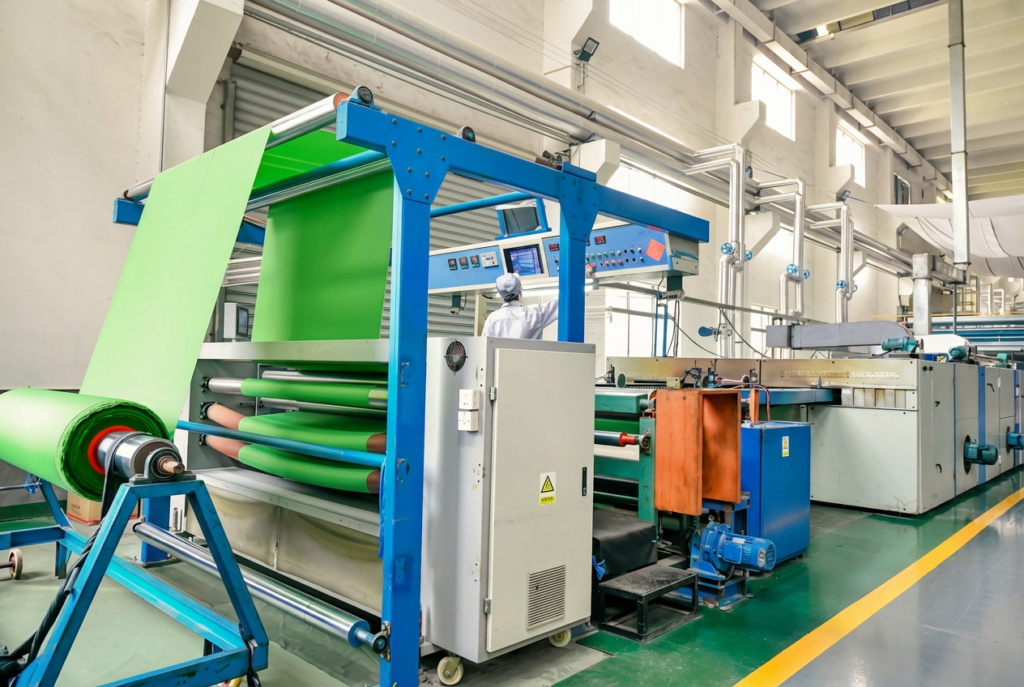
Una laminación que se desprende, forma burbujas o se siente rígida arruina un producto que de otro modo sería perfecto. Las películas tradicionales suelen fallar bajo estrés o exposición. La película TPU cambia completamente ese resultado. Este material—los poliuretanos termoplásticos—combina elasticidad, resistencia y un enlace activado por calor en una sola lámina. A diferencia del PVC o el PET, el TPU resiste las grietas y mantiene la claridad con el tiempo. El resultado es un material flexible, duradero […]
Qué hace que la tela con revestimiento de TPU sea lo suficientemente confiable para chalecos salvavidas y refugios de emergencia
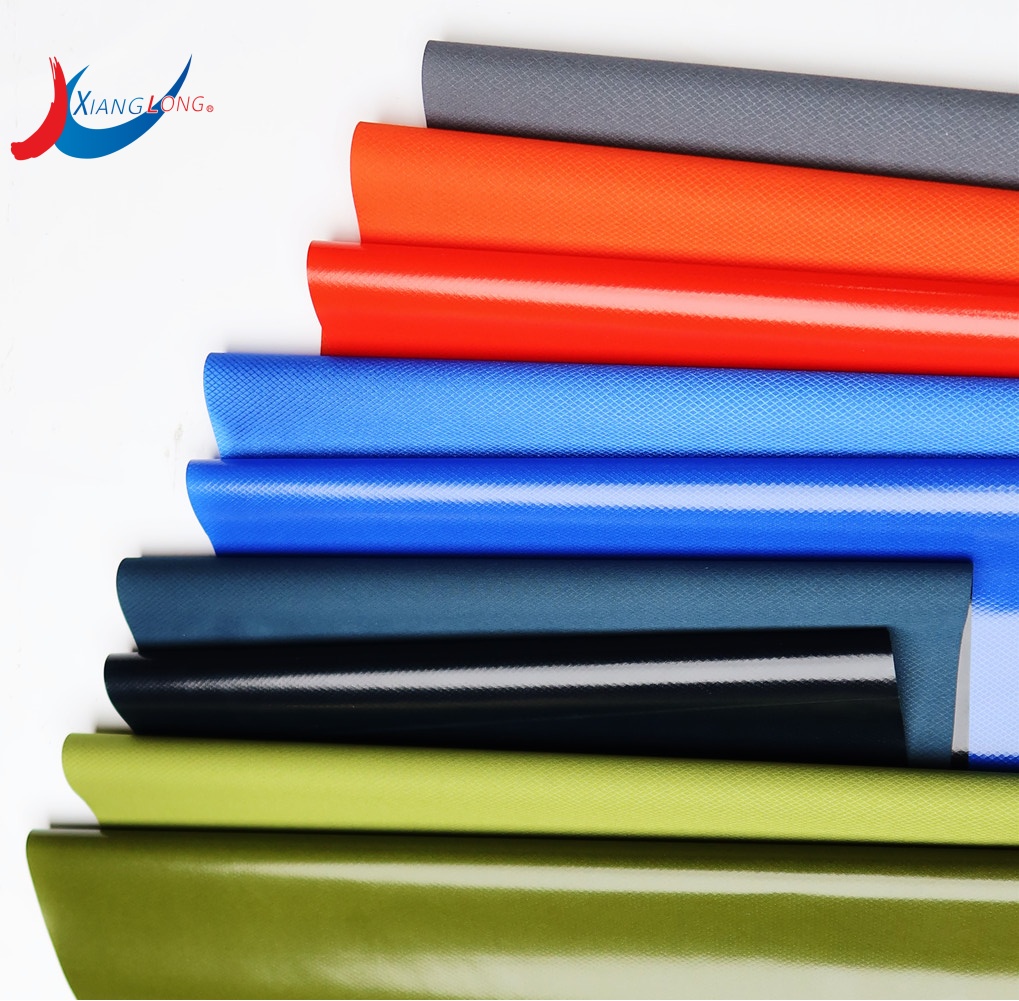
Los equipos de seguridad no tienen una segunda oportunidad para funcionar. Un chaleco salvavidas que pierde flotabilidad, o un refugio que se agrieta en clima frío, no son quejas de calidad que se solucionen en la próxima producción—son un riesgo de retiro y, en el peor de los casos, un incidente de seguridad. Para los fabricantes de chalecos salvavidas, trajes de inmersión, […]