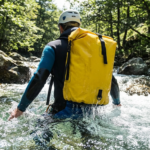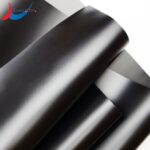






今日、どの国際的なアウトドア用品展示会を訪れても、一つのトレンドが目立たずにはいられません。かつては PVCコーティング生地 がTPUを中心に再設計されるようになっています。インフレータブルカヤック、パックラフト、水分補給用リザーバー、救助用ストレッチャー、医療用空気マットレス、ポータブル水タンク、柔軟な燃料バッグなど、すべてが同じ方向へ進んでいます。これらの製品自体は非常に異なる業界で使われていますが、この移行の背景にある理由は驚くほど一貫しています:メーカーはより長寿命で環境負荷が低く、全体的な性能も優れた素材を求めています。.
この変化は単一の規制や一時的な市場トレンドによって引き起こされているわけではありません。むしろ、製品の設計と評価方法におけるより広範なシフトを反映しています。購入判断はもはや単なる材料コストだけに基づくものではなくなりました。製品エンジニアは数千回にわたる使用サイクルにわたって耐久性をより重視するようになりました。ブランドオーナーは製品性能とともに持続可能性の目標も考慮するようになりました。エンドユーザーは軽量でメンテナンスが簡単で、厳しい環境下でも信頼性の高い装備を期待しています。.
その結果、多くの開発チームが新プロジェクトの最初に同じ質問をします: PVCを使い続けるべきか、それともTPUに切り替えるべき時期なのか?
万能の答えはありません。PVCは多くの用途において依然として実用的な解決策であり、特に製造コストが最優先で性能要件が比較的緩やかな場合に適しています。しかし、繰り返し折り畳まれたり、過酷な天候にさらされたり、長期にわたって屋外で使用されたり、直接人に触れることが想定される製品では、TPUがますます魅力的な代替手段となっています。.
PVCをTPUに置き換えることは単なる材料の代替ではありません。それはしばしば製品の性能、製造方法、そして現場での信頼性の持続期間を変えることになります。こうした違いを理解するためには、基本的な仕様を超えて、各材料が製品の全ライフサイクルを通じてどのように振る舞うかを検討する必要があります。.
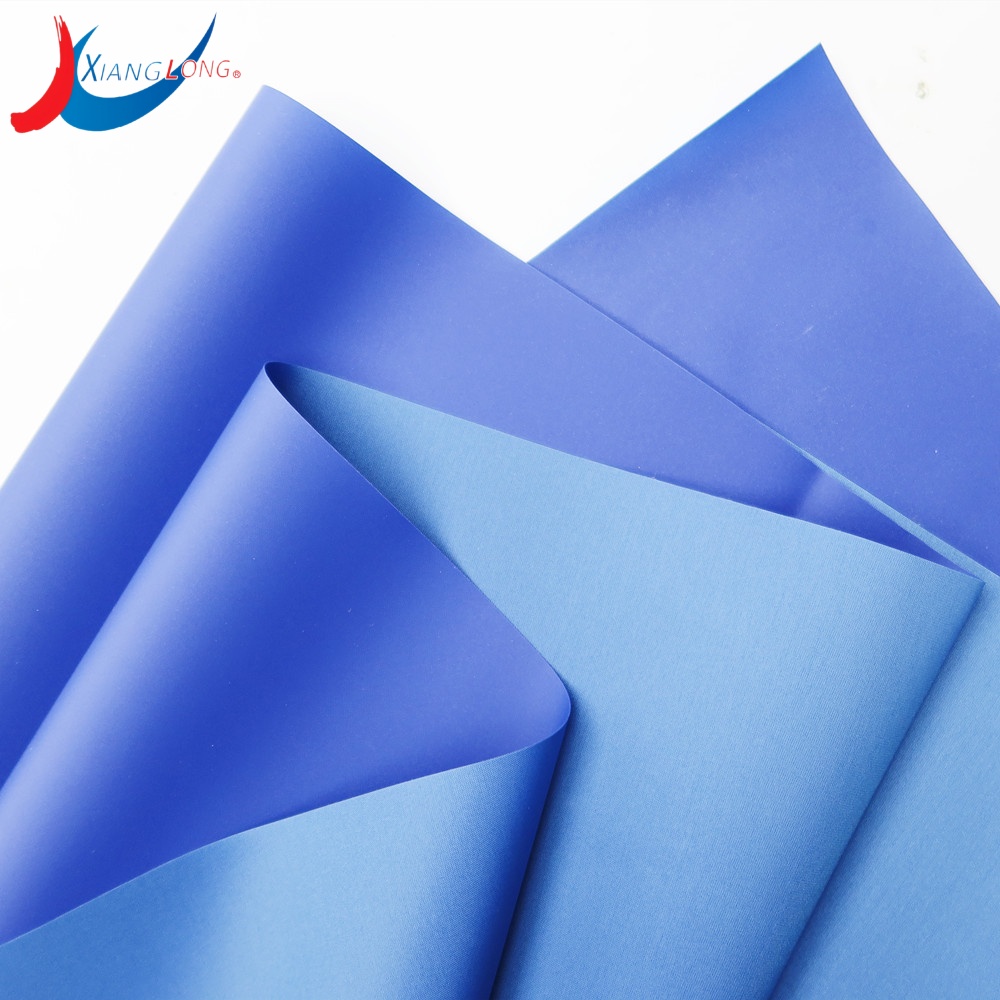
このシフトは一夜にして起きたわけではありません
PVCは数十年にわたりコーティング生地に使われてきましたが、それには十分な理由があります。防水性能と比較的低い製造コストを両立しており、高周波溶着などの成熟した生産技術とも長年互換性がありました。インフレータブル構造物、保護カバー、工業用生地などでは、性能と手頃さのバランスが実用的でした。.
しかし、20年前に設計された製品はまったく異なる期待のもとで開発されました。.
今日のアウトドア愛好家は、より遠くへ旅しながら持ち運ぶ装備を減らしています。医療機器はより頻繁な清掃や厳格な衛生基準に耐えられることが求められています。緊急対応装備は予告なしに展開される前に、長期間の保管後も信頼性を保たなければなりません。同時に、グローバルブランドは市場に投入する製品の環境負荷を削減する圧力が強まっています。.
こうした変化する期待が、かつては許容されていた限界を徐々に露呈させました。.
エンジニアたちは、繰り返し折り畳んでも硬くなりにくく、低温でも柔軟性を保ち、連続使用中の表面摩耗に耐え、製品寿命を延ばせる材料を探し始めました。TPUはすでにこうした特性から厳しい工業用途で使われていたため、技術用生地にとって自然な候補となりました。.
メーカーはすべての製品カテゴリーでPVCを置き換えるのではなく、性能向上が最も顕著なところから始めました。軽量アウトドア用品、プレミアムインフレータブル製品、再利用可能な医療機器などが、いち早くTPUコーティング生地を採用しました。加工技術が向上し、材料の選択肢が拡大するにつれて、この移行は他の多くの業界にも広がりました。.
今日、議論はもはやTPUがPVCを置き換えられるかどうかではありません。多くの用途ではすでにその答えが出ています。より重要な議論は、TPUがどこで有意義な価値を生み出し、PVCがどこで依然として実用的な選択であるかを見極めることです。.
環境性能は物語の一部にすぎません
持続可能性はよくPVCからTPUへの切り替えの主な理由として挙げられますが、この議論を環境メッセージに限定すると、この移行を推進してきた多くの実用的なエンジニアリング上の利点を見落とすことになります。.
エンジニアが材料を評価するとき、彼らはめったに一つの特性だけに注目しません。製造から製品寿命の終わりまで、材料がどのように機能するかを考慮します。.
大幅に長持ちする生地は交換頻度を減らし、メンテナンスコストを下げ、全体的な材料消費を抑えることができます。多くの場合、製品寿命を延ばすことは、単に環境に優しい材料を選ぶことよりも長期的な環境利益をもたらします。.
これは特に厳しい環境で運用される製品にとって重要です。インフレータブル救助具、アウトドアシェルター、ポータブル給水システムは、何年も使い続けられることが期待されます。材料の疲労や環境劣化のためにこれらを早期に交換することは、経済的・環境的に大きなコストを伴います。.
TPUは繰り返し使用しても一般的に機械的特性をより効果的に維持できるため、こうした長寿命を支えています。環境規制が代替材料への関心を間違いなく加速させたとはいえ、多くのメーカーはTPUを選択し続けるのは、それがより長く信頼性の高い製品を作り上げる助けになるからです。.
この違いは重要です。持続可能性は、マーケティング目的で追加された機能というより、より良いエンジニアリングの結果になりつつあります。.
PVCをTPUに置き換えると何が変わるのか?
一見すると、PVCコーティング生地とTPUコーティング生地は非常に似ています。どちらも通常、織られた布地にポリマーのコーティングを施して防水または気密性のある複合材料を作ります。.
しかし、完成品が実際の作業条件に入ると、その類似性ははるかに小さくなります。.
織られたベース生地は構造的な強度を提供します。引張荷重を支え、破れに耐え、寸法安定性を保つ役割を果たします。コーティングは、材料が湿気、温度変化、摩耗、繰り返し折り畳み、溶着などの製造プロセスに対してどのように反応するかを決定します。.
そのため、コーティングを変更すると見た目だけでなく、もっと多くのことが変わります。.
TPUは機械的ストレスに対して異なる挙動を示します。繰り返し圧縮された後も永久に変形することなく、一般的に弾性回復力がより高いです。数百回あるいは数千回折り畳んだり広げたりしても、高品質なTPUコーティング生地は柔軟性と元の形状を保持する可能性が高いです。.
この特性は、毎回使用後に収納されるように設計された製品において特に価値があります。.
ハイドレーションリザーバーはハイキングごとに丸められます。パックラフトは再び膨らませる前に何度もバックパックに折りたたまれます。医療搬送マットレスは、緊急時に展開されるまで数ヶ月間、緊急保管状態で折りたたまれたままになることがあります。.
これらの製品は、その全寿命にわたり変形のサイクルを経験します。.
こうした用途では、柔軟性を維持することが引張強度を維持することと同じくらい重要です。.
強度だけでは物語のすべてを語れない
材料サプライヤーが最もよく受ける質問の一つは意外にもシンプルです:
“「どの生地が強いですか?」”
これは理解できるものの、不完全な質問です。.
実験室での引張強度値は有用な参考データですが、完成品が何年も実際の使用後にどうなるかを予測することはほとんどありません。.
多くのインフレータブル製品は理論上の破断強度に達することはありません。むしろ、故障ははるかに劇的ではない形で始まります。.
繰り返し折り畳まれた後に小さな亀裂が現れます。.
表面コーティングは継続的な摩耗で磨耗していきます。.
材料は長期間の寒さにさらされると柔軟性を失います。.
製品が繰り返し膨らませられたり空気が抜かれたりするにつれて、ストレスは徐々に溶着部周辺に集中していきます。.
これらの問題のいずれも、引張強さの数値だけを比較することで完全に理解することはできません。.
そのため、経験豊富なプロダクトデザイナーは、コーティングされた生地を個々の素材としてではなく、完全なエンジニアリングシステムとして評価します。彼らは、基布、コーティング配合、溶着プロセス、製品形状が、製品の想定される寿命にわたりどのように相互作用するかを考慮します。.
このシステムベースのアプローチにより、機械的仕様が似ている2つの生地が、完成品に変換された時点で全く異なる結果を生み出す理由が説明されます。.
プレミアムな装備を開発するメーカーにとって、長期的な一貫性は、ラボテストレポート上の最高値を達成することよりもしばしばより重要です。.
日常使用こそが違いを明確に示す場となります
膨らませるか柔軟性のある製品が故障するのは、極端な負荷を一度だけ受けることが原因となるケースはほとんどありません。ほとんどの場合、性能低下は日常的な使用を通じて徐々に進行していきます。.
川辺の出発地点で、ドライバッグが岩の上を引きずられます。水分補給用の水袋が数百キロにわたりバックパックの内側と擦れ合います。インフレータブルボートは毎週末の旅行ごとに折りたたまれ、車のトランクに収納されます。医療支援機器は日々清掃・消毒され、再利用されています。.
これらの行動それぞれは素材に比較的小さなストレスを与えますが、それらがまとまって製品寿命を通じて何千回もの摩耗サイクルを生み出します。.
ここがTPUがその評判を得てきた理由です。.
熱可塑性ポリウレタンは優れた耐摩耗性で広く知られています。この特性ゆえに、TPUは工業用ローラー、保護フィルム、コンベヤー部品、高性能シューズなどに使われてきました。技術的織物へのコーティングとして適用された場合、その耐久性は傷や擦り傷、表面摩耗に対するより良い抵抗性へとつながります。.
メーカーにとって、耐摩耗性の向上は単に実験室での試験結果を延ばすだけではありません。それは保証率、製品の評価、顧客満足度に直接影響します。長年にわたって定期的に使用された後も性能を維持する生地は、初期の材料コストが低くても早期の交換が必要な生地よりも多くの価値を生み出すことが多いのです。.
プレミアムブランドにとって、耐久性は製品そのものの一部となりました。.
寒い天候はすぐに違いを明らかにします
アウトドア製品は理想的な実験室条件で使われることはほとんどありません。.
山道で日の出前に充填される水分補給用の水袋、冬の洪水時に展開されるインフレータブル救助筏、凍結温度下で設置される空気支持式シェルターなどは、すべて柔軟な素材に独特の要求をかけます。.
ポリマーのコーティングが低温環境で硬くなると、取り扱いが難しくなります。折りたたむことで局所的なストレスが高まり、溶着縫い目には大きな負荷がかかり、繰り返し曲げることで最終的に素材が疲労します。.
高品質なTPU配合は一般的に、多くの従来のPVCコーティング生地よりも広い温度範囲で柔軟性を保持できます。.
この違いは実際の使用においてすぐに感じられます。.
柔軟性を保つ水袋は、充填、梱包、巻き取りがより簡単です。.
インフレータブル寝袋マットは過度なシワを作らずに自然に広がります。.
冷たい車両に保管された緊急用エアバッグは、一秒を争う状況でより迅速に展開できます。.
低温性能は素材選定の際にしばしば見落とされますが、特に屋外環境向けに設計された製品では、ユーザー体験と長期的な信頼性に直接影響します。.
防湿性とは長期的な信頼性のことです
もう一つ注目すべき特性は加水分解耐性です。.
多くの柔軟製品は、完全な乾燥保管ではなく、湿度の高い環境でその寿命の大半を過ごします。.
携帯用給水タンクは長期間にわたり満たされたままです。.
インフレータブルボートはまだ湿ったまま収納されます。.
アウトドア用品は一年を通して雨、結露、湿度の変化にさらされます。.
このような条件下では、長期間の湿気にさらされることで特定のポリマー系が徐々に影響を受けることがあります。.
そのため、多くのメーカーは ポリエーテルTPU を頻繁に水や湿潤な作業環境に遭遇する製品を開発する際に指定しています。ポリエーテルベースの配合は一般に加水分解に対する優れた耐性を提供し、素材がより長い期間にわたり柔軟性と機械的整合性を維持するのを助けます。.
ポリエステルTPUは依然として市場で重要な位置を占めています。通常、優れた耐摩耗性を提供し、油や燃料、機械的摩耗が主な懸念となる用途で良好な性能を発揮します。適切な選択は用途によって異なり、一つの配合が普遍的に優れていると仮定するべきではありません。.
素材選定は仕様書から始めるのではなく、使用環境から始めるとはるかに効果的になります。.
基布も同じくらい重要です
TPUについての議論は多くの場合、コーティングにのみ焦点を当て、その下にある補強布を無視してしまいます。.
実際には、織られた基布も完成した複合材の挙動を決める上で同様に重要な役割を果たします。.
多くのインフレータブル製品にとって、ナイロンは強度、柔軟性、耐裂性のバランスが優れているため、補強材として好まれています。.
しかし、どのナイロン生地もすべての用途に適しているわけではありません。.
一般的な考え方は、デニール数が高いほど性能が良いということです。実際には、 210D, 420D and 840D ナイロンを選択する際には、重量、耐久性、収納性、完成品の機械的要件とのバランスを取ることが重要です。.
210D Nylon
軽量製品は210Dの構造が有利です。全体の質量を減らしつつ、多くの携帯用途に十分な強度を提供できるからです。.
一般的な用途としては:
- 水分補給用の水袋
- 軽量ドライバッグ
- インフレータブル枕
- コンパクトなキャンプ用品
- 超軽量収納システム
長距離持ち運びを想定した製品では、引張強度を最大化することよりも不要な重量を減らす方が価値がある場合が多いです。.
420D Nylon
420Dは最も汎用性のある選択肢の一つとなりました。.
210Dに比べて著しく高い耐パンク性と耐摩耗性を提供しながら、定期的な折りたたみを必要とする製品にも十分な柔軟性を保ちます。.
メーカーは一般的に420Dを以下のような用途に選んでいます:
- パックラフト
- インフレータブルシート
- 救助装備
- ポータブル水容器
- 産業用インフレータブル製品
多くの用途において、耐久性と管理しやすい重量の間で効果的なバランスを実現しています。.
840D Nylon
製品が激しい機械的負荷に耐えることが期待される場合、840Dは魅力的な選択肢となります。.
その重めの構造により、衝撃、摩耗、破れに対する耐性が高く、厳しい商業環境や工業環境にも適しています。.
一般的な用途には以下が含まれます:
- インフレータブルボート
- フローティングドック
- 油 containmentシステム
- ヘビーデューティー空気バッグ
- 軍事用インフレータブル装備
その代償として、重量が増加し、収納性が低下します。.
携帯可能なアウトドア用品にとって、生地が重いからといって自動的に良い解決策になるわけではありません。.
最適な素材とは、最高の仕様を達成するのではなく、製品が意図する機能に合ったものです。.
空気圧は決して生地だけでは決まりません
技術チームが最もよく受ける質問の一つは:
“「あなたのTPU生地はどのくらいの圧力に耐えられますか?」”
単純な質問ですが、生地だけを見ても答えられません。.
インフレータブル製品の耐圧能力は、単一の材料特性ではなく、完全なエンジニアリングシステムに依存します。.
安全な使用圧力を決定するためには、いくつかの要因が相互に作用します。その中には:
- 製品形状
- チャンバー直径
- 全体寸法
- 溶着設計
- 縫い目の幅
- 内部構造
- TPUの厚さ
- ベース生地の構造
- 設計に組み込まれた安全係数
まったく同じTPUコーティング生地で作られた二つの製品を考えてみましょう。.
一つは小さな円筒形の空気バッグで、比較的低い応力分布です。.
もう一つは大きな平らなインフレータブルプラットフォームです。.
材料は同一でも、構造内で生じる応力はまったく異なります。大きな平面部は膜面にかかる力がはるかに大きいため、内部圧力がかなり低くても設計限界に達する可能性があります。.
このため、経験豊富なエンジニアは、最終製品を理解せずに生地が固定されたPSIまたはバール値に適していると述べることを避けます。.
材料選定は圧力設計の一部にすぎません。.
幾何学、溶着品質、構造設計も同様に重要です。.
インフレータブル製品を開発するメーカーにとって、これらの要素を一緒に評価することで、生地の仕様だけを比較するよりも信頼性の高い設計が得られます。.
材料コストを超えて考える
初期の材料価格は購入検討の中心となりやすく、特に製品開発初期段階では特にそうです。.
しかし、最低の材料コストが必ずしも総合的な製品コストを下げることにはなりません。.
寿命を延ばし、保証請求を減らし、メンテナンスを簡素化し、顧客満足度を向上させる生地は、購入価格が高くなっても長期的な価値を提供する可能性があります。.
この視点から、多くのプレミアムアウトドアブランド、医療機器メーカー、産業製品開発者がTPUベースの材料への投資を続ける理由がわかります。.
彼らは調達コストだけに注目するのではなく、ライフサイクル全体のパフォーマンスを評価しています。.
PVCコーティング生地は多くの産業で依然として効果的に使われており、幅広い製品にとって経済的なソリューションであり続けています。インフレータブル製造における長い歴史から、当分の間市場から消えることはないでしょう。.
同時に、製品への期待も変化しました。.
現代の設備は軽量で、より耐久性があり、メンテナンスが簡単で、ますます厳しい環境でも安定して動作することが求められています。こうした期待から、メーカーは従来の材料選択を見直し、より長期的な価値を提供するソリューションを採用するようになりました。.
TPUコーティング生地はその移行過程で重要な役割を果たすようになりました。柔軟性、耐摩耗性、耐加水分解性、溶着性、デザインの多様性を兼ね備えたTPU生地は、エンジニアが長年にわたって実際の使用環境で一貫した性能を発揮する製品を作り出すことを可能にします。.
PVCとTPUの選択は、単なる価格や基本的な材料仕様の比較に還元されてはなりません。正しい判断は、完成品がどのように使われるか、どのように製造されるか、そしてユーザーが全寿命にわたりどの程度の性能を期待するかによって決まります。.
次世代のインフレータブル製品、医療機器、アウトドア用品、フレキシブルコンテインメントシステムを開発するメーカーにとって、最も成功するプロジェクトは、データシートに記載された数値だけでなく、用途のエンジニアリング要求に合った材料を選択することから始まります。.