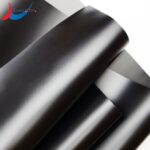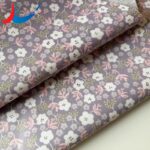










La pressione sui materiali impermeabili tradizionali non è più solo teorica
I tessuti rivestiti in PVC sono stati ampiamente utilizzati per decenni in capi d'abbigliamento impermeabili, prodotti gonfiabili, coperture protettive, cuscini medici e tessuti industriali. La ragione è semplice: erano economici, facili da lavorare e offrivano prestazioni impermeabili accettabili per la maggior parte delle applicazioni convenzionali.
Quel bilanciamento è ora messo a dura prova.
Nelle catene di approvvigionamento globali, le decisioni sui materiali sono sempre più influenzate da regolamenti ambientali, limiti di emissioni di COV, liste di sostanze restrittive e requisiti ESG a livello di brand. Allo stesso tempo, le aspettative dell'uso finale sono cambiate. Si attende che i prodotti durino più a lungo, abbiano prestazioni più costanti e mantengano stabilità sotto sollecitazioni meccaniche ripetute senza guasti prematuri.
In questo contesto, i materiali PVC sono sempre più sotto esame.
Preoccupazioni relative alla migrazione degli agenti plastificanti, alle limitazioni nella riciclabilità e alla durata a lungo termine in condizioni d'uso dinamiche hanno spinto molti brand a riconsiderare i loro sistemi di materiali. Parallelamente, i processi produttivi che dipendono fortemente da solventi o da sistemi additivi complessi si trovano ad affrontare controlli ambientali più stringenti.
È qui che Tessuti TPU sostenibili stanno guadagnando una diffusione costante.
Il cambiamento non è guidato dal linguaggio del branding o dalla sostituzione superficiale dei materiali. È guidato dai requisiti prestazionali che i sistemi PVC faticano sempre più a soddisfare su larga scala.
In attrezzature per attività all'aperto, sistemi di supporto medico, abbigliamento impermeabile, protezione industriale e strutture gonfiabili, i tessuti compositi a base TPU vengono scelti non come compromesso, ma come un aggiornamento funzionale.
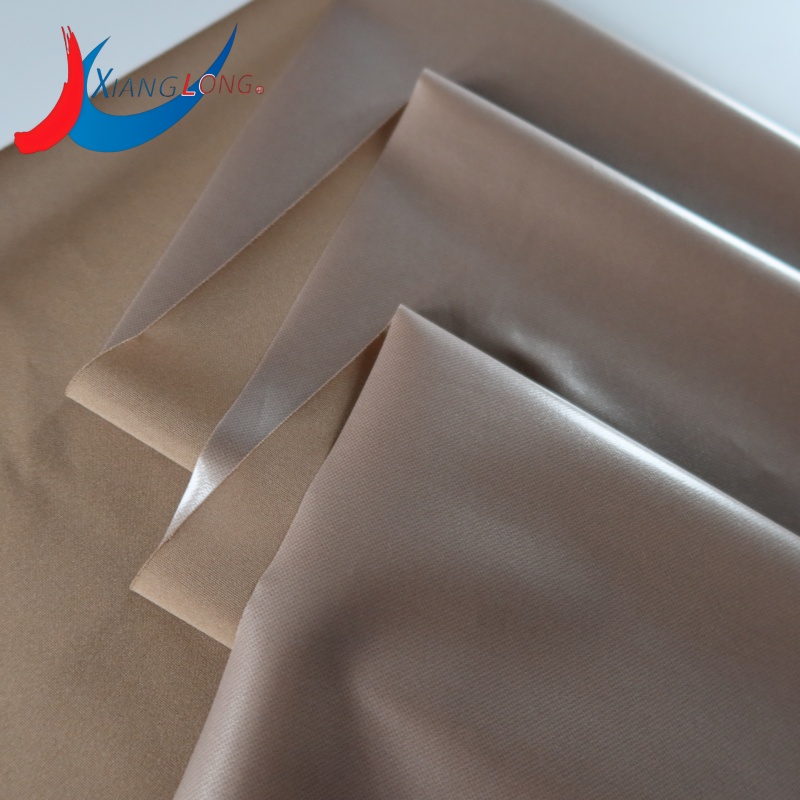
Perché il TPU sta diventando una direzione materiale centrale nell'ingegneria dei tessuti funzionali
Il TPU (poliuretano termoplastico) si comporta in modo diverso rispetto ai sistemi tradizionali a base PVC sia a livello molecolare che applicativo.
Il PVC tipicamente si basa su plastificanti esterni per ottenere flessibilità. Con il tempo, questi additivi possono migrare o volatilizzarsi, compromettendo la stabilità e le prestazioni a lungo termine del materiale. Il TPU, invece, ottiene elasticità grazie alla sua struttura polimerica segmentata interna, combinando segmenti duri e morbidi nello stesso scheletro molecolare.
Questa differenza strutturale influisce direttamente sul comportamento del materiale in condizioni reali d'uso.
Le principali caratteristiche prestazionali dei tessuti a base TPU includono:
| Area prestazionale | Comportamento del TPU |
|---|---|
| Flessibilità sotto piegatura ripetuta | Ripristino elastico stabile |
| Prestazioni a basse temperature | Minore fragilità |
| Integrità impermeabile | Resistenza idrostatica costante |
| Stabilità strutturale | Durevolezza superficiale elevata |
| Saldabilità | Sigillatura stabile ad alta frequenza |
| Controllo delle emissioni | Minore potenziale di COV nei sistemi di lavorazione |
Grazie a questa combinazione, il TPU non è più considerato un materiale alternativo di nicchia. Oggi è ampiamente utilizzato come piattaforma di base per tessuti compositi funzionali in molteplici settori.
La pressione normativa sta rimodellando la scelta dei materiali
Uno dei fattori più forti che spinge all'adozione del TPU è l'inasprimento normativo nei mercati globali.
Framework come REACH, RoHS, liste di restrizioni SVHC e la Proposition 65 della California costringono i produttori a esaminare più da vicino la composizione chimica dei materiali flessibili. Ciò include restrizioni o monitoraggi di:
- Alcuni ftalati
- Stabilizzatori a metalli pesanti
- Ignifughi soggetti a restrizioni
- Sistemi solventi ad alta emissione
Per molti brand, la conformità non è più un processo di approvazione una tantum. È diventata un requisito continuo durante tutto il ciclo di vita del prodotto.
Ciò crea una sfida strutturale per i sistemi PVC tradizionali, che spesso si basano su pacchetti additivi più complessi per ottenere flessibilità e prestazioni di lavorazione.
I sistemi TPU sostenibili offrono una via più adattabile. A seconda della formulazione, possono essere progettati per ridurre o eliminare sostanze soggette a restrizioni mantenendo al contempo le prestazioni meccaniche.
Allo stesso tempo, i team di approvvigionamento chiedono sempre più ai fornitori documentazione più chiara sulla composizione dei materiali, sul controllo della produzione e sulla stabilità a lungo termine. Questo sta spingendo l'industria verso sistemi materiali più trasparenti.
La durabilità è diventata parte della logica della sostenibilità
In molti settori, la sostenibilità viene spesso discussa in termini di origine dei materiali o riciclabilità. In pratica, la durata dei prodotti gioca un ruolo altrettanto importante nell'impatto ambientale.
Un materiale che si guasta presto e richiede sostituzione genera cicli di produzione ripetuti, emissioni da trasporto e ulteriori flussi di rifiuti. Al contrario, un materiale che mantiene prestazioni stabili per una vita utile più lunga riduce il consumo totale di risorse.
È qui che i tessuti a base TPU mostrano un chiaro vantaggio in molte applicazioni.
A differenza dei materiali rivestiti di qualità inferiore che possono diventare fragili o perdere flessibilità nel tempo, il TPU mantiene un comportamento elastico costante sotto sollecitazioni ripetute. Ciò è particolarmente rilevante in prodotti esposti a:
- Cicli continui di piegatura
- Cicli di gonfiaggio e sgonfiaggio
- Abrasione meccanica
- Esposizione alle intemperie all'aperto
- Umidità e variazione della temperatura
In queste condizioni, la fatica dei materiali diventa un meccanismo di guasto fondamentale.
Prolungare la durata dei prodotti è sempre più riconosciuto non solo come requisito di prestazione, ma anche come strategia di sostenibilità. Per i brand, ciò influisce direttamente sui tassi di sostituzione, sui costi delle garanzie e sull'efficienza della catena di approvvigionamento.
Come i tessuti TPU sostenibili bilanciano prestazioni e requisiti ambientali
Uno dei principali motivi per cui l'adozione del TPU sta accelerando è la sua capacità di mantenere prestazioni funzionali supportando al contempo approcci di produzione più puliti. Prestazioni impermeabili in ambienti dinamici
Il comportamento impermeabile nelle applicazioni reali non è determinato soltanto dalle prestazioni iniziali del rivestimento. La stabilità a lungo termine sotto stress meccanico è spesso il fattore critico.
In prodotti come attrezzature gonfiabili per esterni, borse impermeabili e coperture protettive, i materiali vengono ripetutamente piegati, compressi ed esposti a stress ambientali.
I modi comuni di guasto nei materiali convenzionali includono:
- Cracking superficiale dopo ripetuti piegamenti
- Perdita di adesione del rivestimento
- Perdite d'aria o d'acqua nei punti di stress
- Ridotta flessibilità alle basse temperature
I tessuti compositi TPU affrontano questi problemi grazie al comportamento molecolare elastico e alla stabile compatibilità di legame con i substrati tessili.
Ciò li rende adatti per applicazioni come:
- Rifugi gonfiabili per esterni
- Sistemi da viaggio impermeabili
- Attrezzature per stoccaggio a secco
- Strutture di supporto a base d'aria
- Cuscini gonfiabili medici
In questi prodotti, mantenere l'integrità impermeabile nel tempo è più importante che raggiungere obiettivi prestazionali a breve termine.
Resistenza all'abrasione e stabilità superficiale
L'usura superficiale è una delle cause più comuni di guasto dei tessuti funzionali nell'uso reale.
Nelle applicazioni per esterni e industriali, i materiali sono costantemente esposti a frizione causata da attrezzature, movimenti, trasporti e contatto ambientale.
Una volta danneggiato lo strato superficiale, le prestazioni impermeabili e strutturali declinano tipicamente rapidamente.
I sistemi compositi TPU offrono generalmente una resistenza all'abrasione superiore rispetto a molti rivestimenti impermeabili convenzionali. Ciò migliora:
- Durata della superficie
- Integrità strutturale
- Preservazione dell'aspetto
- Stabilità impermeabile nel tempo
Per prodotti come zaini, coperture protettive, componenti per calzature e teloni industriali, la resistenza all'abrasione è direttamente collegata alla durata utile del prodotto.
Una vita utile più lunga riduce la frequenza di sostituzione, migliorando così l'efficienza complessiva del materiale.
Controllo delle COV e requisiti di lavorazione più pulita
Le emissioni di COV influenzano sempre più le decisioni sulla scelta dei materiali, specialmente nelle catene di approvvigionamento globali.
Questo non si limita alla conformità in fabbrica. I livelli di COV sono ora considerati in:
- Valutazioni sulla sicurezza sul lavoro
- Scenari di utilizzo dei prodotti in ambienti chiusi
- Relazioni ESG dei brand
- Requisiti di conformità per la vendita al dettaglio
I tradizionali sistemi di rivestimento a solventi possono generare emissioni più elevate durante la produzione e talvolta durante l'utilizzo del prodotto.
I sistemi compositi a base TPU sono più compatibili con percorsi di lavorazione più puliti come:
- Laminazione a fusione a caldo
- Sistemi di incollaggio senza solventi
- Processi di saldatura termica
- Formulazioni additivanti a basse emissioni
Ciò rende il TPU particolarmente adatto per prodotti utilizzati in ambienti chiusi o in applicazioni a stretto contatto.
Nei sistemi medicali, nei prodotti indossabili e negli interni automobilistici, il controllo delle COV sta diventando un requisito di base piuttosto che una caratteristica premium.
Riciclabilità e semplificazione dei materiali
Il riciclo dei tessuti compositi flessibili resta una sfida tecnica, specialmente quando più materiali incompatibili sono combinati in una sola struttura.
Una direzione nello sviluppo del TPU è la semplificazione dei sistemi di materiali per favorire una migliore gestione a fine vita. Ciò include:
- Minore complessità dei materiali
- Più strutture monomateriale
- Potenziale migliorato di riprocessamento termico
- Strategie di separazione più pulite nella progettazione
Mentre le infrastrutture per il riciclo sono ancora in fase di sviluppo, la progettazione dei materiali si sta già orientando verso i futuri requisiti dell'economia circolare.
In alcuni casi, i sistemi TPU offrono un comportamento più prevedibile nel riprocessamento rispetto ai compositi tradizionali in PVC, in particolare quando i sistemi additivi sono attentamente controllati.
I requisiti applicativi variano tra i settori
Attrezzature da esterno e sistemi gonfiabili
Le applicazioni all'aperto richiedono materiali che possano funzionare in condizioni ambientali in continuo cambiamento.
I requisiti tipici includono:
| Requisito | Focus funzionale |
|---|---|
| Resistenza al piegamento ripetuto | Stabilità alla fatica da flessione |
| Affidabilità impermeabile | Resistenza idrostatica |
| Uso a bassa temperatura | Ritenzione della flessibilità |
| Esposizione all'abrasione | Durata della superficie |
| Performance di gonfiaggio | Stabilità della tenuta ermetica |
Le applicazioni includono tende gonfiabili, sacche stagna, packraft e sistemi portatili per l'outdoor.
In questi casi, il TPU viene scelto non solo per l'impermeabilità, ma anche per la sua capacità di mantenere l'integrità strutturale dopo cicli meccanici a lungo termine. Applicazioni mediche e per la cura
Gli ambienti medici introducono vincoli aggiuntivi oltre alle prestazioni meccaniche.
I materiali utilizzati in prodotti come cuscini per riabilitazione, materassi antidecubito e sistemi di supporto gonfiabili devono mantenere la stabilità sotto:
- Contatto cutaneo a lungo termine
- Cicli di pulizia e disinfezione
- Ambienti umidi
- Carico di pressione continuo
Inoltre, i requisiti relativi al controllo degli odori, al comportamento a basse emissioni e alla documentazione normativa sono sempre più importanti.
I sistemi TPU a base polietere sono spesso utilizzati in queste applicazioni grazie alla migliore resistenza all'idrolisi e alla stabilità a lungo termine in condizioni umide.
Le decisioni di approvvigionamento medico coinvolgono frequentemente anche quadri di conformità come ISO 10993 e ISO 13485, che richiedono una documentazione strutturata e tracciabilità dei materiali.
Borse, calzature e prodotti di consumo
Nelle applicazioni consumer, la scelta dei materiali è strettamente legata sia alle prestazioni funzionali che al posizionamento del brand.
I marchi moderni si stanno sempre più allontanando dai sistemi a base PVC a favore di materiali che sostengano:
- Estetica superficiale pulita
- Caratteristiche di manipolazione flessibili
- Prestazioni impermeabili durevoli
- Migliorata resistenza ai graffi
- Narrative di approvvigionamento sostenibile
I tessuti compositi TPU consentono ai progettisti di bilanciare i requisiti funzionali con l'aspetto del prodotto e l'identità del brand.
Ciò è particolarmente importante nei segmenti premium di lifestyle outdoor e moda tecnica.
Applicazioni industriali di protezione e infrastruttura
I casi d'uso industriali pongono l'accento sulla affidabilità strutturale durante lunghi periodi di funzionamento.
Applicazioni come coperture protettive, sistemi flessibili di contenimento e strutture industriali gonfiabili richiedono materiali che mantengano:
- Resistenza meccanica
- Resistenza agli agenti ambientali
- Stabilità dimensionale
- Lunga durata d'uso sotto stress
In questi ambienti, il guasto del materiale non è solo un problema del prodotto, ma può influire anche sulla sicurezza operativa e sull'efficienza del sistema.
Per questo motivo, gli utenti industriali tendono a dare priorità alla affidabilità e alla coerenza a lungo termine rispetto ai vantaggi economici a breve termine.
Perché i marchi globali stanno sempre più adottando tessuti TPU sostenibili
L'adozione di materiali TPU è strettamente legata a cambiamenti più ampi nella strategia globale di approvvigionamento e catena di fornitura.
I requisiti ESG si stanno spostando verso decisioni a livello di materiale
Le aspettative ESG stanno ora influenzando direttamente i processi di qualificazione dei materiali. I marchi non valutano più i materiali solo in base a prestazioni e costo, ma anche su:
- Trasparenza chimica
- Gestione delle sostanze volatili (VOC)
- Tracciabilità dei materiali
- Impatto sul ciclo di vita del prodotto
- Prontezza normativa
Questo cambiamento richiede ai fornitori di fornire documentazione tecnica più dettagliata e sistemi di controllo qualità coerenti.
I materiali TPU si allineano bene con questi requisiti grazie ai loro sistemi di formulazione adattabili e alla compatibilità con processi produttivi strutturati.
Le aspettative dei consumatori stanno cambiando le priorità sui materiali
Gli utenti finali sono sempre più consapevoli della durata dei prodotti, della sicurezza dei materiali e dell'impatto ambientale.
In molte categorie, i consumatori ora si aspettano:
- Una maggiore durata dei prodotti
- Una riduzione degli odori e delle emissioni chimiche
- Una composizione materiale chiara
- Pratiche di produzione responsabili
Ciò spinge i marchi a ripensare le strategie sui materiali al di là dei cicli di prodotto a breve termine.
La durabilità, un tempo considerata un attributo puramente tecnico, è ora strettamente legata al valore del marchio e alla fiducia dei clienti.
Il TPU sta rimodellando la direzione dei tessuti funzionali
Il passaggio dal PVC ai tessuti TPU sostenibili riflette un'evoluzione più ampia nell'ingegneria dei materiali piuttosto che una semplice tendenza alla sostituzione.
Nell'equipaggiamento per attività all'aperto, nei sistemi medici, nella protezione industriale, nell'abbigliamento impermeabile e nei prodotti di consumo, la scelta dei materiali è sempre più guidata da una combinazione di stabilità delle prestazioni, conformità normativa, pulizia della produzione e efficienza a lungo termine del ciclo di vita.
I tessuti compositi a base TPU stanno guadagnando adozione perché soddisfano questi requisiti all'interno di una sola piattaforma materiale.
Offrono prestazioni impermeabili, durabilità meccanica, flessibile compatibilità di lavorazione e un migliore allineamento ambientale senza dover fare compromessi tra funzionalità e sostenibilità.
Poiché le normative globali continuano a diventare più stringenti e le aspettative dei marchi continuano a crescere, si prevede che i materiali TPU giocheranno un ruolo sempre più centrale nella prossima generazione di sistemi tessili funzionali.
In questo contesto, i tessuti TPU sostenibili non stanno semplicemente sostituendo materiali più vecchi.
Stanno diventando una direzione fondamentale per come i sistemi tessili ad alte prestazioni, longevi e prodotti in modo responsabile saranno progettati e sviluppati in futuro.