





تجول اليوم في أي معرض دولي للمعدات الخارجية، وستجد اتجاهًا بات من الصعب تجاهله. فالمنتجات التي كانت تعتمد سابقًا على أقمشة مغلفة بـ PVC بُدئَتْ إعادة تصميمها بشكل متزايد حول TPU. فقوارب الكاياك القابلة للنفخ، والقوارب الجاهزة للحمل، وخزانات الترطيب، وأسرّة الإنقاذ، والمراتب الهوائية الطبية، وخزانات المياه المحمولة، والمسطحات المرنة لتخزين الوقود، جميعها تتجه نحو الاتجاه نفسه. رغم أن هذه المنتجات تخدم صناعات مختلفة جدًا، إلا أن السبب وراء هذا التحول متسق بشكل ملحوظ: يبحث المصنعون عن مواد توفر عمرًا خدمة أطول، وتأثيرًا بيئيًا أقل، وأداءً عامًا أفضل.
التغيير لا يحفزه تنظيم واحد أو اتجاه سوقي عابر. بل يعكس تحولاً أوسع في كيفية تصميم وتقييم المنتجات. لم تعد قرارات الشراء تستند فقط إلى تكلفة المواد. يولي مهندسو المنتجات اهتمامًا أكبر بالمتانة عبر آلاف دورات الاستخدام. يأخذ أصحاب العلامات التجارية أهداف الاستدامة بعين الاعتبار إلى جانب أداء المنتج. يتوقع المستخدمون النهائيون معدات أخف وزنًا، أسهل صيانة، وموثوقية في البيئات الصعبة.
نتيجة لذلك، تطرح العديد من فرق التطوير نفس السؤال في بداية مشروع جديد: هل نستمر في استخدام PVC، أم حان الوقت للتحول إلى TPU؟
لا توجد إجابة عالمية. لا يزال PVC حلًا عمليًا للعديد من التطبيقات، خاصة حيث تكون تكلفة التصنيع هي الشاغل الأساسي ومتطلبات الأداء معتدلة نسبيًا. ومع ذلك، بالنسبة للمنتجات المتوقع أن تتحمل الطي المتكرر، والطقس القاسي، والاستخدام الخارجي طويل الأمد، أو الاتصال المباشر مع الناس، أصبح TPU بديلًا جذابًا بشكل متزايد.
استبدال PVC بـ TPU ليس مجرد استبدال للمواد. غالبًا ما يغير طريقة أداء المنتج، وكيفية تصنيعه، ومدى موثوقيته في الميدان. فهم هذه الفروقات يتطلب النظر إلى ما وراء المواصفات الأساسية وفحص سلوك كل مادة خلال العمر الكامل للمنتج.
التغيير لم يحدث بين ليلة وضحاها
استُخدم PVC في الأقمشة المغلفة لعقود، ولسبب وجيه. فهو يجمع بين الأداء المقاوم للماء وتكاليف تصنيع منخفضة نسبيًا، وكان متوافقًا لفترة طويلة مع تقنيات إنتاج راسخة مثل اللحام عالي التردد. بالنسبة للهياكل القابلة للنفخ، والأغطية الواقية، والأقمشة الصناعية، فقد كان يوفر توازنًا عمليًا بين الأداء والتكلفة.
مع ذلك، فإن المنتجات المصممة قبل عشرين عامًا تم تطويرها وفق توقعات مختلفة تمامًا.
المتحمسون للأنشطة الخارجية اليوم يسافرون لمسافات أطول بينما يحملون معدات أقل. من المتوقع أن تتحمل الأجهزة الطبية غسلًا أكثر تكرارًا ومتطلبات صحية أكثر صرامة. يجب أن تظل معدات الاستجابة للطوارئ موثوقة بعد فترات تخزين طويلة قبل نشرها دون سابق إنذار. وفي الوقت نفسه، تتعرض العلامات التجارية العالمية لضغوط متزايدة لتقليل الأثر البيئي للمنتجات التي تطرحها في السوق.
هذه التوقعات المتغيرة كشفت تدريجيًا عن حدود كانت تعتبر مقبولة سابقًا.
بدأ المهندسون في البحث عن مواد يمكنها تحمل الطي المتكرر دون أن تصبح قاسية، وأن تبقى مرنة في درجات الحرارة المنخفضة، وأن تقاوم تآكل السطح أثناء الاستخدام المستمر، وأن تدعم عمرًا أطول للمنتج. كان TPU يستخدم بالفعل في تطبيقات صناعية صعبة بسبب هذه الخصائص، مما جعله مرشحًا طبيعيًا للأقمشة التقنية أيضًا.
بدلًا من استبدال PVC في كل فئة من المنتجات، بدأ المصنعون حيث كانت تحسينات الأداء واضحة جدًا. كانت المعدات الخارجية الخفيفة، والمنتجات القابلة للنفخ من الدرجة الأولى، والأجهزة الطبية القابلة لإعادة الاستخدام من بين أولى التطبيقات التي اعتمدت الأقمشة المغلفة بـ TPU. ومع تحسن تقنيات المعالجة وتوسيع خيارات المواد، انتشر التحول إلى العديد من الصناعات الأخرى.
اليوم، النقاش لم يعد حول ما إذا كان بإمكان TPU أن يحل محل PVC. في العديد من التطبيقات، تم الإجابة على هذا السؤال بالفعل. النقاش الأكثر أهمية هو تحديد أين يخلق TPU قيمة ذات مغزى وأين يظل PVC خيارًا عمليًا.
الأداء البيئي هو جزء فقط من القصة
غالبًا ما يتم تقديم الاستدامة باعتبارها السبب الرئيسي للتحول من PVC إلى TPU، لكن اختزال الحديث إلى رسائل بيئية يغفل الكثير من الفوائد الهندسية العملية التي دفعت هذا التحول.
عندما يقيّم المهندسون مادة ما، نادرًا ما يركزون على خاصية واحدة فقط. بل ينظرون إلى كيفية أداء المادة من التصنيع وحتى نهاية عمرها الافتراضي.
النسيج الذي يدوم لفترة أطول بكثير يمكن أن يقلل من تكرار الاستبدال، ويخفض تكاليف الصيانة، ويقلل من استهلاك المواد بشكل عام. في كثير من الحالات، فإن إطالة عمر المنتج لها فائدة بيئية أكبر على المدى الطويل من مجرد اختيار مادة ذات سمعة أكثر اخضرارًا.
هذا الأمر مهم بشكل خاص للمنتجات التي تعمل في بيئات صعبة. معدات الإنقاذ القابلة للنفخ، والملاجئ الخارجية، وأنظمة المياه المحمولة، من المتوقع غالبًا أن تبقى في الخدمة لسنوات. استبدال هذه المنتجات قبل الأوان بسبب تعب المواد أو التدهور البيئي له تكاليف مالية وبيئية.
يدعم TPU هذا العمر الأطول لأنه عادةً ما يحافظ على خصائصه الميكانيكية بشكل أفضل أثناء الاستخدام المتكرر. رغم أن اللوائح البيئية سرّعت بلا شك الاهتمام بالمواد البديلة، إلا أن العديد من المصنعين يواصلون اختيار TPU لأنه يساعد في بناء منتجات تظل موثوقة لفترة أطول.
هذا التمييز مهم. أصبحت الاستدامة نتيجة هندسة أفضل وليس ميزة تُضاف لأغراض تسويقية.
ما الذي يتغير عند استبدال PVC بـ TPU؟
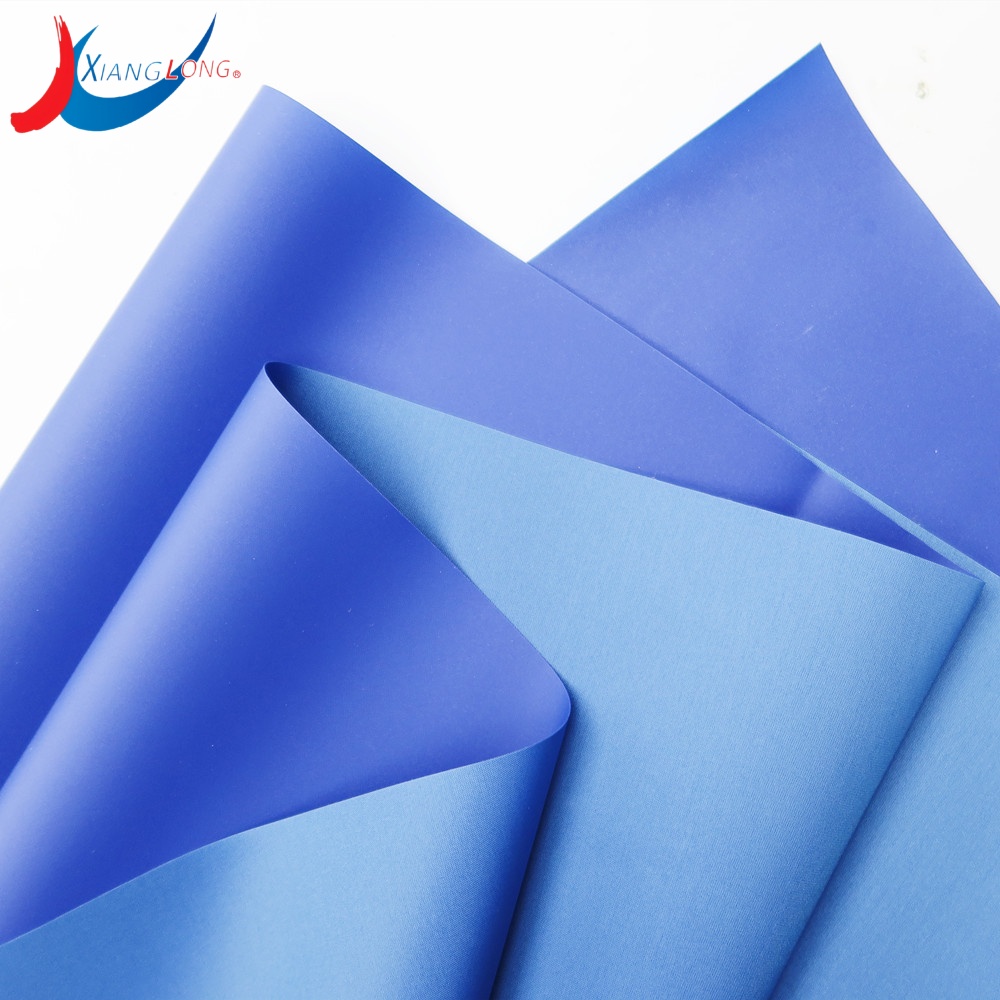
للوهلة الأولى، تبدو الأقمشة المغلفة بـ PVC والأقمشة المغلفة بـ TPU متشابهة بشكل ملحوظ. كلاهما يتكون عادةً من نسيج منسوج مغلف بطبقة بوليمر لتكوين مادة مركبة مقاومة للماء أو محكمة الغلق.
مع ذلك، تصبح أوجه التشابه أقل أهمية بكثير بمجرد دخول المنتج النهائي إلى ظروف عمل حقيقية.
النسيج الأساسي المنسوج يوفر القوة الهيكلية. فهو يتحمل الأحمال الشدّية، ويقاوم التمزق، ويساعد في الحفاظ على الثبات الأبعاد. الطبقة المغلفة تحدد كيف يستجيب المادة للرطوبة، والتغيرات في درجة الحرارة، والاحتكاك، والطي المتكرر، وعمليات التصنيع مثل اللحام.
تغيير الطبقة المغلفة بالتالي يغير أكثر بكثير من المظهر السطحي.
يتصرف TPU بشكل مختلف تحت الضغط الميكانيكي. فبدلًا من أن يتشوه بشكل دائم بعد الضغط المتكرر، فإنه عادةً ما يظهر استعادة مرنة أكبر. عند طيه وفتحه مئات أو آلاف المرات، من المرجح أن يحتفظ النسيج المغلف بـ TPU عالي الجودة بمرونته وشكله الأصلي.
تصبح هذه الخاصية ذات قيمة خاصة في المنتجات المصممة ليتم طيها بعد كل استخدام.
قد يتم لف خزان الترطيب بعد كل رحلة مشي. يتم طي قارب الحمل مرارًا وتكرارًا في حقيبة الظهر قبل نفخه مرة أخرى. قد تبقى مرتبة الإخلاء الطبي مطوية في مخزن الطوارئ لأشهر قبل نشرها في حالات حرجة.
هذه المنتجات تتعرض لدورات من التشوه طوال عمرها الافتراضي.
بالنسبة لهذه التطبيقات، فإن الحفاظ على المرونة غالبًا ما يكون بنفس أهمية الحفاظ على القوة الشدّية.
القوة وحدها لا تخبر كامل القصة
من أكثر الأسئلة شيوعًا التي يتلقاها موردو المواد بسيطة بشكل مفاجئ:
“أي نسيج أقوى؟”
رغم أنه مفهوم، إلا أن السؤال غير مكتمل.
تعطي قيم القوة الشدّية المختبرية بيانات مرجعية مفيدة، لكنها نادرًا ما تتنبأ بكيفية أداء المنتج النهائي بعد سنوات من الاستخدام العملي.
العديد من المنتجات القابلة للنفخ لا تقترب أبدًا من قوتها القصوى النظرية. بل غالبًا ما تبدأ الفشل بطرق أقل درامية بكثير.
تظهر شقوق صغيرة بعد الطي المتكرر.
تتآكل الطبقة السطحية بسبب الاحتكاك المستمر.
تفقد المواد مرونتها بعد التعرض الطويل للطقس البارد.
يتراكم التوتر تدريجيًا حول اللحامات الملحومة مع تكرار نفخ المنتج وتفريغه.
لا يمكن فهم أي من هذه المشكلات بشكل كامل بمجرد مقارنة قيم مقاومة الشد وحدها.
لذلك، يقيّم مصممو المنتجات ذوي الخبرة الأقمشة المغلفة كأنظمة هندسية متكاملة بدلاً من اعتبارها مواد فردية. وهم يأخذون في الاعتبار كيفية تفاعل النسيج الأساسي وتركيبة الطلاء وعملية اللحام وهندسة المنتج معًا طوال العمر الافتراضي المتوقع للمنتج.
هذا النهج القائم على النظام يفسر لماذا يمكن لقماشين ذي مواصفات ميكانيكية متشابهة أن ينتجان نتائج مختلفة تمامًا بمجرد تحويلهما إلى منتجات نهائية.
بالنسبة للمصنعين الذين يطورون معدات عالية الجودة، غالبًا ما تكون الاستمرارية على المدى الطويل أكثر قيمة من تحقيق أعلى رقم في تقرير الاختبار المخبري.
الاستخدام اليومي هو المكان الذي تصبح فيه الفروق واضحة
قليل من المنتجات القابلة للنفخ أو المرنة تفشل لأنها تتعرض لحمل شديد واحد فقط. في معظم الحالات، يتراجع الأداء تدريجيًا عبر الاستخدام اليومي.
يُجرّ كيس جاف فوق الصخور عند نقطة الإطلاق على ضفة النهر. ويحتك خزان الترطيب بداخل حقيبة ظهر لمسافات تصل إلى مئات الكيلومترات. وتُطوى القارب القابل للنفخ بعد كل رحلة نهاية الأسبوع ويُحفظ في صندوق السيارة. وتُنظَّف معدات الدعم الطبي وتُعقَّم وتُعاد استعمالها يومًا بعد يوم.
كل من هذه الإجراءات يُحدِث إجهادًا صغيرًا نسبيًا على المادة، لكنها مجتمعة تُنشئ آلاف دورات التآكل خلال عمر المنتج.
هذا هو السبب في أن TPU اكتسب سمعته.
تُعرَف بولي يوريثان الحراري بالبوليمير بشكل واسع بمقاومتها الفائقة للتآكل. وهي نفس الخاصية التي جعلت TPU يستخدم في البكرات الصناعية والأغشية الواقية ومكونات النقل والأحذية عالية الأداء. وعند استخدامها كطلاء للمنسوجات التقنية، فإن هذه المتانة تترجم إلى مقاومة أفضل للخدوش والاحتكاك وتآكل السطح.
بالنسبة للمصنعين، فإن تحسين مقاومة التآكل لا يعني فقط تمديد نتائج الاختبارات المعملية. بل يؤثر مباشرةً على معدلات الضمان وسمعة المنتج ورضا العملاء. فالنسيج الذي يستمر في الأداء بعد سنوات من الاستخدام المنتظم غالبًا ما يخلق قيمة أكبر من ذلك الذي يقدم تكلفة أولية أقل للمادة لكنه يتطلب استبدالًا مبكرًا.
بالنسبة للعلامات التجارية الراقية، أصبحت طول العمر جزءًا من المنتج نفسه.
الطقس البارد يكشف الفرق بسرعة
منتجات الأماكن الخارجية نادرًا ما تُستخدم في ظروف معملية مثالية.
خزان رطوبة يتم ملؤه قبل شروق الشمس على مسار جبلي، أو طوافة إنقاذ قابلة للنفخ تُنشر أثناء فيضانات الشتاء، أو مأوى مدعوم بالهواء يُنصب في درجات حرارة متجمدة، كل ذلك يفرض متطلبات فريدة على المواد المرنة.
عندما تصبح الطلاءات البوليمرية صلبة في البيئات الباردة، يصبح التعامل معها أكثر صعوبة. فالطيّ يُحدث إجهادًا محليًا أعلى، واللحامات الملحومة تتعرض لحمل أكبر، والتعرّض المتكرر للثني قد يؤدي في النهاية إلى إجهاد المادة.
formulations TPU عالية الجودة عادةً ما تكون قادرة على الحفاظ على المرونة ضمن نطاق درجة حرارة أوسع من العديد من الأقمشة التقليدية المغلفة بالـ PVC.
هذا الفرق يكون ملحوظًا فورًا في الاستخدام العملي.
خزان يبقى مرنًا يكون أسهل في الملء والتعبئة واللف.
وسادة نوم قابلة للنفخ تفتح بشكل طبيعي دون تجعد زائد.
كيس هوائي للطوارئ مخزن في سيارة باردة يمكن نشره بسرعة أكبر عندما تكون كل ثانية مهمة.
على الرغم من أن أداء درجات الحرارة المنخفضة غالبًا ما يتم تجاهله عند اختيار المواد، إلا أنه يؤثر بشكل مباشر على تجربة المستخدم والموثوقية طويلة الأمد، خاصةً بالنسبة للمنتجات المصممة للبيئات الخارجية.
مقاومة الرطوبة تتعلق بالموثوقية طويلة الأمد
صفة أخرى تستحق المزيد من الاهتمام هي مقاومة التحلل المائي.
العديد من المنتجات المرنة تقضي معظم حياتها في بيئات رطبة بدلاً من التخزين الجاف تمامًا.
خزانات المياه المحمولة تبقى مملوءة لفترات طويلة.
القوارب القابلة للنفخ تُعبأ وهي لا تزال رطبة.
المعدات الخارجية تتعرض للأمطار والتكثيف وتغير الرطوبة على مدار العام.
في ظل هذه الظروف، التعرض الطويل للرطوبة يمكن أن يؤثر تدريجيًا على بعض أنظمة البوليمر.
لهذا السبب، يحدد العديد من المصنعين TPU البولي إيثر عند تطوير منتجات ستواجه بشكل متكرر مياهًا أو ظروف تشغيل رطبة. عادةً ما توفر التركيبات القائمة على البولي إيثر مقاومة فائقة للتحلل المائي، مما يساعد المادة على الحفاظ على المرونة والسلامة الميكانيكية لفترة أطول.
TPU البوليستر لا يزال له مكانة هامة في السوق. فهو عادةً ما يوفر مقاومة ممتازة للتآكل ويعمل جيدًا في التطبيقات التي تكون فيها الزيوت والوقود أو التآكل الميكانيكي من الأولويات الرئيسية. الاختيار المناسب يعتمد على الاستخدام المقصود وليس بافتراض أن تركيبة واحدة أفضل بشكل عام.
اختيار المادة يصبح أكثر فعالية بكثير عندما يبدأ بالبيئة التشغيلية بدلاً من ورقة المواصفات.
النسيج الأساسي مهم بنفس القدر
غالبًا ما تركز المناقشات حول TPU بشكل كامل على الطبقة المغلفة بينما تتجاهل النسيج التسليحي تحتها.
في الواقع، يلعب النسيج المنسوج دورًا متساوي الأهمية في تحديد كيفية تصرف المادة المركبة النهائية.
بالنسبة للعديد من المنتجات القابلة للنفخ، لا يزال النايلون الخيار المفضل للتسليح بسبب توازنه الممتاز بين القوة والمرونة ومقاومة التمزق.
لكن ليس كل نسيج نايلون مناسبًا لكل تطبيق.
من الافتراضات الشائعة أن الرقم الأعلى يعني أداءً أفضل تلقائيًا. في الواقع، الاختيار بين 210D, 420D والسيد 840D النايلون يتضمن تحقيق التوازن بين الوزن والمتانة والقابلية للتعبئة والمتطلبات الميكانيكية للمنتج النهائي.
210D Nylon
المنتجات خفيفة الوزن تستفيد من تركيبات 210D لأنها تقلل الكتلة الكلية مع توفير قوة كافية للعديد من التطبيقات المحمولة.
تشمل الاستخدامات النموذجية:
- خزانات الرطوبة
- أكياس جافة خفيفة الوزن
- الوسائد القابلة للنفخ
- معدات التخييم المدمجة
- أنظمة تخزين فائقة الخفة
تقليل الوزن غير الضروري غالبًا ما يكون أكثر قيمة من تعزيز القوة الشدّية للمنتجات المصممة للحمل لمسافات طويلة.
420D Nylon
أصبحت 420D واحدة من الخيارات الأكثر تنوعًا المتاحة.
توفر مقاومة أعلى بشكل ملحوظ للثقب والتآكل من 210D مع الحفاظ على المرونة الكافية للمنتجات التي تحتاج إلى طي منتظم.
عادةً ما يختار المصنعون 420D لـ:
- قوارب التعبئة
- مقاعد قابلة للنفخ
- معدات الإنقاذ
- حاويات المياه المحمولة
- منتجات قابلة للنفخ صناعية
بالنسبة للعديد من التطبيقات، تمثل توازنًا فعالًا بين المتانة والوزن القابل للإدارة.
840D Nylon
عندما يتوقع أن تتحمل المنتجات إساءة ميكانيكية شديدة، يصبح 840D خيارًا جذابًا.
إن بنائها الأثقل يوفر مقاومة أكبر للصدمات والاحتكاك والتمزق، مما يجعلها مناسبة للبيئات التجارية أو الصناعية الصعبة.
تشمل التطبيقات النموذجية:
- قوارب قابلة للنفخ
- أرصفة عائمة
- أنظمة احتواء الزيت
- بالونات هوائية للخدمة الشاقة
- معدات عسكرية قابلة للنفخ
المعادلة هي زيادة الوزن وانخفاض قابلية التعبئة.
بالنسبة للمعدات المحمولة في الهواء الطلق، فإن النسيج الأثقل ليس بالضرورة الحل الأفضل.
أفضل مادة هي تلك التي تتناسب مع الوظيفة المقصودة للمنتج بدلاً من تحقيق أعلى المواصفات.
ضغط الهواء لا يتحدد أبدًا بالنسيج وحده
من أكثر الأسئلة شيوعًا التي تتلقاها الفرق التقنية هو:
“كم يمكن لنسج TPU الخاص بك أن يتحمل من الضغط؟”
على الرغم من بساطة السؤال، إلا أنه لا يمكن الإجابة عليه بمجرد النظر إلى النسيج فقط.
تعتمد سعة الضغط للمنتج القابل للنفخ على النظام الهندسي الكامل وليس على خاصية واحدة للمواد.
هناك عدة عوامل تتعاون معًا لتحديد ضغط التشغيل الآمن، منها:
- شكل المنتج
- قطر الحجرة
- الأبعاد الكلية
- تصميم اللحام
- عرض الخياطة
- الهيكل الداخلي
- سمك TPU
- بناء النسيج الأساسي
- عامل الأمان المدمج في التصميم
لنأخذ مثالين منتجين من نفس النسيج المغلف بـ TPU بالضبط.
أحدهما بالون هوائي أسطواني صغير مع توزيع إجهاد منخفض نسبيًا.
والآخر منصة كبيرة قابلة للنفخ مسطحة.
على الرغم من أن المادة متطابقة، فإن الإجهاد الناتج داخل الهيكل مختلف تمامًا. السطح المسطح الأكبر يواجه قوى غشاء أكبر بكثير، مما يعني أنه قد يصل إلى حد التصميم عند ضغط داخلي أقل بكثير.
لهذا السبب يتجنب المهندسون ذوو الخبرة الإعلان بأن نسيجًا ما مناسب لقيمة ثابتة من PSI أو بار دون فهم المنتج النهائي.
اختيار المادة هو مجرد جزء واحد من تصميم الضغط.
الهندسة، وجودة اللحام، والهندسة الإنشائية كلها بنفس القدر من الأهمية.
بالنسبة للمصنعين الذين يطورون منتجات قابلة للنفخ، فإن تقييم هذه العوامل معًا يؤدي إلى تصاميم أكثر موثوقية من مجرد مقارنة مواصفات النسيج وحدها.
النظر إلى ما وراء تكلفة المادة
غالبًا ما يسيطر سعر المادة الأولي على مناقشات الشراء، خاصة خلال المراحل المبكرة من تطوير المنتج.
ومع ذلك، فإن أدنى تكلفة للمادة لا تعني دائمًا أدنى تكلفة إجمالية للمنتج.
نسيج يطيل عمر الخدمة، ويقلل من مطالبات الضمان، ويسهل الصيانة، ويحسن رضا العملاء قد يوفر قيمة أكبر على المدى الطويل رغم ارتفاع سعر الشراء.
هذا المنظور يفسر لماذا تستمر العديد من العلامات التجارية الراقية للأنشطة الخارجية، ومصنعي المعدات الطبية، ومطوري المنتجات الصناعية في الاستثمار في المواد القائمة على TPU.
إنهم يقيّمون الأداء الكامل لدورة الحياة بدلاً من التركيز حصريًا على تكلفة الشراء.
الأنسجة المغلفة بـ PVC لا تزال تخدم العديد من الصناعات بشكل فعال، وتبقى حلًا اقتصاديًا لمجموعة واسعة من المنتجات. تاريخها الطويل في تصنيع المنتجات القابلة للنفخ يعني أنها لن تختفي من السوق قريبًا.
في الوقت نفسه، تغيرت توقعات المنتجات.
من المتوقع أن تكون المعدات الحديثة أخف وزنًا، وأكثر متانة، وأسهل صيانة، وقادرة على الأداء الموثوق في بيئات متزايدة الصعوبة. هذه التوقعات شجعت المصنعين على إعادة تقييم الخيارات التقليدية للمواد واعتماد حلول توفر قيمة أكبر على المدى الطويل.
أصبحت الأنسجة المغلفة بـ TPU جزءًا مهمًا من هذا التحول. مزيجها من المرونة، ومقاومة التآكل، ومقاومة التحلل المائي، وقابلية اللحام، وتنوع التصميم يتيح للمهندسين إنشاء منتجات تعمل بثبات على مدى سنوات الاستخدام الحقيقي.
الاختيار بين PVC وTPU يجب ألا يُختصر أبدًا إلى مقارنة بسيطة للسعر أو المواصفات الأساسية للمادة. القرار الصحيح يعتمد على كيفية استخدام المنتج النهائي، وكيفية تصنيعه، وما مستوى الأداء الذي يتوقعه المستخدمون طوال فترة خدمته.
بالنسبة للمصنعين الذين يطورون الجيل القادم من المنتجات القابلة للنفخ، والأجهزة الطبية، والمعدات الخارجية، وأنظمة الاحتواء المرنة، فإن المشاريع الأكثر نجاحًا تبدأ باختيار مواد تتناسب مع المتطلبات الهندسية للتطبيق—وليس فقط الأرقام المطبوعة على ورقة البيانات.