









الاختيار فيلم TPU للاختيار بين الأجهزة الطبية، لا يكفي المقارنة بين السماكة والصلابة أو السعر الوحدوي. إذ تعتمد أداء المادة على بنية الجهاز وظروف التلامس وطريقة الختم والعمر الافتراضي المتوقع والمتطلبات المفروضة على المنتج النهائي. فالفيلم الذي يعمل بشكل جيد في مرتبة هوائية قد لا يكون الخيار الأفضل للكمامة الضاغطة أو للمثانة الخاصة بوضع المرضى.
بالنسبة لمصنعي الأجهزة الطبية، ينبغي أن تبدأ عملية الاختيار بالاستخدام المقصود ثم تتراجع إلى مواصفات المادة. يساعد هذا النهج فرق الهندسة والمشتريات على تحديد الخصائص الأكثر أهمية، وتقييم وثائق الموردين، والحد من مخاطر تغيير المواد أثناء التحقق من صحة الإنتاج.
ابدأ بالوظيفة المقصودة للجهاز
الخطوة الأولى هي تحديد ما يجب أن يقوم به فيلم TPU داخل الجهاز النهائي. تختلف التطبيقات الطبية بشكل كبير في متطلباتها الميكانيكية وظروف التلامس، لذلك ينبغي أن يعكس اختيار المادة حالة الاستخدام الفعلية وليس وصفًا عامًا مثل «درجة طبية».
بالنسبة للمنتجات الطبية القابلة للنفخ، قد يحتاج الفيلم إلى حبس الهواء خلال دورات نفخ متكررة، وتحمل الانحناء حول الجسم، والحفاظ على خياطة موثوقة. وقد تحتاج الطبقة السطحية المستخدمة في نظام دعم المرضى أيضًا إلى مقاومة التنظيف والتعامل الروتيني. أما أجهزة الضغط فتواجه ظروف تشغيل مختلفة لأن مثانتها تتمدد وتتقلص بشكل متكرر تحت ضغط مضبوط.
قبل طلب العينات، ينبغي على المصنعين توثيق عدة متطلبات للتطبيق:
- ظروف التلامس: حدد ما إذا كان الفيلم يتلامس مع الجلد السليم أو الجلد المصاب أو جزء آخر من الجهاز. قد تؤثر مدة التلامس وتكراره على متطلبات التقييم البيولوجي المطبقة.
- الحمل الميكانيكي: حدد الضغط المتوقع، وتكرار النفخ، وظروف الانحناء والتمدد والطي.
- هندسة المنتج: سجل أبعاد غرف الهواء، وتخطيط الخياطة، والأقسام المنحنية، والمناطق المعرضة للضغط المركّز.
- طريقة التصنيع: تأكد مما إذا كان سيتم ربط الفيلم بواسطة اللحام عالي التردد أو اللحام بالموجات فوق الصوتية أو الربط بالمواد اللاصقة أو عملية أخرى.
- بيئة التشغيل: حدد نطاق درجة الحرارة المتوقعة، ومواد التنظيف، وظروف التخزين، والحياة الافتراضية للمنتج.
توفر هذه التفاصيل أساسًا عمليًا لمقارنة درجات فيلم TPU المرشحة. كما تساعد الموردين على تحديد ما إذا كانت المواصفة الحالية مناسبة أم أنه ينبغي تقييم تركيبة أو بنية مختلفة.
ما هي خصائص TPU التي ينبغي على المصنعين مقارنتها؟
يتوفر البولي يوريثان الحراري في تركيبات مختلفة، وتختلف خصائصه وفقًا لكيمياء البوليمر والصلابة والإضافات وظروف التصنيع. لذلك ينبغي على مصنعي الأجهزة الطبية تقييم المواصفة الكاملة بدلاً من التعامل مع فيلم TPU كمادة واحدة موحدة.
نوع البوليمر والتوافق الكيميائي
قد تختلف تركيبات TPU القائمة على البولي إيثر والبوليستر في مقاومتها للرطوبة والتحلل المائي والزيوت وعوامل بيئية أخرى. غالبًا ما يُعتبر TPU القائم على البولي إيثر للتطبيقات التي تتعرض لظروف رطبة لفترات طويلة، بينما يعتمد الاختيار النهائي على التركيبة المحددة وبيئة التشغيل.
يجب تقييم التوافق الكيميائي ضد المواد التي سيواجهها الجهاز النهائي. فقد يتلامس الفيلم المخصص للمنتج الطبي القابل للنفخ مع المطهرات ومحاليل التنظيف ومنتجات العناية بالبشرة أو بقايا التصنيع. ينبغي التحقق من التوافق باستخدام التركيز الكيميائي الفعلي وفترة التعرض ودرجة الحرارة وتكرار التنظيف المتوقع في الخدمة.
البيان العام عن المقاومة الكيميائية ليس كافيًا لتحديد الملائمة لكل تطبيق طبي.
السماكة والصلابة
تؤثر سماكة الفيلم على استهلاك المادة والوزن والمناولة وسلوك الهيكل النهائي. تؤثر الصلابة على شعور الفيلم وتشوهه تحت الحمل، لكن لا يمكن لأي من هذين القياسين أن يتنبأ بالأداء بمفرده.
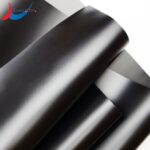
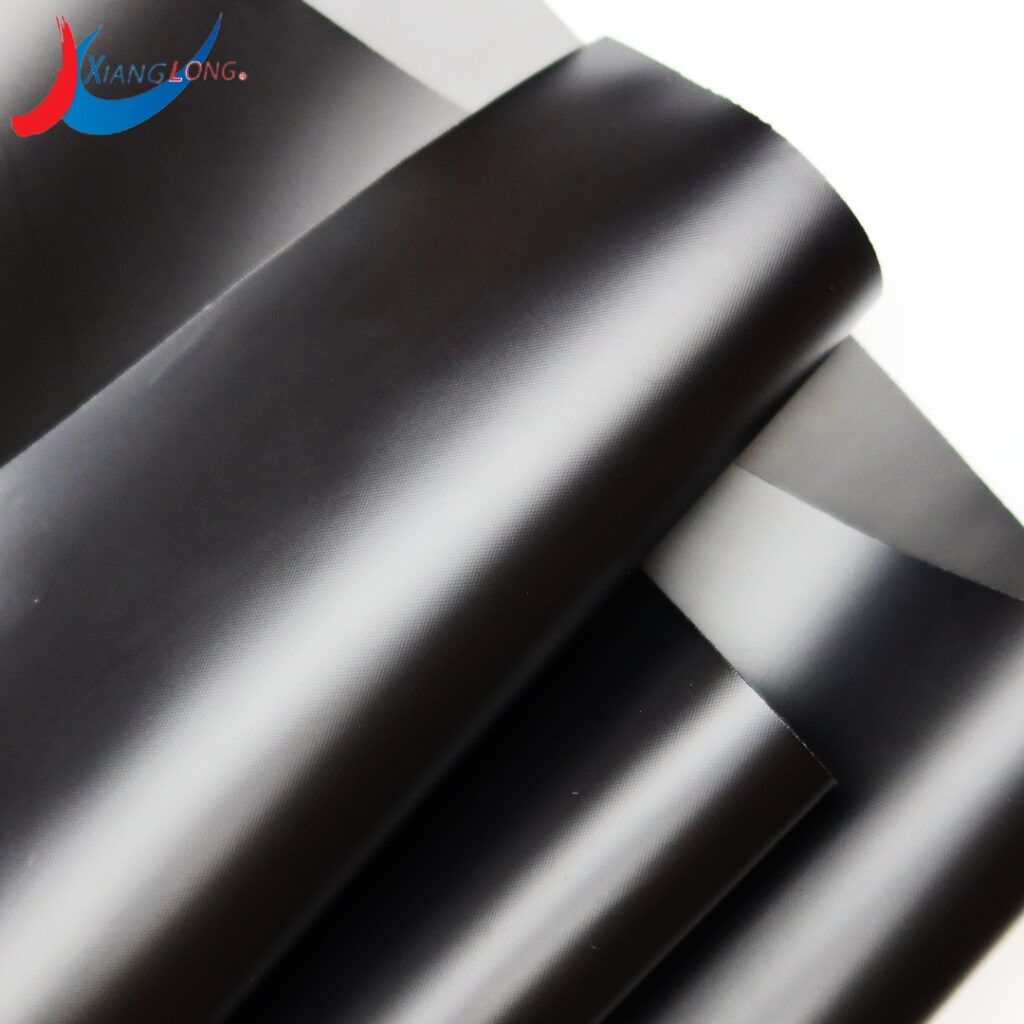
على سبيل المثال، فيلم TPU XL-أسود محدد بسماكة 0.25 ملم وصلابة 85A Shore A. توفر هذه القيم نقطة انطلاق للتقييم الهندسي، لكنها لا تحدد بمفردها أقصى ضغط تشغيلي أو قوة الانفجار أو عمر التعب للجهاز النهائي القابل للنفخ.
ينبغي على المصنعين اختبار الفيلم المختار في هيكل منتج تمثيلي. فأبعاد غرف الهواء وعرض الخياطة وهندسة الزوايا والتعزيز وتوزيع الضغط كلها قد تؤثر على النتيجة النهائية.
المرونة والاستقرار الأبعادي
يجب أن يتكيف الفيلم المستخدم في جهاز ضغط يُرتدى على الجسم مع الحركة المتكررة دون أن يتطور لديه تجاعيد أو شقوق أو تشوه غير مقبول. وفي المنتج الداعم القابل للنفخ، يجب تحقيق التوازن بين المرونة والقدرة على الحفاظ على الشكل والحفاظ على خياطة آمنة.
يجب أن يشمل التقييم دورات متكررة من الانحناء والنفخ حيثما كان ذلك ملائمًا. كما قد تكون التغيرات الأبعادية بعد المعالجة أو التخزين أو التنظيف مهمة عند استخدام الفيلم في منتجات ذات هندسة غرف محكمة التحكم.
السطح النهائي والمظهر
قد تؤثر الخصائص السطحية على المناولة والتجميع والتنظيف ومظهر الجهاز النهائي. قد تكون الأفلام غير اللامعة أو اللامعة أو الشفافة أو الملونة مناسبة لتصاميم منتجات مختلفة.
بالنسبة للتطبيقات التي تتلامس مع الجلد، ينبغي النظر في النهاية السطحية إلى جانب سطح التلامس الكامل للجهاز النهائي. فالنهاية غير اللامعة أو لون معين لا يثبت التوافق الحيوي أو قابلية التنظيف أو الملائمة السريرية. تلك الخصائص تتطلب أدلة مناسبة للتطبيق المقصود.
كيف ينبغي تقييم فيلم TPU للاستخدام الطبي؟
ينبغي على مصنعي الأجهزة الطبية التمييز بين مواصفة المادة وبيانات الاختبار الخاصة بالمادة والأدلة المتعلقة بالجهاز النهائي. تخدم هذه الوثائق أغراضًا مختلفة ويجب مراجعتها معًا.
قد يقدم المورد بيانات تقنية تغطي السماكة والصلابة وخصائص الشد والتمدد وتوافق المعالجة. تساعد هذه المعلومات المهندسين على مقارنة المواد ووضع معلمات الإنتاج الأولية. لكنها لا تحل محل التقييم البيولوجي أو اختبار أداء المنتج النهائي حيثما كان ذلك مطلوبًا.
بالنسبة لفيلم TPU المخصص للتطبيقات التي تتلامس مع الجلد، ينبغي أن يعكس خطة التقييم البيولوجي طبيعة ومدة التلامس، والفئة السكانية المقصودة، والإطار التنظيمي المعني. توفر معايير ISO 10993 إطارًا لتقييم المخاطر البيولوجية المرتبطة بمواد وأجهزة الأجهزة الطبية.
اعتمادًا على التطبيق وخطة التقييم، قد تشمل الأدلة ذات الصلة:
- اختبار السمية الخلوية: يقيّم ما إذا كانت المادة أو مستخلص الاختبار تنتج تأثيرات ضارة على الخلايا ضمن ظروف الاختبار.
- اختبار تحسس الجلد: يقيّم إمكانية حدوث استجابة تحسسية ألرجية.
- اختبار تهيج الجلد: يقيّم إمكانية حدوث تهيج موضعي ضمن ظروف الاختبار المحددة.
- الوصف الكيميائي وتقييم المخاطر: قد تكون ضرورية لتحديد المواد التي قد تُطلق من المادة وتقييم أهميتها البيولوجية المحتملة.
ينبغي أن يحدد تقرير الاختبار العينة المختبرة والطريقة ونسخة المعيار والمختبر والنتائج وأي قيود. كما ينبغي على المصنعين التأكد مما إذا كانت العينة المختبرة تمثل الدرجة الموردة وما إذا كانت التغييرات اللاحقة في التركيبة أو الملونات أو الإضافات أو المعالجة قد تؤثر على ملاءمة الأدلة.
إن اجتياز الاختبارات المختارة لا يعني تلقائيًا أن كل جهاز مصنوع من الفيلم يلتزم بكافة المتطلبات المعمول بها. فالجهاز النهائي وبنائه وعملية التصنيع والاستخدام المقصود تبقى مهمة في التقييم العام.
هل يمكن معالجة الفيلم بشكل موثوق باستخدام خط الإنتاج الحالي؟
A material may meet the required mechanical specification but still create production difficulties if it does not work well with the manufacturer’s joining process. TPU Film selection should therefore include a processing trial before the material is approved for routine manufacturing.
High-frequency welding is widely used for joining suitable thermoplastic films in inflatable products. Ultrasonic welding may also be suitable for specific material constructions and joint designs. The appropriate method depends on the film formulation, equipment, tooling, product geometry, and required seam performance.
خلال التجربة، ينبغي على المصنعين فحص:
- نافذة اللحام: Identify workable settings for power, pressure, dwell time, and other process variables applicable to the equipment.
- Seam consistency: Check for incomplete bonding, excessive thinning, wrinkles, scorching, and other visible defects.
- Leak resistance: Test finished chambers using a method appropriate to the product and its intended operating conditions.
- Mechanical integrity: Assess seam strength and failure location rather than relying on appearance alone.
- Repeatability: Confirm that acceptable results can be maintained across production runs and representative material lots.
The welding process should be developed using the actual film grade and representative production conditions. Settings established for one TPU Film formulation should not be transferred to another grade without verification.
Where the product includes several chambers, narrow channels, curved seams, or concentrated stress points, the trial should include those features. A simple flat coupon may help establish initial settings, but it cannot fully represent every joint in the finished product.
What Should Procurement Teams Request from a TPU Film Supplier?
Procurement teams need sufficient technical information to compare suppliers on more than price and nominal thickness. A clear specification also helps prevent misunderstandings between material sourcing, product engineering, quality assurance, and manufacturing.
A practical supplier review should cover the following areas.
| Evaluation area | Information to request | لماذا هي مهمة |
|---|---|---|
| Material identification | Grade name, polymer type, thickness, hardness, color, and surface finish | Confirms that samples and production material match the approved specification |
| Mechanical properties | Available tensile, elongation, tear, or other relevant test data | Supports comparison of candidate grades and product-level testing plans |
| Biological evaluation | Applicable test reports, sample identification, methods, and limitations | Helps assess whether the evidence is relevant to the intended contact conditions |
| Processing compatibility | Recommended joining methods and available processing guidance | Supports welding trials and production planning |
| مراقبة الجودة | Inspection criteria, lot identification, traceability, and change notification practices | Helps maintain consistency after material approval |
| Supply capability | Standard roll specifications, available thicknesses, lead times, and sample availability | Supports production scheduling and future supply planning |
Not every application requires the same test package. Manufacturers should define the necessary evidence according to the device’s risk assessment, technical requirements, and applicable regulations.
It is also important to establish how the supplier manages changes. Adjustments to polymer formulation, pigments, additives, production equipment, or manufacturing location may affect the relevance of previously approved data. A documented change notification process gives the device manufacturer an opportunity to assess whether additional testing or approval is necessary.
How Can Manufacturers Validate the Selected TPU Film?
Once a candidate grade meets the initial specification review, it should be evaluated in a representative finished-product design. The objective is to confirm that the material, joining method, and device geometry work together under the conditions expected during use.
A useful validation sequence includes material inspection, process trials, finished-product testing, and review of the results against predefined acceptance criteria.
Material inspection confirms thickness, hardness, surface condition, and other agreed parameters across the sample or production lot. Measurements should follow consistent methods so that results can be compared between suppliers and batches.
Process trials establish whether the film can be formed and joined without unacceptable defects. These trials should use representative equipment and tooling whenever possible, particularly where seam design has a significant influence on performance.
Finished-product testing examines the assembled device rather than relying solely on raw material data. Depending on the design, this may include leak testing, pressure retention, seam strength, repeated inflation, flex fatigue, cleaning compatibility, and dimensional stability.
Acceptance review compares the results with requirements defined before testing begins. If a sample fails, the team should determine whether the cause relates to material properties, process settings, joint design, or the overall product construction before changing the specification.
The required test methods and acceptance limits should be selected according to the product’s intended use and risk profile. No single pressure or cycle threshold is suitable for all inflatable medical devices.
Choosing TPU Film Based on the Finished Device
The right TPU Film is the grade that meets the device’s functional requirements and can be processed consistently within the manufacturer’s quality system. Thickness and hardness are useful selection parameters, but they must be considered alongside chemical compatibility, biological evaluation, joining performance, and finished-product durability.
For manufacturers developing inflatable mattresses, compression devices, patient positioning systems, or other medical products, supplier documentation provides the starting point. Representative prototypes and controlled production trials provide the evidence needed to determine whether a material is suitable for the actual application.
XL TPU Film-Black is specified as a 0.25 mm, 85A Shore A medical-grade TPU film, with product-level biological testing information covering cytotoxicity, skin sensitization, and skin irritation. It is designed for consideration in selected inflatable medical applications and supports high-frequency and ultrasonic welding. Suitability should be confirmed against the requirements of the intended device, including its construction, processing conditions, cleaning procedures, and applicable regulatory obligations.
A well-defined material specification, documented supplier review, and application-specific validation process give engineering and procurement teams a more reliable basis for selecting TPU Film and maintaining consistent product quality.