








Selecting TPUフィルム for medical devices requires more than comparing thickness, hardness, or unit price. Material performance depends on the device structure, contact conditions, sealing method, expected service life, and the requirements imposed on the finished product. A film that performs well in an inflatable mattress may not be the best choice for a compression sleeve or a patient positioning bladder.
For medical device manufacturers, the selection process should begin with the intended use and work backward to the material specification. This approach helps engineering and procurement teams identify the properties that matter most, assess supplier documentation, and reduce the risk of material changes during production validation.
Start with the Device’s Intended Function
The first step is to define what the TPU film must do inside the finished device. Medical applications vary considerably in their mechanical demands and contact conditions, so material selection should reflect the actual use case rather than a general description such as medical grade.
For inflatable medical products, the film may need to retain air under repeated inflation cycles, tolerate bending around the body, and maintain reliable welded seams. A surface layer used in a patient support system may also need to withstand routine cleaning and handling. Compression devices face different operating conditions because their bladders repeatedly expand and contract under controlled pressure.
Before requesting samples, manufacturers should document several application requirements:
- Contact conditions: Determine whether the film contacts intact skin, compromised skin, or another part of the device. The duration and frequency of contact may affect the applicable biological evaluation requirements.
- Mechanical loading: Define the expected pressure, inflation frequency, bending, stretching, and folding conditions.
- Product geometry: Record the dimensions of the air chambers, seam layout, curved sections, and areas exposed to concentrated stress.
- Manufacturing method: Confirm whether the film will be joined by high-frequency welding, ultrasonic welding, adhesive bonding, or another process.
- Service environment: Identify the expected temperature range, cleaning agents, storage conditions, and intended product life.
These details provide a practical basis for comparing candidate TPU Film grades. They also help suppliers determine whether an existing specification is suitable or whether a different formulation or construction should be evaluated.
Which TPU Properties Should Manufacturers Compare?
Thermoplastic polyurethane is available in different formulations, with properties that vary according to polymer chemistry, hardness, additives, and manufacturing conditions. Medical device manufacturers should therefore evaluate the complete specification rather than treating TPU Film as a single standardized material.
Polymer type and chemical compatibility
Polyether-based and polyester-based TPU formulations can differ in their resistance to moisture, hydrolysis, oils, and other environmental factors. Polyether-based TPU is often considered for applications involving prolonged exposure to humid conditions, while the final choice depends on the specific formulation and operating environment.
Chemical compatibility should be assessed against the substances the finished device will encounter. A film intended for an inflatable medical product may come into contact with disinfectants, cleaning solutions, skin-care products, or residues from manufacturing. Compatibility should be verified using the actual chemical concentration, exposure time, temperature, and cleaning frequency expected in service.
A general statement about chemical resistance is not enough to establish suitability for every medical application.
Thickness and hardness
Film thickness affects material consumption, weight, handling, and the behavior of the finished structure. Hardness influences how the film feels and deforms under load, but neither measurement can predict performance on its own.
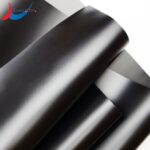
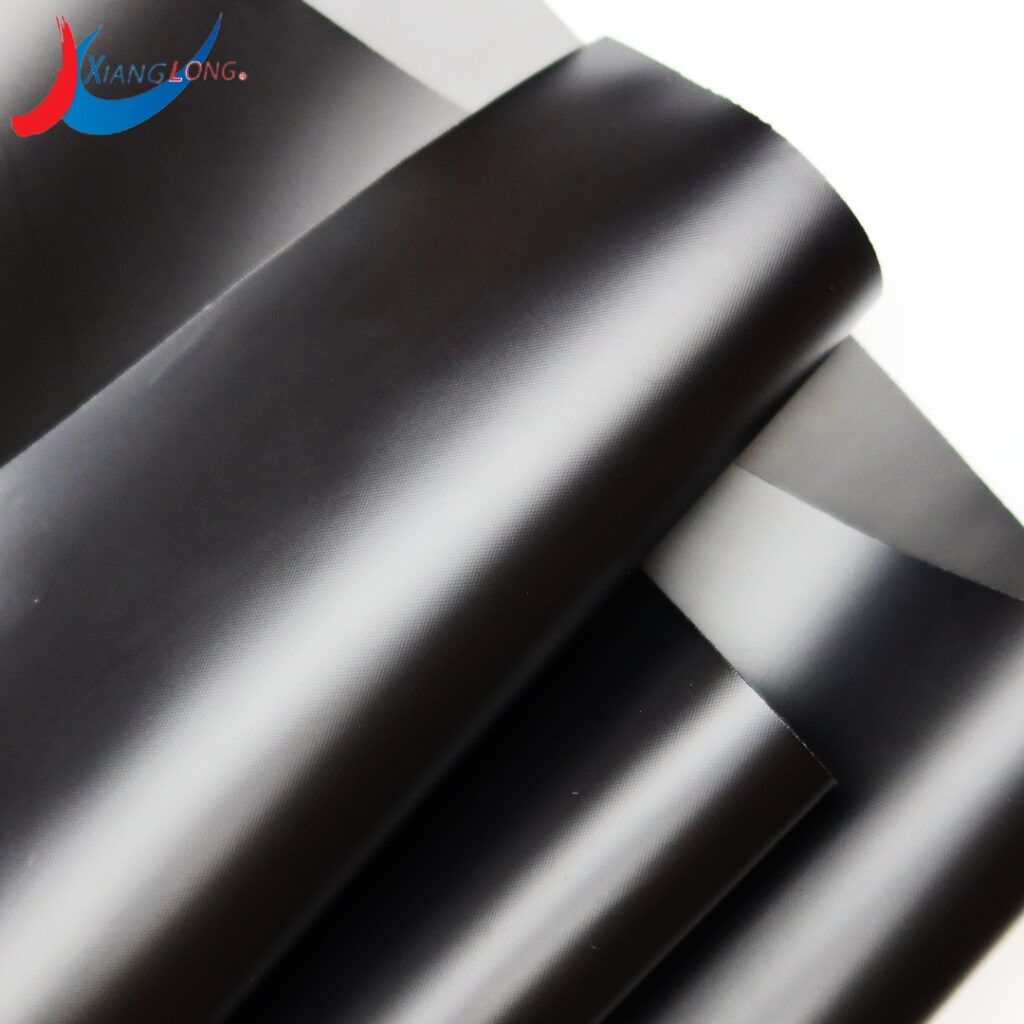
For example, XL TPU Film-Black is specified at 0.25 mm thickness and 85A Shore A hardness. These values provide a starting point for engineering assessment, but they do not independently establish the maximum operating pressure, burst strength, or fatigue life of a finished inflatable device.
Manufacturers should test the selected film in a representative product structure. Air chamber dimensions, seam width, corner geometry, reinforcement, and the distribution of pressure can all influence the final result.
Flexibility and dimensional stability
A film used in a body-worn compression device must accommodate repeated movement without developing unacceptable creases, cracks, or deformation. In an inflatable support product, flexibility must be balanced against the need to retain its shape and maintain secure seams.
Evaluation should include repeated bending and inflation cycles where relevant. Dimensional changes after conditioning, storage, or cleaning may also matter when the film is used in products with tightly controlled chamber geometry.
Surface finish and appearance
Surface characteristics can affect handling, assembly, cleaning, and the appearance of the finished device. Matte, glossy, transparent, and colored films may be appropriate for different product designs.
For skin-contact applications, surface finish should be considered alongside the complete contact surface of the finished device. A matte finish or a particular color does not establish biocompatibility, cleanability, or clinical suitability. Those characteristics require evidence appropriate to the intended application.
How Should TPU Film Be Evaluated for Medical Use?
Medical device manufacturers should distinguish between a material specification, test data for the material, and evidence relating to the finished device. These documents serve different purposes and should be reviewed together.
A supplier may provide technical data covering thickness, hardness, tensile properties, elongation, and processing compatibility. Such information helps engineers compare materials and establish initial production parameters. However, it does not replace biological evaluation or finished-product performance testing where these are required.
For TPU Film intended for skin-contact applications, the biological evaluation plan should reflect the nature and duration of contact, the intended patient population, and the relevant regulatory framework. ISO 10993 standards provide a framework for evaluating biological risks associated with medical device materials and devices.
Depending on the application and evaluation plan, relevant evidence may include:
- Cytotoxicity testing: Assesses whether a material or test extract produces harmful effects on cells under the conditions of the test.
- Skin sensitization testing: Evaluates the potential to cause an allergic sensitization response.
- Skin irritation testing: Assesses the potential for local irritation under the specified test conditions.
- Chemical characterization and risk assessment: May be needed to identify substances that could be released from the material and evaluate their potential biological significance.
A test report should identify the tested sample, method, edition of the standard, laboratory, results, and any limitations. Manufacturers should also confirm whether the tested sample represents the supplied grade and whether subsequent changes in formulation, colorants, additives, or processing could affect the relevance of the evidence.
Passing selected tests does not automatically establish that every device made from the film complies with all applicable requirements. The finished device, its construction, manufacturing process, and intended use remain important to the overall evaluation.
Can the Film Be Processed Reliably with the Existing Production Line?
材料が所定の機械的仕様を満たしていても、メーカーの接合プロセスと相性が悪ければ生産上の問題を引き起こす可能性があります。そのため、TPUフィルムの選定にあたっては、材料を通常の製造工程に採用する前に加工試験を実施する必要があります。.
高周波溶着は、インフレータブル製品において適した熱可塑性フィルムを接合するのに広く用いられています。特定の材料構成や接合設計には超音波溶着も適している場合があります。適切な方法は、フィルムの配合、設備、治具、製品の形状、および求められる継ぎ目性能によって異なります。.
試験中、メーカーは以下を検討する必要があります:
- 溶着窓: 設備に適用可能な電力、圧力、保持時間、その他のプロセス変数について、実行可能な設定を特定してください。.
- 継ぎ目の均一性: 不完全な接着、過度の薄さ、しわ、焦げ跡、その他の目に見える欠陥がないか確認してください。.
- 漏れ耐性: 完成したチャンバーを、製品および想定される使用条件に適した方法で試験してください。.
- 機械的整合性: 外観だけに頼らず、継ぎ目の強度と破壊箇所を評価してください。.
- 再現性: 許容可能な結果が生産ロットや代表的な材料ロット間で維持できることを確認してください。.
溶着プロセスは、実際のフィルムグレードと代表的な生産条件を用いて開発する必要があります。あるTPUフィルムの配合で設定された条件を、検証なしに別のグレードに転用してはいけません。.
製品に複数のチャンバー、狭いチャネル、曲がった継ぎ目、または集中応力点がある場合は、試験にそれらの特徴を含める必要があります。単純な平らなサンプルは初期設定の確立に役立ちますが、完成品のすべての接合部を完全に表現することはできません。.
調達チームはTPUフィルムサプライヤーに何を求めるべきですか?
調達チームは、価格や公称厚さだけでなく、より多くの情報を技術的に入手してサプライヤーを比較する必要があります。明確な仕様書は、材料調達、製品エンジニアリング、品質保証、製造部門間の誤解を防ぐ役にも立ちます。.
実用的なサプライヤー評価は以下の分野をカバーすべきです。.
| 評価項目 | 要求情報 | なぜ重要なのか |
|---|---|---|
| 材料の識別 | グレード名、ポリマー種類、厚さ、硬度、色、表面仕上げ | サンプルと生産材料が承認済み仕様と一致することを確認します |
| 機械的特性 | 入手可能な引張強度、伸び率、せん断強度、その他の関連試験データ | 候補グレードの比較および製品レベルの試験計画をサポートします |
| 生物学的評価 | 該当する試験報告書、サンプル識別、手法、制限事項 | 証拠が想定される接触条件に関連しているかどうかを評価するのに役立ちます |
| 加工適合性 | 推奨される接合方法および利用可能な加工ガイドライン | 溶着試験および生産計画をサポートします |
| 品質管理 | 検査基準、ロット識別、トレーサビリティ、変更通知の慣行 | 材料承認後の安定性維持に役立ちます |
| 供給能力 | 標準ロール仕様、入手可能な厚さ、リードタイム、サンプルの入手状況 | 生産スケジューリングおよび将来の供給計画をサポートします |
すべての用途で同じ試験パッケージが必要というわけではありません。メーカーはデバイスのリスク評価、技術的要求、適用規制に応じて必要な証拠を定義する必要があります。.
サプライヤーが変更をどのように管理しているかも重要です。ポリマー配合、顔料、添加剤、生産設備、製造場所の調整は、以前に承認されたデータの妥当性に影響を及ぼす可能性があります。文書化された変更通知プロセスにより、デバイスメーカーは追加の試験や承認が必要かどうかを評価する機会を得られます。.
メーカーは選ばれたTPUフィルムをどのように検証できますか?
候補グレードが最初の仕様審査をクリアしたら、代表的な完成品設計で評価する必要があります。目的は、材料、接合方法、デバイス形状が使用時に想定される条件下で互いにうまく機能することを確認することです。.
有用な検証手順には、材料検査、プロセス試験、完成品試験、および事前に定められた合格基準との結果比較が含まれます。.
材料検査 サンプルまたは生産ロット全体で厚さ、硬度、表面状態、その他の合意済みパラメーターを確認します。測定方法は一貫性を持たせる必要があり、サプライヤーやバッチ間で結果を比較できるようにします。.
プロセス試験 フィルムが許容できない欠陥なく成形・接合できるかを確認します。これらの試験では、可能な限り代表的な設備と治具を使用するべきです。特に継ぎ目設計が性能に大きな影響を与える場合には特にそうです。.
完成品試験 原材料データだけに頼らず、組み立てられたデバイスを検査します。設計によっては、漏れ試験、圧力保持、継ぎ目強度、繰り返し膨張、屈曲疲労、清掃性、寸法安定性などが含まれる場合があります。.
合格審査 試験開始前に定められた要件と結果を比較します。サンプルが不合格の場合、チームは材料特性、プロセス設定、接合設計、あるいは製品全体の構造に原因があるかを判断し、仕様を変更する前に特定する必要があります。.
必要な試験方法と合格限界は、製品の用途とリスクプロファイルに応じて選択する必要があります。一つの圧力やサイクルの閾値がすべてのインフレータブル医療機器に適しているわけではありません。.
完成品に応じたTPUフィルムの選択
The right TPU Film is the grade that meets the device’s functional requirements and can be processed consistently within the manufacturer’s quality system. Thickness and hardness are useful selection parameters, but they must be considered alongside chemical compatibility, biological evaluation, joining performance, and finished-product durability.
For manufacturers developing inflatable mattresses, compression devices, patient positioning systems, or other medical products, supplier documentation provides the starting point. Representative prototypes and controlled production trials provide the evidence needed to determine whether a material is suitable for the actual application.
XL TPU Film-Black is specified as a 0.25 mm, 85A Shore A medical-grade TPU film, with product-level biological testing information covering cytotoxicity, skin sensitization, and skin irritation. It is designed for consideration in selected inflatable medical applications and supports high-frequency and ultrasonic welding. Suitability should be confirmed against the requirements of the intended device, including its construction, processing conditions, cleaning procedures, and applicable regulatory obligations.
A well-defined material specification, documented supplier review, and application-specific validation process give engineering and procurement teams a more reliable basis for selecting TPU Film and maintaining consistent product quality.