








Alan ekipmanları tasarlayan pek çok kişiyle konuştum. Çoğu, ilk başta sert su tanklarıyla başladı. Çoğu, vazgeçti.
Sert tanklar sahada büyük bir sıkıntıdır. Dolu olsun boş olsun yer kaplarlar. Paketlenmiş araçlara iyi uymazlar. Birini kayanın üzerine düşürünce çatlak bir tank ve hiç su kalmaz.
Bu yüzden insanlar katlanabilir sistemlere geçiyor. Ama hemen öğrendikleri şey şu: Kumaşın sadece su tutmaktan öte işlevleri olmalı. Sürüklendiği, katlandığı, sıkıştırıldığı ve hava şartlarında bırakıldığı zamanlarda dayanıklı olması gerekir.
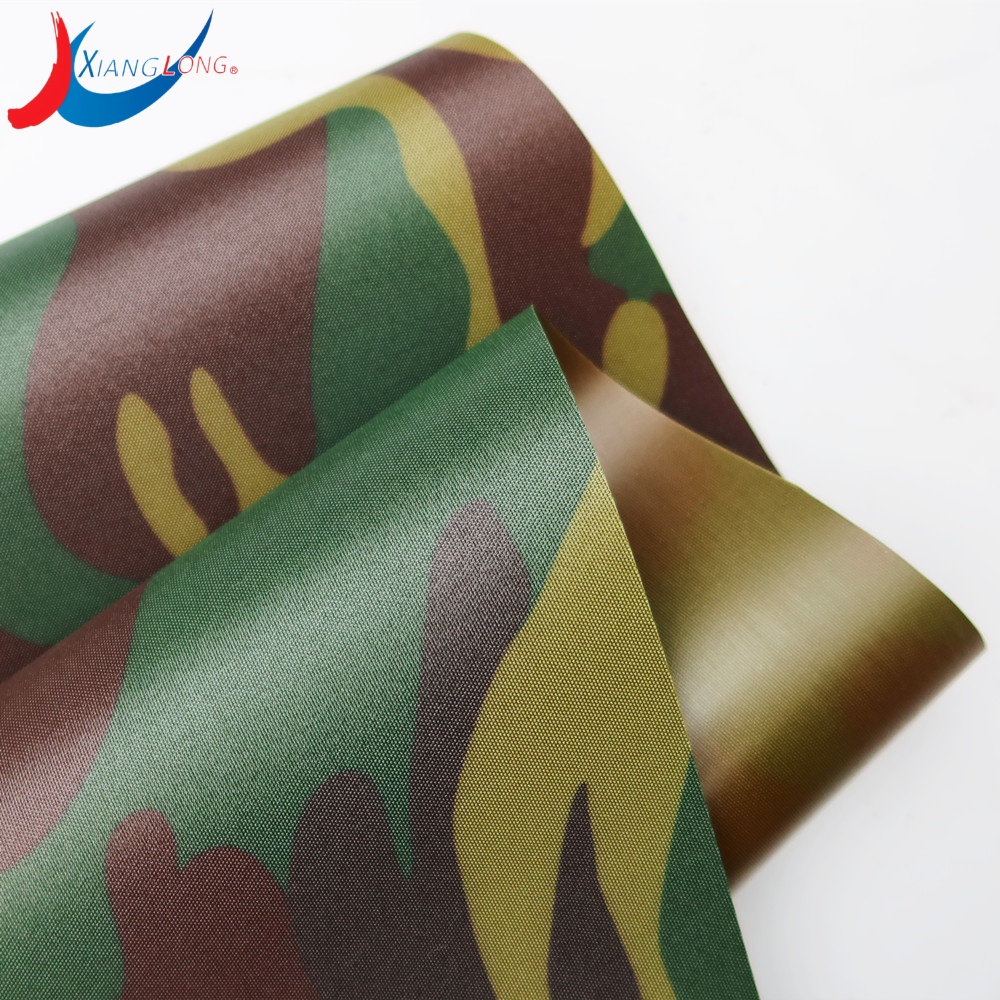
Bu kumaş—XL TPU Kaplamalı 500D Polyester kamuflaj renkli olanı—buna göre tasarlandı. Size malzeme seçimlerinin neden mantıklı olduğunu, bu kumaşın nerede kullanıldığını ve neden daha ucuz alternatiflerden farklı olduğunu anlatacağım.
Su Depolaması, Kuru Depolama Gibi Değil
Birçok kişi, bir kumaş su geçirmezse su depolamasında da işe yarar diye düşünür. Bu onları başa belaya sokar.
Kuru depolama kolaydır. Bir çantaya eşyaları koyarsınız. Çanta orada durur. Kumaşın tek görevi suyu dışarıda tutmaktır.
Su depolaması farklıdır. Su hareket eder. Konteyneri taşıdığınızda sallanır. Sürekli dışarı doğru itilir. Tankı her koyduğunuzda ağırlık değişir.
İşte kumaşın kuru depolamada asla uğraşmadığı şeyleri ele alması gerekiyor.
- Sallanma etkileri. Su duvarlara tekrar tekrar çarpıyor. Her darbe küçük bir alana baskı yapar. Zaman içinde bu baskı dikişleri yıpratır ve zayıf noktalar oluşturur.
- Sürekli dışarı doğru basınç. Kuru bir çanta giysileri biraz dışarı doğru iter. Su konteyneri sürekli dışarı doğru iter. Yan taraflar saatlerce bu basıncı kaldırmak zorundadır.
- Basınç değişimleri. Bir tankı doldurduğunuzda basınç yükselir. Onu kaldırırken basınç alt tabana geçer. Tankları üst üste koyduğunuzda alttaki daha fazla yük alır. Kumaş bunların hepsini kaldırmak zorundadır.
Kuru depolama için tek taraflı kaplamalı bir kumaş işe yarayabilir. Su depolaması için daha sağlam bir şey gerekir. Bu yüzden bu kumaş 500D polyester baz kullanıyor ve su tarafına TPU kaplama yapıyor.
Neden 500D Polyester?
Temel kumaş iskelet gibidir. Temeli yanlış seçerseniz kaplama hiçbir şey ifade etmez.
500D'nin aslında ne anlama geldiği
Denier fiber kalınlığını ölçer. 500 denier orta kalınlıktadır. Standart bir sırt çantası 210D kullanır. Ağır bir çanta 1000D kullanır.
500D tam ortada duruyor. Aşınmaya ve yırtılmaya karşı direnç gösteriyor. Ama o kadar kalın değil ki kumaş sert veya ağır hale gelir. Hala küçük bir pakete katlayabilirsiniz.
Polyester üzerinde naylon
İşte naylon kullananların zor öğrenme noktası. Naylon su emer. Islanınca şişer. Kurudukça büzülür. Bu hareket kaplamaya baskı yapar. Sonunda kaplama ayrılabilir.
Polyester neredeyse hiç su emmez. Islak ya da kuru halde aynı boyutta kalır. Bir tarafında sürekli su olacak bir kumaş için bu istikrar önemli.
Gerçek yaşamda aşınma
Sahada su torbalarının ne olduğunu gördüm. Çakıl üzerinde sürükleniyorlar. Metal aletlerin yanında kamyon kasalarına atılıyorlar. Kayalık zemine konuyorlar.
Hafif kumaşlar delikler açıyor. Ağır kumaşlar katlanmak için çok sert hale geliyor. 500D dengeyi yakalıyor. Zorlanmadan dayanıyor ve paketlemesi kolay.
Neden PVC yerine TPU?
Her alıcı bunu sorar. PVC daha ucuz. Peki neden TPU için daha fazla ödersiniz?
Üç sebep.
- Soğuk hava. PVC esnekliğini korumak için plastikleştiriciler içerir. Eksi 10 santigrat derecede PVC sertleşmeye başlar. Eksi 20'de çatlar. TPU plastikleştirici içermiyor. Eksi 30'a kadar esnek kalır. Su sisteminiz kış görürse bu önemli.
- Kaynak gücü. PVC kolayca kaynak yapılır ama dikiş zayıftır. TPU kaynakları temel kumaş gücünün yüzde 80 ila 90'ını sağlar. Yüzlerce litre su taşıdığınızda daha güçlü dikişler daha az saha arızası demektir.
- Ftalat yok, klor yok. PVC ikisini de içerir. TPU ikisini de içermez. Pek çok pazarlık bu kimyasallar nedeniyle PVC'yi kısıtlıyor. TPU bu düzenlemeleri geçiyor.
İşte hızlı bir karşılaştırma. Su depolaması için gerçekten önemli noktalara odaklandım.
| Mülkiyet | TPU | PVC |
|---|---|---|
| Eksi 20°C'de esneklik | Evet | Hayır |
| Kaynak gücü vs temel kumaş | 80-90% | 60-70% |
| Plastikleştiriciler içerir | Hayır | Evet |
| Soğuk çatlama | Hayır | Evet |
| Fiyat | Daha yüksek | Daha düşük |
Eğer fiyat tek önem verdiğiniz şeyse PVC alın. Ama su sisteminizin soğuk havalarda çalışmasını, defalarca kullanılmasını ve modern düzenlemeleri geçmesini istiyorsanız TPU daha iyi seçimdir.
Neden Kamuflaj? Sadece Stil Değil
Bazı insanlar kamuflajı görünce bunun estetik bir tercih olduğunu düşünür. Taktik ve açık hava uygulamalarında ise fonksiyoneldir.
Kamuflaj deseninin gerçekten önemli olduğu üç durum.
- Askeri ve taktik operasyonlar. Ekipmanların uyum içinde olması gerekir. Parlak mavi bir su tankı ormanda dikkat çekici olur. Bu görünürlük, insanları istemedikleri zaman fark edilmelerine neden olabilir.
- Avcılık ve vahşi yaşam gözlemi. Hayvanlar kolayca korkar. Kamuflajlı bir su kabı, parlak plastik bir tanka göre onların dikkatini çekme ihtimali daha düşüktür.
- Şebekeden bağımsızlık ve hazırlık. Bazı kullanıcılar sahip olduklarını reklam etmeyi tercih etmezler. Kamuflaj deseni, parlak açık hava ekipmanları kadar dikkat çekmez.
Baskı, TPU kaplamadan önce polyester üzerine uygulanır. Daha sonra kaplama baskıyı aşınmadan ve güneş ışığından korur. Hiçbir şekilde silinmez.
Dikiş Bütünlüğü, Çoğu Kumaşın Başarısız Olduğu Yerdir
Su depolamasına yeni başlayanları şaşırtan bir gerçek var. Kumaşın kendisi neredeyse hiç başarısız olmaz. Başarısız olan dikişlerdir.
Dikişte oluşan bir iğne deliği sızıntısı, bütün bir mesaneyi bir gecede boşaltabilir. Ve bu sızıntılar sahada bulması zordur.
Neden dikiş işe yaramaz
Çoğu kumaş dikişle dikilir. İğne ve iplik. Bu kuru mallar için gayet uygundur. Ancak su depolamasında her iğne deliği potansiyel bir sızıntıdır. Bunları bant veya tutkal ile kaplayabilirsiniz, ancak bu maliyeti artırır ve başka bir arıza noktası oluşturur.
Dikiş yerine kaynak
Bu kumaş yüksek frekanslı kaynak için tasarlanmıştır. HF kaynağı, radyo dalgalarını kullanarak TPU katmanlarını birleştirir. Hiçbir iğne yok. Hiçbir iplik yok. Hiçbir delik yok.
Bu kumaştaki TPU katmanı, iki parçanın tek parça haline gelmesini sağlar. Elde edilen dikiş, temel kumaştan neredeyse aynı güçlüktedir.
Kaynak size ne verir
- Hiçbir iğne deliği olmadığı anlamına sızma yolları da yoktur.
- Dikiş gücü, temel kumaşın yüzde 80 ila 90'ına ulaşır.
- Üretim hızlı ve tekrarlanabilir.
Her seferinde çalışması gereken bir su depolama sistemi için kaynaklı dikişler tek seçenektir.
Taşıma ve Dağıtım Tam Amacımızdır
Su sistemini taşımaya ihtiyaç duymuyorsanız, sert bir tank satın alın. Ucuzdur ve gayet iyi çalışır.
Ancak taşımanız gerekiyorsa, esnek depolama kazanır.
Boşken katlanır
Sert 500 litrelik bir tank, dolu veya boş olduğunda aynı alanı kaplar. Bu, kamyon veya helikopterle taşırken sorun olur.
Katlanabilir bir mesane, doldurulmuş boyutunun bir kısmına kadar katlanır. Aynı alanda birden fazla sert tank yerine birkaçını üst üste koyabilirsiniz.
Hafif ağırlık
Kumaşın ağırlığı metrekare başına yaklaşık 400 ila 600 gramdır. Bunu bir plastik tankla karşılaştırın. Fark devasa. Bir kişi, yüzlerce litre kapasiteli katlanmış bir mesaneyi taşıyabilir.
Hızlı açılır
Su gerektiğinde, bir tank kurmak için bir saat harcamak istemezsiniz. Bu mesaneler açılır, hortuma bağlanır ve dolar. Bazı tasarımlarda dolum portları ve çıkışlar doğrudan kumaşa kaynatılmıştır.
Küçük paketlenir
Daha küçük sistemler için katlanmış bir mesane sırt çantasına sığar. Daha büyük sistemler için ise rulo haline getirilip araç rafına bağlanır.
Xianglong'un Kumaşı Neyle Farklı?
Herhangi bir tedarikçi polyesteri TPU ile kaplayabilir. Ancak bir kumaş satıcısı ile su depolamasını anlayan biri arasında fark vardır.
Kapsama deneyimi
Xianglong yıllardır TPU kaplamalı kumaşlar üretiyor. Bu deneyim detaylarda görülür. Malzeme seçimleri, kaynak önerileri, kalite kontrolü.
Önemli sertifikalar
Sahilde içilebilir suyu sakladığınızda kalite önemlidir. Başarısız bir dikiş, ekibi su olmadan bırakabilir.
Xianglong ISO 9001, ISO 14001, ISO 45001 ve ISO 10993 sertifikalarına sahiptir. Su depolaması için kalite yönetim sistemleri tutarlılığı garanti eder. Her siparişinizde aynı malzemeyi alırsınız.
Özelleştirme
Her su sisteminin ihtiyaçları aynı değildir. Bazıları daha fazla aşınmaya dayanıklı daha kalın TPU'ya ihtiyaç duyar. Bazıları farklı kamuflaj desenine ihtiyaç duyar. Bazıları özel bağlantı elemanlarına ihtiyaç duyar.
Xianglong kalınlık, renk, yüzey bitirme ve rulo boyutlarını özelleştirir. Sizinle birlikte çalışırlar, standart ürünü zorlamazlar.
Teknik Özellikler
Sayıları isteyen mühendisler ve satın alma yetkilileri için, bu kumaşın sundukları şudur:.
| Mülkiyet | Özellikler |
|---|---|
| Temel kumaş | Kamuflaj Baskılı 500D Polyester |
| TPU türü | Polyeter bazlı veya Polyester bazlı |
| Kaplama konumu | İç katman (su teması tarafı) |
| Toplam ağırlık | Özelleştirilebilir, genellikle 400-600 gsm |
| Standart genişlik | 140 cm veya özel |
| Renk | Kamuflaj (çoklu desenler) |
| Sıcaklık aralığı | -30°C ila +70°C |
| Kaynak yöntemi | Yüksek frekanslı veya sıcak hava |
TPU kalınlığı ve toplam ağırlık, tank boyutuna ve beklenen koşullara göre ayarlanabilir.
Bu Kumaşın En İyi Çalıştığı Alanlar
Her su depolama projesi bu özel kumaşa ihtiyaç duymaz. Ancak belirli senaryolar için tam uygun olanıdır.
Temel kamplar için katlanabilir tanklar. Askeri operasyonlar, afet yardım, uzaktaki inşaatlar. Boş tankları havaya gönderin, yerinde kurun, bir kamyon veya pompadan doldurun.
Avcılık ve saha çalışmalarında taşınabilir depolama. Avcılar gizli noktalarda suya ihtiyaç duyar. Küçük bir mesane kolayca paketlenir. Kamuflaj sayesinde gizlenir.
Araçlar için acil durum rezervleri. Uzun yolculuk yapanlar ve hazırlık yapanlar araçlarında su bulundururlar. Sert tanklar çok fazla yer kaplar. Esnek mesaneler boş köşelere sığar.
Yağmur suyu toplama. Şebekeden ayrı kabinler yağmuru toplar. Düşme borusu altındaki katlanabilir mesane zaman içinde dolar ve ihtiyaç duyulana kadar su depolanır.
Geçici tarım depolaması. Çiftçiler hayvanlara veya sulamaya suya ihtiyaç duyar. Sistemi mera mera taşıyın.
Numune Nasıl Alınır
Bir kumaş hakkında okumak faydalıdır. Kendiniz test etmek ise bunu öğrenmenin tek yoludur.
Özelliklerinizi Xianglong'a gönderin. Tank boyutunu, beklenen koşulları ve herhangi özel gereksinimleri bildirin.
Numune rulosunu göndereceklerdir. Teslimat süresi genellikle beş ila yedi iş günüdür.
Numuneyi kaynak ekipmanınızla çalıştırın. Kaynakların dayanıklılığını kontrol edin. Test mesanesini doldurup birkaç gün bekletin. Sızıntı olup olmadığını gözlemleyin.
Numune başarılıysa toplu üretim yaklaşık 15 ila 25 iş günü sürer.
Katlanabilir su depolaması için kumaş seçimi birkaç temel karara bağlıdır.
Naylon değil polyester kullanın. Islakken bile sabit kalır.
PVC değil TPU kullanın. Soğuğa dayanır, daha güçlü kaynak yapar ve düzenlemeleri geçer.
Uygulama gizlilik gerektiriyorsa kamuflaj kullanın.
Kaynakları kaynatın. Dikiş atmayın.
Xianglong'un XL TPU Kaplamalı 500D Polyester – Kamuflaj kumaşı bu kararlar etrafında tasarlandı. Genel amaçlı bir kumaş değildir. Sert tankların işe yaramadığı yerlerde su depolamaya ihtiyaç duyanlar içindir.
Eğer bu sizin projenize uygun görünüyorsa, bir numune alın. Birkaç kaynak dikişi kaynatın. Suyla doldurun. Karşılaştığınız sorunları çözebileceğini görün.