XL TPU Coated Cotton Fabric

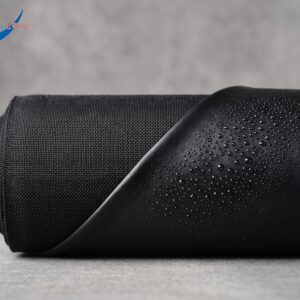
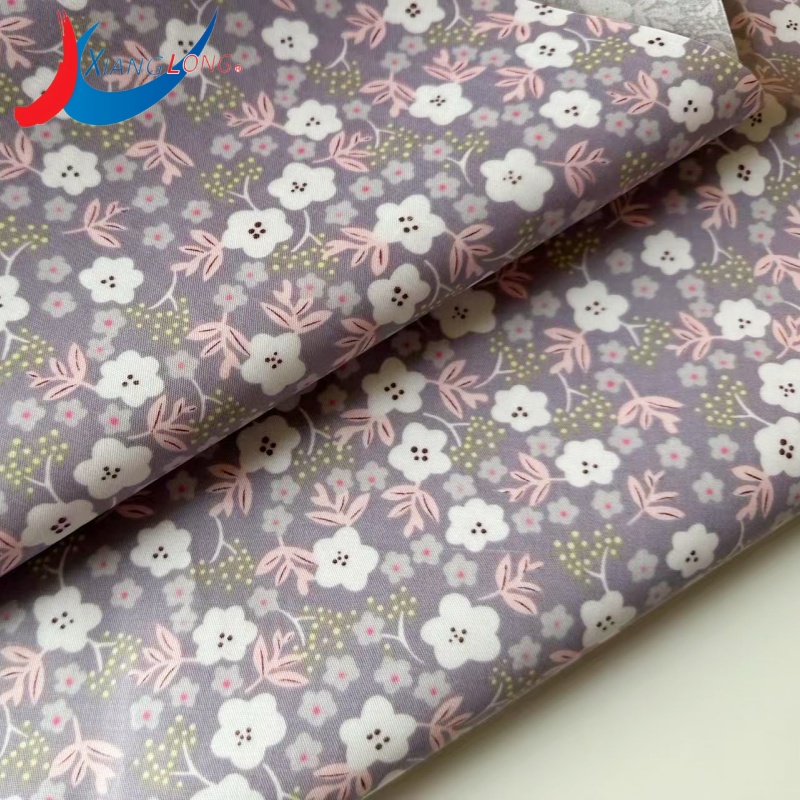
XL TPU Coated Cotton Fabric combines a natural cotton textile with a biodegradable TPU membrane to create a flexible material for waterproof products, outdoor equipment, bags, and inflatable goods. The cotton base brings a familiar textile appearance and hand-feel to the finished product, while the TPU layer provides the continuous barrier needed for protection against water and air loss.

Product Description

XL TPU Coated Cotton Fabric for Biodegradable Waterproof Products

Compared with conventional waterproof synthetic fabrics, the material offers manufacturers another way to introduce a natural textile surface into products that still require sealed construction. The combination is particularly suitable for brands developing bags, camping products, outdoor accessories, and lifestyle equipment where material appearance is part of the product specification.
The fabric is available with polyether-based or polyester-based TPU and can be supplied in different weights, widths, and patterns according to the requirements of the finished product.

Cotton Textile Surface for Natural-Looking Products

Cotton brings a different visual character to technical products than standard synthetic textile substrates. Its woven texture and familiar textile appearance can make a finished product feel closer to conventional canvas or lifestyle fabrics while retaining the functional barrier provided by the TPU layer.
This characteristic is useful for products that sit between technical outdoor equipment and consumer lifestyle goods. Waterproof bags, picnic products, camping accessories, and premium travel equipment often need more than basic water resistance. The material surface contributes to the appearance and tactile impression of the finished product.
The cotton substrate can be considered for:
  • Waterproof lifestyle bags
  • Outdoor storage products
  • Camping accessories
  • Picnic and ground protection products
  • Luggage covers
  • Equipment cases
  • Reusable packaging products
For manufacturers searching for TPU Coated Cotton Fabric, the main value lies in combining a recognizable textile surface with a functional polymer barrier rather than treating cotton simply as a conventional fabric substrate.

Biodegradable TPU Barrier Layer

The TPU membrane forms the functional layer of the composite. It provides the continuous surface needed to restrict the passage of water and air while remaining flexible enough for products that are folded, rolled, inflated, or handled regularly.
The use of a biodegradable TPU layer gives the material a place within product development programs focused on alternative material choices and end-of-life considerations. Actual degradation behavior depends on the TPU formulation and the conditions specified for degradation, so the finished product should be evaluated according to the applicable disposal or composting environment.
This distinction is important for manufacturers working with Biodegradable TPU Fabric. The biodegradable characteristic belongs to the specified TPU component and should not automatically be interpreted as meaning that every part of the finished cotton composite has the same degradation behavior.
For product developers, this composite approach provides a practical route for introducing biodegradable TPU into a textile-based product while retaining the appearance of cotton.

Waterproof Construction for Bags and Outdoor Products

The TPU layer creates a continuous barrier across the cotton substrate, making the composite suitable for products where water resistance is a functional requirement.
For bags, the material can be considered for dry bags, waterproof tote bags, commuter packs, equipment storage bags, and other products exposed to rain or surface moisture. The cotton outer structure can contribute to the visual identity of the product, while the TPU layer handles the main barrier function.
For outdoor equipment, the material can be used in applications where the fabric needs to provide protection from wet ground, rain, spills, or humid conditions.
Potential product structures include:
Product TypeMaterial Function
Waterproof dry bagsWater-resistant barrier with textile appearance
Outdoor totesFlexible outer material with TPU protection
Camping equipmentProtective fabric for moisture-exposed components
Picnic blanketsSurface protection against ground moisture
Ground tarpsFlexible waterproof construction
Equipment linersInternal moisture barrier
Luggage coversFlexible protective outer layer
The final water resistance depends on the complete product construction, including seams, closures, welded areas, and component interfaces. Material selection should therefore be considered together with the manufacturing process.

Airtight Construction for Inflatable Products

The continuous TPU layer also makes the material suitable for selected inflatable applications where the fabric needs to retain air within a defined structure.
Luxury camping mattresses, inflatable loungers, camp pillows, and similar products can benefit from a textile surface that gives the finished item a less conventional synthetic appearance.
The cotton substrate provides a fabric-oriented exterior, while the TPU membrane forms the air-retaining layer. This combination can be useful for products positioned toward premium outdoor recreation, glamping, and lifestyle camping markets.
For inflatable product manufacturers, material selection should take into account:
  • Required air retention
  • Film thickness
  • Fabric weight
  • Product size
  • Inflation pressure
  • Folding frequency
  • Welding process
  • Expected outdoor exposure
These factors affect the final construction and should be validated through prototype production before larger-scale manufacturing.

HF and Hot-Air Welding for Sealed Seams

Conventional stitched seams introduce needle perforations into a waterproof material. For products that depend on continuous sealing, welding can provide a different construction method.
XL TPU Coated Cotton Fabric is compatible with High-Frequency welding and hot-air welding processes. These methods can join suitable TPU-coated areas without relying solely on conventional needle stitching.
HF welding can be considered for products requiring repeatable welded seams, while hot-air welding provides another option for compatible fabric constructions and production processes.
The actual welding parameters depend on the TPU type, coating thickness, fabric structure, equipment, pressure, temperature, and production speed. Testing is recommended to establish suitable parameters for each finished product.
For manufacturers producing TPU Laminated Cotton Fabric products, the welding process should be considered during material selection rather than after the fabric specification has already been finalized.

Material Selection for Sustainable Outdoor Gear

Cotton TPU fabric can be particularly relevant when the appearance and positioning of the finished product are closely connected to material choice.
A synthetic technical fabric may provide the required waterproof function, but it may not deliver the visual character expected for lifestyle products, premium camping equipment, or reusable consumer goods. Cotton provides a more familiar textile appearance, while the TPU membrane adds the barrier properties needed for the application.
This combination can support product categories such as:
Outdoor bags Waterproof cotton fabric can be used for dry bags, tote bags, commuter packs, and storage products where textile appearance is part of the product concept.
Camping products The material can be considered for inflatable mattresses, air loungers, pillows, and other camping products where flexible construction and a natural-looking surface are preferred.
Picnic and ground protection products Waterproof cotton fabric can provide a flexible surface for picnic blankets, ground sheets, and floor mats exposed to damp outdoor surfaces.
Protective covers and cases The composite can be used for luggage covers, equipment liners, and storage cases requiring moisture protection.

Sustainable Material Positioning

The environmental profile of a finished product depends on the complete material system, manufacturing process, product lifespan, and disposal conditions. For this reason, the cotton component and biodegradable TPU component should be evaluated separately as well as together.
Cotton provides a renewable natural fiber base, while the specified biodegradable TPU offers an alternative to conventional TPU formulations for projects where end-of-life material considerations are part of the purchasing criteria.
For brands developing Biodegradable Waterproof Fabric, this combination can support a more material-conscious product strategy without removing the functional requirements of waterproof construction.
The exact degradation performance should be evaluated against the supplier’s technical documentation and the conditions required for the selected TPU formulation. Composting or soil degradation should not be assumed to occur under ordinary outdoor conditions.

Technical Specifications

PropertySpecification
Product NameXL TPU Coated Cotton Fabric
Base FabricCotton
Coating TypePolyether-based TPU / Polyester-based TPU
Total WeightCustomizable
Standard Width140 cm or Custom
ColorPatterns Available
Material StructureCotton Textile with TPU Membrane
ProcessingHF Welding, Hot-Air Welding
Main CharacteristicsWaterproof Barrier, Airtight Construction, Flexible Textile Structure

Recommended Applications

Eco-Friendly Bags and Dry Bags

The material can be used for waterproof tote bags, commuter packs, dry bags, and storage products where cotton’s natural appearance fits the product concept.

Luxury Camping Products

Inflatable mattresses, air loungers, and camp pillows can use the material where a textile exterior is preferred over a conventional synthetic appearance.

Picnic Blankets and Ground Mats

The waterproof barrier can help protect the product from damp ground surfaces, making the fabric suitable for picnic blankets, ground tarps, and outdoor floor mats.

Packaging Cases and Equipment Liners

Reusable cases, luggage covers, and equipment liners can incorporate the material where flexible construction and moisture protection are required.

Lifestyle Outdoor Products

The combination of cotton and TPU is also suitable for product categories positioned between outdoor equipment and everyday consumer goods, particularly where material texture and appearance contribute to the finished product identity.

Specification Considerations for OEM Projects

Choosing a TPU Coated Cotton Fabric should begin with the construction of the finished product rather than with the fabric name alone. Different applications place different demands on the material.
For a dry bag, water resistance, seam construction, folding behavior, and closure design may be the main considerations. For an inflatable mattress, air retention, welding strength, fabric weight, and repeated folding become more important. For a picnic blanket or ground mat, surface handling, flexibility, and resistance to moisture may receive greater attention.
OEM projects should normally confirm the following before production:
  • Cotton fabric weight and construction
  • TPU type
  • TPU coating or membrane thickness
  • Finished material weight
  • Fabric width
  • Surface pattern or appearance
  • Required waterproof performance
  • Required airtight performance
  • Welding method
  • Finished product dimensions
  • Intended outdoor conditions
Prototype welding and finished-product testing can then be used to confirm whether the selected construction meets the requirements of the application.

A Textile-Based Approach to Biodegradable Waterproof Products

XL TPU Coated Cotton Fabric brings together a natural cotton textile and a biodegradable TPU barrier in one flexible material structure. Cotton contributes the woven appearance and familiar textile character, while the TPU layer provides the waterproof and air-retaining function required by selected outdoor and inflatable products.
The material can be considered for waterproof bags, camping equipment, picnic products, ground protection, luggage covers, equipment liners, and other applications where a textile surface and functional barrier need to work together.
For manufacturers sourcing TPU Coated Cotton Fabric, Biodegradable TPU Fabric, Biodegradable Waterproof Fabric, or Waterproof Cotton Fabric, this material provides a practical starting point for developing outdoor and lifestyle products with a different material profile from conventional synthetic waterproof fabrics.

XL TPU Coated Cotton Fabric for Biodegradable Waterproof Products

Compared with conventional waterproof synthetic fabrics, the material offers manufacturers another way to introduce a natural textile surface into products that still require sealed construction. The combination is particularly suitable for brands developing bags, camping products, outdoor accessories, and lifestyle equipment where material appearance is part of the product specification.
The fabric is available with polyether-based or polyester-based TPU and can be supplied in different weights, widths, and patterns according to the requirements of the finished product.

Cotton Textile Surface for Natural-Looking Products

Cotton brings a different visual character to technical products than standard synthetic textile substrates. Its woven texture and familiar textile appearance can make a finished product feel closer to conventional canvas or lifestyle fabrics while retaining the functional barrier provided by the TPU layer.
This characteristic is useful for products that sit between technical outdoor equipment and consumer lifestyle goods. Waterproof bags, picnic products, camping accessories, and premium travel equipment often need more than basic water resistance. The material surface contributes to the appearance and tactile impression of the finished product.
The cotton substrate can be considered for:
  • Waterproof lifestyle bags
  • Outdoor storage products
  • Camping accessories
  • Picnic and ground protection products
  • Luggage covers
  • Equipment cases
  • Reusable packaging products
For manufacturers searching for TPU Coated Cotton Fabric, the main value lies in combining a recognizable textile surface with a functional polymer barrier rather than treating cotton simply as a conventional fabric substrate.

Biodegradable TPU Barrier Layer

The TPU membrane forms the functional layer of the composite. It provides the continuous surface needed to restrict the passage of water and air while remaining flexible enough for products that are folded, rolled, inflated, or handled regularly.
The use of a biodegradable TPU layer gives the material a place within product development programs focused on alternative material choices and end-of-life considerations. Actual degradation behavior depends on the TPU formulation and the conditions specified for degradation, so the finished product should be evaluated according to the applicable disposal or composting environment.
This distinction is important for manufacturers working with Biodegradable TPU Fabric. The biodegradable characteristic belongs to the specified TPU component and should not automatically be interpreted as meaning that every part of the finished cotton composite has the same degradation behavior.
For product developers, this composite approach provides a practical route for introducing biodegradable TPU into a textile-based product while retaining the appearance of cotton.

Waterproof Construction for Bags and Outdoor Products

The TPU layer creates a continuous barrier across the cotton substrate, making the composite suitable for products where water resistance is a functional requirement.
For bags, the material can be considered for dry bags, waterproof tote bags, commuter packs, equipment storage bags, and other products exposed to rain or surface moisture. The cotton outer structure can contribute to the visual identity of the product, while the TPU layer handles the main barrier function.
For outdoor equipment, the material can be used in applications where the fabric needs to provide protection from wet ground, rain, spills, or humid conditions.
Potential product structures include:
Product TypeMaterial Function
Waterproof dry bagsWater-resistant barrier with textile appearance
Outdoor totesFlexible outer material with TPU protection
Camping equipmentProtective fabric for moisture-exposed components
Picnic blanketsSurface protection against ground moisture
Ground tarpsFlexible waterproof construction
Equipment linersInternal moisture barrier
Luggage coversFlexible protective outer layer
The final water resistance depends on the complete product construction, including seams, closures, welded areas, and component interfaces. Material selection should therefore be considered together with the manufacturing process.

Airtight Construction for Inflatable Products

The continuous TPU layer also makes the material suitable for selected inflatable applications where the fabric needs to retain air within a defined structure.
Luxury camping mattresses, inflatable loungers, camp pillows, and similar products can benefit from a textile surface that gives the finished item a less conventional synthetic appearance.
The cotton substrate provides a fabric-oriented exterior, while the TPU membrane forms the air-retaining layer. This combination can be useful for products positioned toward premium outdoor recreation, glamping, and lifestyle camping markets.
For inflatable product manufacturers, material selection should take into account:
  • Required air retention
  • Film thickness
  • Fabric weight
  • Product size
  • Inflation pressure
  • Folding frequency
  • Welding process
  • Expected outdoor exposure
These factors affect the final construction and should be validated through prototype production before larger-scale manufacturing.

HF and Hot-Air Welding for Sealed Seams

Conventional stitched seams introduce needle perforations into a waterproof material. For products that depend on continuous sealing, welding can provide a different construction method.
XL TPU Coated Cotton Fabric is compatible with High-Frequency welding and hot-air welding processes. These methods can join suitable TPU-coated areas without relying solely on conventional needle stitching.
HF welding can be considered for products requiring repeatable welded seams, while hot-air welding provides another option for compatible fabric constructions and production processes.
The actual welding parameters depend on the TPU type, coating thickness, fabric structure, equipment, pressure, temperature, and production speed. Testing is recommended to establish suitable parameters for each finished product.
For manufacturers producing TPU Laminated Cotton Fabric products, the welding process should be considered during material selection rather than after the fabric specification has already been finalized.

Material Selection for Sustainable Outdoor Gear

Cotton TPU fabric can be particularly relevant when the appearance and positioning of the finished product are closely connected to material choice.
A synthetic technical fabric may provide the required waterproof function, but it may not deliver the visual character expected for lifestyle products, premium camping equipment, or reusable consumer goods. Cotton provides a more familiar textile appearance, while the TPU membrane adds the barrier properties needed for the application.
This combination can support product categories such as:
Outdoor bags Waterproof cotton fabric can be used for dry bags, tote bags, commuter packs, and storage products where textile appearance is part of the product concept.
Camping products The material can be considered for inflatable mattresses, air loungers, pillows, and other camping products where flexible construction and a natural-looking surface are preferred.
Picnic and ground protection products Waterproof cotton fabric can provide a flexible surface for picnic blankets, ground sheets, and floor mats exposed to damp outdoor surfaces.
Protective covers and cases The composite can be used for luggage covers, equipment liners, and storage cases requiring moisture protection.

Sustainable Material Positioning

The environmental profile of a finished product depends on the complete material system, manufacturing process, product lifespan, and disposal conditions. For this reason, the cotton component and biodegradable TPU component should be evaluated separately as well as together.
Cotton provides a renewable natural fiber base, while the specified biodegradable TPU offers an alternative to conventional TPU formulations for projects where end-of-life material considerations are part of the purchasing criteria.
For brands developing Biodegradable Waterproof Fabric, this combination can support a more material-conscious product strategy without removing the functional requirements of waterproof construction.
The exact degradation performance should be evaluated against the supplier’s technical documentation and the conditions required for the selected TPU formulation. Composting or soil degradation should not be assumed to occur under ordinary outdoor conditions.

Technical Specifications

PropertySpecification
Product NameXL TPU Coated Cotton Fabric
Base FabricCotton
Coating TypePolyether-based TPU / Polyester-based TPU
Total WeightCustomizable
Standard Width140 cm or Custom
ColorPatterns Available
Material StructureCotton Textile with TPU Membrane
ProcessingHF Welding, Hot-Air Welding
Main CharacteristicsWaterproof Barrier, Airtight Construction, Flexible Textile Structure

Recommended Applications

Eco-Friendly Bags and Dry Bags

The material can be used for waterproof tote bags, commuter packs, dry bags, and storage products where cotton’s natural appearance fits the product concept.

Luxury Camping Products

Inflatable mattresses, air loungers, and camp pillows can use the material where a textile exterior is preferred over a conventional synthetic appearance.

Picnic Blankets and Ground Mats

The waterproof barrier can help protect the product from damp ground surfaces, making the fabric suitable for picnic blankets, ground tarps, and outdoor floor mats.

Packaging Cases and Equipment Liners

Reusable cases, luggage covers, and equipment liners can incorporate the material where flexible construction and moisture protection are required.

Lifestyle Outdoor Products

The combination of cotton and TPU is also suitable for product categories positioned between outdoor equipment and everyday consumer goods, particularly where material texture and appearance contribute to the finished product identity.

Specification Considerations for OEM Projects

Choosing a TPU Coated Cotton Fabric should begin with the construction of the finished product rather than with the fabric name alone. Different applications place different demands on the material.
For a dry bag, water resistance, seam construction, folding behavior, and closure design may be the main considerations. For an inflatable mattress, air retention, welding strength, fabric weight, and repeated folding become more important. For a picnic blanket or ground mat, surface handling, flexibility, and resistance to moisture may receive greater attention.
OEM projects should normally confirm the following before production:
  • Cotton fabric weight and construction
  • TPU type
  • TPU coating or membrane thickness
  • Finished material weight
  • Fabric width
  • Surface pattern or appearance
  • Required waterproof performance
  • Required airtight performance
  • Welding method
  • Finished product dimensions
  • Intended outdoor conditions
Prototype welding and finished-product testing can then be used to confirm whether the selected construction meets the requirements of the application.

A Textile-Based Approach to Biodegradable Waterproof Products

XL TPU Coated Cotton Fabric brings together a natural cotton textile and a biodegradable TPU barrier in one flexible material structure. Cotton contributes the woven appearance and familiar textile character, while the TPU layer provides the waterproof and air-retaining function required by selected outdoor and inflatable products.
The material can be considered for waterproof bags, camping equipment, picnic products, ground protection, luggage covers, equipment liners, and other applications where a textile surface and functional barrier need to work together.
For manufacturers sourcing TPU Coated Cotton Fabric, Biodegradable TPU Fabric, Biodegradable Waterproof Fabric, or Waterproof Cotton Fabric, this material provides a practical starting point for developing outdoor and lifestyle products with a different material profile from conventional synthetic waterproof fabrics.

Related Products

FAQ

A detailed answer to provide information about your business, build trust with potential customers, or help the visitor with a problem they may be encountering

A detailed answer to provide information about your business, build trust with potential customers, or help the visitor with a problem they may be encountering
A detailed answer to provide information about your business, build trust with potential customers, or help the visitor with a problem they may be encountering

A detailed answer to provide information about your business, build trust with potential customers, or help the visitor with a problem they may be encountering

A detailed answer to provide information about your business, build trust with potential customers, or help the visitor with a problem they may be encountering

A detailed answer to provide information about your business, build trust with potential customers, or help the visitor with a problem they may be encountering

A detailed answer to provide information about your business, build trust with potential customers, or help the visitor with a problem they may be encountering

A detailed answer to provide information about your business, build trust with potential customers, or help the visitor with a problem they may be encountering

Customer Reviews

“A review from a customer who benefited from your product. Reviews can be a highly effective way of establishing credibility and increasing your company's reputation.”
Customer Name
“A review from a customer who benefited from your product. Reviews can be a highly effective way of establishing credibility and increasing your company's reputation.”
Customer Name
“A review from a customer who benefited from your product. Reviews can be a highly effective way of establishing credibility and increasing your company's reputation.”
Customer Name

Related Products