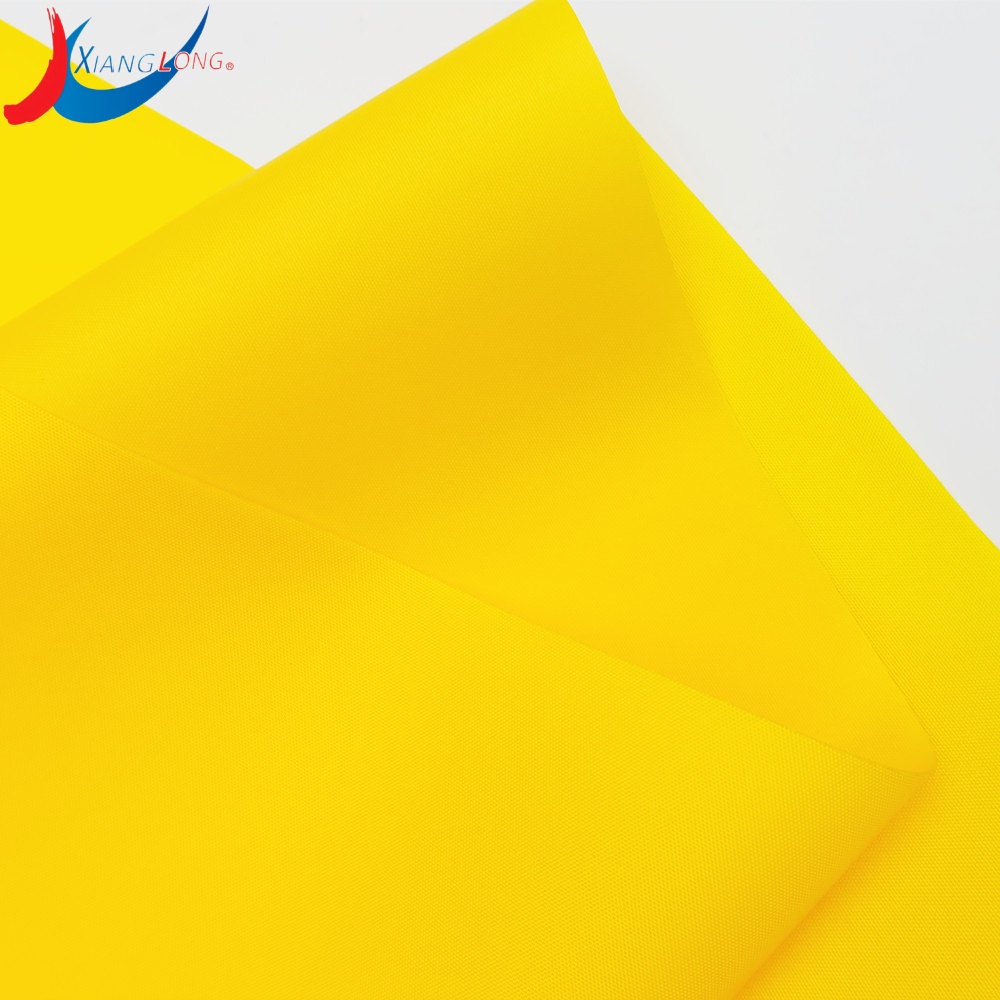
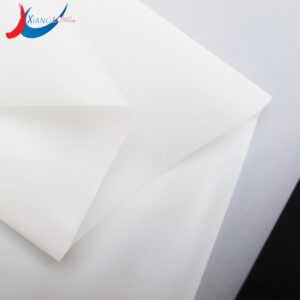
In many real-world scenarios, equipment materials must provide more than basic protection. They also need to withstand the effects of prolonged wear and changing environmental conditions. For example, in outdoor equipment, transportation systems, or industrial protective solutions, materials are frequently exposed to continuous friction, load pressure, and complex climate conditions. A stronger textile structure can significantly reduce the risk of damage caused by abrasion or stretching, thereby extending the overall service life of the final product.
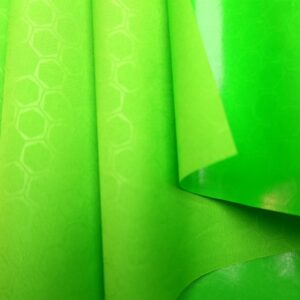
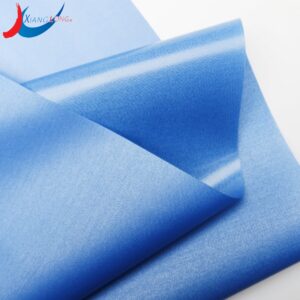
Beyond the textile structure itself, the XL series TPU coating provides critical protective functionality. The TPU layer forms a continuous protective barrier across the fabric surface, delivering reliable waterproof and airtight performance while also improving surface durability. This composite structure allows the fabric to resist moisture while maintaining flexibility, enabling it to perform well even during repeated folding, rolling, or transportation.
Overall, XL TPU Coated 210D Nylon establishes a durability-focused material system that balances textile strength with functional protection. This combination allows the fabric to meet the demanding requirements of high-intensity equipment, industrial protection systems, and applications operating in complex environments.
Structural Advantages of High-Denier Nylon Fabric
In composite fabric design, the base textile typically determines the overall mechanical performance of the material. 210D nylon fibers provide high strength and strong fatigue resistance, allowing the fabric to maintain structural stability even under repeated bending, stretching, and friction.
Higher-denier yarns create a tighter and more stable woven structure during the weaving process, improving the material’s performance in several key aspects:
Tensile strength
Abrasion resistance
Structural stability
These structural properties allow the fabric to perform more reliably in long-term usage environments. Compared with lightweight textiles, 210D nylon can better withstand stress variations caused by high-load conditions, which is why it is frequently used in equipment and industrial products that require a higher level of durability.
During real-world use, materials often encounter repeated friction, external impacts, and sustained pressure. A stable textile structure helps distribute localized stress more effectively, reducing the risk of structural failure caused by fatigue or wear. This is one of the primary reasons why higher-denier nylon fabrics are widely used in high-reliability equipment.
Environmental Protection Provided by the TPU Functional Coating
In addition to the structural strength of the textile base, the performance of a fabric in complex environments also depends heavily on its surface functional materials. The XL series TPU coating forms a flexible and continuous protective layer on the fabric surface, providing stable waterproof and airtight performance.
This protective layer effectively blocks water penetration while maintaining the material’s flexibility. As a result, the fabric can retain structural stability even when folded, rolled, or compressed during storage and transportation. For products used in outdoor or humid environments, a reliable waterproof layer significantly enhances overall durability.
Another important advantage is the compatibility of TPU with high-frequency welding (HF welding). Through HF welding technology, materials can be directly sealed during manufacturing without relying on traditional stitching methods. This process simplifies production and eliminates the risk of needle holes that may cause water leakage, ensuring that connection areas maintain strong waterproof and airtight integrity.
The combination of a strong textile structure and TPU coating creates a composite system that provides both mechanical strength and environmental protection, enabling the material to perform reliably in a variety of high-intensity application environments.
Key Performance Characteristics
High Structural Strength The 210D nylon base fabric provides strong mechanical performance, allowing the material to maintain stability under heavy external stress or long-term use.
Excellent Abrasion Resistance The higher-denier textile structure improves durability in friction-intensive environments, making it suitable for demanding wear conditions.
Reliable Waterproof and Airtight Performance The TPU coating forms a continuous barrier on the fabric surface, effectively preventing water and air penetration.
Compatibility with HF Welding The TPU surface supports HF welding processes, enabling sealed structural connections and improving product reliability.
Long-Term Environmental Adaptability The composite structure maintains stable performance across complex climate conditions and extended usage cycles.