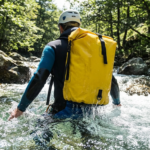





أصبح الترطيب الموثوق متطلبًا أساسيًا للأنشطة الخارجية الحديثة. سواءً كانت رحلة تخييم لعدة أيام، أو مشاركة في سباقات الماراثون الفائقة، أو عمليات في بيئات عسكرية، أو دعم مهمات الإنقاذ الطارئة، يتوقع المستخدمون أن تكون أنظمة الترطيب خفيفة الوزن ومتينة وآمنة وموثوقة في الظروف الصعبة.
مع استمرار تطور المعدات الخارجية، حلت خزانات الترطيب محل زجاجات المياه الصلبة التقليدية في العديد من التطبيقات. فالمثانات المائية المرنة توزع الوزن بشكل أكثر كفاءة، وتستهلك مساحة أقل عندما تكون فارغة، وتتكامل بسلاسة مع حقائب الظهر والسترات التكتيكية وأنظمة الترطيب القابلة للارتداء. هذه المزايا جعلتها الحل القياسي للمتنزهين وراكبي الدراجات الجبلية والدراجين والجنود وفرق الإنقاذ.
ومع ذلك، فإن أداء خزان الترطيب يعتمد على أكثر بكثير من شكله أو تصميم صمامه. فالمواد المستخدمة في تصنيع الخزان تحدد ما إذا كان بإمكانه تخزين مياه الشرب بأمان، وتحمل الطي المتكرر، ومقاومة الثقوب، والحفاظ على خياطة محكمة الهواء، وتقديم موثوقية طويلة الأمد في ظروف متغيرة.
بالنسبة للمصنعين، أصبح اختيار المواد أحد أهم القرارات الهندسية أثناء تطوير المنتجات.
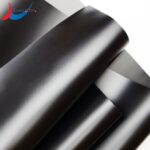
من بين المواد المصفحة عالية الأداء اليوم، النايلون المقاوم للتمزق المغلف بـ TPU من كلا الجانبين أصبح الحل المفضل لخزانات الترطيب الفاخرة. من خلال الجمع بين تعزيز نايلون مقاوم للتمزق 20D خفيف للغاية مع طبقتي TPU على جانبي القماش، يحقق المصنعون توازنًا ممتازًا بين سلامة الغذاء وأداء اللحام والقوة الميكانيكية والمرونة وتخفيض الوزن.
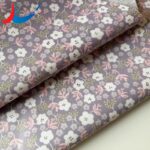
تُستخدم هذه التركيبة الآن على نطاق واسع ليس فقط في خزانات الترطيب، بل أيضًا في القوارير اللينة، وأكياس تخزين المياه المحمولة، وأنظمة الترطيب التكتيكية، وأكياس الترشيح بالجاذبية، وغيرها من منتجات احتواء السوائل المرنة.
ما هو النايلون المقاوم للتمزق المغلف بـ TPU من كلا الجانبين؟
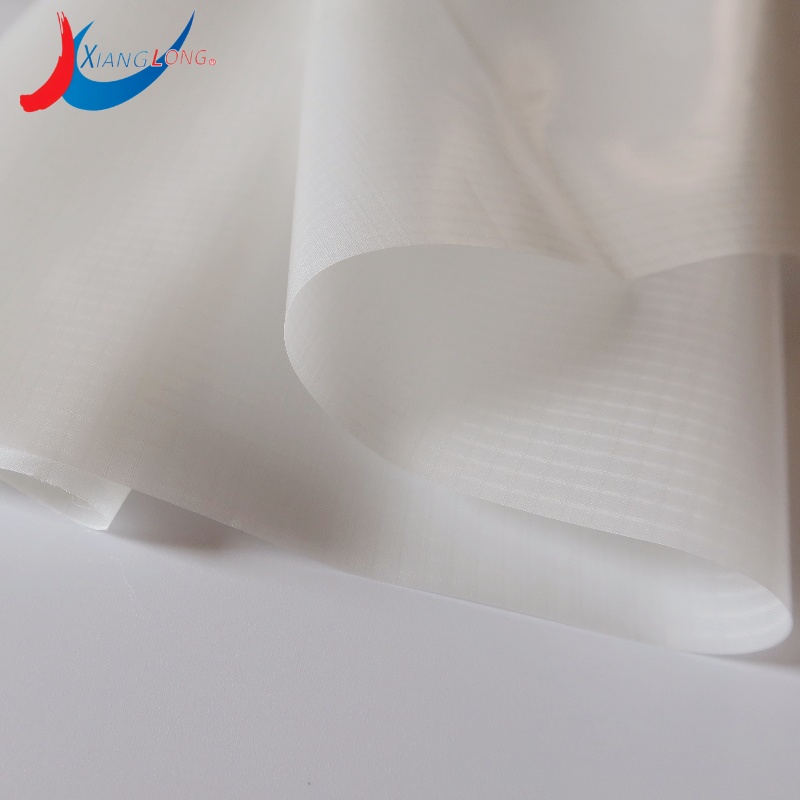
على عكس الأقمشة المغلفة التقليدية التي تتلقى طبقة وظيفية واحدة فقط على أحد الأسطح، فإن النايلون المقاوم للتمزق المغلف بـ TPU من كلا الجانبين مصمم باستخدام بولي يوريثان حراري مصفح على جانبي قماش نايلون منسوج خفيف الوزن.
يمكن تبسيط البنية الناتجة على النحو التالي:
طبقة TPU → نايلون مقاوم للتمزق 20D → طبقة TPU
على الرغم من أن هذا التكوين يبدو بسيطًا، إلا أن كل طبقة تؤدي وظيفة هندسية مميزة.
النايلون المقاوم للتمزق 20D كقلب هيكلي
تتكون الطبقة الوسطى من قماش نايلون مقاوم للتمزق 20 دينير خفيف للغاية. الغرض الأساسي منها هو توفير التعزيز الميكانيكي دون إضافة وزن غير ضروري.
يتضمن نسج النايلون المقاوم للتمزق خيوط تعزيز أقوى على فترات منتظمة، مما يخلق نمط شبكة يساعد على منع انتشار الثقوب أو القطع الصغيرة أثناء الاستخدام.
مقارنةً بالأقمشة المنسوجة الخفيفة العادية، يقدم النايلون المقاوم للتمزق:
- قوة شد أعلى
- مقاومة أفضل لانتشار التمزق
- استقرار أبعاد أفضل
- مرونة ممتازة
- تحمل فائق للطي
تسمح هذه الخصائص لخزانات الترطيب بالبقاء لسنوات طويلة تحت التدحرج والطي والتعبئة في الحقائب والتكرار المتعدد للملء دون تدهور هيكلي كبير.
لماذا يتم تغليف كلا الجانبين بـ TPU؟
الفارق الأهم بين النايلون المقاوم للتمزق المغلف بـ TPU من كلا الجانبين والقماش المغلف بـ TPU التقليدي يكمن في تعرض طبقة النسيج.
في التصاميم ذات الجانب الواحد، يبقى أحد الأسطح مكشوفًا جزئيًا. رغم أن هذا النهج مناسب للعديد من التطبيقات الصناعية، إلا أنه أقل ملاءمة للمنتجات المصممة لتخزين مياه الشرب.
التصميم ثنائي الجانب يغلف التعزيز النسيجي بالكامل بين طبقتين من TPU.
يقدم هذا التصميم عدة مزايا مهمة:
- مياه الشرب تتلامس فقط مع سطح TPU وليس مع ألياف النسيج.
- النسيج محمي من امتصاص الرطوبة.
- التنظيف يصبح أسهل لأن السطح الداخلي أملس وغير مسامي.
- الأسطح المستمرة من TPU تخلق ظروفًا مثالية للحام الحراري.
- أداء الحاجز العام يتحسن بشكل كبير.
بالنسبة لخزانات الترطيب، توفر هذه البنية المغلفة بالكامل مزايا صحية وتصنيعية يصعب تحقيقها مع المواد ذات الطبقة الواحدة.
TPU البولي إيثر مقابل TPU البوليستر
اختيار تركيبة TPU المناسبة لا يقل أهمية عن اختيار القماش نفسه.
يُستخدم كل من TPU البولي إيثر والبوليستر على نطاق واسع في الأقمشة المصفحة، لكنهما يخدمان أولويات مختلفة.
Polyether TPU يُفضل عادةً لتطبيقات خزانات الترطيب لأنه يوفر:
- مقاومة ممتازة للتحلل المائي
- مرونة أفضل في درجات الحرارة المنخفضة
- مقاومة محسّنة للبيئات الرطبة
- عمر خدمة أطول أثناء الطي المتكرر
هذه الخصائص تجعله مناسبًا بشكل خاص للمنتجات الخارجية المعرضة للأمطار وتقلبات درجات الحرارة والتخزين المطول.
TPU البوليسترمن ناحية أخرى، عادةً ما يوفر:
- مقاومة أعلى للتآكل
- صلابة أكبر
- مقاومة أفضل للزيوت والوقود
- تكلفة مواد أقل في بعض التطبيقات
بالنسبة للمنتجات المصممة أساسًا لحمل مياه الشرب، يفضل العديد من المصنعين TPU البولي إيثر لأن المرونة طويلة الأمد ومقاومة التحلل المائي تؤثر مباشرةً على متانة المنتج.
لماذا يهم اختيار المادة لأداء خزان الترطيب؟
خزان الترطيب يتعرض لضغوط ميكانيكية وبيئية أكبر بكثير مما يدركه الكثيرون.
خلال فترة خدمته، يتم ملء الخزان وتفريغه مرارًا وتكرارًا، ويتم ضغطه داخل حقائب الظهر، ويُعرَّض لأشعة الشمس، ويُعرَّض لتغيرات درجات الحرارة، ويُطوى مئات أو حتى آلاف المرات. كل هذه الظروف تضع متطلبات على المادة.
اختيار قماش خزان الترطيب ليس مجرد قرار تصنيعي—بل هو قرار يتعلق بالأداء.
سلامة الغذاء
يجب أن تكون المادة مناسبة للاتصال المتكرر بمياه الشرب دون إطلاق مواد ضارة أو التأثير على جودة المياه.
تستخدم أنظمة الترطيب الحديثة بشكل متزايد تركيبات TPU خالية من BPA وPVC والفثالات، والتي تتوافق مع متطلبات ملامسة الغذاء في الأسواق العالمية الكبرى.
طبقة TPU مستقرة وآمنة غذائيًا تساعد على ضمان بقاء المياه المخزنة صالحة للشرب طوال فترة خدمة المنتج.
عدم وجود طعم للطعم
من أكثر الشكاوى شيوعًا حول المثانات المائية منخفضة الجودة هو طعم البلاستيك غير المحبب.
غالبًا ما يرتبط هذا الأمر بالبوليمرات الرديئة أو الإضافات أو عمليات التصنيع السيئة التحكم.
صيغ البولي يوريثان الحراري عالي الجودة مصممة لتقليل انتقال الرائحة والطعم إلى أدنى حد، مما يسمح للمستخدمين بحمل الماء لفترات طويلة دون المساس بجودة الشرب.
بالنسبة للعلامات التجارية الراقية المخصصة للأنشطة الخارجية، أصبحت حيادية الطعم عاملاً فارقاً رئيسياً.
منع التسرب
قوة المادة وحدها لا تستطيع منع التسرب.
في الخزانات المرنة، غالباً ما تتعرض اللحامات الملحومة لضغوط أكبر من تلك التي يتعرض لها جسم القماش نفسه. مع كل إعادة تعبئة أو ضغط أو انضغاط داخل الحقيبة، تنتقل الأحمال إلى هذه المناطق الملحومة.
إن الجمع بين بنية البولي يوريثان الحراري ذات الجانبين وتقنية اللحام المتوافقة يمكّن المصنعين من إنشاء ختم مستمر بقوة الترابط العالية، مما يقلل احتمال حدوث التسرب خلال الاستخدام المتكرر.
تصميم خفيف الوزن
كل غرام له أهميته في المعدات الحديثة المخصصة للأنشطة الخارجية.
المتجولون لمسافات طويلة، والعدائون على المسارات، والمتسابقون في سباقات المغامرات، ومتسلقو الجبال يسعون باستمرار إلى معدات أخف وزناً دون التضحية بالمتانة.
هذا الاتجاه يفسر سبب زيادة شعبية نسيج النايلون 20D المضاد للتمزق.
مقارنةً بالأنسجة الأثقل مثل 70D أو 210D، توفر أنسجة 20D توفيرًا كبيرًا في الوزن مع استمرار تقديم دعم ميكانيكي كافٍ لأغلب تطبيقات الترطيب.
بدلاً من التركيز على تعظيم القوة المطلقة، يركز المصممون على تحقيق أفضل نسبة ممكنة بين الوزن والقوة، مما يمكن المستخدمين من حمل معدات أقل وزناً دون المساس بالموثوقية.