







インフレータブルボートの製造業者は、生産開始前に複数の素材に関する判断を下す必要があります。エアチェンバーに使用される生地は圧力を保持できなければならず、底面は粗い表面との接触に耐えられ、溶着部は繰り返し使用される際に安定していなければなりません。ボートの各部位で同じ生地構造を選択すれば調達は簡素化されるかもしれませんが、重量・強度・耐用年数の最適なバランスが常に得られるとは限りません。
TPUコーティングナイロン は、織物ベースと柔軟な熱可塑性ポリウレタン層を組み合わせているため、インフレータブルボートの製造において広く採用されています。織物が機械的サポートを提供し、TPUコーティングが気密性を高めるとともに、適切な熱シールや高周波溶着プロセスによって材料を接合できるようにします。
しかし、TPUコーティング生地の性能は、ポリマーそのものだけでは決まりません。ベース生地の構造、デニール、コーティング厚、接着性、表面処理、溶着適合性などがすべて最終製品に影響を与えます。インフレータブル用生地を選ぶメーカーは、これらの要因をボートの構造および想定される使用条件に照らして評価する必要があります。
インフレータブルボートの製造業者が考慮すべき生地の要件とは?
インフレータブルボートはさまざまな種類の機械的ストレス下で動作します。エアチェンバーは内部圧力を受け続け、底面は砂利や岩に接触することがあり、保管や輸送時には素材が繰り返し折り畳まれます。生地はこれらの状況に対応しつつ、完成したボートを不必要に重くしたり扱いにくくしたりしないようにしなければなりません。
個々の生地グレードを比較する前に、メーカーは主要な性能要件を明確にしておくべきです。
作動圧力下での気密性
空気保持能力はインフレータブルボート用生地の基本的な要件の一つです。コーティングされた素材は表面からの空気透過を抑制する必要があり、また縫い目、バルブ、接続部は信頼性の高い密封を維持しなければなりません。
完成したボートの気密性能は生地だけで決まるわけではありません。たとえ適切な空気遮断特性を持つ素材であっても、溶着条件が一定でなかったり接合部の設計が不適切だったりすると、圧力を失う製品になってしまう可能性があります。
そのため、メーカーはコーティング生地を全体の組立工程とともに評価する必要があります。素材サンプルは空気透過性試験を行い、溶着試験片は規定の圧力条件下で漏れがないか確認できます。
試験圧力、保持時間、温度、合格基準は、想定される普遍的な基準ではなく、実際の製品仕様を反映したものでなければなりません。
引張強度と耐裂け強度
インフレータブルボートのパネルは、チェンバーが膨らむ際に張力を受けます。荷重はハンドル、取り付けポイント、シートサポート、その他の補強部周辺にも集中することがあります。
織物ベース生地は、これらの機械的荷重を支える上で重要な役割を果たします。ナイロンは、有用な強度特性を持つ柔軟な織物構造を備えているため、インフレータブル構造にしばしば用いられます。その実際の性能は、糸の特性、織密度、仕上げ、コーティング構造に依存します。
引張強度と耐裂け強度は別々に評価する必要があります。引張試験は生地試料を破断させるのに必要な力を測定し、耐裂け試験は切れ目や損傷箇所が荷重下でどのように進行するかを調べます。
メーカーにとって両方の結果は重要です。引張強度が良好でも、耐裂け強度が用途に見合わない場合は、さらなる評価が必要となる場合があります。
摩耗・耐穿刺性
インフレータブルボートの下面は、砂、砂利、河岸、ボートランプなど、粗い表面と接触する可能性があります。繰り返しの接触により、外側のコーティングが徐々に損傷したり、織物ベースが露出したりすることがあります。
摩耗抵抗は、浅瀬の川、釣り場、救助活動、または頻繁なビーチ上陸を想定したボートにとって特に重要です。鋭利な石、枝、装備が船体に接触する可能性がある場合には、耐穿刺性にも注意を払う必要があります。
摩耗の激しい部分にはより重いベース生地を検討することもできますが、デニールだけでは最終的な摩耗・耐穿刺性能は決まりません。コーティング厚、生地密度、糸の品質、そして素材全体の構造も結果に影響します。
折り畳みと保管時の柔軟性
インフレータブルボートは使用間隔に応じてしばしば空気を抜いて梱包されます。生地はコンパクトな折りたたみに沿って曲がりながら、早期の亀裂、コーティング剥離、その他の損傷を起こさないようにしなければなりません。
この要件は、素材選定が強度のみに焦点を当てている場合に見落とされがちです。非常に重い構造は有用な機械的サポートを提供するかもしれませんが、完成したボートを折り畳んだり運んだりするのが難しくなります。
メーカーは、引張や摩耗の結果と併せて、柔軟性と折り畳み挙動も評価するべきです。繰り返しの折り畳み試験を行うことで、素材が複数回の圧縮・曲げサイクルを経た後もコーティングが無傷であるかどうかを確認できます。
210D、420D、840DのTPUコーティングナイロン生地はどう違うのか?
デニールは、TPUコーティングナイロン生地を比較する際の便利な出発点です。これは糸の線密度を示しており、一般的にデニールが高いほど糸が重くなります。
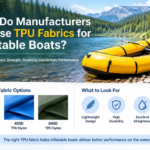
インフレータブルボートの製造業者にとって、210D、420D、840DのTPUコーティングナイロンは異なる構成オプションを表しています。ただし、これらを固定された性能グレードとして扱うべきではありません。同じデニールであっても、二つの生地は異なる引張強度、耐裂け強度、コーティング重量、厚さ、完成重量を持つことがあります。
正しい比較には、完全な技術データシートと、可能な限り生産代表サンプルによる試験結果を含める必要があります。
重量に敏感な構造向けの210D TPUコーティングナイロン
XL TPUコーティング210Dナイロンは、軽量な織物構造が重要なインフレータブル製品における有力な選択肢です。
生地重量の削減は、特に携帯用途向けに設計された製品において、インフレータブルボートの総質量を管理するのに役立ちます。軽量素材は、梱包、輸送、設営時の取り扱いも容易にする可能性があります。
210D TPUナイロンをエアチェンバーやその他の構造部材に使用する前に、メーカーはその引張強度、耐裂け強度、コーティングの接着性、および想定される溶着プロセスとの適合性を確認する必要があります。
素材は、繰り返しの折り畳みと膨張サイクル後に試験されるべきです。軽量構造は、完成品の機械的および密封要件を満たせる場合にのみ有用です。
汎用インフレータブル構造向けの420D TPUコーティングナイロン
XL TPUコーティング420Dナイロンは、素材の重量と織物構造のバランスを変える必要がある場合に別の選択肢を提供します。
インフレータブルボートのチェンバーや補強パネル、あるいはよりしっかりとしたベース生地が必要なその他の部位で評価される可能性があります。その適切性は、生地仕様、コーティング構造、運用中に想定される荷重に依存します。
例えば、レクリエーション用インフレータブルボートを製造するメーカーは、210Dと420Dの構造を比較し、軽量素材が強度要件を満たすか、それともより重いオプションが適切かを判断することがあります。
決定はデニールだけではなく、測定された性能に基づくべきです。生地重量、厚さ、引張強度、耐裂け強度、溶着結果などをすべて考慮する必要があります。
より厳しい用途向けの840D TPUコーティングナイロン
XL TPUコーティング840Dナイロンは、より大きな機械的接触や集中荷重にさらされる部位でメーカーが評価する可能性のある重めの生地オプションです。
ボートの床は、粗い地面や装備との繰り返し接触が予想されるため、考えられる用途の一つです。ボート設計によっては、特定の補強部位にも重めの生地が検討される場合があります。
ボート全体に840Dナイロンを使用する必要は必ずしもありません。素材全体の重量が増加し、製品の折りたたみ特性に影響を及ぼす可能性があります。よりバランスの取れた設計では、異なる部位で異なる生地構造を採用することが考えられます。
最終的な選択は、摩耗試験、引裂き試験、穿刺試験および完成品試験によって裏付けられるべきです。
インフレータブルボートのチューブとフロアには異なるTPU生地を使用すべきか?
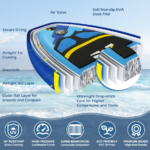
インフレータブルボートの空気室とフロアはそれぞれ異なる機能を果たします。そのため、製品開発時には各部材の材料要件を個別に評価する必要があります。
空気室は内部の空気圧により浮力を維持し形状を保ちます。一方、フロアは使用者や装備を置くための面を提供し、地面や水路との直接的な接触を受ける可能性が高い部位です。
両部位に同一の生地構造を用いることで、生産における材料点数を削減できます。しかし、ボートの構造全体で異なる機械的要件が求められる場合、ゾーニングされた材料設計の方がより良いバランスを実現できることがあります。
インフレータブルボートのチューブ向け生地選定
The tubes form the main inflatable structure. Their fabric must support internal pressure, maintain dimensional stability, and provide reliable airtight performance.
Manufacturers should pay particular attention to tensile strength, coating continuity, seam strength, and the behavior of the material around curved panels and welded joints.
A lighter TPU-coated nylon may be considered when reducing the boat’s total weight is a priority. A heavier construction may be appropriate when the design requires additional mechanical support.
The decision should also account for the geometry of the air chamber. Long seams, curved sections, end panels, and attachment points can create different manufacturing conditions. Material samples should be processed using the same welding equipment and parameters planned for production.
Fabric Selection for the Boat Floor
The floor often experiences a different combination of loads. Users may stand, sit, move equipment, or place fishing gear on it. During launching and landing, the underside may also slide across rough surfaces.
For these reasons, manufacturers may evaluate 420D or 840D TPU-coated nylon for floor constructions, depending on the intended use and product design.
A double-sided TPU-coated construction may also be considered where the design requires coating on both fabric surfaces. Its suitability depends on the required sealing method, joining structure, and surface exposure.
The floor should be assessed for abrasion, puncture, tear resistance, and dimensional stability. If it is joined to the inflatable tubes, the compatibility of the floor material with the tube material must also be verified.
Reinforcement Around High-Stress Areas
Handles, seat attachments, towing points, and other fittings can create concentrated loads. These areas may need additional reinforcement rather than a heavier fabric throughout the boat.
Manufacturers should consider the base material, reinforcement shape, joining method, and load distribution together. A reinforcement panel that is too small may transfer stress to its edges, while an unsuitable joining process may create a weak point.
Prototype testing is useful for identifying these issues before mass production. Pull tests and repeated-load tests can help evaluate whether the reinforcement design distributes force as intended.
How Does TPU Coating Affect Inflatable Boat Manufacturing?
The textile base provides structural support, but the TPU coating is equally important to the performance of airtight TPU fabrics.
The coating contributes to air and water resistance, while its surface characteristics influence how the fabric behaves during welding. Manufacturers should therefore evaluate the coating formulation, thickness, adhesion, and surface condition before approving a material.
Coating Thickness and Uniformity
Coating thickness affects the material’s total weight, flexibility, and barrier performance. A thicker coating may provide additional material coverage, but it can also change the stiffness and processing behavior of the fabric.
Uniformity is important because local variations may affect sealing performance and welding consistency. Manufacturers should request relevant thickness and weight specifications from the supplier and confirm them through incoming material inspection.
Visual inspection can identify obvious coating defects, but it cannot replace measurements or performance testing.
Coating Adhesion to the Textile Base
The TPU layer needs to remain bonded to the woven substrate during handling, folding, and use.
Poor adhesion may lead to peeling or separation, particularly when the fabric experiences repeated bending or mechanical stress. Manufacturers should evaluate coating adhesion using an appropriate test method and defined acceptance criteria.
The test results should be considered alongside flexibility and aging evaluations. A material that performs well in an initial inspection may behave differently after exposure to heat, moisture, or repeated folding.
Polyether TPU for Humid and Wet Environments
Inflatable boats are frequently used around water, so resistance to moisture and hydrolysis may be relevant to material selection.
Polyether-based TPU is often considered for applications involving prolonged exposure to humid or wet conditions because its chemistry generally offers better hydrolysis resistance than polyester-based TPU.
However, the finished fabric’s performance also depends on the specific formulation, coating construction, and processing conditions. Manufacturers should request supporting technical data and conduct aging tests that reflect the intended service environment.
For boats used in freshwater, coastal areas, or humid storage conditions, the expected exposure should be clearly defined before selecting the TPU formulation.
Which Welding Process Should Manufacturers Consider?
The fabric and welding process need to be compatible. A material that performs well in a laboratory test may still create production problems if its coating does not respond consistently to the selected joining method.
TPU-coated fabrics can be processed using suitable heat-sealing or high-frequency welding equipment. The appropriate method depends on the TPU formulation, coating construction, fabric thickness, and product design.
High-Frequency Welding
High-frequency welding uses electromagnetic energy to generate heat within compatible thermoplastic materials. It is commonly considered for joining TPU-coated fabrics in inflatable products.
The process can produce continuous seams when the material, electrode design, pressure, and welding parameters are properly matched.
Manufacturers should test the actual fabric combination rather than assume that all TPU-coated materials will behave identically. Factors such as coating thickness, surface condition, and the number of fabric layers can affect the welding window.
Heat Sealing
Heat sealing uses controlled temperature and pressure to join compatible thermoplastic surfaces. It may be suitable for selected TPU fabric constructions and product designs.
The processing window needs to be established through trials. Insufficient heat or pressure may result in weak bonding, while excessive heat can damage the coating or affect the textile base.
A production trial should examine seam appearance, peel strength, leakage, and consistency across repeated samples.
Testing Welded Seams
Seam performance is a critical part of inflatable boat quality control. Manufacturers should not rely only on visual inspection.
Useful checks may include:
- Peel strength testing to evaluate resistance to separation.
- Seam tensile testing to assess joint strength under load.
- Air leakage testing under a defined pressure and holding period.
- Inspection for incomplete bonding, wrinkles, contamination, or local coating damage.
- Repeated inflation and deflation tests on representative assemblies.
The acceptance criteria should be established according to the product’s design requirements and applicable testing standards.
What Tests Should Be Completed Before Mass Production?
Material approval should include more than checking the supplier’s technical data sheet. Manufacturers need to confirm that the fabric works in their own production process and performs as expected in the finished boat.
A practical validation process can include several stages.
Incoming Fabric Inspection
Each incoming batch should be checked against the approved material specification. Relevant items may include fabric weight, thickness, width, surface condition, coating uniformity, and appearance.
Where required, samples can be retained for comparison with later deliveries. This helps manufacturers identify changes between batches before they affect production.
機械的性能試験
Tensile strength, tear resistance, and abrasion resistance should be evaluated according to the intended application.
Puncture resistance may also be relevant for products expected to operate in rocky or debris-filled environments. The test method should reflect the actual risk as closely as practical.
Airtightness and Seam Validation
Fabric-level air permeability and finished seam leakage are different checks. Both may be needed when evaluating an inflatable boat material system.
Manufacturers should test welded specimens first, then validate representative boat assemblies. Testing should use defined pressure levels, environmental conditions, and inspection periods so that results can be compared between material batches.
Folding and Environmental Aging
Repeated folding can place stress on the coating and textile interface. Manufacturers may therefore conduct folding tests followed by visual inspection, adhesion checks, and airtightness evaluation.
For products exposed to moisture and changing temperatures, environmental aging tests can provide additional information. Hydrolysis resistance, coating condition, and retained mechanical performance should be considered together.
No single test can represent every service condition. A suitable validation plan should be based on the boat’s intended market, operating environment, and expected use frequency.
How Can Manufacturers Work with a TPU Fabric Supplier?
Material selection is more efficient when the fabric supplier understands the finished product rather than receiving only a request for a particular denier.
Manufacturers should share basic project information, including the boat type, component structure, target fabric weight, required thickness, expected working pressure, joining process, and operating environment.
The supplier can then recommend candidate constructions for sample evaluation. For example, XL TPU Coated 210D Nylon, XL TPU Coated 420D Nylon, and XL TPU Coated 840D Nylon provide different material options for manufacturers to compare.
For projects requiring additional flexibility in construction, double-sided TPU-coated nylon may also be evaluated. The final specification should be confirmed through sample processing and finished-product testing.
A reliable material supply process should also address batch consistency, technical documentation, production traceability, and communication when a material specification changes.
Xianglong Polymer Fabric supplies TPU-coated fabric options for inflatable products, including 210D, 420D, and 840D nylon constructions. Manufacturers can compare these options according to their boat structure and processing requirements before confirming a production specification.
Final Considerations for Inflatable Boat Fabric Selection
Selecting fabrics for inflatables involves more than choosing a high-denier nylon or a thicker TPU coating. Manufacturers need to consider the function of each boat component, the expected mechanical loads, airtightness requirements, welding compatibility, and the conditions in which the finished product will be used.
A lighter construction may suit weight-sensitive sections, while a heavier fabric may be worth evaluating for floors or reinforcement areas exposed to greater wear. Polyether TPU can be considered for applications involving prolonged moisture exposure, provided that the specific material construction meets the required tests.
The most practical approach is to compare complete fabric specifications, process production samples, and validate the finished structure before mass production. By matching the material to the actual demands of each component, inflatable boat manufacturers can develop products with a more balanced combination of weight, flexibility, sealing performance, and durability.