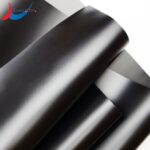










Tissus médicaux en TPU jouent un rôle vital dans les environnements de soins de santé. Ces tissus offrent une biocompatibilité, ce qui évite les réactions nocives et respecte les normes strictes ISO 10993. Les tissus médicaux en TPU conservent leur structure lors du nettoyage et en conditions humides, assurant ainsi la fiabilité des dispositifs. Une haute résistance à la flexion et à l'abrasion rend ces tissus durables pour des utilisations dynamiques. La compatibilité avec les méthodes de stérilisation permet aux tissus médicaux en TPU de rester efficaces après plusieurs traitements successifs. Ces qualités uniques distinguent les tissus médicaux en TPU des autres matériaux, les rendant indispensables pour la sécurité des patients et la performance des dispositifs.
- Les tissus médicaux en TPU sont biocompatibles, garantissant la sécurité des patients en prévenant les réactions nocives avec la peau et les tissus.
- Ces tissus offrent une excellente résistance mécanique et durabilité, ce qui les rend fiables pour une utilisation répétée dans les dispositifs médicaux.
- Les tissus en TPU résistent à l'hydrolyse et aux produits chimiques, préservant leur efficacité même après plusieurs cycles de stérilisation.
- La flexibilité et l'élasticité du TPU lui permettent de s'adapter aux mouvements du corps, améliorant le confort dans les dispositifs médicaux portables.
- La dureté et la facilité de traitement personnalisables rendent le TPU polyvalent pour diverses applications médicales, allant des tubes aux revêtements protecteurs.
- Les tissus en TPU soutiennent le contrôle des infections grâce à leurs propriétés antibactériennes, réduisant ainsi le risque d'infections dans les établissements de santé.
- La durabilité est une préoccupation croissante, avec des options de TPU écologiques disponibles qui ne contiennent pas d'additifs nocifs.
- Malgré leurs avantages, les tissus en TPU peuvent faire face à des défis tels que les coûts et les problèmes de chaîne d'approvisionnement, que les prestataires de soins de santé doivent prendre en compte.
Principales propriétés des tissus médicaux en TPU
Biocompatibilité et sécurité
Les films médicaux en TPU se distinguent par leur biocompatibilité, ce qui signifie qu'ils ne provoquent pas de réactions nocives au contact des tissus humains. Cette propriété est essentielle pour tout matériau utilisé dans les dispositifs médicaux ou les environnements hospitaliers. Le polyuréthane thermoplastique biocompatible favorise la sécurité des patients en réduisant le risque d'allergies, d'inflammation ou de toxicité. Des chercheurs ont développé des films en TPU souples, sans plastifiant, avec des indices de dureté Shore bas, ce qui renforce encore leur adéquation aux applications sensibles. Ces films en TPU présentent également une grande élasticité et des propriétés hydrophobes, les rendant idéaux pour un contact direct avec la peau.
Le tableau suivant résume les résultats d'études scientifiques sur la biocompatibilité des films en TPU dans les usages cliniques :
| Aspect évalué | Résultats |
|---|---|
| Comportement au vieillissement | Évalué sous conditions oxydatives et hydrolytiques pendant trois mois, simulant 45 mois in vivo. |
| Propriétés mécaniques | Restées dans les limites cliniquement acceptables malgré les modifications chimiques. |
| Modifications chimiques | Petites scissions de chaînes et migration d'additifs observées, mais la stabilité globale a été maintenue. |
Ces propriétés garantissent que les films en TPU conservent leur intégrité et leur sécurité même après une utilisation prolongée et un nettoyage répété. Leur processabilité et leurs propriétés d'adhésion optimales en font également un choix privilégié pour les fabricants de dispositifs médicaux.
Résistance mécanique et durabilité
Les films en TPU offrent une résistance mécanique et une durabilité exceptionnelles, essentielles pour les applications médicales nécessitant une utilisation répétée et une exposition au stress. La flexibilité et la durabilité du polyuréthane thermoplastique lui permettent de supporter étirements, pliages et compressions sans perdre sa forme ni son fonctionnement. Cette résilience assure que les dispositifs médicaux restent fiables tout au long de leur durée de vie prévue.
Le tableau ci-dessous compare la résistance à la traction et l'allongement à la rupture des films en TPU avec d'autres polymères couramment utilisés dans le secteur de la santé :
| Type de matériau | Résistance à la traction (MPa) | Allongement à la rupture (%) |
|---|---|---|
| TPU médical | 46.7 | 702 |
| Échantillon 1 | 31.3 | 591 |
| Échantillon 2 | 38.7 | 631 |
| Échantillon 3 | 41,5 – 46,7 | 688 – 702 |
Ces valeurs montrent que les films en TPU surpassent de nombreux autres matériaux tant en termes de résistance que de flexibilité. La large gamme de propriétés mécaniques permet aux films en TPU de s'adapter à divers usages médicaux, allant des tubes flexibles aux revêtements protecteurs. Une excellente biostabilité garantit que ces films conservent leur performance dans le temps, même dans des conditions difficiles.

Résistance hydrolytique et chimique
La résistance hydrolytique est une propriété clé pour les films en TPU utilisés dans le secteur de la santé. Les environnements médicaux exposent souvent les matériaux à l'humidité, aux fluides corporels et à des nettoyages fréquents. Les films en TPU résistent mieux à l'hydrolyse que beaucoup d'autres polymères, ce qui les aide à conserver leur imperméabilité et à éviter le développement d'odeurs. Cette propriété est particulièrement importante pour des produits comme les housses de matelas, les pansements pour plaies et les tubes médicaux.
Le polyuréthane (PU) présente la pire stabilité hydrolytique comparé au polyéthylène (PE) et au silicone. Avec le temps, les revêtements en PU réagissent avec l'humidité, entraînant une hydrolyse qui conduit à une perte d'imperméabilité et au développement d'odeurs désagréables. En revanche, les revêtements en PE affichent une grande stabilité hydrolytique et sont beaucoup moins susceptibles de subir une hydrolyse, même en cas d'exposition prolongée à l'humidité.
Les films en TPU offrent également une bonne résistance chimique, ce qui signifie qu'ils peuvent supporter l'exposition à de nombreux agents de nettoyage et désinfectants utilisés dans les hôpitaux. Le tableau ci-dessous compare la résistance chimique des films en TPU avec celle du silicone et du PVC :
| Matériau | Résistance chimique | Notes |
|---|---|---|
| TPU | Bon | Pas aussi solide que le silicone |
| Silicone | Meilleur | Résistance supérieure à de nombreux produits chimiques |
| PVC | Modéré | Non spécifiquement abordé dans les environnements médicaux |
Bien que les films en TPU ne rivalisent pas avec la résistance chimique du silicone, ils offrent néanmoins une protection fiable dans la plupart des contextes de soins de santé. Leur résistance aux produits chimiques garantit que les dispositifs et surfaces fabriqués à partir de films en TPU restent sûrs et efficaces après des nettoyages et stérilisations répétés.
Élasticité et flexibilité
L'élasticité et la flexibilité définissent la performance des films en TPU dans les environnements médicaux. Ces propriétés permettent aux films en TPU de s'étirer et de retrouver leur forme initiale sans dommage. Les professionnels de santé comptent sur des matériaux flexibles pour les dispositifs qui doivent s'adapter au corps ou bouger avec les patients. Les dispositifs médicaux portables bénéficient des films en TPU car ils apportent confort et maintiennent un contact étroit avec la peau. Ce contact améliore la précision de la collecte des données physiologiques.
- Les capteurs de déformation flexibles fabriqués à partir de films en TPU atteignent une haute sensibilité et une réactivité essentielles pour la surveillance médicale.
- La capacité d'étirement des films en TPU permet aux capteurs de s'intégrer parfaitement, améliorant le confort du patient et la fiabilité du dispositif.
- La durabilité garantit que les dispositifs portables durent plus longtemps, réduisant ainsi la nécessité de remplacements fréquents.
L'élasticité soutient également le développement de tubes médicaux, de pansements pour plaies et de housses de protection. Ces produits doivent résister à des pliages et à des étirements répétés pendant leur utilisation. La flexibilité des films TPU les rend adaptés aux applications dynamiques, telles que la prévention des ulcères de pression et les aides à la mobilité des patients.
Dureté et processabilité personnalisables
Les fabricants apprécient les films TPU pour leur dureté et leur processabilité personnalisables. Ces matériaux peuvent être adaptés pour répondre à des exigences spécifiques en termes de souplesse ou de rigidité. L'équipement médical requiert souvent des propriétés mécaniques précises afin d'assurer sécurité et confort. Les tissus composites TPU personnalisables s'associent à des matériaux comme le mesh et le nylon, améliorant ainsi leurs performances pour les dispositifs spécialisés.
- Les caractéristiques imperméables, étanches à l'air et résistantes à l'abrasion rendent les films TPU idéaux pour l'équipement médical.
- Une élasticité et une durabilité supérieures à celles du PVC permettent des applications haute performance.
- Les performances mécaniques garantissent que les dispositifs résistent à une utilisation intensive tout en préservant le confort du patient.
La processabilité permet aux films TPU de s'adapter à diverses techniques de fabrication. Les concepteurs de dispositifs médicaux peuvent moulager, extruder ou stratifier les films TPU pour créer des produits aux formes et fonctions uniques. Cette polyvalence favorise l'innovation dans les technologies de santé.
Résistance aux UV et aux intempéries
La résistance aux UV et aux intempéries joue un rôle crucial dans la longévité des films TPU utilisés dans les milieux de soins de santé extérieurs. Les hôpitaux de campagne et les tentes d'urgence nécessitent des matériaux capables de supporter des conditions environnementales difficiles. Une exposition constante aux UV peut dégrader les tissus, compromettant leur intégrité structurelle. La durabilité des films TPU assure que les tentes et couvertures médicales restent fiables lors d'une utilisation prolongée.
Le tableau suivant résume les résultats en laboratoire concernant la résistance aux UV et aux intempéries des films médicaux TPU :
| Type d'essai | Norme | Méthode |
|---|---|---|
| Résistance aux UV | ISO 4892-2 | Chambre d'essai de vieillissement à lampe au xénon |
| Résistance aux intempéries et à l'ozone | ISO 4892-2 | Plaques d'essai moulées par injection (2 mm d'épaisseur) ; le TPU présente une très bonne résistance à l'ozone |
Le tissu de tente TPU 1001 PFR résiste à une forte exposition aux UV, ce qui est essentiel dans les situations d'urgence. Les professionnels de santé comptent sur les films TPU pour protéger les patients et l'équipement contre les risques environnementaux. La résistance aux UV contribue à la longévité des produits médicaux, réduisant ainsi les coûts d'entretien et de remplacement.
Principaux avantages du TPU dans le secteur de la santé
Amélioration de la sécurité des patients
Les tissus médicaux TPU offrent plusieurs avantages qui améliorent directement la sécurité des patients. Les hôpitaux et cliniques dépendent de produits médicaux essentiels qui réduisent les risques d'infection et favorisent la guérison. Les tissus TPU possèdent des propriétés antibactériennes, ce qui aide à diminuer le risque d'infections dans les environnements médicaux. Des chercheurs ont développé des films TPU avec des nanoparticules d'argent qui présentent une forte activité antibactérienne contre les bactéries courantes. D'autres études mettent en lumière des composites TPU avec du chitosan, qui améliorent la performance antibactérienne par rapport au TPU standard. Ces innovations font du TPU un matériau privilégié pour les surfaces de dispositifs médicaux, les pansements pour plaies et les emballages médicaux.
Les professionnels de santé valorisent le TPU pour sa biocompatibilité. Cette propriété garantit que le TPU ne provoque ni réaction allergique ni toxicité lorsqu'il est en contact avec la peau ou les tissus. Les patients bénéficient de produits de santé plus sûrs, particulièrement ceux utilisés dans des applications médicales sensibles. Parmi les principaux avantages du TPU figurent sa capacité à maintenir un environnement stérile et à favoriser la récupération des patients.
- L'activité antibactérienne réduit les risques d'infection.
- La biocompatibilité favorise un contact sûr avec la peau et les tissus.
- Sécurité renforcée pour les produits médicaux essentiels et les surfaces de dispositifs médicaux.
Performance et longévité des dispositifs
Les tissus TPU contribuent à la durabilité et à la fiabilité des dispositifs médicaux. Les hôpitaux exigent un équipement médical capable de résister à une utilisation et à un nettoyage répétés. Le TPU offre une résistance mécanique et une flexibilité qui aident les dispositifs à conserver leur forme et leur fonction au fil du temps. Les applications médicales demandent des matériaux résistants à l'usure, aux étirements et aux pliages. Le TPU répond à ces exigences, ce qui le rend idéal pour les tubes, les housses de protection et autres produits médicaux essentiels.
Des études comparant le TPU au PVC et au silicone montrent que le TPU présente généralement un impact environnemental moindre. Les élastomères à base de TPU et de polyoléfine sont plus durables, mais ils peuvent coûter plus cher et offrir un ratio bénéfice-coût inférieur. Le PVC, bien qu'il soit moins respectueux de l'environnement, offre des avantages économiques et une durabilité supérieurs. Cependant, le TPU se distingue par ses performances dans les applications médicales qui nécessitent résilience et biocompatibilité. Les fabricants de dispositifs médicaux choisissent le TPU pour les produits qui doivent durer plus longtemps et fonctionner de manière fiable.
Le TPU favorise la longévité des conceptions de dispositifs médicaux. Sa résistance à l'hydrolyse et aux produits chimiques garantit que les dispositifs restent efficaces après des nettoyages et stérilisations répétés. Les hôpitaux bénéficient ainsi d'une réduction des coûts d'entretien et de remplacement, ce qui améliore les soins aux patients et l'efficacité opérationnelle.
Polyvalence dans les applications de santé
Les tissus TPU offrent une polyvalence inégalée dans les produits de santé. Les concepteurs et ingénieurs utilisent le TPU pour créer une large gamme de produits médicaux essentiels, des tubes flexibles aux emballages médicaux avancés. L'adaptabilité du TPU favorise l'innovation dans les nouvelles conceptions de dispositifs médicaux. Les applications médicales nécessitent souvent des matériaux capables de s'étirer, de se plier et de retrouver leur forme initiale. Le TPU offre flexibilité et durabilité, essentielles pour les dispositifs soumis à des mouvements répétés.
Les concepteurs de dispositifs médicaux apprécient le TPU pour sa capacité à s'adapter à la personnalisation. Ils l'ajustent pour optimiser ses performances, permettant ainsi des conceptions innovantes dans les dispositifs médicaux. Le TPU constitue une alternative thermoplastique au silicone, autorisant des conceptions à parois plus fines et favorisant la miniaturisation et la flexibilité.
Les professionnels de santé comptent sur le TPU pour les produits qui interagissent directement avec le corps. Certaines qualités de TPU sont biocompatibles, ce qui les rend sûres pour les implants et les dispositifs nécessitant un contact direct avec l'homme. Les hôpitaux utilisent le TPU dans des produits médicaux essentiels tels que les pansements, les housses de protection et les emballages médicaux. Les avantages du TPU incluent sa capacité à soutenir de nouvelles applications médicales et à améliorer le confort des patients.
- La flexibilité et la durabilité soutiennent les conceptions dynamiques de dispositifs médicaux.
- Des propriétés personnalisables permettent l'innovation dans les produits médicaux essentiels.
- La biocompatibilité assure la sécurité dans les applications médicales sensibles.
Prévention des ulcères de pression et confort
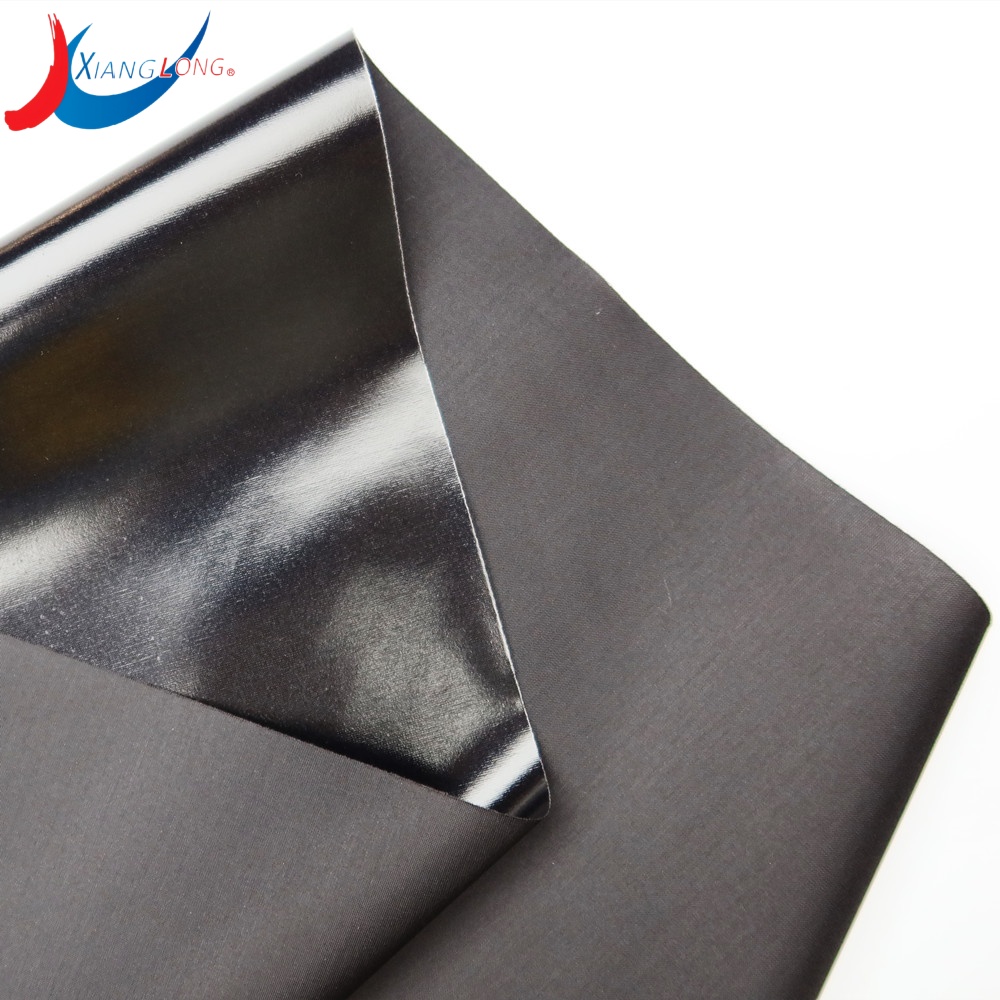
Les tissus médicaux TPU jouent un rôle crucial dans la prévention des ulcères de pression et l'amélioration du confort des patients, particulièrement dans les établissements de soins de longue durée. Les ulcères de pression, aussi appelés escarres, se développent lorsque les patients restent dans une même position pendant de longues périodes. Les hôpitaux et établissements de soins utilisent des matériaux avancés pour réduire ce risque et améliorer la qualité de vie des patients.
Les tissus TPU offrent plusieurs caractéristiques qui soutiennent à la fois la prévention des ulcères de pression et le confort :
- Le tissu composite TPU Leica a une épaisseur de 0,08 à 0,12 mm, ce qui lui confère une flexibilité tout en préservant ses qualités protectrices.
- Une couche de fibre Lycra, représentant 30%-40% du tissu, apporte un soutien élastique modéré. Cette élasticité aide à répartir uniformément la pression sur la peau.
- Le tissu intérieur, d'une épaisseur de 0,15 à 0,2 mm, améliore la douceur et le confort des surfaces en contact avec le corps.
- Une rugosité de surface de seulement 0,2 μm réduit le frottement et minimise les irritations cutanées, ce qui est essentiel pour les patients ayant la peau sensible.
- Le tissu peut évaporer jusqu'à 250 g d'humidité par mètre carré et par heure. Cette gestion de l'humidité garde la peau sèche et diminue le risque de détérioration cutanée.
- Un coefficient de résistance thermique de 0,028 m²·K/W et une conductivité thermique de 0,04 W/m·K aident à réguler la température, rendant le tissu adapté à une utilisation prolongée.
Ces propriétés font des tissus TPU un excellent choix pour les matelas anti-escarres et la literie d'hôpital. Les patients ressentent moins d'inconfort et présentent moins de complications, ce qui conduit à de meilleurs résultats en matière de récupération et de soins à long terme.
Nettoyage et stérilisation faciles
Les hôpitaux et les cliniques ont besoin de matériaux qui répondent à des normes d'hygiène strictes. Les tissus médicaux en TPU répondent à ces besoins en offrant des surfaces faciles à nettoyer et à stériliser. Les professionnels de santé peuvent désinfecter rapidement les produits à base de TPU, ce qui contribue à maintenir un environnement sûr tant pour les patients que pour le personnel.
Les tissus TPU sont privilégiés dans les applications médicales, telles que les blouses chirurgicales et les combinaisons de protection, grâce à leurs propriétés antibactériennes. Des études montrent que même après 20 cycles de désinfection à haute température, ces tissus conservent plus de 99,91 % de leur efficacité antibactérienne. Cette durabilité garantit que les tissus TPU restent fiables et sûrs, même après plusieurs procédures de nettoyage et de stérilisation répétées.
La capacité de résister à des méthodes de nettoyage agressives sans perdre leurs qualités protectrices fait des tissus TPU un matériau privilégié pour les produits médicaux réutilisables. Les hôpitaux bénéficient ainsi d'une réduction des coûts de remplacement et d'un meilleur contrôle des infections, tandis que les patients reçoivent des soins dans un environnement plus propre et plus sûr.
TPU de qualité médicale contre d'autres matériaux
TPU contre PVC
Les hôpitaux et les cliniques comparent souvent le TPU de qualité médicale avec le PVC lorsqu'ils choisissent des matériaux pour les boîtiers de dispositifs médicaux et leurs composants. Ces deux matériaux apparaissent dans une large gamme de produits de santé, mais ils présentent des différences importantes en termes de sécurité, de performance et d'impact environnemental.
Le tableau suivant met en évidence les attributs clés :
| Propriété / Attribut | PVC (chlorure de polyvinyle) | TPU de qualité médicale |
|---|---|---|
| Biocompatibilité | Préoccupations liées à la potentielle migration de plastifiants | Non toxique, biocompatible, sûr en cas de contact répété |
| Flexibilité et confort | Nécessite des plastifiants supplémentaires pour la flexibilité | Souple et confortable, remplace souvent le PVC |
| Durabilité | Modéré | Excellent, conserve ses performances après plusieurs utilisations |
| Résistance chimique | Modéré | Excellent, résiste aux fluides corporels et aux microbes |
| Stérilisabilité | Limitée | Compatible avec les méthodes standard de stérilisation |
| Coût | Faible | Modéré |
Le TPU de qualité médicale ne nécessite pas de plastifiants, ce qui évite les risques pour la santé associés au PVC. Les plastifiants du PVC, tels que le DEHP, peuvent migrer et présenter des risques pour les patients, surtout en cas d'utilisation prolongée ou à l'intérieur du corps. Le TPU de qualité médicale répond à des normes strictes comme ISO 10993 et USP Classe VI, ce qui en fait un choix plus sûr pour les applications sensibles.
Du point de vue environnemental, le TPU de qualité médicale présente des avantages. Il est recyclable et ne contient pas d'additifs nocifs à base de chlore. En revanche, le PVC pose des problèmes de recyclage en raison de sa teneur en chlore et de la nécessité d'utiliser des plastifiants.
Les hôpitaux choisissent le TPU de qualité médicale pour les applications où la sécurité des patients et la fiabilité à long terme sont primordiales.
TPU contre silicone
Le TPU de qualité médicale et le silicone jouent tous deux un rôle important dans les soins de santé, mais ils apportent des atouts différents à la conception des dispositifs médicaux. Le tableau ci-dessous compare leurs principaux avantages et inconvénients :
| Matériau | Avantages | Inconvénients |
|---|---|---|
| Silicone | Résistance aux hautes températures, stabilité chimique, hygiène | Peut ne pas être aussi rentable que le TPU |
| TPU | Résistance à l'usure, robustesse structurelle, rentabilité | Peut ne pas bien fonctionner à haute température ou en présence de produits chimiques |
Le silicone excelle dans les environnements à haute température et offre une excellente stabilité chimique. De nombreux hôpitaux utilisent le silicone pour les dispositifs nécessitant une implantation à long terme ou une exposition à des produits chimiques agressifs. Le TPU de qualité médicale se distingue par sa résistance à l'usure et son rapport coût-performance. Il permet des conceptions à parois plus fines, ce qui facilite la miniaturisation des dispositifs. Cependant, le TPU peut ne pas égaler le silicone en termes de performance à des températures extrêmes.
Utilisations complémentaires
Le TPU de qualité médicale et le silicone travaillent souvent ensemble dans les dispositifs médicaux hybrides. Chaque matériau apporte des propriétés uniques qui améliorent le produit final. Le tableau ci-dessous montre comment ils se complètent :
| Matériau | Propriétés | Applications |
|---|---|---|
| TPU | Améliorée biostabilité, résistance à la dégradation oxydative et hydrolytique, maintient la douceur à basse dureté | Neuromodulation et fils cardiaques, implants structurels pour le cœur, cathéters percutanés, textiles implantables |
| Silicone | Doux, souple, inerte, excellente résistance à la fatigue à long terme | Tubes de gastrostomie, shunts, implants urologiques |
Le TPU de qualité médicale apporte solidité et durabilité aux composants structurels. Le silicone ajoute flexibilité et conformité, essentielles pour le confort et l'utilisation à long terme. Les concepteurs de dispositifs combinent souvent ces matériaux pour créer des produits qui équilibrent solidité, confort et sécurité.
- Le TPU de qualité médicale favorise la miniaturisation et assure une performance robuste.
- Le silicone garantit la flexibilité dans les applications nécessitant un contact doux avec les tissus.
En utilisant ces deux matériaux, les fabricants peuvent optimiser chaque composant pour son rôle spécifique dans le dispositif.
Applications sanitaires des tissus TPU
Dispositifs médicaux et tubulures
Les tissus en polyuréthane thermoplastique soutiennent un large éventail d'applications sanitaires. Les ingénieurs utilisent le TPU dans les dispositifs médicaux et les tubulures car il offre flexibilité, durabilité et biocompatibilité. Les cathéters, les kits d'infusion et les tubes respiratoires comptent sur le TPU pour maintenir leur intégrité structurelle lors d'une utilisation répétée. Le TPU résiste aux plis et à l'abrasion, ce qui aide les dispositifs à fonctionner de manière fiable. Les hôpitaux sélectionnent les tubulures en TPU pour leur capacité à supporter la stérilisation et l'exposition aux fluides corporels. La résistance hydrolytique du matériau garantit que les tubulures restent sûres et efficaces dans les environnements humides. Les professionnels de santé font confiance au TPU pour les applications exigeant à la fois confort pour le patient et longévité du dispositif.
Les tubulures en TPU s'adaptent à des formes complexes et favorisent la miniaturisation dans les applications sanitaires modernes. Cette polyvalence permet aux concepteurs de créer des dispositifs adaptés aux besoins individuels des patients.
Literie et housses de matelas hospitalières
Les tissus TPU jouent un rôle essentiel dans la literie et les housses de matelas hospitalières. Ces produits doivent protéger les patients contre l'humidité, les bactéries et les allergènes. Le TPU fournit une barrière imperméable qui empêche la pénétration des fluides et réduit les risques d'infection. Les housses de matelas en TPU aident à prévenir les ulcères de pression en répartissant uniformément le poids et en gérant l'humidité. L'élasticité du matériau garantit que la literie reste confortable et bien ajustée. Les hôpitaux profitent des propriétés faciles de nettoyage et de stérilisation du TPU, qui soutiennent des normes d'hygiène strictes.
Le tableau suivant met en évidence les caractéristiques clés des housses de matelas en TPU :
| Caractéristique | Avantage |
|---|---|
| Waterproof | Protège contre les déversements |
| Perméable à l'air | Maintient le confort du patient |
| Antibactérien | Réduit le risque d'infection |
| Durable | Résiste à un nettoyage répété |
Les applications dans le domaine de la santé exigent des textiles d'habillement qui favorisent la récupération et la sécurité des patients. Les tissus TPU répondent à ces exigences en combinant protection, confort et durabilité.
Vêtements de protection et barrières
Les professionnels de la santé dépendent de vêtements de protection et de barrières fabriqués à partir de tissus TPU. Ces vêtements protègent le personnel contre les agents pathogènes, les produits chimiques et les fluides. Le TPU offre une couche légère mais robuste, résistante aux déchirures et aux perforations. Les hôpitaux utilisent le TPU pour les blouses, tabliers et écrans faciaux afin d'assurer la sécurité pendant les interventions. La flexibilité du matériau permet des mouvements confortables, tandis que sa résistance aux désinfectants supporte une utilisation répétée.
Les barrières de protection en TPU contribuent à maintenir des environnements stériles dans les salles d'opération et les unités d'isolement. L'adaptabilité des tissus TPU permet leur utilisation aussi bien en intérieur qu'en extérieur dans les applications médicales.
Les applications dans le domaine de la santé nécessitent des matériaux qui équilibrent protection et confort. Les tissus TPU offrent ces qualités, ce qui les rend essentiels dans les milieux médicaux modernes.
Soins des plaies et draps chirurgicaux
Les professionnels médicaux comptent sur les tissus TPU pour les soins des plaies et les draps chirurgicaux. Ces matériaux offrent des avantages uniques qui favorisent la guérison des patients et préservent l'asepsie des environnements. Les tissus TPU créent des barrières qui protègent les plaies contre les bactéries, l'humidité et les contaminants. Les hôpitaux utilisent des pansements à base de TPU pour couvrir les incisions chirurgicales et les plaies chroniques. La biocompatibilité du matériau assure un contact sûr avec la peau et les tissus.
Les pansements TPU pour plaies offrent flexibilité et confort. Les patients ressentent moins d'irritation car le tissu s'adapte aux mouvements du corps. L'élasticité du TPU permet aux pansements de rester en place sans limiter la mobilité. De nombreux produits pour les soins des plaies comportent des couches TPU respirantes qui gèrent l'humidité et favorisent la cicatrisation. Le contrôle de l'humidité prévient la macération et réduit les risques d'infection.
Les draps chirurgicaux en tissus TPU aident à maintenir des champs stériles pendant les opérations. Les chirurgiens dépendent de ces draps pour bloquer les fluides et les agents pathogènes. Le TPU crée une barrière imperméable qui résiste au sang et aux autres fluides corporels. La durabilité du matériau garantit que les draps restent intacts tout au long des interventions. Les hôpitaux choisissent les draps TPU pour leur capacité à supporter une stérilisation répétée.
Remarque : les draps chirurgicaux en TPU soutiennent le contrôle des infections en fournissant un bouclier fiable contre les contaminants. Les équipes médicales font confiance à ces draps pour les interventions mineures comme majeures.
Le tableau suivant compare les pansements TPU pour plaies et les pansements traditionnels en gaze :
| Caractéristique | Pansements TPU pour plaies | Pansements traditionnels en gaze |
|---|---|---|
| Waterproof | Oui | Non |
| Perméable à l'air | Oui | Limitée |
| Confort | Élevé | Modéré |
| Contrôle des infections | Amélioré | Basique |
| Stérilisation | Résiste à des lavages répétés | Limitée |
Les tissus TPU s'adaptent à divers besoins en soins des plaies. Les hôpitaux les utilisent pour les brûlures, les ulcères et les plaies post-chirurgicales. La transparence du matériau permet au personnel médical de surveiller la cicatrisation sans retirer le pansement. Cette caractéristique réduit les perturbations inutiles et favorise une récupération plus rapide.
Les équipes chirurgicales bénéficient des draps TPU dans les milieux médicaux intérieurs comme extérieurs. Les hôpitaux de campagne et les tentes d'urgence nécessitent des matériaux résistant aux intempéries et aux rayons UV. Les tissus TPU conservent leurs propriétés protectrices dans des environnements difficiles. Les professionnels de la santé apprécient l'adaptabilité du TPU tant pour les soins courants que d'urgence.
- Les pansements TPU pour plaies favorisent la cicatrisation et le confort.
- Les draps chirurgicaux garantissent des procédures stériles et le contrôle des infections.
- Le matériau s'adapte à divers environnements de soins, soutenant ainsi la sécurité des patients.
Normes réglementaires et de sécurité
FDA et conformité internationale
Les tissus TPU de qualité médicale doivent respecter des normes réglementaires strictes avant d'être commercialisés dans le secteur de la santé. Les agences réglementaires telles que la FDA et les organismes internationaux fixent des exigences pour garantir la sécurité, la qualité et la performance. Les fabricants suivent ces normes afin de s'assurer que les tissus TPU protègent les patients et les professionnels de santé.
Le tableau suivant résume les principales normes pour les tissus TPU médicaux :
| Norme | Objectif |
|---|---|
| Approbation FDA | Assure la sécurité pour les dispositifs médicaux et les applications en contact avec les aliments. |
| Certification USP Classe VI | Confirme la biocompatibilité pour les applications médicales. |
| Série ISO 10993 | Aborde les exigences en matière de tests de biocompatibilité. |
| ISO 13485 | Se concentre sur les systèmes de gestion de la qualité pour les dispositifs médicaux. |
| ISO 14971 | Fournit des lignes directrices pour la gestion des risques dans les dispositifs médicaux. |
| ISO 13688 | Veille à ce que les vêtements de protection soient sûrs au contact de la peau. |
L'approbation FDA confirme que les tissus TPU respectent les normes de sécurité pour les dispositifs médicaux et les contacts alimentaires. La certification USP Classe VI vérifie que le matériau est adapté aux applications médicales sensibles. Les normes ISO 13485 et ISO 14971 guident les fabricants dans la gestion de la qualité et l'évaluation des risques. La norme ISO 13688 garantit que les vêtements de protection en TPU sont sûrs au contact de la peau. Ces normes aident les hôpitaux et les cliniques à faire confiance aux matériaux utilisés dans les soins aux patients.
La conformité réglementaire protège les patients et encourage l'innovation dans la conception des dispositifs médicaux. Les fabricants qui respectent ces normes améliorent la fiabilité et la sécurité de leurs produits.
Tests de biocompatibilité
Les tests de biocompatibilité jouent un rôle crucial dans le processus d'approbation des tissus TPU médicaux. Ces tests évaluent comment le matériau interagit avec les tissus et les fluides humains. Les agences réglementaires exigent que les fabricants effectuent une série d'essais de biocompatibilité avant l'approbation commerciale.
Le tableau ci-dessous liste les tests standard de biocompatibilité pour les tissus TPU médicaux :
| Type d'essai | Référence standard |
|---|---|
| Cytotoxicité | Série ISO 10993 |
| Sensibilisation | Série ISO 10993 |
| Irritation | Série ISO 10993 |
| Toxicité systémique | Série ISO 10993 |
| Génotoxicité | Série ISO 10993 |
| Implantation | Série ISO 10993 |
| Hémocompatibilité | Série ISO 10993 |
Les tissus médicaux en TPU subissent des tests de cytotoxicité, de sensibilisation et d'irritation. Ces tests vérifient si le matériau provoque des dommages cellulaires, des réactions allergiques ou une irritation cutanée. Les tests de toxicité systémique et de génotoxicité évaluent le risque d'effets nocifs sur l'ensemble du corps. Les tests d'implantation et d'hémocompatibilité examinent comment le TPU se comporte lorsqu'il est placé à l'intérieur du corps ou en contact avec le sang.
Les agences réglementaires exigent des tests de biocompatibilité pour différents types de contact :
- Contact cutané
- Jusqu'à 24 heures de contact avec le sang circulant, les tissus, les os et la dentine
- Jusqu'à 30 jours de contact avec la muqueuse, les surfaces altérées et les voies sanguines
Ces tests garantissent que les tissus en TPU restent sûrs lors d'une utilisation à court et à long terme. Les hôpitaux s'appuient sur des matériaux qui passent ces tests pour protéger les patients contre les réactions indésirables.
Les tests de biocompatibilité soutiennent la sécurité des patients et aident les fabricants à respecter les normes réglementaires mondiales. Les tissus médicaux en TPU qui passent ces tests apportent une confiance dans les environnements de soins de santé.
Innovations et tendances dans le domaine du TPU médical
Tissus antimicrobiens et intelligents
Les chercheurs continuent de développer des tissus médicaux en TPU dotés de propriétés antimicrobiennes avancées. Les hôpitaux font face à des défis liés aux bactéries et aux virus. Les tissus médicaux en TPU contenant des agents antimicrobiens intégrés contribuent à réduire les risques d'infection. Les scientifiques utilisent des nanoparticules d'argent, des ions cuivre et du chitosan pour renforcer l'activité antibactérienne du TPU. Ces additifs perturbent les parois cellulaires bactériennes et empêchent leur croissance.
Les équipes médicales bénéficient de tissus en TPU résistant à la contamination microbienne. Ces tissus conservent leur efficacité après plusieurs nettoyages et stérilisations. Le tableau suivant présente les agents antimicrobiens couramment utilisés dans les tissus en TPU :
| Agent antimicrobien | Mécanisme d'action | Application typique |
|---|---|---|
| Nanoparticules d'argent | Perturber les membranes cellulaires | Pansements pour plaies, literie |
| Ions cuivre | Oxyder les protéines | Vêtements de protection |
| Chitosan | Se fixer aux parois cellulaires | Draps chirurgicaux, emballages |
Les tissus intelligents en TPU représentent une autre innovation. Les ingénieurs conçoivent ces tissus pour qu'ils réagissent aux changements environnementaux. Certains tissus en TPU surveillent la température, l'humidité ou la pression. Les hôpitaux utilisent ces tissus intelligents dans les dispositifs portables et les systèmes de surveillance des patients. Ces tissus collectent des données en temps réel et favorisent des soins personnalisés.
Remarque : les tissus intelligents en TPU améliorent les résultats des patients en fournissant des informations précises aux professionnels de santé.
Les tissus médicaux en TPU intégrant des capteurs aident à suivre l'évolution de la guérison. Les patients ressentent davantage de confort et de sécurité. Les hôpitaux s'appuient sur ces innovations pour renforcer le contrôle des infections et la surveillance des patients.
Durabilité et options écologiques
La durabilité est devenue une priorité dans le choix des matériaux de santé. Les fabricants produisent des tissus médicaux en TPU selon des procédés écologiques. Ils réduisent les déchets et la consommation d'énergie pendant la production. Certaines entreprises utilisent du TPU recyclé ou des polymères biosourcés pour créer des tissus médicaux.
Les tissus médicaux en TPU offrent une recyclabilité. Les hôpitaux peuvent éliminer les tissus usagés de manière responsable. Le TPU ne contient pas d'additifs nocifs à base de chlore, contrairement au PVC. Cette propriété réduit l'impact environnemental.
La liste suivante met en avant les pratiques durables dans la production de tissus médicaux en TPU :
- Utilisation de matières premières renouvelables
- Mise en place de systèmes de recyclage en boucle fermée
- Réduction des émissions de composés organiques volatils
🌱 Les tissus en TPU écologiques soutiennent les initiatives de santé verte. Les hôpitaux choisissent ces matériaux pour respecter les réglementations environnementales et réduire leur empreinte carbone.
Conseil : les équipes médicales peuvent sélectionner des tissus en TPU certifiés OEKO-TEX ou GreenGuard pour garantir leur durabilité.
Les tissus durables en TPU maintiennent des standards élevés de performance et de sécurité. Ils offrent une durabilité et une biocompatibilité tout en soutenant les objectifs environnementaux. Les hôpitaux et les cliniques profitent d'innovations qui concilient soins aux patients et responsabilité écologique.
Défis et considérations
Coût et chaîne d'approvisionnement
L'un des principaux défis liés à l'adoption des tissus médicaux en TPU concerne leur coût. La production de TPU de haute qualité nécessite des procédés de fabrication avancés et des matières premières spécialisées. Ces facteurs augmentent le prix global par rapport à des matériaux traditionnels comme le PVC ou le caoutchouc. Les hôpitaux et les fabricants sont souvent confrontés à des contraintes budgétaires, ce qui rend difficile le passage au TPU pour toutes les applications.
Les problèmes de chaîne d'approvisionnement constituent également un obstacle majeur. La production de TPU dépend d'un approvisionnement stable en matières premières, qui peut être affecté par les fluctuations du marché mondial, les tensions géopolitiques ou les perturbations dans l'approvisionnement en matières premières. En période de forte demande, comme lors d'une pandémie ou d'une catastrophe naturelle, des pénuries peuvent survenir. Ces pénuries entraînent des retards dans la fabrication et la livraison, impactant ainsi la capacité des prestataires de soins à obtenir rapidement les fournitures nécessaires.
De plus, la complexité de la fabrication du TPU signifie que moins de fournisseurs produisent ces matériaux. Cette base limitée de fournisseurs peut entraîner des prix plus élevés et une moindre flexibilité dans les approvisionnements. Les hôpitaux et les fabricants de dispositifs doivent planifier bien à l'avance pour sécuriser leurs approvisionnements, ce qui peut augmenter les coûts et compliquer la gestion des stocks.
Limites d'application
Malgré ses nombreux avantages, le TPU présente certaines limites que les prestataires de soins doivent prendre en compte. Par exemple, même s'il offre une excellente résistance chimique, il peut ne pas supporter tous les désinfectants agressifs ou méthodes de stérilisation. Certains produits chimiques puissants peuvent dégrader le matériau au fil du temps, réduisant sa durabilité et sa sécurité.
La sensibilité aux températures constitue également un défi. Bien que le TPU fonctionne bien à température ambiante et basse, une exposition à une chaleur extrême peut entraîner une déformation ou une perte de propriétés mécaniques. Cela limite son utilisation dans les environnements où une stérilisation à haute température est nécessaire ou lorsque les dispositifs sont exposés à des sources de chaleur.
Une autre limite concerne les propriétés physiques du TPU dans certaines applications. Par exemple, dans certains cas, la flexibilité du TPU pourrait être un inconvénient. Les dispositifs nécessitant des structures rigides ou une stabilité dimensionnelle précise pourraient ne pas bénéficier de la nature élastique du TPU. Dans de tels scénarios, des matériaux alternatifs comme les plastiques rigides ou les métaux pourraient être plus adaptés.
En outre, l'impact environnemental du TPU reste préoccupant. Bien qu'il soit recyclable, le processus peut être coûteux et complexe. Toutes les installations de santé ne disposent pas d'infrastructures permettant de recycler efficacement les déchets de TPU. Une mauvaise gestion de ces déchets peut entraîner une pollution environnementale, ce qui va à l'encontre de l'accent croissant mis sur la durabilité dans le secteur de la santé.
Medical TPU fabrics offer unique advantages in healthcare. They provide biocompatibility, mechanical strength, and resistance to chemicals and moisture. Hospitals rely on these fabrics for patient safety and device reliability. TPU supports innovation in medical devices and protective products.
Experts predict that future trends will focus on smart, antimicrobial, and sustainable TPU fabrics. Healthcare leaders should consider TPU for critical applications to improve outcomes and support modern medical needs.
FAQ
What is medical TPU fabric?
Medical TPU fabric consists of thermoplastic polyurethane. Manufacturers use it in healthcare because it offers biocompatibility, durability, and resistance to moisture. Hospitals rely on TPU for patient safety and device reliability.
How does TPU differ from PVC in medical applications?
TPU does not require plasticizers. PVC often contains additives that may leach out. TPU provides better biocompatibility and flexibility. Hospitals choose TPU for sensitive applications.
Can medical TPU fabrics withstand repeated sterilization?
Medical TPU fabrics tolerate common sterilization methods. They retain antibacterial properties and structural integrity after multiple cleaning cycles. Hospitals benefit from reduced replacement costs.
Are TPU fabrics safe for direct skin contact?
Researchers confirm that medical TPU fabrics meet biocompatibility standards. TPU does not cause allergic reactions or toxicity. Hospitals use TPU for wound dressings and bedding.
What types of medical devices use TPU fabrics?
Engineers use TPU in catheters, tubing, mattress covers, and protective clothing. TPU adapts to various shapes and supports miniaturization. Hospitals trust TPU for both disposable and reusable devices.
How do TPU fabrics help prevent pressure ulcers?
TPU fabrics manage moisture and distribute pressure evenly. Hospitals use TPU in mattress covers and bedding to reduce skin irritation and support patient comfort.
Are medical TPU fabrics environmentally friendly?
Manufacturers produce TPU fabrics using recyclable materials. TPU does not contain harmful chlorine-based additives. Hospitals choose eco-friendly TPU to support sustainability initiatives.