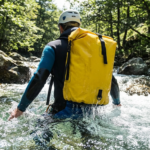










He hablado con muchas personas que diseñan equipos de campo. La mayoría de ellas comenzaron con tanques rígidos de agua. La mayoría de ellas terminó renunciando.
Los tanques rígidos son una molestia en el campo. Ocupan espacio tanto si están llenos como vacíos. No caben bien en vehículos cargados. Si los dejas caer sobre una roca, terminarás con un tanque agrietado y sin agua.
Por eso la gente pasa a sistemas plegables. Pero aquí está lo que aprenden rápidamente: el tejido tiene que hacer más que solo contener agua. Tiene que resistir ser arrastrado, doblado, metido en espacios apretados y expuesto a las inclemencias del tiempo.
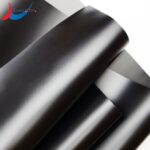
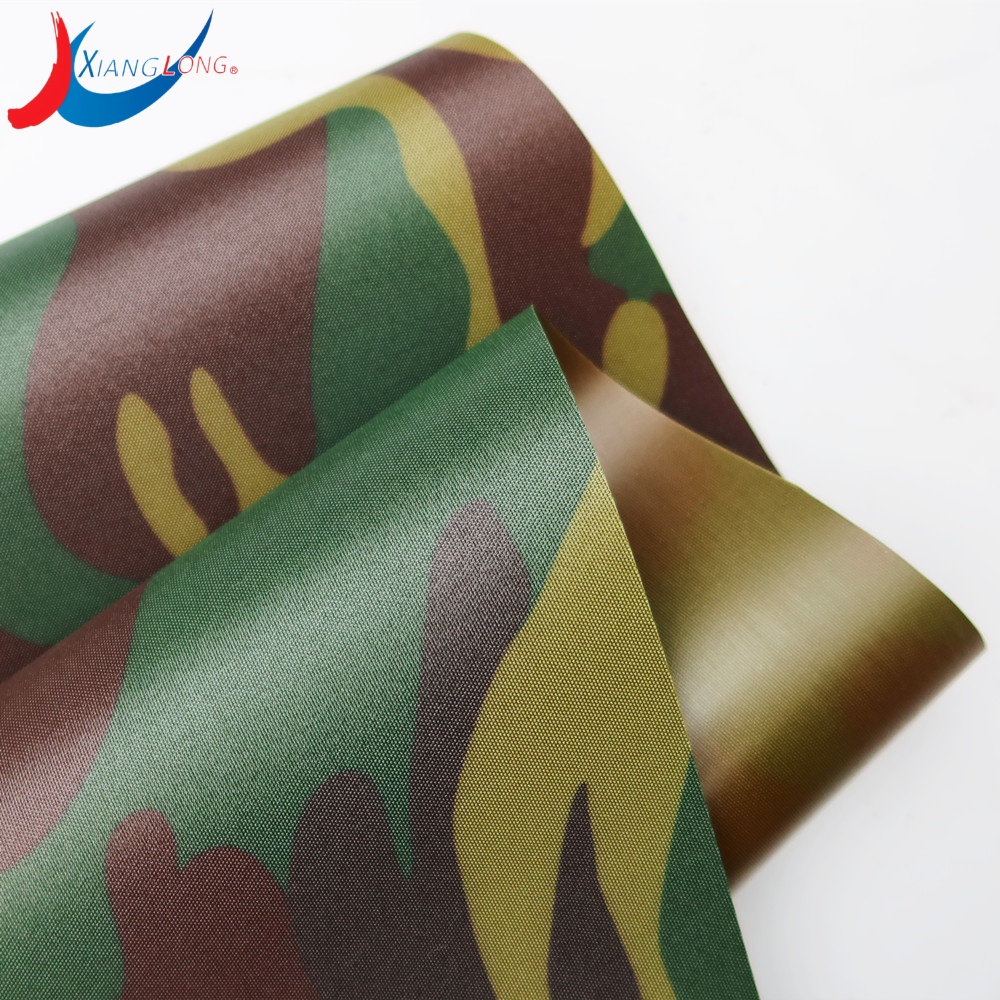
Este tejido—XL Película de TPU en camuflaje—está hecho para eso. Te explicaré por qué las elecciones de material tienen sentido, dónde funciona este tejido y qué lo diferencia de alternativas más baratas.
El almacenamiento de agua no es lo mismo que el almacenamiento seco
Mucha gente asume que si un tejido es impermeable, sirve para almacenar agua. Eso les lleva a problemas.
El almacenamiento seco es fácil. Pones cosas en una bolsa. La bolsa se queda ahí. El tejido solo tiene que evitar que entre agua.
El almacenamiento de agua es diferente. El agua se mueve. Se agita cuando llevas el recipiente. Empuja constantemente hacia afuera. Cambia de peso cada vez que posas el tanque.
Esto es lo que el tejido tiene que soportar, algo que el almacenamiento seco nunca enfrenta.
- Impactos por agitación. El agua golpea repetidamente las paredes. Cada impacto ejerce presión sobre una pequeña área. Con el tiempo, esa presión desgasta las costuras y crea puntos débiles.
- Presión constante hacia afuera. Una bolsa seca de ropa empuja ligeramente hacia afuera. Un recipiente de agua empuja hacia afuera todo el tiempo. Las paredes tienen que soportar esa presión hora tras hora.
- Cambios de presión. Cuando llenas un tanque, la presión aumenta. Cuando lo levantas, la presión se desplaza hacia la parte inferior. Cuando apilas tanques, el de abajo soporta más carga. El tejido tiene que manejar todo eso.
Para almacenamiento seco, un tejido con revestimiento de una sola cara podría funcionar. Para almacenamiento de agua, necesitas algo más resistente. Por eso este tejido utiliza una base de poliéster 500D y un revestimiento de TPU en la parte que toca el agua.
¿Por qué poliéster 500D?
El tejido base es el esqueleto. Si te equivocas con la base, el revestimiento no importa.
Qué significa realmente 500D
El denier mide el grosor de la fibra. 500 denier es moderadamente grueso. Una mochila estándar usa 210D. Un bolso pesado usa 1000D.
500D está justo en el medio. Resiste la abrasión y los rasgaduras. Pero no es tan grueso que el tejido se vuelva rígido o pesado. Aún puedes doblarlo en un paquete pequeño.
Poliéster frente a nylon
Aquí hay algo que los usuarios de nylon aprenden a la mala. El nylon absorbe agua. Cuando se moja, se hincha. Cuando se seca, se contrae. Ese movimiento ejerce presión sobre el revestimiento. Al final, el revestimiento puede separarse.
El poliéster casi no absorbe agua. Permanece del mismo tamaño húmedo o seco. Para un tejido que tendrá agua en un lado constantemente, esa estabilidad importa.
Abrasión en el mundo real
He visto lo que le pasa a las bolsas de agua en el campo. Las arrastran por gravilla. Las tiran en la caja de camiones junto a herramientas de metal. Las ponen en terrenos rocosos.
Los tejidos más ligeros desarrollan agujeros. Los tejidos más pesados se vuelven demasiado rígidos para doblarlos. El 500D encuentra el equilibrio. Soporta el maltrato sin ser difícil de empacar.
¿Por qué TPU en lugar de PVC?
Todo comprador pregunta esto. El PVC es más barato. Entonces, ¿por qué pagar más por TPU?
Tres razones.
- Clima frío. El PVC tiene plastificantes para mantenerlo flexible. A menos 10 grados Celsius, el PVC empieza a endurecerse. A menos 20, se agrieta. El TPU no usa plastificantes. Permanece flexible hasta menos 30. Si tu sistema de agua alguna vez verá invierno, esto importa.
- Resistencia de las soldaduras. El PVC se suelda fácilmente pero la costura es débil. Las soldaduras de TPU te dan del 80 al 90 por ciento de la resistencia del tejido base. Cuando sostienes cientos de litros de agua, unas costuras más fuertes significan menos fallos en el campo.
- Sin ftalatos, sin cloro. El PVC contiene ambos. El TPU no contiene ninguno. Muchos mercados están restringiendo el PVC por estos químicos. El TPU cumple esas regulaciones.
Aquí tienes una comparación rápida. He reducido los puntos que realmente importan para el almacenamiento de agua.
| Propiedad | TPU | PVC |
|---|---|---|
| Flexibilidad a -20°C | Sí | No |
| Resistencia de las soldaduras frente al tejido base | 80-90% | 60-70% |
| Contiene plastificantes | No | Sí |
| Fisura por frío | No | Sí |
| Precio | Más alto | Baja |
Si el precio es lo único que te importa, compra PVC. Pero si necesitas que el sistema de agua funcione en climas fríos, dure ante uso repetido y cumpla con las regulaciones modernas, el TPU es la mejor opción.
¿Por qué camuflaje? No es solo estilo
Algunas personas ven el camuflaje y piensan que es una elección cosmética. En aplicaciones tácticas y al aire libre, es funcional.
Tres situaciones donde el patrón de camuflaje realmente importa.
- Operaciones militares y tácticas. El equipo debe integrarse en el entorno. Un tanque de agua azul brillante destaca en el bosque. Esa visibilidad puede hacer que las personas se den cuenta cuando no quieren ser vistas.
- Caza y observación de vida silvestre. Los animales se asustan fácilmente. Un recipiente de agua camuflado tiene menos probabilidades de llamar su atención que un tanque de plástico brillante.
- Fuera de la red eléctrica y preparación. Algunos usuarios prefieren no anunciar lo que tienen. Un patrón de camuflaje no atrae tanta atención como el equipo exterior brillante.
La impresión se aplica al poliéster antes del revestimiento de TPU. Luego, el revestimiento protege la impresión de la abrasión y la luz solar. No se borra.
La integridad de las costuras es donde fallan la mayoría de los tejidos
He aquí un dato que sorprende a quienes recién empiezan con el almacenamiento de agua. El propio tejido casi nunca falla. Lo que falla son las costuras.
Una pequeña filtración en una costura puede vaciar toda una vejiga durante la noche. Y esas fugas son difíciles de encontrar en el campo.
Por qué la costura no funciona
La mayoría de los tejidos se cosen. Aguja y hilo. Eso está bien para productos secos. Pero para el almacenamiento de agua, cada agujero de la aguja es una posible fuga. Puedes sellarlos con cinta o pegamento, pero eso aumenta el costo y crea otro punto de falla.
Soldadura en lugar de costura
Este tejido está diseñado para soldadura de alta frecuencia. La soldadura HF utiliza ondas de radio para fundir las capas de TPU juntas. Sin agujas. Sin hilo. Sin agujeros.
La capa de TPU en este tejido permite que dos piezas se conviertan en una sola. La costura resultante es casi tan fuerte como el tejido base.
Lo que te ofrece la soldadura
- Sin agujeros de aguja significa sin vías de fuga.
- La resistencia de la costura alcanza del 80 al 90 por ciento del tejido base.
- La producción es rápida y repetible.
Para un sistema de almacenamiento de agua que necesite funcionar siempre, las costuras soldadas son la única opción.
El transporte y el despliegue son el objetivo principal
Si no necesitas mover el sistema de agua, compra un tanque rígido. Son baratos y funcionan bien.
Pero si necesitas moverlo, el almacenamiento flexible gana.
Se pliega cuando está vacío
Un tanque rígido de 500 litros ocupa el mismo espacio lleno o vacío. Eso es un problema cuando lo mueves en camión o helicóptero.
Una vejiga plegable se pliega hasta una fracción de su tamaño lleno. Puedes apilar varias en el mismo espacio que ocuparía un tanque rígido.
Peso ligero
El tejido pesa entre 400 y 600 gramos por metro cuadrado. Compáralo con un tanque de plástico. La diferencia es enorme. Una sola persona puede llevar una vejiga plegada que contiene cientos de litros.
Se despliega rápidamente
Cuando necesitas agua, no quieres pasar una hora montando un tanque. Estas vejigas se despliegan, se conectan a una manguera y se llenan. Algunos diseños tienen puertos de llenado y salidas soldados directamente en el tejido.
Empaca pequeño
Para sistemas más pequeños, una vejiga plegada cabe en una mochila. Para los más grandes, se enrollan y se sujetan a un portaequipajes de vehículo.
¿Qué hace diferente al tejido de Xianglong?
Cualquier proveedor puede recubrir poliéster con TPU. Pero hay una diferencia entre un vendedor de tejidos y alguien que entiende el almacenamiento de agua.
Experiencia con contención
Xianglong lleva años fabricando tejidos recubiertos con TPU. Esa experiencia se nota en los detalles. Las elecciones de materiales, las recomendaciones de soldadura y el control de calidad.
Certificaciones que importan
La calidad importa cuando guardas agua potable en el campo. Una costura fallida puede dejar a un equipo sin agua.
Xianglong cuenta con ISO 9001, ISO 14001, ISO 45001 e ISO 10993. Para el almacenamiento de agua, los sistemas de gestión de calidad aseguran consistencia. Obtienes el mismo material cada vez que haces un pedido.
Personalización
No todos los sistemas de agua tienen las mismas necesidades. Algunos necesitan TPU más grueso para mayor resistencia a la abrasión. Algunos necesitan un patrón de camuflaje diferente. Algunos necesitan accesorios específicos.
Xianglong personaliza el grosor, el color, el acabado y las dimensiones del rollo. Trabajan contigo en lugar de imponerte un producto estándar.
Especificaciones técnicas
Para los ingenieros y responsables de compras que quieren los números, aquí está lo que este tejido ofrece.
| Propiedad | Especificación |
|---|---|
| Tejido base | 500D Polyester with Camouflage Print |
| Tipo de TPU | Basado en poliéter o basado en poliéster |
| Ubicación del recubrimiento | Capa interna (lado en contacto con el agua) |
| Peso total | Personalizable, normalmente 400-600 gsm |
| Ancho estándar | 140 cm o personalizado |
| Color | Camuflaje (múltiples patrones) |
| Rango de temperatura | -30°C a +70°C |
| Método de soldadura | Alta frecuencia o aire caliente |
El grosor del TPU y el peso total se pueden ajustar según el tamaño del tanque y las condiciones previstas.
Dónde funciona mejor esta tela
No todos los proyectos de almacenamiento de agua necesitan esta tela específica. Pero para ciertos escenarios, es la opción adecuada.
Tanques plegables para campamentos base. Operaciones militares, ayuda en desastres, construcción remota. Lleva tanques vacíos en avión, únalos en el lugar, llénalos desde un camión o con una bomba.
Almacenamiento portátil para caza y trabajo en campo. Los cazadores necesitan agua en un puesto de observación. Una pequeña vejiga se puede empacar fácilmente. El camuflaje la mantiene oculta.
Reservas de emergencia para vehículos. Los viajeros por carretera y los preparadores guardan agua en sus vehículos. Los tanques rígidos ocupan demasiado espacio. Las vejigas flexibles caben en rincones inutilizados.
Recogida de agua de lluvia. Las cabañas fuera de la red eléctrica recogen agua de lluvia. Una vejiga plegable debajo de un desagüe se llena con el tiempo y almacena agua hasta que sea necesario.
Almacenamiento temporal para agricultura. Los agricultores necesitan agua para el ganado o el riego. Mueva el sistema de un pasto a otro.
Cómo obtener una muestra
Leer sobre una tela es útil. Probarla usted mismo es la única manera de saberlo.
Envíe sus especificaciones a Xianglong. Indíqueles el tamaño del tanque, las condiciones previstas y cualquier requisito especial.
Enviarán un rollo de muestra. El plazo de entrega suele ser de cinco a siete días laborables.
Pruebe la muestra con su equipo de soldadura. Compruebe la resistencia de las costuras. Llene una vejiga de prueba y déjela reposar unos días. Busque fugas.
Si la muestra funciona, la producción en masa tarda entre 15 y 25 días laborables.
Elegir la tela para el almacenamiento plegable de agua se reduce a unas pocas decisiones clave.
Use poliéster, no nailon. Se mantiene estable cuando está mojado.
Use TPU, no PVC. Soporta frío, se suelda más fuerte y cumple con las regulaciones.
Use camuflaje si la aplicación requiere discreción.
Suelde las costuras. No las cose.
La tela XL TPU Recubierta 500D Poliéster – Camuflaje de Xianglong fue diseñada teniendo en cuenta estas decisiones. No es una tela de uso general. Es para personas que necesitan almacenar agua en lugares donde los tanques rígidos no funcionan.
Si eso suena como su proyecto, obtenga una muestra. Suelde unas cuantas costuras. Llénela de agua. Vea si resuelve los problemas con los que ha estado lidiando.