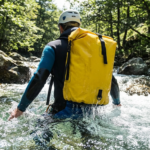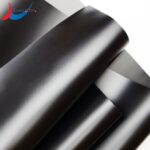







كل قارب أو لوح تجديف قابل للنفخ يعود من الميدان بتسرب بطيء يعود إلى نفس السبب الجذري: النسيج كان محكمًا بما يكفي لاجتياز اختبار المختبر، لكنه لم يكن محكمًا بما يكفي لتحمل موسم من الشمس والملح والتعرّض المتكرر للضغط. لقد أجرينا تحليلات كافية على عينات بعد الفشل من صانعي القوارب والألواح لنعرف أن مصطلحي “مقاوم للماء” و“محكم” يُعاملان على أنهما مترادفان في ورقة المواصفات، وهذا الافتراض هو ما يبدأ منه معظم هذه الأعطال.
هذا ما ننظر إليه عندما يطلب منا العميل تحديد المواصفات نسيج TPU محكم لأنبوب قارب جديد أو حجرة لوح تجديف أو قارب إنقاذ قابل للنفخ — وما سنطلبه من أي مورد قبل الالتزام بطلب بالجملة، بما في ذلك مورِّدنا.
الإحكام خاصية مختلفة عن مقاومة الماء
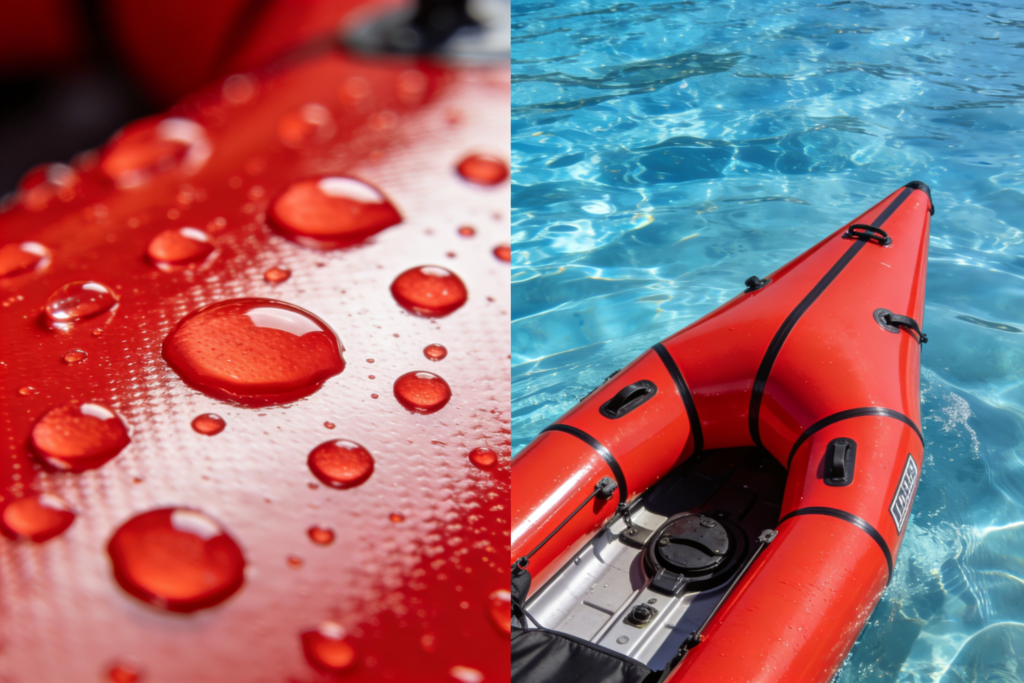
النسيج المقاوم للماء يمنع مرور الماء السائل. جزيئات الهواء أصغر بكثير من قطرة الماء بعدة درجات، لذلك فإن الطلاء الذي يمنع الماء قد يسمح للهواء بالانتشار ببطء عبر الغشاء أو اللحامات أو المسام الدقيقة غير المرئية للعين. بالنسبة لأرضية الخيمة أو غطاء المطر، فإن مقاومة الماء وحدها هي المهمة. أما بالنسبة لأنبوب القارب أو حجرة اللوح أو مقصورة طوافة النجاة، فالنسيج يحتفظ بالضغط الداخلي لأسابيع أو أشهر بينما يتعرض للثني والطي والتحميل — وحتى النسيج الذي يجتاز اختبار الضغط الهيدروستاتيكي قد يظل يفقد الهواء على المستوى الجزيئي.
هذا الفرق هو سبب تحديد معدل احتفاظ الهواء كاختبار مستقل عن أي تصنيف للماء، ولذلك أصبح نسيج TPU المحكم المعيار الذي تُقارَن به المواد المغلفة الأخرى في المعدات البحرية. إذا كانت ورقة المواصفات تذكر فقط “مقاوم للماء” دون أي شيء آخر، فهذا أول سؤال يجب الرد عليه.
الخصائص التي تحدد حقًا ما إذا كان النسيج يحتفظ بالهواء
ست خصائص تحدد ما إذا كان النسيج المغلف بـ TPU يتحمل عمر خدمة حقيقي في المياه، ولا يمكن تقييم أي منها بمفرده:
- معدل احتفاظ الهواء — فقدان الضغط خلال فترة ثابتة، ويُقاس عادةً بعد 24 و72 ساعة في ظروف قياسية.
- قوة الشد والتمزق — مقاومة الثقوب الناتجة عن الصخور ومسامير الرصيف والانطلاقات الخشنة على الشاطئ.
- التصاق الطلاء (قوة التقشير) — مدى إحكام التصاق طبقة TPU بالخيط الأساسي. التصاق ضعيف يظهر كتقشير وفقاعات قبل وقت طويل من تآكل النسيج الأساسي نفسه.
- مقاومة الإجهاد الناتج عن الثني — قدرة الطلاء على تحمل آلاف دورات الطي والفتح دون حدوث تشققات دقيقة، وهو أمر مهم بشكل خاص في الألواح القابلة للطي والقوارب القابلة لللف.
- مقاومة الأشعة فوق البنفسجية والملح — استقرار الطلاء بعد شهور من التعرض للشمس والمياه المالحة. هشاشة الأشعة فوق البنفسجية هي السبب الأكثر شيوعًا لفشل الحجرة المبكر الذي نشهده.
- قابلية اللحام — التوافق مع اللحام بالترددات اللاسلكية أو الهواء الساخن، إذ يتم خياطة كل منتج بحري قابل للنفخ باللحام وليس بالخياطة.
قد يكون النسيج متفوقًا في قوة التمزق ومع ذلك يفشل مبكرًا إذا كانت قوة التقشير ضعيفة، لأن نقطة الفشل تنتقل ببساطة من المادة الأساسية إلى خط التصاق. رأينا صانعي ألواح يختارون النسيج بناءً على الملمس وعدد التمزق فقط، ويتجاوزون بيانات التقشير واحتفاظ الهواء، ليصلوا إلى منتج يبدو قويًا في المختبر ولكنه يفقد الضغط بحلول الأسبوع السادس في المياه.
TPU مقابل PVC: أين يُثمر التكلفة الإضافية لنسيج TPU المحكم
لعقود طويلة، كان النسيج المغلف بالـ PVC هو الخيار الافتراضي في صناعة القوارب القابلة للنفخ من حيث التكلفة والسجل. وقد اكتسب نسيج TPU المحكم حصة متزايدة في الألواح القابلة للنفخ الفاخرة والزوارق الخفيفة بسبب أدائه في الخصائص الست المذكورة أعلاه، وليس لأنه الأرخص.
| Property | قماش مطلي بمادة TPU | PVC Coated Fabric |
|---|---|---|
| احتفاظ الهواء | أعلى — التركيب الجزيئي الأكثر إحكامًا يبطئ فقدان الانتشار | معتدل — أكثر عرضة لفقدان الضغط التدريجي مع الوقت |
| مرونة في الطقس البارد | يبقى مرنًا حتى حوالي -40 درجة مئوية | يصبح قاسيًا ويمكن أن يتشقق في الظروف الباردة |
| مقاومة للأشعة فوق البنفسجية | قوي، خاصة مع تركيبات مستقرة للأشعة فوق البنفسجية | معتدل؛ الملدّنات تخرج مع الوقت، مما يؤدي إلى لزوجة السطح أو التشقق |
| نسبة الوزن إلى القوة | أخف — طلاء أرق لتحقيق أداء مكافئ | أثقل لنفس أرقام التمزق واحتفاظ الهواء |
| قابلية اللحام | قابل للحام بالترددات اللاسلكية والهواء الساخن، وصلات لحام قوية | قابل للحام بالترددات اللاسلكية، عملية مثبتة منذ زمن طويل |
| Abrasion resistance | عالية | معتدل إلى عالي |
| هجرة الملدّنات | لا شيء — TPU لا يستخدم الملدّنات | تحدث خلال عمر المنتج الافتراضي |
| التكلفة لكل متر | أعلى | أقل |
| قابلية إعادة التدوير | أكثر ملاءمة لإعادة التدوير من مادة واحدة | أصعب في إعادة التدوير بسبب محتوى الكلور |
لا أحد من المادتين هو الحل المناسب في كل الحالات. الزورق الترفيهي المبني بسعر بيع مخفض لا يزال من المنطقي استخدام PVC. أما لوح التجديف عالي الأداء أو القارب القابل للنفخ من فئة الإنقاذ، فهنا يكسب نسيج TPU المحكم ثمنه الإضافي من خلال عمر خدمة أطول وعدد أقل من عمليات الإرجاع في الميدان — وهذا هو الحساب الذي نقوم به مع العملاء قبل التوصية بأحد النوعين.
تحديد عدد دينير ووزن الطلاء المناسب للتطبيق
دينير يقيس الكثافة الخطية للخيط الأساسي، وهو أول قرار في المواصفات يحدد الوزن والمتانة. نحن نستخدم أقمشة أساسية من 70D حتى 1000D+، والاختيار الصحيح يعتمد كليًا على ما يحتاجه المنتج النهائي للبقاء على قيد الحياة.
| التطبيق | النسيج الأساسي النموذجي | وزن الطلاء | ملاحظات |
|---|---|---|---|
| ألواح SUP خفيفة للغاية قابلة للطي | 300D–500D نايلون | خفيف، مغلف من جانب واحد | يُعطي الأولوية للقابلية للتعبئة؛ يجب أن يعوض تصميم الخياطة عن قوة تمزق أقل |
| قوارب ترفيهية قابلة للنفخ وقوارب النقل | 500D–840D بوليستر أو نايلون | متوسط، عادةً مغلف من الجانبين | يوازن بين الوزن والتكلفة والمتانة للاستخدام الترفيهي المنتظم |
| قوارب قابلة للنفخ من الدرجة التجارية والإنقاذ | 840D–1000D+ نايلون | ثقيل، مغلف من الجانبين، وأحيانًا مدعم بشبكة | مصمم للاستخدام المتكرر الشديد ودورات عمل أطول |
| أرضية ألواح القفز بالخيوط المنسوجة | قاعدة منسوجة عالية المتانة مع نواة من الخيوط المنسوجة | مُحسَّن للحفاظ على الضغط المستمر (عادةً 12–20+ PSI) | الإحكام الهوائي تحت ضغط عالٍ هو المتطلب الأساسي |
تخفيض وزن الطبقة المغلفة لتقليل التكلفة نادرًا ما يظهر كخلل فوري. بل يظهر كفشل مبكر في الخياطة أو تسرب بطيء بعد موسم من الاستخدام. على الورق، يبدو الفرق بين قماش TPU المُحكم بوزن 500D و840D مجرد اختلاف طفيف؛ لكن بعد خمسين عملية إطلاق على الشاطئ، يصبح هذا الاختلاف القصة بأكملها.
قماش الخيوط المنسوجة يحتاج إلى استراتيجية تغليف مختلفة تمامًا
بناء الخيوط المنسوجة — المستخدم في ألواح التجديف ذات الضغط العالي، والكاياك القابل للنفخ، وأرضيات القوارب القابلة للنفخ الصلبة — هو فئة منفصلة عن القماش المغلف بطبقة واحدة العادية. يتم ربط طبقتين من القماش بآلاف الخيوط الرأسية من البوليستر، مما يسمح للهيكل بتحمل ضغط داخلي أعلى بكثير (عادةً 12–20+ PSI) مع الحفاظ على شكل مسطح وصلب تحت الحمل.
في الخيوط المنسوجة، تقوم الطبقة المغلفة بوظيفتين في آنٍ واحد: حبس الهواء تحت ضغط عالٍ مستمر، والصمود أمام التآكل المستمر للأرضية والتعرض للأشعة فوق البنفسجية الذي يأتي مع الاستخدام العادي. تناسق الطبقة المغلفة عبر عرض اللفة الكامل مهم هنا أكثر مما هو عليه في التطبيقات ذات الضغط الأقل، لأن نقطة رقيقة تصبح نقطة فشل بمجرد أن يتجاوز الضغط الداخلي بشكل كبير غرفة الضغط القياسية. نراقب السماكة باستمرار عبر اللفة في طلبات الخيوط المنسوجة ونتشارك هذه البيانات قبل أن يلتزم العميل بكمية كبيرة — وهذا أمر معقول أن تطلبه من أي مورد.
توافق الخياطة واللحام يحدد ما إذا كان القماش سينجو من التجميع
القماش البحري محكم الهواء فقط بقدر أضعف خياطة فيه. معظم القوارب القابلة للنفخ وألواح التجديف ملحومة بالتردد اللاسلكي أو بالهواء الساخن بدلاً من الخياطة، لأن ثقوب الإبرة الناتجة عن الخياطة تهدد إحكام الهواء تمامًا.
قبل اختيار القماش، تحقق من ثلاثة أمور مع المورد:
- أي طرق اللحام صُممت لها تركيبة الطبقة المغلفة — اللحام بالتردد اللاسلكي بحاجة خاصة إلى طبقة مغلفة بخصائص عازلة مناسبة.
- ما إذا كانت الطبقة المغلفة من جانب واحد أو من جانبيْن. القماش المغلف من الجانبين ينتج عمومًا لحامات أقوى وأكثر اتساقًا عبر الغلاف الخارجي وتداخل الخياطة الداخلية.
- نتائج قوة التقشير للترابط بين الطبقة المغلفة والقاعدة، لأن الانفصال عند الخياطة يظهر في الميدان أكثر بكثير من تمزق القماش الأساسي نفسه.
المورد الذي يستطيع أن يوضح لك إعدادات اللحام الخاصة بمادته — وليس المعايير الصناعية العامة — قد أجرى هذه الاختبارات داخل الشركة ويعرف بالضبط أين يجب تعديل العملية بالنسبة لوزن القماش المعين. هذه المعرفة العملية توفر وقتًا حقيقيًا لمصنعي القوارب والألواح أثناء التجهيز، لأن معلمات اللحام التي تعمل عند وزن معين غالبًا ما تحتاج إلى إعادة ضبط عند وزن آخر.
الأشعة فوق البنفسجية والملح والتغيرات الحرارية: الآليات الثلاث للتأثر
المعدات البحرية تسجل ساعات تراكمية في الشمس المباشرة والتعرض للملح أكثر من أي تطبيق آخر للقماش المغلف، وثلاث آليات للتدهور تقود معظم حالات الفشل التي نحقق فيها:
- تصلب الأشعة فوق البنفسجية — التعرض الطويل للشمس يفقد الطبقة المغلفة مرونتها ويفتح شقوقًا دقيقة على السطح. هذا هو السبب الحقيقي وراء معظم شكاوى “التسرب البطيء” التي تُبلغ بعد موسم من الاستخدام الكثيف، وليس خللًا في التصنيع.
- تبلور الملح — التغيرات المتكررة بين الرطوبة والجفاف تسرع تآكل الطبقة المغلفة عند الخياطة ونقاط الاحتكاك العالية، مثل حيث يحتك جسم القارب بحاجز الرصيف.
- التغيرات الحرارية — القارب المخزن على سطح ساخن ومغمور في مياه أبرد يتسع ويتقلص مرارًا وتكرارًا، مما يضغط على الترابط بين الطبقة المغلفة والقماش بمرور الوقت.
الطبقة المغلفة من TPU المصممة بشكل صحيح تتفوق على البدائل غير المغلفة أو المغلفة بشكل خفيف في جميع الآليات الثلاث، لكن المقاومة لا تزال تختلف بشكل كبير حسب درجة TPU وباقة المثبتات ضد الأشعة فوق البنفسجية. يمكن أن يكون للفتين نفس التصنيف كقماش TPU محكم الهواء، لكنهما يؤديان بشكل مختلف تمامًا بعد ستة أشهر على الرصيف. اطلب بيانات التجوية المتسارعة للتركيبة المحددة المعروضة، وليس ادعاء عام في الكتيب.
كيف نختبر الاحتفاظ بالهواء قبل شحن القماش أبدًا
كل لفة نبيعها للاستخدام البحري تخضع لنفس الاختبارات الأربعة قبل مغادرتها المنشأة، ونتشارك هذه البيانات مع العملاء عند الطلب بدلاً من أن نطلب منهم أن يأخذوا ادعاءات الأداء على عاتقهم:
- اختبار انخفاض الضغط في الغرفة المحكمة — يتم لحام عينة في كيس محكم، ونفخها حتى ضغط محدد، ومراقبتها لمدة تتراوح بين 24 و72 ساعة لقياس فقدان الضغط.
- التجوية المتسارعة — التدوير بين الأشعة فوق البنفسجية والحرارة في غرفة متحكم بها يضغط شهورًا من التعرض الخارجي في نافذة اختبار أقصر.
- اختبار التصاق التقشير والقص — يقيس القوة اللازمة لفصل الطبقة المغلفة عن القماش الأساسي، وهو ما يتنبأ بخطر الانفصال طويل الأمد.
- اختبار الثني في البرودة — يتم طي القماش في درجة حرارة منخفضة للتحقق من تشقق الطبقة المغلفة، وهو أمر مهم لأي شيء يتم تخزينه خلال الشتاء.
أن تطلب رؤية بيانات الاختبار لوزن القماش وعدد الخيوط المحدد محل النظر — وليس كتيب الشركة العام — هو أسرع طريقة لتصفية الموردين الذين يتحدثون عن الأداء دون دعمه بأرقام. كما أنه يمنح فريق المنتج شيئًا ملموسًا للمقارنة عند مقارنة موردين اثنين أو ثلاثة جنبًا إلى جنب.
أين تفشل القوارب القابلة للنفخ البحرية في الواقع في الميدان
| نقطة الفشل | السبب النموذجي | كيف يساعد اختيار القماش |
|---|---|---|
| فقدان ضغط بطيء على مدى أسابيع | مسامية دقيقة في الطبقة المغلفة أو تصلب بسبب الأشعة فوق البنفسجية | طبقة TPU من الدرجة الأعلى مدعومة ببيانات مثبتة لاحتفاظ الهواء |
| انفصال الخياطة | عدم التصاق جيد للطبقة المغلفة أو إعدادات لحام غير متطابقة | اختبارات موثوقة لقوة التقشير وتوافق اللحام قبل الإنتاج |
| لزوجة سطحية أو تشققات | هجرة الملدّن (PVC) أو طبقة غير مستقرة (TPU) | الطبقات المغلفة من TPU تستغني تمامًا عن الملدّن؛ تأكد من استقرار الأشعة فوق البنفسجية في بدائل PVC |
| ثقب نتيجة الاحتكاك | عدد خيوط القماش الأساسي أخف من اللازم بالنسبة للتطبيق | قم بمطابقة عدد الخيوط ووزن الطبقة المغلفة مع شدة الاستخدام الفعلي، وليس فقط مع السعر المستهدف بالتجزئة |
| بهتان اللون | استقرار غير كافٍ للأشعة فوق البنفسجية في الطبقة المغلفة أو الصبغة | اطلب تقارير اختبار التعرض للأشعة فوق البنفسجية، وليس مجرد عينات مرئية |
ادمج عمليات أخذ العينات ومدة التنفيذ في جدول المنتج
دورات تطوير المنتجات البحرية طويلة، خاصةً عندما يتم تجهيز شكل جديد للهيكل أو ملف تعريفي للوح في نفس الوقت الذي يتم فيه الحصول على القماش. يجب أن تكون أخذ عينات القماش في بداية الجدول، وليس كخطوة أخيرة قبل الإنتاج. مسار الحصول على القماش النموذجي يمر عبر أربع مراحل:
- مراجعة عينة المخزون — قابلة للشحن خلال يوم أو اثنين إذا كان عدد الخيوط ووزن الطبقة المغلفة موجودين بالفعل في المخزون
- إنتاج عينة مخصصة بلون معين أو وزن طبقة مغلفة أو مزيج من عدد الخيوط — عادةً ما يكون وقت التنفيذ أطول لأنه قد يتطلب إنتاجًا قصيرًا
- اختبارات اللحام والاحتفاظ بالهواء بالجملة على العينة المخصصة قبل الالتزام بالإنتاج الكامل
- الإنتاج الكامل — تعتمد مدة التنفيذ على حجم الطلب وما إذا كانت هناك حاجة إلى تشطيب معين أو مطابقة لونية
الفِرق التي تُدرج هذه الجدولة في خارطة طريق منتجاتها تتجنب الفخ الشائع المتمثل في تثبيت تصميم القارب أو اللوح حول قماش يتبين أنه يحتاج إلى مهلة أطول من باقي سلسلة الإمداد.
ما يمكن توقعه عند الحصول على قماش TPU محكم الغلق من مورد أجنبي
معظم الأقمشة المغلفة لسوق القوارب القابلة للنفخ وألواح التجديف تُشحن من الصين، مما يضيف اعتبارات لوجستية بالإضافة إلى مواصفات القماش نفسه. مدة الشحن والتخليص الجمركي وكميات الطلبات الدنيا كلها تؤثر في مدى مبكرة فريق المنتجات في تحديد مصدر القماش بالنسبة لتاريخ الإطلاق. يستحق التأكد مع أي مورد محتمل:
- كيفية تعبئة القماش وحمايته أثناء النقل البحري، لأن الطبقات الحساسة للأشعة فوق البنفسجية قد تتأثر بالحرارة المديدة داخل حاوية الشحن
- ما إذا كان الشحن الجوي متاحًا للرحلات الصغيرة للعينات قبل الإنتاج — نافذة الشحن البحري من أربعة إلى ستة أسابيع قد تعرقل جدول التطوير إذا احتاجت العينة إلى تعديل
- ما الوثائق المرفقة مع الطلب للتخليص الجمركي، بما في ذلك تركيب المواد وشهادات الامتثال ذات الصلة
- ما إذا كان السعر محددًا لكل متر أو لكل كيلوغرام، لأن وزن الطبقة المغلفة يغير كيفية مقارنة هذين النموذجين بين خيارات القماش المختلفة
لا يغني هذا عن تقييم الاحتفاظ الفعلي بالهواء أو أداء الأشعة فوق البنفسجية للقماش، لكنه يحدد مدى واقعية مهلة التنفيذ المقدمة بعد أخذ الشحن والجمارك في الاعتبار.
أسئلة تستحق طرحها على مورد قماش TPU قبل الطلب
- هل يمكنك مشاركة بيانات اختبار الاحتفاظ بالهواء الخاصة بالقماش ووزن الطبقة المغلفة الذي أفكر فيه، وليس مجرد ادعاءات تسويقية عامة؟
- ما طرق اللحام التي تم التحقق منها لهذا القماش، وهل لديك نتائج لقوة التقشير لدعمها؟
- ما هو وزن الطبقة المغلفة (GSM) على كل جانب، وهل هي مغلفة من جانب واحد أم من جهتين؟
- هل لديك تقارير عن التعرض للأشعة فوق البنفسجية أو التجوية المتسارعة لهذه التركيبة بالضبط؟
- ما هي كمية الطلب الأدنى لعدد خيوط مخصص أو وزن طبقة مغلفة أو لون معين، وما هي مدة التنفيذ للعينة قبل الإنتاج؟
- هل القماش متوافق مع REACH وRoHS وأي معايير سلامة بحرية ذات صلة بالسوق المستهدف؟
الحصول على قماش TPU محكم الغلق للاستخدامات البحرية يعتمد على مطابقة عدد خيوط القماش الأساسي ووزن الطبقة المغلفة وكيمياء الطبقة المغلفة مع كيفية استخدام المنتج النهائي فعليًا — وليس الاعتماد بشكل افتراضي على الخيار الأخف أو الأرخص على الطاولة. المورد الذي يقدم لك بيانات الاحتفاظ بالهواء وقوة التقشير ومقاومة الأشعة فوق البنفسجية للقماش المحدد محل النظر، بدلاً من ادعاءات عامة عن فئة المادة، هو المورد الذي يستحق بناء علاقة توريد طويلة الأمد معه.