

공기주입식 보트 제조업체는 생산 시작 전에 여러 가지 소재 관련 결정을 내려야 합니다. 에어 챔버에 사용되는 원단은 압력을 유지해야 하며, 바닥은 거친 표면과의 접촉을 견뎌야 하고, 용접 부위는 반복적인 사용 중에도 안정성을 유지해야 합니다. 보트의 모든 부분에 동일한 원단 구조를 선택하면 구매가 간편해질 수 있지만, 항상 무게, 강도 및 내구성의 최적 균형을 제공하는 것은 아닙니다.
TPU 코팅 나일론 은 직조된 섬유 베이스와 유연한 열가소성 폴리우레탄 층을 결합하여 공기주입식 보트 제작에 널리 사용됩니다. 섬유는 기계적 지지력을 제공하고, TPU 코팅은 기밀성을 높이며 적절한 열봉합 또는 고주파 용접 공정을 통해 소재를 접합할 수 있도록 해줍니다.
그러나 TPU 코팅 원단의 성능은 폴리머 자체 이상의 요인에 의해 좌우됩니다. 베이스 원단 구조, 데니어, 코팅 두께, 접착력, 표면 처리 및 용접 호환성 등이 모두 최종 제품에 영향을 미칩니다. 공기주입식 제품용 원단을 선택하는 제조업체는 이러한 요소들을 보트의 구조와 의도된 운용 조건에 맞춰 평가해야 합니다.
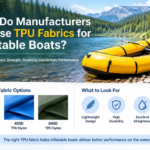
공기주입식 보트 제조업체가 고려해야 할 원단 요구 사항은 무엇인가요?
공기주입식 보트는 여러 종류의 기계적 스트레스 하에서 작동합니다. 에어 챔버는 내부 압력을 유지하고, 바닥은 자갈이나 바위와 접촉할 수 있으며, 보관 및 운송 중에는 소재가 반복적으로 접힙니다. 원단은 이러한 조건을 수용하면서도 완성된 보트가 불필요하게 무겁거나 취급하기 어렵지 않도록 해야 합니다.
개별 원단 등급을 비교하기 전에 제조업체는 주요 성능 요구 사항을 정의해야 합니다.
작동 압력 하에서의 기밀성
공기 유지 능력은 공기주입식 보트 원단의 기본 요건 중 하나입니다. 코팅된 소재는 표면을 통한 공기 누출을 최소화해야 하며, 이음새, 밸브 및 연결 부위는 신뢰할 수 있는 밀봉 상태를 유지해야 합니다.
완성된 보트의 기밀성은 원단만으로 결정되지 않습니다. 적절한 공기 차단 특성을 가진 소재라도 용접 조건이 일관되지 않거나 접합 설계가 부적합하면 압력을 잃는 제품의 일부가 될 수 있습니다.
따라서 제조업체는 코팅 원단을 전체 조립 공정과 함께 평가해야 합니다. 원단 샘플은 공기 투과성을 시험할 수 있으며, 용접된 시편은 정해진 압력 조건 하에서 누출 여부를 검사할 수 있습니다.
시험 압력, 유지 시간, 온도 및 합격 기준은 가정된 보편적 기준이 아닌 실제 제품 사양을 반영해야 합니다.
인장강도 및 인열저항
공기주입식 보트 패널은 챔버가 팽창할 때 인장을 받습니다. 또한 손잡이, 부착 지점, 좌석 지지대 및 기타 보강된 부위 주변에는 하중이 집중될 수 있습니다.
직조된 베이스 원단은 이러한 기계적 하중을 지지하는 데 중요한 역할을 합니다. 나일론은 유연한 섬유 구조와 유용한 강도 특성을 제공하므로 공기주입식 구조물에 자주 사용됩니다. 실제 성능은 실의 특성, 직조 밀도, 마감 처리 및 코팅 구조에 따라 달라집니다.
인장강도와 인열저항은 별도로 평가해야 합니다. 인장 시험은 원단 시편을 파단시키는 데 필요한 힘을 측정하는 반면, 인열 시험은 절단되거나 손상된 부위가 하중 하에서 어떻게 확산되는지를 검사합니다.
제조업체 입장에서는 두 결과 모두 중요합니다. 인장강도가 우수한 원단이라도 인열저항이 의도된 용도에 부족하다면 추가 평가가 필요할 수 있습니다.
마모 및 펑크 저항
공기주입식 보트의 하부는 모래, 자갈, 강둑, 보트 경사로 및 기타 거친 표면과 접촉할 수 있습니다. 반복적인 접촉은 외부 코팅을 서서히 손상시키거나 섬유 베이스를 노출시킬 수 있습니다.
마모 저항은 특히 얕은 강, 낚시 지역, 구조 작업 또는 빈번한 해변 상륙을 위해 설계된 보트와 관련이 깊습니다. 날카로운 돌, 나뭇가지 또는 장비가 선체와 접촉할 가능성이 있는 경우 펑크 저항 역시 주의를 기울여야 합니다.
마모가 심한 부위에는 더 무거운 베이스 원단을 고려할 수 있지만, 데니어만으로 최종 마모 또는 펑크 성능을 판단할 수는 없습니다. 코팅 두께, 원단 밀도, 실 품질 및 전체 소재 구조도 결과에 영향을 미칩니다.
접고 보관 시 유연성
공기주입식 보트는 사용 사이에 종종 공기를 빼고 포장됩니다. 원단은 조밀한 접힘 주변에서 굽혀져도 조기 균열, 코팅 분리 또는 기타 손상이 발생하지 않아야 합니다.
이러한 요구 사항은 소재 선택이 강도에만 집중될 때 간과되기 쉽습니다. 매우 무거운 구조는 유용한 기계적 지지력을 제공할 수 있지만, 완성된 보트를 접고 운반하기 어렵게 만들 수 있습니다.
제조업체는 인장 및 마모 결과와 함께 유연성과 접힘 특성도 평가해야 합니다. 반복적인 접힘 시험은 소재가 여러 사이클 동안 압축되고 굽혀진 후에도 코팅이 손상되지 않았는지 확인하는 데 도움이 됩니다.
210D, 420D 및 840D TPU 코팅 나일론 원단은 어떻게 다른가요?
데니어는 TPU 코팅 나일론 원단을 비교할 때 유용한 출발점입니다. 이는 실의 선형 질량을 나타내므로 데니어가 높을수록 일반적으로 실이 더 무겁습니다.
공기주입식 보트 제조업체에게 210D, 420D 및 840D TPU 코팅 나일론은 서로 다른 구조 옵션을 의미합니다. 그러나 이를 고정된 성능 등급으로 간주해서는 안 됩니다. 같은 데니어를 가진 두 원단이 인장강도, 인열저항, 코팅 무게, 두께 및 완성품 무게에서 서로 다를 수 있습니다.
올바른 비교에는 전체 기술 데이터 시트와 가능한 경우 생산 대표 샘플의 시험 결과가 포함되어야 합니다.
무게에 민감한 구조물을 위한 210D TPU 코팅 나일론
XL TPU 코팅 210D 나일론은 가벼운 섬유 구조가 중요한 공기주입식 제품에 대한 잠재적 옵션입니다.
원단 무게를 줄이면 제조업체가 공기주입식 보트의 총 질량을 관리하는 데 도움이 될 수 있습니다. 특히 제품이 휴대용 사용을 목적으로 설계된 경우 더욱 그렇습니다. 가벼운 소재는 포장, 운송 및 설치 과정에서도 보트를 더 쉽게 다룰 수 있게 해줍니다.
에어 챔버나 기타 구조 부품에 210D TPU 나일론을 사용하기 전에 제조업체는 인장강도, 인열저항, 코팅 접착력 및 의도된 용접 공정과의 호환성을 반드시 확인해야 합니다.
또한 반복적인 접힘 및 팽창 사이클 후에도 소재를 시험해야 합니다. 가벼운 구조는 완성된 제품의 기계적 및 밀봉 요구 사항을 충족할 수 있을 때에만 유용합니다.
범용 공기주입식 구조물을 위한 420D TPU 코팅 나일론
XL TPU 코팅 420D 나일론은 제조업체가 소재 무게와 섬유 구조 간의 다른 균형을 필요로 할 때 또 다른 옵션을 제공합니다.
이는 공기주입식 보트 챔버, 보강 패널 또는 더 견고한 베이스 원단이 필요한 기타 부위에 대해 평가될 수 있습니다. 적합성은 원단 사양, 코팅 구조 및 운용 중 예상되는 하중에 따라 달라집니다.
예를 들어, 레크리에이션용 공기주입식 보트를 생산하는 제조업체는 210D와 420D 구조를 비교하여 가벼운 소재가 강도 요구 사항을 충족하는지, 아니면 더 무거운 옵션이 더 적합한지 판단할 수 있습니다.
결정은 데니어만이 아니라 측정된 성능에 근거해야 합니다. 원단 무게, 두께, 인장강도, 인열저항 및 용접 결과를 모두 고려해야 합니다.
더 까다로운 용도를 위한 840D TPU 코팅 나일론
XL TPU 코팅 840D 나일론은 제조업체가 더 큰 기계적 접촉이나 집중된 하중에 노출되는 부위에 대해 평가할 수 있는 더 무거운 원단 옵션입니다.
보트 바닥은 거친 지면과 장비와 반복적으로 접촉할 수 있으므로 가능한 적용 사례 중 하나입니다. 보트 설계에 따라 더 무거운 원단은 선택된 보강 부위에도 고려될 수 있습니다.
보트 전체에 840D 나일론을 사용하는 것이 반드시 필요한 것은 아닙니다. 이는 전체 소재 무게를 증가시켜 제품의 접이성에 영향을 미칠 수 있습니다. 보다 균형 잡힌 설계에서는 각 구역에 따라 다른 원단 구조를 적용할 수 있습니다.
최종 선택은 마모, 인열, 펑크 및 완제품 시험 결과에 의해 뒷받침되어야 합니다.
인플레이터블 보트의 튜브와 바닥에는 서로 다른 TPU 원단을 사용해야 할까요?
인플레이터블 보트의 에어 챔버와 바닥은 서로 다른 기능을 수행합니다. 따라서 제품 개발 과정에서 각각의 소재 요구 사항을 별도로 평가해야 합니다.
챔버는 내부 공기압으로 부력을 유지하고 형태를 지지합니다. 바닥은 사용자와 장비를 위한 표면을 제공하며, 지면이나 수로와의 직접적인 접촉이 더 많이 발생할 수 있습니다.
두 부위에 동일한 원단 구조를 사용하면 생산 시 소재 종류를 줄일 수 있습니다. 그러나 보트 구조 전반에 걸쳐 기계적 요구사항이 상이할 경우, 구역별 소재 설계가 더 나은 균형을 제공할 수 있습니다.
인플레이터블 보트 튜브용 원단 선정
The tubes form the main inflatable structure. Their fabric must support internal pressure, maintain dimensional stability, and provide reliable airtight performance.
Manufacturers should pay particular attention to tensile strength, coating continuity, seam strength, and the behavior of the material around curved panels and welded joints.
A lighter TPU-coated nylon may be considered when reducing the boat’s total weight is a priority. A heavier construction may be appropriate when the design requires additional mechanical support.
The decision should also account for the geometry of the air chamber. Long seams, curved sections, end panels, and attachment points can create different manufacturing conditions. Material samples should be processed using the same welding equipment and parameters planned for production.
Fabric Selection for the Boat Floor
The floor often experiences a different combination of loads. Users may stand, sit, move equipment, or place fishing gear on it. During launching and landing, the underside may also slide across rough surfaces.
For these reasons, manufacturers may evaluate 420D or 840D TPU-coated nylon for floor constructions, depending on the intended use and product design.
A double-sided TPU-coated construction may also be considered where the design requires coating on both fabric surfaces. Its suitability depends on the required sealing method, joining structure, and surface exposure.
The floor should be assessed for abrasion, puncture, tear resistance, and dimensional stability. If it is joined to the inflatable tubes, the compatibility of the floor material with the tube material must also be verified.
Reinforcement Around High-Stress Areas
Handles, seat attachments, towing points, and other fittings can create concentrated loads. These areas may need additional reinforcement rather than a heavier fabric throughout the boat.
Manufacturers should consider the base material, reinforcement shape, joining method, and load distribution together. A reinforcement panel that is too small may transfer stress to its edges, while an unsuitable joining process may create a weak point.
Prototype testing is useful for identifying these issues before mass production. Pull tests and repeated-load tests can help evaluate whether the reinforcement design distributes force as intended.
How Does TPU Coating Affect Inflatable Boat Manufacturing?
The textile base provides structural support, but the TPU coating is equally important to the performance of airtight TPU fabrics.
The coating contributes to air and water resistance, while its surface characteristics influence how the fabric behaves during welding. Manufacturers should therefore evaluate the coating formulation, thickness, adhesion, and surface condition before approving a material.
Coating Thickness and Uniformity
Coating thickness affects the material’s total weight, flexibility, and barrier performance. A thicker coating may provide additional material coverage, but it can also change the stiffness and processing behavior of the fabric.
Uniformity is important because local variations may affect sealing performance and welding consistency. Manufacturers should request relevant thickness and weight specifications from the supplier and confirm them through incoming material inspection.
Visual inspection can identify obvious coating defects, but it cannot replace measurements or performance testing.
Coating Adhesion to the Textile Base
The TPU layer needs to remain bonded to the woven substrate during handling, folding, and use.
Poor adhesion may lead to peeling or separation, particularly when the fabric experiences repeated bending or mechanical stress. Manufacturers should evaluate coating adhesion using an appropriate test method and defined acceptance criteria.
The test results should be considered alongside flexibility and aging evaluations. A material that performs well in an initial inspection may behave differently after exposure to heat, moisture, or repeated folding.
Polyether TPU for Humid and Wet Environments
Inflatable boats are frequently used around water, so resistance to moisture and hydrolysis may be relevant to material selection.
Polyether-based TPU is often considered for applications involving prolonged exposure to humid or wet conditions because its chemistry generally offers better hydrolysis resistance than polyester-based TPU.
However, the finished fabric’s performance also depends on the specific formulation, coating construction, and processing conditions. Manufacturers should request supporting technical data and conduct aging tests that reflect the intended service environment.
For boats used in freshwater, coastal areas, or humid storage conditions, the expected exposure should be clearly defined before selecting the TPU formulation.
Which Welding Process Should Manufacturers Consider?
The fabric and welding process need to be compatible. A material that performs well in a laboratory test may still create production problems if its coating does not respond consistently to the selected joining method.
TPU-coated fabrics can be processed using suitable heat-sealing or high-frequency welding equipment. The appropriate method depends on the TPU formulation, coating construction, fabric thickness, and product design.
High-Frequency Welding
High-frequency welding uses electromagnetic energy to generate heat within compatible thermoplastic materials. It is commonly considered for joining TPU-coated fabrics in inflatable products.
The process can produce continuous seams when the material, electrode design, pressure, and welding parameters are properly matched.
Manufacturers should test the actual fabric combination rather than assume that all TPU-coated materials will behave identically. Factors such as coating thickness, surface condition, and the number of fabric layers can affect the welding window.
Heat Sealing
Heat sealing uses controlled temperature and pressure to join compatible thermoplastic surfaces. It may be suitable for selected TPU fabric constructions and product designs.
The processing window needs to be established through trials. Insufficient heat or pressure may result in weak bonding, while excessive heat can damage the coating or affect the textile base.
A production trial should examine seam appearance, peel strength, leakage, and consistency across repeated samples.
Testing Welded Seams
Seam performance is a critical part of inflatable boat quality control. Manufacturers should not rely only on visual inspection.
Useful checks may include:
- Peel strength testing to evaluate resistance to separation.
- Seam tensile testing to assess joint strength under load.
- Air leakage testing under a defined pressure and holding period.
- Inspection for incomplete bonding, wrinkles, contamination, or local coating damage.
- Repeated inflation and deflation tests on representative assemblies.
The acceptance criteria should be established according to the product’s design requirements and applicable testing standards.
What Tests Should Be Completed Before Mass Production?
Material approval should include more than checking the supplier’s technical data sheet. Manufacturers need to confirm that the fabric works in their own production process and performs as expected in the finished boat.
A practical validation process can include several stages.
Incoming Fabric Inspection
Each incoming batch should be checked against the approved material specification. Relevant items may include fabric weight, thickness, width, surface condition, coating uniformity, and appearance.
Where required, samples can be retained for comparison with later deliveries. This helps manufacturers identify changes between batches before they affect production.
기계적 성능 시험
Tensile strength, tear resistance, and abrasion resistance should be evaluated according to the intended application.
Puncture resistance may also be relevant for products expected to operate in rocky or debris-filled environments. The test method should reflect the actual risk as closely as practical.
Airtightness and Seam Validation
Fabric-level air permeability and finished seam leakage are different checks. Both may be needed when evaluating an inflatable boat material system.
Manufacturers should test welded specimens first, then validate representative boat assemblies. Testing should use defined pressure levels, environmental conditions, and inspection periods so that results can be compared between material batches.
Folding and Environmental Aging
Repeated folding can place stress on the coating and textile interface. Manufacturers may therefore conduct folding tests followed by visual inspection, adhesion checks, and airtightness evaluation.
For products exposed to moisture and changing temperatures, environmental aging tests can provide additional information. Hydrolysis resistance, coating condition, and retained mechanical performance should be considered together.
No single test can represent every service condition. A suitable validation plan should be based on the boat’s intended market, operating environment, and expected use frequency.
How Can Manufacturers Work with a TPU Fabric Supplier?
Material selection is more efficient when the fabric supplier understands the finished product rather than receiving only a request for a particular denier.
Manufacturers should share basic project information, including the boat type, component structure, target fabric weight, required thickness, expected working pressure, joining process, and operating environment.
The supplier can then recommend candidate constructions for sample evaluation. For example, XL TPU Coated 210D Nylon, XL TPU Coated 420D Nylon, and XL TPU Coated 840D Nylon provide different material options for manufacturers to compare.
For projects requiring additional flexibility in construction, double-sided TPU-coated nylon may also be evaluated. The final specification should be confirmed through sample processing and finished-product testing.
A reliable material supply process should also address batch consistency, technical documentation, production traceability, and communication when a material specification changes.
Xianglong Polymer Fabric supplies TPU-coated fabric options for inflatable products, including 210D, 420D, and 840D nylon constructions. Manufacturers can compare these options according to their boat structure and processing requirements before confirming a production specification.
Final Considerations for Inflatable Boat Fabric Selection
Selecting fabrics for inflatables involves more than choosing a high-denier nylon or a thicker TPU coating. Manufacturers need to consider the function of each boat component, the expected mechanical loads, airtightness requirements, welding compatibility, and the conditions in which the finished product will be used.
A lighter construction may suit weight-sensitive sections, while a heavier fabric may be worth evaluating for floors or reinforcement areas exposed to greater wear. Polyether TPU can be considered for applications involving prolonged moisture exposure, provided that the specific material construction meets the required tests.
The most practical approach is to compare complete fabric specifications, process production samples, and validate the finished structure before mass production. By matching the material to the actual demands of each component, inflatable boat manufacturers can develop products with a more balanced combination of weight, flexibility, sealing performance, and durability.