





デバイス製造におけるPVC対TPUコーティング生地の違い

デバイス製造におけるPVC対TPUコーティング生地の違い

Engineers evaluate essential differences between tpu and pvc when designing critical healthcare components. Standard TPU provides superior durability, elasticity, and plasticizer-free biocompatibility for high-performance products. Conversely, standard PVC offers lower upfront material costs for budget-driven short-term medical products. Material selection directly impacts overall product service life, patient safety, and strict regulatory compliance. XL Medical TPU Fabrics eliminate toxic PVC plasticizer migration and dangerous latex allergy risks completely. This advanced medical-grade tpu delivers exceptional physical performance across demanding patient care applications. Consequently, leading equipment manufacturers specify these advanced polymer solutions to guarantee superior structural integrity, user safety, and long-term operating reliability in modern medical devices.

Material Structure of PVC and TPU Coated Fabrics

PVC Coating Composition

Unplasticized polyvinyl chloride possesses long polymer chains bound by strong dipole-dipole interactions from polar carbon-chlorine bonds. This rigid structure yields a glass transition temperature near 80–85°C. Manufacturers must add external plasticizers to achieve flexible medical fabrics. These high-boiling-point organic liquids feature molecular weights between 300 and 600 g/mol. Plasticizers insert between polymer chains to disrupt intermolecular forces through solvation. This process expands free volume within the matrix, lowers glass transition values, and allows soft chain movement at room temperature.

Plasticizer additives establish the functional mechanical response of flexible polyvinyl chloride coatings:

  • Cyclic polybasic acid esters yield 18–22 MPa tensile strength and 250–300% elongation values.
  • Diol-based esters generate approximately 20 MPa tensile strength and 280% elongation while offering solvent extraction resistance.
  • Glycerol-based triesters deliver 17–19 MPa tensile strength and 270–290% elongation alongside high thermal stability.

TPU Coating Properties

Thermoplastic polyurethane achieves superior inherent flexibility through a unique segmented block copolymer structure without adding external plasticizers. Synthesis combines polyisocyanates, long-chain polyols, and short-chain diol extenders. The long-chain polyol soft segments feature molecular weights between 1,500 and 5,000 g/mol. Meanwhile, short-chain diols form rigid hard segments through reactions with isocyanates. Hydrogen bonding causes microphase separation, which disperses hard domain structures within the continuous soft matrix.

TPU Structural Aspect説明
Synthesis ComponentsPolyisocyanates, long-chain polyol soft segments, short-chain diol extenders.
Structural MechanismMicrophase-separated morphology contains hard physical crosslinks inside soft polyol matrices.
Material PerformanceFlexible soft segments yield high elongation while hard domain structures provide high physical strength without leaching risks.

This physical crosslinking provides exceptional durability, puncture resistance, and cold weather flexibility. Hard domains act as reversible structural links to deliver elastomeric behavior and reliable performance. Advanced medical tpu materials rely on this inherently stable composition. Consequently, thermoplastic polyurethane fabrics maintain structural integrity under continuous dynamic loads.

医療用インフレータブル生地
医療用インフレータブル生地

Mechanical Strength and Durability Comparison

Abrasion and Flex Fatigue Resistance

Engineers evaluate mechanical durability when selecting materials for long-term medical equipment. Continuous movement of healthcare device components creates significant physical wear on coated fabrics over time. Standard testing methods measure surface layer degradation under heavy friction, abrasive forces, and repeated physical contact. Materials must resist surface tearing to prevent premature equipment failure during daily patient care procedures.

Laboratory experiments demonstrate clear functional differences between polymer coatings under mechanical stress. Specialized research shows that tpu displays superior surface abrasion resistance over 5000 cycles compared to pvc on identical fabric substrates (Patel et al., 2015).

Material (Coated Fabric)Key Finding from Taber Abrasion TestTest Duration (Cycles)Performance Comparison
Thermoplastic Polyurethane (tpu)Shows superior abrasion resistanceUp to 5000 cyclesLess mass loss than pvc when tested on the same fabric substrate.
Polyvinyl Chloride (pvc)Less abrasion resistant than tpuUp to 5000 cyclesExhibited greater mass loss compared to tpu under identical test conditions.

TPU Fabric can endure repeated bending and flexing without losing its properties, indicating high flex performance.

Repeated mechanical bending causes material fatigue in flexible inflatable components. Long-term flex fatigue resistance prevents structural cracking, micro-punctures, and air leaks along structural stress lines.

Elasticity and Low-Temperature Flexibility

Healthcare components frequently encounter fluctuating operating temperatures during clinical transport and daily use. High structural elasticity helps maintain product integrity under dynamic inflation pressure cycles. Flexible polymer coatings prevent physical surface cracking during low-temperature storage and shipping conditions.

Cold temperature flexibility affects material handling safety in medical facilities. Marine grade pvc maintains physical flexibility down to -20 to -30°C. Standard tpu maintains structural flexibility down to -40°C and below. Polymer chains remain mobile at lower thermal thresholds to resist embrittlement. This superior low-temperature tolerance ensures reliable performance during dynamic inflation cycles in demanding medical environments. High material elasticity allows rapid recovery after continuous expansion cycles.

Biocompatibility and Safety of Medical-Grade TPU

Plasticizer Migration and Toxicity Risks

Flexible pvc requires phthalate plasticizers like DEHP to achieve physical softness. These chemical additives do not bind synthetically to the underlying polymer matrix. Consequently, toxic molecules leach out of hospital equipment through direct skin contact, inhalation, or liquid pathways. High phthalate exposure triggers severe endocrine disruption and disrupts reproductive system development in patients. Furthermore, the European Food Safety Authority sets a Tolerable Daily Intake limit as low as 50 μg/kg due to fetal testosterone depression risks. Device manufacturers actively reduce the adverse environmental impact of synthetic polymers by switching to safer raw materials.

Synthesized without additive softeners, medical-grade tpu provides inherent structural elasticity through its segmented block copolymer morphology. This plasticizer-free construction eliminates hazardous chemical migration into direct patient contact zones during clinical procedures. Healthcare facilities lower their overall environmental impact when specifying eco-friendly polymer components over unstable legacy materials. Device assemblies such as medical tubing retain full structural flexibility without releasing synthetic additives over time. Therefore, medical-grade tpu guarantees reliable patient safety across demanding multi-use healthcare environments.

Skin Contact and ISO 10993 Standards

Modern patient care products require extensive biological testing before clinical deployment. Material engineers evaluate biocompatibility parameters to prevent adverse patient skin reactions during continuous mechanical contact.

Test ItemCompliance Method (Test Standard)Qualification Criteria
細胞毒性ISO 10993-5MTT method measures cell survival rate of ≥70%
Skin IrritationISO 10993-10Animal models show no obvious redness or inflammatory reaction
Skin SensitizationISO 10993-10Evaluation confirms zero allergic response after contact

Advanced tpu formulations pass these rigorous biological benchmarks easily. The fully biocompatible matrix prevents dangerous cellular damage during prolonged patient therapy sessions. Modern medical inflatable cushions utilize these biocompatible surfaces to cushion vulnerable patient limbs safely. The resilient tpu material provides a soft, leak-proof fluid barrier without irritating delicate skin tissues. Engineers trust tpu solutions to deliver exceptional biocompatibility alongside superior structural durability in modern devices.

Application Scope for Medical TPU Fabrics

Anti-Decubitus Pressure Relief Surfaces

Device manufacturers build XL medical tpu fabrics on lightweight 70D or 210D nylon bases. These flexible material bases deliver soft, quiet, and waterproof performance in clinical settings. Patient care pads and positioning components demand high material flexibility to reduce physical friction against skin. Advanced polymer layers prevent fluid penetration completely during extended patient contact.

Medical applications like anti-decubitus pressure ulcer mattresses require specialized functional coatings. Alternating pressure surfaces reduce tissue ischemia in long-term bedridden patients. Engineers specify non-toxic tpu layers because these surfaces withstand continuous dynamic pressure cycles.

Material PropertyPerformance Requirement / Rationale
Material GradeMedical-grade TPU base
ToxicityNon-toxic for safe contact
Antimicrobial PropertiesAntimicrobial design limits cross-contamination
DisinfectionEasy to disinfect with hospital cleaners

Pressurized Inflatables and Fluid Containment

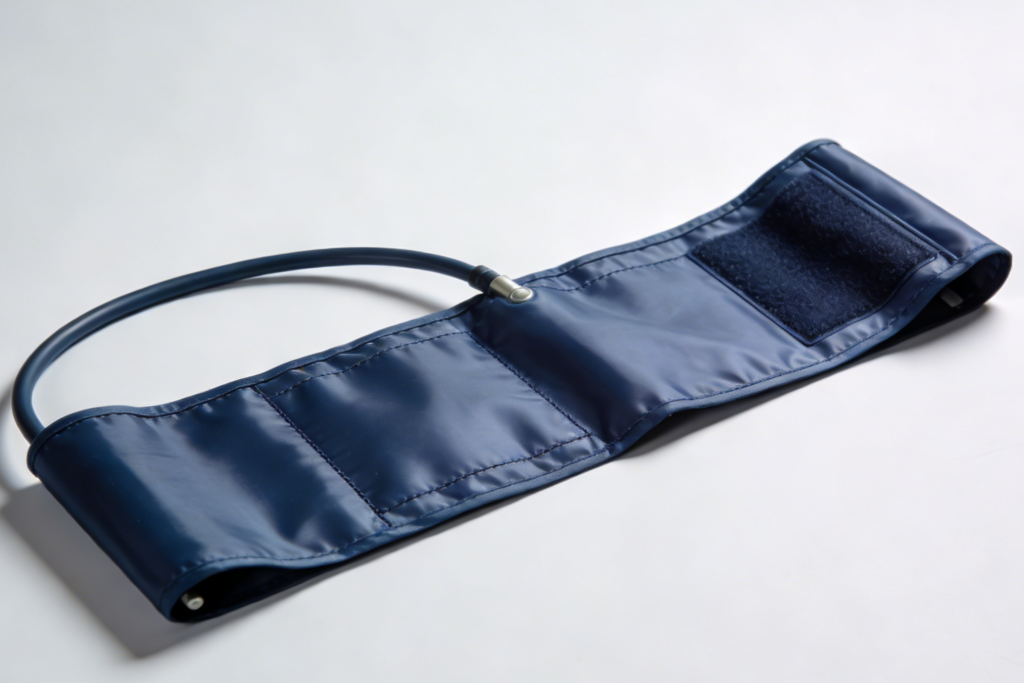
Pressurized healthcare devices demand reliable gas barrier properties and exceptional mechanical strength. High-frequency RF welding joins medical tpu fabrics into seamless air cells. These strong seals maintain welded air cell integrity during high-pressure cycles. Devices such as blood pressure cuffs, DVT compression sleeves, and orthopedic inflatable boots rely on this stable construction.

Medical applications extend beyond pneumatic chambers into critical fluid containment assemblies. Designers choose TPU coatings for demanding fluid transfer components due to high tear resistance.

  • Durability: Materials resist punctures during high-cycle inflation routines.
  • Fluid Resistance: Coatings shield inner structural layers against body fluids.
  • Hygiene Compliance: Smooth surfaces allow easy disinfection during routine hygiene protocols.

In clinical fluid delivery systems, specialized polymer coatings protect medical tubing structures. Advanced healthcare setups utilize TPU coatings in catheter lines and iv tubes. Flexible medical tubing maintains predictable fluid flow rates without kinking during patient transfers. Diverse healthcare applications benefit from this high-performance polymer technology across critical clinical environments.

RF Welding and Sterilization Processing

High-Frequency Sealing Compatibility

Radio frequency equipment generates internal thermal energy to melt polymer layers rapidly. This uniform heating creates robust, hermetic, and leak-proof seams for pneumatic bladders and fluid containers. Both tpu and pvc demonstrate strong compatibility with high-frequency sealing machinery. However, manufacturers prefer tpu for advanced applications requiring lighter weight, strong flexible joints, and high cold resistance.

Engineers must control specific material and equipment parameters during production cycles. Optimal bond strength depends on the following critical processing variables:

  • TPU chemistry and base polymer selection
  • Coating thickness across single or double-sided fabric layers
  • Textile base construction and thread density
  • Machine electrode design and generator settings
  • Surface cleanliness and uniform coating quality
  • Precise welding time during the heating cycle

Chemical Disinfectant and Gamma Resistance

Routine hospital cleaning procedures apply harsh chemical agents to patient care surfaces continuously. Healthcare workers routinely utilize disinfectant wipes containing active quaternary ammonium salts.

Wipes saturated with quaternary ammonium compounds clean effectively, but repeated application degrades many traditional plastics, leading to reduced equipment service life.

Advanced medical TPU coatings resist degradation from these aggressive chemical agents. The non-porous surface prevents cracking, peeling, or stickiness through repeated sanitation cycles.

Sterilization processes also subject flexible fabrics to extreme molecular stress. Engineers choose specialized medical polymers to maintain tensile strength after aggressive sanitation routines.

Material TypeCompatible Sterilization Methods
Medical-grade PU coatingsEthylene Oxide (EtO)
Gamma Radiation
E-beam Radiation

Furthermore, testing validates unique medical polyurethane alloys for STERRAD gas plasma sterilization up to 100 cycles. These resilient properties guarantee reliable material performance across demanding clinical workflows.

How to Choose PVC vs TPU for Medical Devices

Upfront Cost vs Total Value Analysis

Engineers evaluate initial purchasing budgets against long-term operational performance when analyzing how to choose pvc vs tpu for target components. Polyvinyl chloride provides clear cost-effectiveness for basic single-use medical applications. Short-term healthcare items like disposable oxygen masks and simple fluid containment bags utilize standard pvc layers to minimize immediate manufacturing expenses.

However, direct material costs represent only a small portion of total product lifecycle value. Advanced tpu coatings extend device service life significantly through high tensile strength, superior abrasion resistance, and excellent cold flexibility. This extended longevity reduces product replacement frequency, directly lowering overall environmental impact in busy hospital operations. Procurement managers increasingly choose high-durability fabrics to eliminate field failures, control long-term operational costs, and minimize environmental impact across modern care facilities.

Selection Framework for Engineers

Design teams utilize structured decision matrices to evaluate candidate polymers against rigorous healthcare criteria. Material engineers match physical properties directly to specific patient contact requirements, mechanical loads, and repeated sterilization workflows.

Selection CriterionTPU (Polyurethane)PVC(ポリ塩化ビニル)
Primary AdvantageHigh tensile strength, durability, and biocompatibilityCost-effectiveness and manufacturing versatility
代表的なアプリケーションVascular catheters, DVT sleeves, and pressure relief surfacesIV sets and oxygen masks for short-term clinical use
Sterilization CompatibilityCompatible with Gamma radiation, EtO, and Polyether TPU suits AutoclaveCompatible with Gamma radiation and EtO, unsuitable for high-heat Autoclave
Safety ProfileHigh biocompatibility with zero plasticizer leachingRisk of phthalate plasticizer leaching in standard formulations

Engineers specify high-grade polymers for demanding medical applications requiring continuous skin contact, fluid containment, or cyclic pneumatic inflation. High-performance coatings maintain predictable physical properties across thousands of dynamic expansion cycles. Furthermore, healthcare institutions advance organizational sustainability initiatives by adopting phthalate-free materials over unstable legacy formulations. Choosing advanced medical fabrics ensures compliance with strict biocompatibility standards while systematically reducing institutional environmental impact.


Engineers evaluate functional differences between tpu and pvc regarding chemical leaching, physical durability, and regulatory biocompatibility. Procurement teams select standard pvc for budget-driven, short-term disposable items. However, designers specify medical tpu fabrics for multi-cycle inflatables, direct skin contact, and long-term healthcare applications. Inherently plasticizer-free tpu delivers up to four times the physical strength of silicone, ensuring safe patient contact, chemical resistance, and reliable performance.

Medical devices manufacturers must thoroughly validate material specifications before full production. Engineering teams should request test welds, execute seal strength validation, and verify exact medical tpu fabrics lots to guarantee high-frequency seam integrity and leak-proof joint reliability.

  • …の違い

    エンジニアは、設計時にTPUとPVCの本質的な違いを評価します…

  • なぜより多くのメーカーが…

    成功する製品アップグレードはすべて、会話から始まります。そうではなく…

  • プロダクトマネージャーはどのように…

    TPUコーティングされたナイロン生地を選ぶ際には、しばしば…

  • プロジェクトに最適な材料についてご相談ください