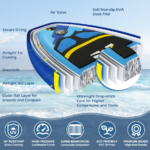


تفرض القوارب القابلة للنفخ ولوحات التجديف بوضعية الوقوف متطلبات مختلفة على نسيجها، رغم أن كلا المنتجين يعملان في البيئات المائية. قد يحتاج القارب القابل للنفخ إلى حمل ركاب ومعدات وأحمال إضافية مع مقاومة التلامس المتكرر مع الأرصفة والرمال والصخور والأسطح الأخرى. أما لوح SUP القابل للنفخ فيجب أن يحافظ على شكله تحت الضغط، ويدعم وزن الراكب، ويظل مستقراً أثناء الحركة على سطح الماء.
بالنسبة للمصنعين، يتطلب اختيار المادة المناسبة أكثر من مجرد التحقق مما إذا كان النسيج مقاوماً للماء أم لا. فالقاعدة النسيجية، TPU coating, وزن النسيج، وقوة الشد، ومقاومة التمزق، والاستقرار الأبعادي، وطريقة الوصل، كلها تؤثر على المنتج النهائي. فالمادة التي تعمل بشكل جيد لملحق قابل للنفخ خفيف الوزن قد لا توفر الدعم الهيكلي المطلوب للوح SUP عالي الضغط.
يتوفر نسيج TPU للقوارب القابلة للنفخ ولوحات SUP بتركيبات مختلفة، بما في ذلك النايلون المطلي، والبوليستر المطلي، ومواد الغرز المنسوجة. ولكل منها غرض مختلف. إن فهم كيفية عمل هذه التركيبات يساعد المصنعين على مطابقة المادة مع تصميم المنتج وعملية الإنتاج وظروف التشغيل المتوقعة.

ما الذي يجب مراعاته قبل اختيار نسيج القوارب القابلة للنفخ؟
يتعرض القارب القابل للنفخ لعدة أنواع من الإجهاد الميكانيكي أثناء التشغيل العادي. فقد يحتك الجزء السفلي بالشاطئ أو سطح الإنزال، بينما تتعرض الأنابيب الجانبية لضغط النفاخ والحركة على الماء. كما يمكن أن يؤثر وزن الركاب وأحمال المعدات والسحب والطي المتكرر على النسيج مع مرور الوقت.
لذلك يجب أن تفي المادة بعدة متطلبات في الوقت نفسه.
مقاومة قوى الشد والتمزق
يحتاج النسيج إلى تحمل القوى الناتجة عند نفخ القارب وتحميله. تشير قوة الشد إلى مقدار قوة الشد التي يمكن للمادة تحملها قبل الانكسار. أما مقاومة التمزق فتقيس مدى قدرتها على منع انتشار شق موجود أو نقطة تلف.
كلا الخاصيتين مهمتان، لكنهما تصفان حالات فشل مختلفة. فنسيج ذو قوة شد جيدة قد لا يزال يحتاج إلى تقييم دقيق إذا كانت مقاومته للتمزق غير كافية للتصميم المقصود.
تلعب القاعدة النسيجية دوراً مهماً هنا. تُعتبر أقمشة النايلون عالية القوة شائعة الاستخدام في الهياكل القابلة للنفخ بسبب خصائصها الميكانيكية ومرونتها. ومع ذلك، فإن الأداء النهائي يعتمد أيضاً على جودة الخيوط وكثافة النسج وبنية الطلاء وطريقة وصل الألواح.
مقاومة التآكل أثناء الاستخدام
تتلامس القوارب القابلة للنفخ بشكل متكرر مع الأسطح الخشنة. فقد يواجه الجانب السفلي الرمال والحصى ومنحدرات القوارب وحواف الأرصفة. كما يمكن أن تحتك الأنابيب الجانبية بقوارب أخرى أو بمعدات أثناء النقل والتخزين.
لذا تعد مقاومة التآكل عاملاً مهماً في الاختيار، خاصةً للمناطق التي تتعرض للتلامس المتكرر. ينبغي للمصنعين تقييم متانة سطح النسيج والنظر في تعزيز إضافي حيث يتركز التلامس.
قد يكون اختيار نسيج أساسي أثقل مناسباً للتطبيقات الصعبة، لكن وزن النسيج وحده لا يحدد أداء مقاومة التآكل. يجب أيضاً مراعاة سمك الطلاء وهيكل الخيوط وخصائص السطح.
الاستقرار الأبعادي تحت ضغط النفخ
يحتاج أنبوب القارب القابل للنفخ إلى الحفاظ على شكله المقصود بعد النفخ. ويمكن أن يؤثر التشوه الزائد للنسيج على مظهر القارب وقد يغير كيفية توزيع الأحمال عبر الهيكل.
يعتمد الاستقرار الأبعادي على التركيب النسيجي والطلاء واتجاه الألواح وتصميم الدرز وضغط التشغيل. ينبغي للمصنعين تقييم سلوك المادة تحت الضغط المحدد للمنتج النهائي بدلاً من الاعتماد فقط على عينة نسيج غير منفوخ.
مقاومة الماء والبيئة
التعرض للماء أمر لا مفر منه للمنتجات البحرية. يمكن لطبقة TPU المناسبة أن توفر حاجزاً ضد تسرب الماء عبر النسيج نفسه. ومع ذلك، يعتمد الأداء المقاوم للماء للمنتج النهائي أيضاً على الدرزات الملحومة والصمامات والتجهيزات ونقاط الاتصال الأخرى.
بالنسبة للقوارب المستخدمة في البيئات الساحلية، ينبغي أيضاً مراعاة مقاومة التعرض للمياه المالحة والشيخوخة الخارجية. إن تركيبة المادة ونتائج الاختبارات أكثر فائدة من الادعاءات العامة بأن النسيج مناسب لجميع الظروف البحرية.
هل نسيج النايلون المطلي بـ TPU خيار جيد للقوارب القابلة للنفخ؟
يجمع نسيج النايلون المطلي بـ TPU بين قاعدة نايلون منسوجة وطبقة طلاء من البولي يوريثان اللدن بالحرارة. توفر قاعدة النايلون البنية النسيجية، بينما تساهم طبقة TPU في مقاومة الماء ويمكنها دعم بنية محكمة الإغلاق عندما يتم تصميم النسيج وعملية الوصل بشكل صحيح.
يجعل هذا المزيج نسيج النايلون المطلي بـ TPU جديراً بالنظر للقوارب القابلة للنفخ، خاصةً حيث يحتاج المصنعون إلى تحقيق توازن بين القوة الميكانيكية والمرونة والوزن المعقول.
لماذا يُستخدم النايلون كنسيج أساسي
يُقدَّر النايلون في النسيج التقني لخصائصه المتمثلة في القوة إلى الوزن والمرونة. توفر بنيته المنسوجة مقاومة للشد والتمزق، بينما تسمح للمادة بالانحناء والطي أثناء المناولة.
بالنسبة لمصنعي القوارب القابلة للنفخ، تعتبر هذه الخصائص ذات صلة ببناء الأنابيب والألواح الجانبية والمكونات الأخرى التي تتعرض لإجهاد ميكانيكي متكرر.
تتوفر تركيبات مختلفة من درجة الخيوط لتلبية متطلبات المنتجات المختلفة. على سبيل المثال، تمثل أقمشة النايلون 210D و420D و840D كثافات خطية مختلفة للخيوط. ولا ينبغي التعامل معها كدرجات أداء مباشرة لأن قوة النسيج النهائي تعتمد أيضاً على بنية النسج وخصائص الخيوط والطلاء والمعالجة.
ما يساهم به طلاء TPU
توفر طبقة TPU سطحاً مطلياً متواصلاً عند تصنيعها وفق المواصفات المطلوبة. واعتماداً على التركيبة والبناء، يمكن أن توفر:
- مقاومة الماء للتطبيقات البحرية.
- المرونة أثناء الطي والمناولة.
- سطحاً مناسباً لعمليات الوصل الحرارية المتوافقة.
- أداء محكم الإغلاق المحتمل عندما يتم هندسة المادة والدرزات بشكل صحيح.
- خيارات لسمك الطلاء وتركيبات النسيج المختلفة.
غالباً ما يُنظر إلى TPU البولي إيثر للتطبيقات التي تنطوي على تعرض طويل للرطوبة بسبب مقاومته للتحلل المائي. وهذا قد يكون ذا صلة بالمنتجات القابلة للنفخ المستخدمة في البيئات الرطبة. ومع ذلك، ينبغي تأكيد الأداء الفعلي من خلال البيانات الفنية للمورد واختبارات الشيخوخة المناسبة.
لماذا يهم التركيب الكامل
لا ينبغي اختيار النسيج بناءً على نوع الطلاء وحده. فمادتان توصفان بأنهما نايلون مطلي بـ TPU قد تختلفان في السمك والوزن وتماسك الطلاء وقوة الشد وسلوك اللحام.
ينبغي للمصنعين طلب ورقة البيانات الفنية للتركيب الدقيق قيد النظر. وإذا كان المنتج سيعمل عند ضغط نفخ محدد، فيجب أن تعكس اختبارات العينات أيضاً الضغط المقصود وتصميم الألواح النهائي.
كيف تقارن بين نسيج النايلون المطلي بـ TPU بدرجة 210D و420D و840D؟
الدرجة هي مقياس لكثافة الخيوط الخطية. يشير الرقم الأعلى للدرجة إلى خيط أثقل، لكن ذلك لا يعني تلقائياً أن النسيج النهائي سيكون أقوى في كل الاتجاهات أو أكثر ملاءمة لكل تطبيق.
عند مقارنة نسيج النايلون المطلي بـ TPU بدرجات 210D و420D و840D، ينبغي للمصنعين الاطلاع على مواصفات النسيج الكامل ومتطلبات القارب النهائي.
نايلون مطلي بـ TPU بسماكة 210D
يمكن النظر في تركيبة 210D حيث يكون وزن المادة المنخفض والمرونة مهمة. وقد تكون مناسبة لبعض المكونات القابلة للنفخ خفيفة الوزن أو للمنتجات ذات المتطلبات الميكانيكية المعتدلة.
أما بالنسبة للقارب القابل للنفخ الكامل، فيحتاج المصنعون إلى التحقق مما إذا كانت تركيبة 210D المختارة تستطيع تحمل ضغط التشغيل المقصود وحمل الركاب وظروف المناولة والتعرض للتآكل. ولا ينبغي اختيارها لمجرد أنها أسهل في الطي أو أقل تكلفة.
نسيج النايلون المطلي بـ TPU بمواصفات 420D
توفر بنية 420D خيارًا آخر للمصنعين الذين يوازنون بين وزن القماش والمتطلبات الميكانيكية. يمكن تقييمها لاستخدامها في هياكل القوارب القابلة للنفخ ذات الأغراض العامة والمنتجات البحرية التي تتطلب قاعدة نسيجية أكثر متانة من البنى الخفيفة.
ينبغي أن يأخذ القرار النهائي في الاعتبار نتائج اختبارات الشد والتمزق، وتماسك الطلاء، والسُمك، وأداء الوصلات الملحومة. توفر هذه التفاصيل أساسًا مقارنة أكثر موثوقية من مجرد النظر إلى عدد الدنانير.
نسيج النايلون المطلي بـ TPU بمواصفات 840D
قد يكون من المجدي تقييم بنية 840D للتطبيقات ذات المتطلبات الميكانيكية الأكثر صرامة. إذ يمكن لبناء الخيوط الأثقل أن يوفر أساسًا إنشائيًا مختلفًا، على الرغم من أن الأداء النهائي يظل يعتمد على نوع النسج والطلاء المستخدمين.
يجب على المصنعين أيضًا مراعاة الوزن الإضافي وخصائص المناولة. فقد يؤثر القماش الأثقل على عمليات الطي والنقل وكفاءة الإنتاج. وهو ليس بالضرورة الخيار الأمثل لكل مكون من مكونات القارب القابل للنفخ.
طريقة عملية للمقارنة
Instead of choosing a fabric by denier alone, manufacturers can compare several specifications side by side:
- Fabric weight in g/m².
- Total thickness and TPU coating thickness.
- Tensile strength in both fabric directions.
- Tear resistance.
- Coating adhesion.
- Abrasion performance.
- Hydrolysis resistance where relevant.
- Welding compatibility and seam strength.
The required values depend on the boat design and applicable product requirements. A supplier should provide verified specifications for the actual material rather than general figures taken from another construction.
What Makes TPU Drop-Stitch Fabric Different for SUP Boards?
SUP boards have a different structural design from conventional inflatable boat tubes. Many inflatable SUP boards use drop-stitch construction, in which thousands of connecting yarns join the upper and lower fabric layers. When the board is inflated, these yarns help maintain the distance between the two surfaces and create a relatively flat, rigid platform.
TPU drop-stitch fabric is developed for this type of structure. It should not be treated as an ordinary TPU coated textile because its internal yarn arrangement is a defining part of its performance.
How the drop-stitch structure works
A typical drop-stitch construction contains two fabric layers connected by numerous internal yarns. When the chamber is inflated, internal pressure pushes the two outer layers apart. The connecting yarns resist this separation and help control the board’s thickness and shape.
The construction is important because an inflatable SUP board needs more than air retention. It must also maintain its dimensions under the rider’s weight and during movement across the water.
The number, arrangement, material, and strength of the connecting yarns all influence the final structure. The outer fabric layers and TPU coating also need to work with the internal yarn system.
Why dimensional stability matters
If the upper and lower surfaces deform excessively under pressure, the board may lose its intended shape. This can affect stiffness, balance, and the rider’s experience.
A suitable TPU drop-stitch construction should therefore be evaluated for dimensional stability under the specified inflation pressure. The finished board needs testing because fabric specifications alone cannot establish how the complete structure will perform.
The role of TPU coating
The TPU coating contributes to the protective and functional properties of the fabric layers. Depending on the material design, it can support water resistance, airtight construction, and compatible welding processes.
For manufacturers, the key question is whether the coating, base fabric, and internal drop-stitch yarn system have been designed to work together. A standard TPU coated nylon fabric cannot replace a properly engineered drop-stitch construction in a high-pressure SUP board.
How Do You Choose Between TPU Coated Nylon and TPU Drop-Stitch Fabric?
These two material types are used for different structural purposes. TPU coated nylon is a textile material that can be used in inflatable boat tubes, chambers, and other coated fabric components. TPU drop-stitch fabric is designed around a specific internal structure that helps maintain the thickness and shape of an inflatable board or platform.
The choice depends on the product design rather than a simple ranking of material strength.
| عامل الاختيار | TPU coated nylon | TPU drop-stitch fabric |
|---|---|---|
| Main construction | Coated woven textile | Two outer layers connected by internal yarns |
| Typical role | Inflatable boat tubes and chambers | Inflatable SUP boards and rigid-style platforms |
| Key requirement | Strength, flexibility, and air retention | الاستقرار الأبعادي تحت ضغط النفخ |
| Material evaluation | Base fabric, coating, and seams | Outer layers, connecting yarns, coating, and structure |
| Manufacturing focus | Panel cutting and compatible joining | Drop-stitch construction and sealing process |
For an inflatable boat, the main fabric selection may focus on the tube’s mechanical requirements and resistance to handling damage. For an inflatable SUP board, the internal drop-stitch structure is central to the product’s shape and stiffness.
Some water sports products may combine different fabric constructions in one design. Manufacturers can use a heavier coated textile in areas that need additional reinforcement while using a specialized drop-stitch material for the main board structure. The exact arrangement depends on the product architecture and production method.
Which TPU Fabric Properties Matter in Marine Environments?
Water sports equipment is exposed to more than water alone. Saltwater, sunlight, temperature changes, repeated folding, and long periods of storage can affect the material.
A suitable TPU fabric for water sports should be evaluated against the actual environmental conditions in which the finished product will operate.
مقاومة التحلل المائي
Hydrolysis is the chemical breakdown of polymer chains through reaction with water. It can affect certain polyurethane materials, particularly under prolonged exposure to moisture and elevated temperatures.
Polyether-based TPU is commonly considered for applications where hydrolysis resistance is important. This makes it a relevant option for marine and inflatable products that experience frequent water exposure.
However, hydrolysis resistance should be confirmed through appropriate test information. The TPU formulation, coating construction, temperature, and exposure time all influence the result.
Saltwater and chemical exposure
Marine equipment may come into contact with seawater, cleaning agents, oils, sunscreen, and other substances. The effect depends on the chemical involved, its concentration, contact duration, and the specific TPU formulation.
Manufacturers should identify the substances likely to contact the finished product and request compatibility information where necessary. A general statement about marine suitability is not a substitute for testing under relevant conditions.
UV and outdoor aging
Inflatable boats and SUP boards are often stored or used outdoors. Sunlight can gradually affect polymer materials, coatings, and colors.
UV resistance varies by TPU formulation and any stabilizing additives used during production. Manufacturers planning products for extended outdoor exposure should request supporting test data and consider accelerated aging evaluations.
Color retention also deserves attention. Changes in appearance may be especially noticeable on brightly colored marine equipment.
مرونة في درجات الحرارة المنخفضة
Some water sports products are used in cool weather or stored in environments where temperatures fluctuate. A material that becomes excessively stiff may be more difficult to fold and handle.
Manufacturers should check the specified temperature range and evaluate flexibility under relevant conditions. The actual performance depends on the TPU grade and textile construction, not simply the product name.
How Does High-Frequency Welding Affect Inflatable Boat Fabric Performance?
Joining technology has a direct influence on the reliability of inflatable products. Even when the main fabric has suitable mechanical properties, weak seams can become a failure point under pressure or repeated handling.
High-frequency welding is one joining method used with compatible TPU coated materials. It uses electromagnetic energy to generate heat in suitable thermoplastic layers, allowing the material surfaces to bond under controlled pressure.
Material compatibility comes first
Not every coated fabric has the same welding behavior. TPU formulation, coating thickness, substrate, surface condition, and laminate construction can affect the welding process.
Before mass production, manufacturers should confirm that the selected TPU coated nylon is compatible with the available welding equipment. Sample trials help establish an appropriate processing window.
Welding parameters need to remain consistent
Temperature, pressure, processing time, electrode design, and material positioning all affect seam quality. Incorrect settings can result in incomplete bonding, uneven seams, or damage to the coating.
A production team should establish process parameters for the exact fabric construction and monitor consistency during manufacturing. Parameters developed for one TPU material should not automatically be transferred to another.
Seam strength and air retention require finished-product testing
A welded seam may look uniform but still require mechanical and leakage testing. Manufacturers should evaluate seam strength and inspect the finished inflatable structure under its intended operating conditions.
Testing should include areas around valves, corners, panel intersections, and reinforced sections. These locations may experience different stress levels from the main body of the product.
What Tests Should Manufacturers Request from a TPU Fabric Supplier?
A technical data sheet is a useful starting point when comparing TPU fabric suppliers. It provides information about the material construction and measured performance. However, manufacturers should also consider whether the listed tests match the requirements of the finished product.
The following items are particularly relevant to inflatable boats and SUP boards:
Tensile strength and elongation
Tensile testing measures resistance to pulling forces, while elongation indicates how much the material stretches before breaking. Both values help manufacturers assess how the textile may behave under load.
مقاومة التمزق
Tear testing helps evaluate how the material responds when a cut or damaged point is subjected to further force. This is important for products exposed to rough handling or contact with hard surfaces.
تماسك الطلاء
The coating must remain bonded to the textile substrate. Poor adhesion may lead to separation during folding, handling, or environmental exposure.
Hydrolysis and aging tests
For marine products, testing after moisture exposure and relevant aging conditions can help assess whether the coating maintains its properties over time.
Welding and seam tests
The supplier’s material should be evaluated using the manufacturer’s actual production process. Seam strength and air retention should be checked on finished samples, not inferred from the fabric’s original specifications.
Dimensional and pressure testing
For inflatable SUP boards, the complete drop-stitch structure should be tested at the intended pressure and under representative loads. For inflatable boats, testing should reflect the design pressure, loading conditions, and relevant product safety requirements.
No single fabric test can establish the safety or service life of a finished boat or SUP board. Material data, production controls, structural design, and finished-product testing need to be considered together.
How Should You Evaluate an Inflatable Boat Fabric Supplier?
A supplier’s ability to provide the right material consistently is as important as the initial sample. Manufacturers may need several fabric weights, different coating constructions, customized colors, or specific joining characteristics for one product range.
Several points are worth confirming before placing a production order.
Ask for the exact fabric construction
Request the base fabric type, denier, weave information, coating type, thickness, and total weight. If the application requires polyether TPU, confirm the formulation rather than relying on a general TPU product description.
Review technical data before comparing prices
Two fabrics with similar weight may have different tensile strength, tear resistance, coating adhesion, and welding characteristics. Comparing prices without checking these details can lead to an unsuitable material choice.
Request samples for production trials
A sample should be tested using the same cutting, welding, and assembly process planned for mass production. This is particularly important for high-frequency welding, where small construction differences can affect the processing window.
Discuss customization requirements
Inflatable boat and SUP board manufacturers may require specific fabric weights, coating thicknesses, colors, and roll widths. These requirements should be confirmed before production planning begins.
Check batch consistency and supply arrangements
A material approved during prototype development should remain consistent in subsequent orders. Manufacturers should establish clear specifications and incoming inspection procedures to reduce the risk of differences between production batches.
Choosing the Right TPU Fabric for Your Next Water Sports Product
The right TPU fabric depends on the structure and operating conditions of the finished product. Inflatable boat manufacturers may prioritize tensile strength, tear resistance, abrasion performance, and reliable welded seams. SUP board manufacturers need to pay close attention to drop-stitch construction, dimensional stability, and performance under inflation pressure.
TPU coated 210D, 420D, and 840D nylon fabrics offer different construction options for marine and inflatable applications. TPU drop-stitch fabric serves a more specialized role in inflatable boards and platforms. Comparing these materials requires more than looking at denier or fabric weight; coating properties, textile structure, processing compatibility, and test results all matter.
Xianglong Polymer Fabric provides TPU coated nylon and polyester fabrics, along with specialized TPU drop-stitch materials for technical inflatable applications. Manufacturers can discuss their required substrate, fabric weight, coating construction, and performance specifications when evaluating material options for inflatable boats, SUP boards, and other water sports products.
A well-matched fabric construction gives the production team a more reliable starting point. Final performance still depends on the complete product design, manufacturing process, and verification under the conditions the equipment is expected to face.