







تبدأ كل عملية ترقية ناجحة لمنتج بمحادثة.
ليست محادثة حول البوليمرات أو سماكة الطلاء أو قوة الشد.
عادةً ما تبدأ بوضع مدير المنتج عينة على طاولة الاجتماع وطرح سؤال بسيط:
“إذا كنا نطور هذا المنتج اليوم بدلاً من قبل خمس سنوات، هل كنا سنختار المادة نفسها؟”
نادراً ما تصل الغرفة إلى إجابة فورية.
الفِرق الهندسية تفكّر في الأداء. فِرق المشتريات تستعرض تكاليف المواد. مهندسو التصنيع ينظرون إلى كفاءة الإنتاج. فِرق المبيعات تجلب ملاحظات العملاء من السوق، بينما يركّز مديرو الجودة على الموثوقية وسجلات الضمان.
ما يبدو وكأنه نقاش بسيط حول المواد يصبح سريعاً محادثة أوسع حول مستقبل المنتج نفسه.
هذا هو بالضبط السبب الذي يجعل المزيد من المصنعين يراجعون دور الأقمشة المغلفة بالـ PVC في محافظات منتجاتهم.
لقد خدم الـ PVC عشرات الصناعات لعقود. ولا يزال حلاً عملياً للعديد من التطبيقات لأنه اقتصادي، ومعروف لدى المصنعين ومدعوم بعمليات إنتاج ناضجة. لا يوجد شيء خاطئ بطبيعته في الـ PVC، وبالنسبة لبعض المنتجات، يظل الخيار الأنسب.
مع ذلك، فإن الأسواق تتطور أسرع من المواد.
تتوقع العلامات التجارية الخارجية الآن معدات أخف دون التضحية بالمتانة. مصنعو الأجهزة الطبية يولون اهتماماً أكبر بالنظافة وراحة المرضى وعمر المنتج. الزبائن الصناعيون يطيلون فترات الصيانة لتقليل تكاليف التشغيل. العلامات التجارية العالمية تُدخل أهدافاً بيئية تؤثر على تخطيط المنتجات المستقبلية، بينما يتلقى الموزعون بشكل متزايد طلبات لبدائل خالية من الـ PVC في أسواق معينة.
في ظل هذه الظروف، لم يعد المصنعون يسألون ما إذا كان TPU أفضل تقنياً.
بل يطرحون سؤالاً أكثر عملية.
هل سيساعدنا استبدال الـ PVC في صنع منتج أكثر تنافسية خلال السنوات الخمس المقبلة؟
هذا السؤال يغيّر اتجاه النقاش بأكمله.
بدلاً من مقارنة مادتين سطرًا بسطر، تبدأ فِرق المنتجات في تقييم توقعات العملاء، والقدرة التصنيعية، ووضع المنتج، والقيمة التجارية طويلة الأجل.
من وجهة نظر مدير المنتج، هنا يصبح اختيار المادة مثيراً للاهتمام.
الهدف ليس اختيار أحدث مادة.
الهدف هو اختيار المادة التي تساعد المنتج على النجاح.
كل قرار بشأن المادة يبدأ قبل وقت طويل من مقارنة المهندسين للمواصفات
يتصور العديد من المشترين أن اختيار المادة يبدأ داخل قسم الهندسة.
في الواقع، غالباً ما تكون الهندسة مستجيبة لقرارات تم اتخاذها بالفعل.
قبل وقت طويل من تحديث الرسومات الفنية، عادةً ما يكون مديرو المنتجات قد أمضوا أسابيع في جمع المعلومات من الموزعين والعملاء الرئيسيين ومندوبي المبيعات وفرق خدمة ما بعد البيع.
غالباً ما تكشف هذه المحادثات عن مشكلات لا تظهرها الاختبارات المخبرية أبداً.
قد لا يشتكي العملاء من قوة الشد.
بل يشكون من أن المنتج القابل للنفخ يبدو أثقل من النماذج المنافسة.
يلاحظون أن الطي المتكرر يصبح صعباً بعد الاستخدام طويل الأمد.
يتوقعون أن تعمل المعدات في بيئات أبرد من ذي قبل.
يسألون ما إذا كان بإمكان المنتج دعم أهداف الاستدامة لشركتهم بشكل أفضل.
لا يمكن الإجابة على أي من هذه الأسئلة بمجرد قراءة بطاقة بيانات المادة.
إنها تتطلب رؤية أوسع لتطوير المنتج.
يتم تقييم المنتج، وليس القماش
أحد الأخطاء الشائعة أثناء مناقشات المواد هو التعامل مع اختيار القماش كمهمة هندسية منعزلة.
يتعامل مديرو المنتجات ذوو الخبرة مع المسألة بشكل مختلف.
نادراً ما يسألون:
“أي مادة أداء أفضل؟”
بدلًا من ذلك، يسألون:
“أي مادة تساعد هذا المنتج على تقديم قيمة أكبر للعميل المستهدف؟”
غالباً ما تؤدي هذان السؤالان إلى قرارات مختلفة تماماً.
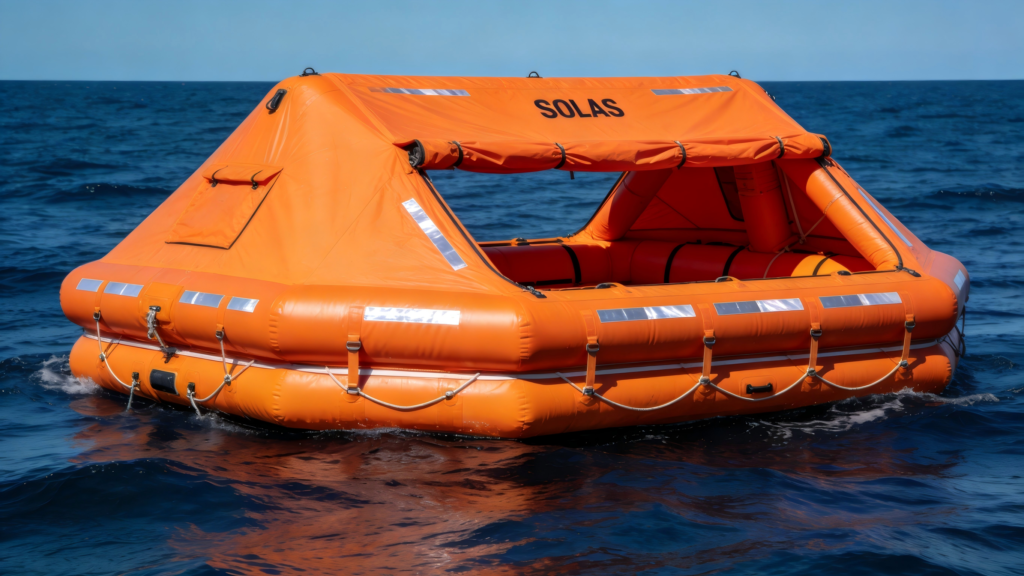
تخيل شركة تطور نقالة إنقاذ قابلة للنفخ جديدة.
قد يركز الفريق الهندسي في البداية على القوة والأداء المحكم.
قد يبلغ فريق المبيعات أن منظمات الاستجابة للطوارئ تطلب معدات أخف لأن طواقم الإنقاذ تحمل بالفعل أحمالاً كبيرة.
قد يشير قسم التصنيع إلى أن تغيير المواد قد يتطلب تعديلات في معلمات اللحام.
قد تحدد المشتريات اختلافات في توفر الموردين.
في هذه المرحلة، لم تعد المحادثة تدور حول الـ PVC أو TPU.
إنها تدور حول تحقيق التوازن بين توقعات العملاء وواقع التصنيع والأهداف التجارية.
يصبح اختيار المادة مجرد جزء واحد من تلك العملية.
ملاحظة مدير المنتج
نادراً ما يتم إنشاء منتج ناجح باختيار المادة الأقوى. بل يتم إنشاؤه باختيار المادة التي تدعم بشكل أفضل غرض المنتج وعملية التصنيع ووضعه في السوق في الوقت ذاته.
تكلفة المادة تخبر فقط جزءاً من القصة
تظهر جملة واحدة في كل نقاش تقريبًا حول TPU.
“تكلفة TPU أعلى من تكلفة PVC”.”
على الورق، هذه العبارة صحيحة بشكل عام.
في الواقع، يعرف مديرو المنتجات أن ذلك ليس سوى بداية الحساب.
تمثل تكلفة المواد الخام رقمًا واحدًا ضمن نموذج مالي أكبر بكثير.
كل قرار يتم اتخاذه أثناء تطوير المنتج يستمر في خلق تكاليف—أو وفورات—بعد انتهاء الإنتاج بفترة طويلة.
النظر إلى ما وراء أمر الشراء
تؤثر القماش المغلف بأكثر مما يشمل ميزانية المشتريات فقط.
كما أنه يؤثر على:
- كفاءة الإنتاج
- اتساق اللحام
- أبعاد التعبئة والتغليف
- وزن الشحن
- متانة المنتج
- وتيرة الضمان
- رضا العملاء
- سمعة العلامة التجارية
قد لا تظهر هذه العوامل في عرض الأسعار الذي يقدمه مورد المواد، لكنها تؤثر على الأداء التجاري الكامل للمنتج النهائي.
بالنسبة للمصنعين العاملين في أسواق تنافسية، غالبًا ما تستحق هذه التكاليف الخفية اهتمامًا أكبر من سعر المادة الخام نفسه.
اجتماع تطوير غيّر اتجاه المشروع
قبل عدة سنوات، واجه فريق منتج يراجع منتجًا هوائيًا للاستخدام الخارجي تحديًا مألوفًا.
أرادت المبيعات منتجًا أخف وزنًا لأن العلامات التجارية المنافسة طرحت معدات أسهل حملًا.
فضلت المشتريات الإبقاء على بنية PVC الحالية لأنها حافظت على تكلفة التصنيع المستهدفة.
رأى المهندسون أن كلا الخيارين يمكن أن يلبي المتطلبات الفنية.
في البداية، ركز النقاش بالكامل على أسعار المواد.
جاءت نقطة التحول عندما قدم خدمة العملاء بيانات الضمان.
معظم المنتجات التي أُعيدت لم تفشل بسبب نقص متانة القماش.
اشتكى العملاء من أن المنتجات أصبحت قاسية بعد الاستخدام المطول في الخارج، مما جعل من الصعب طيها وتخزينها.
المشكلة لم تكن فشلًا هيكليًا.
بل كانت تجربة المستخدم.
هذه الملاحظة الواحدة غيرت المشروع.
توقف الفريق عن السؤال عن كيفية خفض تكلفة المواد.
بدلاً من ذلك، بدأوا يتساءلون عن كيفية تحسين المنتج طوال فترة استخدامه.
تم الموافقة في النهاية على استبدال PVC بـ TPU، ليس لأن TPU بدا أفضل في ورقة المواصفات، بل لأنه دعم أهداف التطوير الجديدة للمنتج.
أصبح هذا النوع من القرارات شائعًا بشكل متزايد في مختلف الصناعات.
يبدأ النقاش بالمواد.
ويختتم باستراتيجية المنتج.
توقعات العملاء تعيد تشكيل تطوير المنتجات
نادرًا ما تبدأ ترقيات المواد من قبل موردي المواد.
في كثير من الأحيان، تكون مدفوعة من قبل العملاء.
كل عام، يتلقى مديرو المنتجات ملاحظات من الموزعين وشركاء OEM والمستخدمين النهائيين. بعض الطلبات واضحة، بينما يكشف البعض الآخر عن تغييرات أوسع في توقعات السوق.
لم يعد العملاء يقارنون المنتجات بناءً على السعر فقط. بل يقارنون الوزن والمتانة وسهولة الصيانة والوضع البيئي وتكاليف الملكية على المدى الطويل. في العديد من الصناعات، أصبحت هذه العوامل أسبابًا قوية لإعادة النظر في الخيارات التقليدية للمواد.
غالبًا ما يكون استبدال PVC بـ TPU نتيجة لهذه التوقعات المتغيرة وليس استجابة لقيد تقني واحد.
المعدات الخارجية: كل غرام يهم
تقدم صناعة الأنشطة الخارجية أحد أوضح الأمثلة على هذا التحول.
قبل عشر سنوات، كانت الأداء المقاوم للماء كافيًا في كثير من الأحيان لإرضاء معظم المشترين.
اليوم، يتوقع المتجولون والمتسابقون والمخيمون ذوو الخبرة أكثر بكثير.
من المتوقع أن تتحول الحقيبة الجافة إلى مساحة أصغر داخل حقيبة ظهر. يجب أن تكون حصيرة النوم الهوائية أخف وزنًا دون التضحية بالموثوقية. يحتاج خزان الترطيب إلى أن يظل مرنًا في الطقس البارد مع الحفاظ على سطح داخلي نظيف ومناسب لشرب المياه.
قد يبدو كل تحسين صغيرًا نسبيًا عند النظر إليه بشكل مستقل.
لكن معًا، فإنها تؤثر بشكل كبير على تجربة المستخدم الكلية.
لهذا السبب، تراجع العديد من العلامات التجارية للمنتجات الخارجية المواد خلال كل تحديث رئيسي للمنتج بدلاً من مجرد نقل المواصفات السابقة إلى الجيل التالي.
المنتجات الطبية تتطلب اتساقًا، وليس أداءً عرضيًا
التطبيقات الطبية تطرح تحديًا مختلفًا تمامًا.
المستشفيات لا تبحث عن أقوى قماش مغلف متاح.
إنهم بحاجة إلى منتجات تعمل بشكل متسق عبر آلاف دورات التشغيل.
بالنسبة للفراشات المخففة للضغط وأجهزة التثبيت القابلة للنفخ ومعدات إعادة التأهيل، فإن الأداء المحكم الموثوق وجودة اللحام المستقرة والأسطح التي تتحمل التنظيف المتكرر غالبًا ما تكون أكثر قيمة من تحقيق أعلى قوة ميكانيكية.
من منظور مدير المنتج، فإن الاتساق يقلل المخاطر.
المنتجات الموثوقة تقلل من مكالمات الخدمة، وتبسط تخطيط الصيانة، وتقوي الثقة بين مقدمي الرعاية الصحية.
لذلك، يصبح اختيار المادة جزءًا من استراتيجية شاملة للجودة بدلاً من كونه قرارًا هندسيًا معزولًا.
المنتجات الصناعية تقاس بالوقت الضائع
العملاء الصناعيون يقيّمون المنتجات بشكل مختلف مرة أخرى.
من المتوقع أن تبقى خزانات التخزين المرنة أو المثانات الصناعية في الخدمة لسنوات. كل إصلاح غير متوقع يوقف العمليات، ويزيد من تكاليف الصيانة، ويؤثر على جداول الإنتاج.
خلال مناقشات المشروع، نادرًا ما يسأل العملاء الصناعيون:
“أي بوليمر تستخدمون؟”
بدلًا من ذلك، يسألون:
“كم سيستمر هذا المنتج؟”
“ماذا يحدث إذا استُخدم في الخارج طوال العام؟”
“كم مرة سيحتاج إلى صيانة؟”
هذه الأسئلة تحوّل الحديث بعيدًا عن مواصفات المادة نحو القيمة التشغيلية طويلة الأجل.
بالنسبة للمصنعين، هنا يدخل TPU غالبًا في النقاش—ليس لأنه يحل محل PVC في كل تطبيق، بل لأنه قد يدعم بشكل أفضل المنتجات المصممة لبيئات خدمة صعبة.
مفهوم خاطئ شائع
كثير من الناس يفترضون أن القرار هو ببساطة “PVC مقابل TPU”.”
مديرو المنتجات نادرًا ما يتناولون المشاريع بهذه الطريقة.
قرارهم الحقيقي هو ما إذا كان المنتج الحالي لا يزال يلائم السوق. إذا تغيرت توقعات العملاء، فقد تحتاج المادة أيضًا إلى التغيير. إذا كان المنتج يؤدي بالفعل بالضبط كما هو مطلوب، فإن تغيير المواد لمجرد وجود خيار أحدث قد يخلق تكاليف غير ضرورية دون تقديم قيمة إضافية.
استبدال PVC يغير أكثر من الأداء البيئي
المسؤولية البيئية هي أحد الأسباب الأكثر وضوحًا التي تجعل المصنعين يقيّمون TPU، لكنها نادرًا ما تكون السبب الوحيد الذي يتم مناقشته أثناء تخطيط المنتج.
معظم اجتماعات التطوير سرعان ما تتجاوز الاستدامة وتركز على كيفية تأثير المادة على المنتج بأكمله.
تغيير القماش المغلف يمكن أن يؤثر على التصميم والإنتاج واللوجستيات وحتى التسويق.
وزن المنتج يؤثر على أكثر من النقل
غالبًا ما يُنظر إلى تقليل الوزن على أنه فائدة للعملاء، لكن مديرى المنتجات يفهمون أن الفوائد تمتد إلى أبعد من ذلك بكثير.
المنتجات الأخف وزنًا يمكن أن تقلل من تكاليف الشحن الدولي، وتبسط التعامل في المستودعات، وتحسن كفاءة التعبئة والتغليف. بالنسبة للمنتجات المباعة عبر التجارة الإلكترونية أو شبكات التوزيع العالمية، تتراكم هذه الوفرة عبر سلسلة الإمداد.
العميل يلاحظ منتجًا أخف وزنًا.
المصنع يستفيد أيضًا من انخفاض تكاليف اللوجستيات.
فرق التصنيع تقيّم استقرار العملية
استبدال PVC بـ TPU ليس مجرد قرار شراء.
مهندسو التصنيع يبدأون فورًا في تقييم كيف يؤثر التغيير على الإنتاج.
تشمل الأسئلة عادةً:
- هل تحتاج معدات اللحام الحالية إلى إعدادات عملية جديدة؟
- هل ستظل سرعة الإنتاج ثابتة؟
- هل معايير فحص الجودة الحالية لا تزال مناسبة؟
- هل تتصرف المادة بشكل مختلف أثناء اللحام عالي التردد أو الحرارة؟
- هل سيحتاج المشغلون إلى تدريب إضافي على العملية؟
الترقية الناجحة للمادة تحسّن المنتج النهائي دون خلق تعقيدات إنتاجية غير ضرورية.
هذا التوازن هو أحد الأسباب التي تجعل مديري المنتجات ذوي الخبرة يشركون فرق التصنيع مبكرًا بدلاً من الانتظار حتى يبدأ إنتاج النماذج الأولية.
تصميم المنتج يصبح أكثر مرونة
اختيار المادة يؤثر أيضًا على كيفية توجه المصممين نحو تطوير المنتجات المستقبلية.
المرونة الأكبر قد تسمح للمنتجات بالطي بشكل أصغر حجمًا.
توافق اللحام المحسن قد يدعم هياكل محكمة أكثر تعقيدًا.
الأقمشة الأساسية المختلفة قد تتيح فرصًا لتقليل الوزن مع الحفاظ على الأداء الميكانيكي المطلوب.
بعبارة أخرى، استبدال PVC بـ TPU يمكن أن يوسع إمكانيات التصميم بدلاً من مجرد تغيير خصائص المادة.
مدراء المنتجات يطرحون أسئلة مختلفة عن المهندسين
تُركّز فرق الهندسة بطبيعتها على الأداء القابل للقياس.
يركّز مديرو المنتجات على النجاح التجاري.
كلا المنظورين أساسيان، لكنهما يؤديان إلى محادثات مختلفة.
قد يسأل المهندسون:
- هل تلبي هذه المادة متطلبات قوة الشد المطلوبة؟
- هل ستنجح في اختبار الضغط؟
- هل يمكنها تحقيق قوة التماس المطلوبة؟
غالبًا ما يبدأ مديرو المنتجات من مكان آخر:
- هل سيلاحظ العملاء التحسين؟
- هل تقوّي هذه الترقية موقفنا في السوق؟
- هل يمكن تبرير تكلفة المادة الإضافية؟
- هل سيقلل هذا من مطالبات الضمان؟
- هل يدعم هذا الجيل القادم من المنتج بدلاً من حل مشكلة اليوم فقط؟
نادرًا ما يكون هناك إجابة واحدة صحيحة.
كل مشروع يتضمن حلولًا وسطى.
قد يؤدي اختيار TPU بدلًا من PVC إلى تحسين المرونة لكنه يزيد من تكلفة المواد.
قد يؤدي الاحتفاظ بـ PVC إلى خفض نفقات التصنيع لكنه يحد من وضع المنتج المستقبلي في الأسواق التي تطلب حلولًا خالية من PVC.
الهدف ليس أبدًا إثبات أن مادة واحدة أفضل بشكل عام.
الهدف هو تحديد المادة التي تخلق أكبر قيمة للمنتج المحدد الذي يتم تطويره.
النظر إلى ما وراء المادة
إن التحوّل المتزايد من PVC إلى TPU يعكس تغييرًا أوسع في فلسفة تطوير المنتجات.
لم يعد المصنّعون يقيّمون الأقمشة المغلفة كمواد خام منعزلة. بل يقيّمون كيف تؤثر تلك المواد على أداء المنتج وكفاءة الإنتاج وتوقعات العملاء والقيمة التجارية طويلة الأجل كمنظومة كاملة.
لا يزال PVC حلًا ممتازًا للعديد من التطبيقات الحساسة للتكلفة، وسيظل مادة مهمة في العديد من الصناعات.
في الوقت نفسه، يكتشف المزيد من المصنّعين أن TPU يتيح فرصًا لتطوير منتجات أخف وزنًا وأكثر متانة وأسهل تصنيعًا في تطبيقات معينة وأفضل توافقًا مع توقعات السوق المستقبلية.
من منظور مدير المنتج، فإن استبدال PVC بـ TPU ليس مطلقًا عن اتباع الاتجاهات.
بل هو اتخاذ قرار منهجي بشأن المنتج بناءً على احتياجات العملاء والواقع الهندسي والأهداف التجارية.
المصنّعون الأكثر نجاحًا لا يتساءلون عن المادة الأفضل.
بل يطرحون سؤالًا أكثر قيمة بكثير:
“أي مادة تمنح منتجنا القادم أفضل فرصة للنجاح في السوق التي نرغب في خدمتها؟”
لماذا يستمر بعض المصنّعين في اختيار PVC
عند مناقشة التحوّل من PVC إلى TPU، من السهل خلق انطباع بأن كل مصنّع يجب أن يستبدل مادة بأخرى فورًا.
نادرًا ما يتم اتخاذ قرارات المنتج بهذه الطريقة.
يدرك مديرو المنتجات ذوو الخبرة أن اختيار المادة المناسبة لا يتعلق باتباع اتجاهات السوق—بل بمطابقة المادة مع غرض المنتج.
لا يزال PVC خيارًا ممتازًا للعديد من التطبيقات، وهناك حالات لا يحقق فيها استبداله بـ TPU ميزة تجارية كبيرة.
عندما تكون التكلفة الهدف الرئيسي للتصميم
كل منتج يبدأ بسوق مستهدف.
بعض المنتجات تنافس بالابتكار، بينما تنافس أخرى بالسعر بشكل شبه كامل.
بالنسبة للمنتجات القابلة للنفخ من المستوى الأول، والمنتجات الترويجية، والهياكل المؤقتة، أو التطبيقات ذات العمر الافتراضي القصير نسبيًا، غالبًا ما يكون التحكم في تكلفة التصنيع له تأثير أكبر على النجاح في السوق من إدخال خصائص مادة متميزة.
إذا كان المنتج يلبي بالفعل توقعات العملاء، فإن زيادة ميزانية المواد قد تقلل من القدرة التنافسية دون تقديم فوائد يرغب المستخدمون في دفع ثمنها.
في هذه المشاريع، قد يكون الاحتفاظ بـ PVC القرار التجاري الأكثر منطقية.
عندما تكون أنظمة التصنيع الحالية مُحسَّنة بالفعل
لا ينبغي أبدًا فصل اختيار المادة عن القدرة التصنيعية.
استثمرت العديد من المصانع سنوات في تحسين عمليات الإنتاج حول الأقمشة المغلفة بـ PVC. تم تحسين معلمات اللحام ومعايير الفحص وسرعة الإنتاج وخبرة المشغلين من خلال التحسين المستمر.
قد يتطلب التحول إلى TPU التحقق من العملية وتعديل المعدات وتدريب إضافي للمشغلين.
هذه الاستثمارات تستحق العناء عندما تدعم المادة الجديدة منتجًا أعلى قيمة، لكنها قد لا تكون مبررة للمنتجات الناضجة ذات الطلب الثابت والموثوقية المثبتة.
يقيّم مديرو المنتجات الناجحون النظام التصنيعي الكامل بدلاً من التركيز فقط على أداء المادة.
عندما لا يقدّر العملاء الفرق
سؤال واحد غالبًا ما يغير اتجاه اجتماع التطوير:
“هل سيلاحظ العميل هذا التحسن حقًا؟”
قد يحدد المهندسون مكاسب أداء قابلة للقياس بعد استبدال PVC بـ TPU.
قد تقدّر فرق التسويق وضعًا بيئيًا أقوى.
ومع ذلك، إذا لم يختبر المستخدم النهائي تلك التحسينات ولم يقيّمها، فقد يكون العائد التجاري محدودًا.
يجب أن يحل كل ترقية مشكلة حقيقية للعملاء.
وإلا، ستصبح تكلفة إضافية بدلًا من ميزة إضافية.
منظور مدير المنتج
اختيار TPU لا يجعل المنتج أفضل تلقائيًا.
اختيار المادة المناسبة للتطبيق المناسب هو ما يصنع منتجًا أفضل.
قبل استبدال PVC بـ TPU، اطرح هذه الأسئلة
خلال تطوير منتج جديد، لا ينبغي أبدًا أن يعتمد اختيار المادة فقط على المواصفات الفنية أو توصيات الموردين.
عادةً ما يراجع مديرو المنتجات ذوي الخبرة سلسلة من الأسئلة العملية قبل الموافقة على أي تغيير رئيسي في المواد.
تساعد هذه المناقشات في ضمان بقاء القرارات الهندسية متوافقة مع الأهداف التجارية.
هل ترقية المادة تحل مشكلة حقيقية للعملاء؟
استبدال PVC لمجرد أن TPU أصبح أكثر شيوعًا نادرًا ما يكون استراتيجية سليمة.
يجب أن يكون السؤال الأول دائمًا ما إذا كان العملاء قد حدّدوا قيدًا في المنتج الحالي.
هل يطلبون معدات أخف وزنًا؟
هل يتوقعون عمر خدمة أطول؟
هل يطلبون مواد خالية من PVC لتلبية المتطلبات البيئية؟
إذا كانت الإجابة لا، فيجب إعادة النظر بعناية في قيمة تغيير المواد.
هل سيلاحظ العملاء التحسن؟
ليس كل تحسين تقني يخلق تجربة أفضل للعملاء.
زيادة مقاومة التآكل بنسبة صغيرة قد تبدو مثيرة للإعجاب في بيانات المختبر، لكن تخفيض وزن المنتج بمئات الجرامات قد يكون له تأثير أكبر بكثير على كيفية إدراك المستخدمين للمنتج يوميًا.
يجب أن تعكس أولويات التطوير أولويات العملاء.
هل يمكن لعمليات الإنتاج الحالية دعم المادة الجديدة بكفاءة؟
تغيير الأقمشة المغلفة يؤثر على أكثر بكثير من الشراء.
يجب على فرق التصنيع تقييم:
- توافق اللحام
- سرعة الإنتاج
- استقرار العملية
- متطلبات مراقبة الجودة
- تدريب المشغلين
- مردود الإنتاج
المادة الممتازة قد تظل قرارًا تجاريًا غير ناجح إذا أدخلت تعقيدًا غير ضروري في الإنتاج.
هل العمر الافتراضي المتوقع للمادة يبرر الاستثمار؟
بالنسبة للمنتجات التي من المتوقع أن تبقى في الخدمة لسنوات عديدة، فإن الاستثمار في مواد ذات أداء أعلى قد يولد قيمة طويلة الأجل من خلال تقليل الصيانة وعدد أقل من مطالبات الضمان وتعزيز ثقة العملاء.
بالنسبة للمنتجات ذات العمر الافتراضي المحدود أو ذات التسعير الحساس للغاية، قد تكون الحسابات مختلفة تمامًا.
يجب تقييم كل مشروع وفقًا لأهدافه التجارية الخاصة بدلاً من تطبيق نفس استراتيجية المواد على كل خط منتجات.
هل المادة الجديدة تدعم استراتيجية الشركة طويلة الأجل للمنتجات؟
يجب أن تعكس قرارات المواد أيضًا إلى أين ينوي العمل أن يذهب.
كثير من الشركات المصنعة تطور منتجات حول البناء الخفيف والاستدامة والمتانة المحسنة وتجربة مستخدم متميزة.
إذا كان TPU يساعد في تعزيز تلك الأهداف طويلة الأجل، فقد يخلق الاستثمار قيمة تتجاوز المادة نفسها بكثير.
إذا لم يكن الأمر كذلك، فقد يظل الاحتفاظ بـ PVC الخيار الأكثر عملية.
غالبًا ما يتم تقديم النقاش حول PVC وTPU كمنافسة بين مادتين.
من منظور مدير المنتج، هذه طريقة خاطئة للنظر إلى الأمر.
لا توجد مادة أفضل بشكل عام.
لكل منها نقاط قوة وحدود وتطبيقات حيث توفر القيمة الأكبر.
التحدي الحقيقي ليس اختيار البوليمر الأكثر تقدمًا.
بل اتخاذ سلسلة من القرارات المتوازنة التي تربط بين توقعات العملاء والقدرة الهندسية وكفاءة التصنيع واستراتيجية العمل طويلة الأجل.
عندما تعمل تلك العناصر معًا، يصبح اختيار المادة أكثر من مجرد مواصفة تقنية—يصبح جزءًا من الميزة التنافسية للمنتج.
بالنسبة للشركات المصنعة التي تطور الجيل القادم من المنتجات القابلة للنفخ والمعدات الطبية ومعدات التخييم والأنظمة المرنة الصناعية، لا ينبغي أبدًا اعتبار استبدال PVC بـ TPU ترقية تلقائية.
بل يجب اعتباره قرارًا استراتيجيًا بشأن المنتج.
الشركات التي تبني منتجات ناجحة باستمرار ليست هي التي تختار دائمًا المادة الأحدث أو الخيار الأقل تكلفة.
إنها الشركات التي تفهم لماذا يُختار مادة معينة،, وأين تُحدث قيمة قابلة للقياس، و متى تساعد العملاء فعليًا في تحقيق نتائج أفضل.
في سوق اليوم، أصبحت هذه النظرة الذهنية بنفس أهمية المادة نفسها.