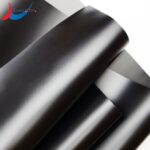







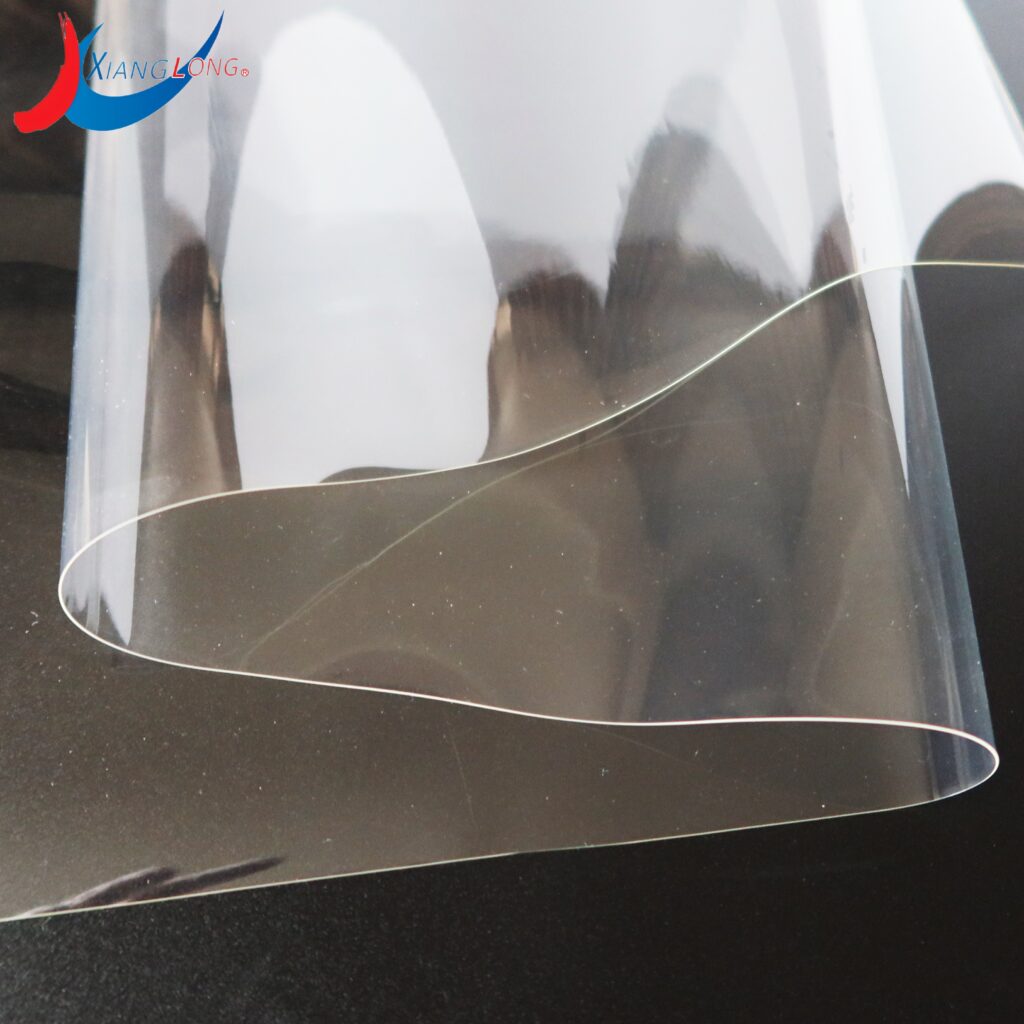
فيلم TPU يظهر في عدد أكبر من المنتجات مما يدركه معظم المشترين، بدءًا من واجهات المراقبة الطبية إلى أغلفة الهواتف وأساور الساعات والزجاج الأمني المصفح والطلاءات الواقية للأحذية. عادةً ما يبدأ الالتباس عندما يبحث المشتري عن “فيلم TPU” ويجد صفحات مكتوبة لصناعات مختلفة تمامًا، لأن البوليمر الأساسي نفسه يتم تحديده بأشكال شديدة الاختلاف حسب المنتج النهائي. فالفيلم المُصمم للوضوح البصري في جهاز طبي لا يشترك تقريبًا بأي شيء من حيث المواصفات مع فيلم مصمم لتغليف الجزء العلوي من الحذاء أو للتصاقات الصناعية.
يوضح هذا الدليل فيلم TPU حسب النوع والسماكة والصلابة والتطبيق، حتى تتمكن من الدخول في محادثة مع المورد وأنت تعرف بالفعل الأسئلة التي تهم منتجك.
ما هو فيلم TPU حقًا
فيلم TPU عبارة عن صفيحة رقيقة ومرنة مصنوعة من راتنج البولي يوريثان الحراري، ويتم إنتاجه إما بواسطة عمليات البثق أو الصب أو الفيلم المنفوخ. على عكس القماش المطلي بـ TPU، حيث يرتبط البوليمر بقاعدة نسيجية منسوجة أو محبوكة، فإن فيلم TPU يستخدم بمفرده أو مصفحًا بين مواد أخرى دون وجود قاعدة نسيجية. هذه الفروق مهمة لأن التطبيقات التي تعتمد فقط على الفيلم تعتمد كليًا على الخواص الميكانيكية والبصرية للفيلم نفسه، دون وجود أي شيء تحته لتعويض مواصفات ضعيفة.
يقوم المصنعون بتوريد فيلم TPU في شكل لفات بمجموعة من السماكات ومستويات الصلابة والتشطيبات، والتركيب المناسب يعتمد على ما يحتاج الفيلم إلى القيام به بمجرد دمجه في منتج نهائي.
عائلتا الكيمياء: القائمة على البوليستر والقائمة على البولي إيثر
قبل أن تأتي السماكة أو الصلابة أبدًا، فإن كيمياء الراتنج هي التي تحدد كيف سيتصرف الفيلم في العالم الحقيقي. فيلم TPU مبني من جزء ناعم وجزء صلب، والجزء الناعم هو المكان الذي يحدث فيه هذا الانقسام.
- فيلم TPU القائم على البوليستر مصنوع من بوليولات مرتبطة بالإستر. يوفر قوة شد عالية ومقاومة جيدة للتآكل ومقاومة متينة للزيوت والشحوم، مما يجعله خيارًا شائعًا لأجزاء السيارات والطلاءات الصناعية والتطبيقات الثقيلة حيث تكون المتانة الميكانيكية أهم ما يُعتنى به.
- فيلم TPU القائم على البولي إيثر مصنوع من بوليولات مرتبطة بالإيثر. يعمل بشكل أفضل في البيئات الرطبة أو المبللة لأنه يقاوم التحلل المائي، ويظل مرنًا في درجات الحرارة المنخفضة، ويتحمل التعرض الطويل للمياه بشكل أفضل، لذلك يظهر أكثر في المعدات البحرية والمعدات الخارجية والمنتجات التي تتعرض لتكرار دورات الرطوبة.
لا تعد أي من العائلتين فائزًا شاملًا. المورد الذي يقدم نوعًا واحدًا فقط ويقدمه على أنه مناسب لكل شيء عادةً ما يكون مُحسّنًا لخط إنتاجه الخاص وليس لتطبيقك.
الأليفاتي مقابل العطري: الكيمياء التي تتحكم في الوضوح
متغير منفصل، غالبًا ما يتم تجاوزه تمامًا في محتوى فيلم TPU العام، هو ما إذا كان الإيزوسيانات المستخدم في الجزء الصلب عطريًا أم أليفاتيًا. لا علاقة لهذا القرار بالبوليستر مقابل البولي إيثر، وهو يتحكم في شيء يهتم به المشترون في التطبيقات البصرية أو ذات السطح المرئي كثيرًا: ثبات اللون عند التعرض للضوء.
- فيلم TPU العطري, المصنوع من إيزوسيانات مثل MDI، يشكل غالبية فيلم TPU التجاري. يوفر أداءً ميكانيكيًا قويًا بتكلفة أقل، لكنه يصفر مع الوقت عند التعرض للأشعة فوق البنفسجية، مما يحد من استخدامه في أي شيء يحتاج إلى البقاء واضحًا بصريًا أو دقيقًا في اللون على المدى الطويل.
- فيلم TPU الأليفاتي, المصنوع من إيزوسيانات مثل HDI أو IPDI، يقاوم الاصفرار ويحافظ على الوضوح البصري لفترة أطول بكثير عند التعرض للشمس أو الأشعة فوق البنفسجية. تكلفته أعلى عند الإنتاج، لذلك يُخصص للتطبيقات التي تهم فيها المظهر ونقل الضوء حقًا، مثل نوافذ الأجهزة الطبية والزجاج الأمني المصفح والأسطح المنتجات الشفافة الفاخرة.
إذا كان منتجك سيبقى في صندوق عرض أو يركب داخل مقصورة السيارة أو يحتاج إلى البقاء واضحاً بعد أشهر من التعرض للضوء، فإن الفيلم الأليفاتي يستحق التكلفة الإضافية. أما إذا كان الفيلم مخبأ داخل المنتج أو مغطى بطبقة خارجية، فإن الفيلم العطري عادةً ما يؤدي المهمة بسعر أقل.
جدول المقارنة: اختيار نوع فيلم TPU المناسب
| المتطلب | نوع الفيلم الموصى به |
|---|---|
| أقصى قوة شد، مقاومة للزيوت | القائم على البوليستر |
| التعرض طويل الأمد للرطوبة أو البيئة الرطبة | على أساس البولي إيثر |
| الوضوح البصري، لا اصفرار مع الزمن | الأليفاتي |
| حساس للتكلفة، تطبيق مخفي أو مغطى | العطري |
| واجهة المراقبة الطبية أو نافذة العرض | الأليفاتي، درجة طبية |
| الزجاج الأمني المصفح | الأليفاتي، البوليستر أو البولي إيثر حسب مواصفات التأثير |
| تغليف الأحذية أو الحقائب | العطري، القائم على البوليستر |
السماكة: مطابقة الفيلم للوظيفة
عادةً ما يأتي فيلم TPU في نطاق من حوالي 0.03 ملم وحتى 2 ملم، وتؤثر السماكة مباشرةً على المرونة والقوة وكيفية معالجة الفيلم أثناء التصفيح أو اللحام.
- الأفلام فائقة الرقة (0.03 ملم–0.1 ملم) تُستخدم لطبقات الغراء الذائب بالحرارة، لربط مادتين معًا دون إضافة حجم ملحوظ. تغليف الجزء العلوي من الحذاء وخياطة الملابس عادةً ما تستخدم فيلمًا في هذا النطاق.
- الأفلام الخفيفة إلى المتوسطة (0.1 ملم–0.3 ملم) تغطي معظم تطبيقات الأفلام الواقية العامة وحمايات الشاشات وأسطح المنتجات المرنة، وتوازن بين المرونة والجسم الكافي للتعامل بمفردها.
- الأفلام الأثقل (0.3 ملم–1 ملم) تُستخدم حيث يحتاج الفيلم نفسه إلى تحمل الأحمال الميكانيكية أو توفير حاجز مستقل، مثل مكونات الأجهزة الطبية أو الأغشية الصناعية.
- الأفلام ذات السماكة الثقيلة (1 ملم–2 ملم) تظهر في تطبيقات أقرب إلى الصفيحة المرنة منها إلى الفيلم الرقيق، بما في ذلك بعض الاستخدامات الصناعية للحشيات والسدادات.
الأرق ليس أفضل تلقائيًا، والأكثر سمكًا ليس دائمًا أكثر متانة. الفيلم المحدد بسمك زائد لتطبيق التصفيح قد يسبب صلابة أو مشاكل في الالتصاق، بينما الفيلم الرقيق جدًا لدور تحمل الأحمال سيفشل قبل الأوان بغض النظر عن جودة الكيمياء الأساسية.
الصلابة: قراءة مقياس شور A
تقاس صلابة فيلم TPU بمقياس شور A، ومعظم الأفلام التجارية تقع بين 80A و90A، رغم وجود تركيبات أخف وأكثر صلابة خارج هذا النطاق لاستخدامات خاصة.
- الصلابة الأقل (حوالي 80A–85A) يشعر بالنعومة عند اللمس، وينساب بسهولة أكبر، ومناسب للتطبيقات التي تهتم بالراحة ضد الجلد أو الملمس الناعم النهائي، مثل الأجهزة الطبية القابلة للارتداء أو أسطح المنتجات الناعمة الملمس.
- صلابة أعلى (حوالي 85A–95A) يحافظ على شكله بشكل أفضل، ويقاوم الانبعاج، ويناسب التطبيقات التي تحتاج فيها الطبقة الرقيقة إلى الحفاظ على بنيتها أو التعامل مع الإجهاد الميكانيكي المتكرر، مثل المكونات الصناعية أو الطبقات السطحية الواقية.
الصلابة والسماكة متغيران مستقلان، وليس أحدهما بديلاً عن الآخر. قد تبدو طبقة رقيقة صلبة وطبقة سميكة ناعمة مختلفتين تمامًا في المنتج النهائي حتى لو كانت المواصفات الأخرى متشابهة على الورق.
التشطيب السطحي والخصائص البصرية
بالنسبة للتطبيقات التي يهم فيها المظهر، تدخل ثلاثة خصائص إضافية حيز التنفيذ بالإضافة إلى الكيمياء الأساسية:
- الشفافية والتعتيم. يُقاس الفيلم البصري من الدرجة الطبية بواسطة نفاذية الضوء المرئي، وغالبًا ما تكون 90% أو أعلى للفيلم الشفاف الممتاز، مع تصنيف منخفض للتعتيم للحفاظ على وضوح الرؤية عبر الفيلم بدلاً من أن يكون غائمًا.
- الملمس السطحي. يمكن إنتاج الفيلم بتشطيب غير لامع أو لامع اعتمادًا على ما إذا كان التطبيق يتطلب مظهرًا ناعمًا وغير عاكس أو سطحًا مصقولًا ذا لمعان عالٍ.
- اللون. إلى جانب الخيارات القياسية الشفافة أو الملونة، يمكن تخصيص ألوان فيلم TPU لتتناسب مع مرجع Pantone، رغم أن الفيلم المشبع بالأصباغ قد يحتاج إلى تعديلات للحفاظ على الخصائص الميكانيكية نفسها كما في التركيبة الشفافة الأساسية.
كيفية إنتاج فيلم TPU
تؤثر طريقة الإنتاج على اتساق السمك، والتشطيب السطحي، ومدى أداء الفيلم أثناء التصفيح اللاحق، ومن المفيد فهمها قبل مقارنة العروض من الموردين المختلفين.
- البثق تذوب راتنج TPU وتضغطها عبر قالب مسطح لتكوين ورقة مستمرة، ثم تبرد وتلف على شكل بكرات. تتعامل هذه الطريقة بكفاءة مع الكميات الكبيرة وتنتج سمكًا متساويًا على طول البكرات الطويلة، مما يجعلها الخيار القياسي للفيلم العام في الأوزان المتوسطة إلى الثقيلة.
- الصبّ تطبق محلول TPU على فيلم ناقل أو حزام متحرك، ثم تُعالج وتُزال لترك الفيلم النهائي. يميل الفيلم المصبوب إلى تحقيق وضوح بصري أفضل وسمك أرق من البثق، ولهذا السبب غالبًا ما يُنتج الفيلم اللاصق من الدرجة البصرية الممتازة والرفيع جدًا بهذه الطريقة.
- الفيلم المنفوخ تُخرج راتنج TPU عبر قالب دائري وتُنفخ إلى فقاعة قبل أن تُسطح وتُلف، بطريقة مشابهة لإنتاج أكياس البولي إيثيلين. هذه العملية أقل شيوعًا بالنسبة لـ TPU لكنها تُستخدم لتطبيقات معينة خفيفة الوزن وعالية المرونة حيث يحسن التوجه الجزيئي الخاص مقاومة التمزق.
اسأل أي عملية يستخدمها المورد للمنتج المحدد الذي تحتاجه، لأن المورد المُحسَّن للبثق الثقيل قد لا يكون الأنسب لفيلم بصري فائق الرقة، والعكس صحيح أيضًا.
تنسيق البكرات واعتبارات التعبئة والتغليف
إلى جانب الفيلم نفسه، هناك بعض التفاصيل العملية في الشراء تؤثر على مدى سلاسة دمج المادة في خط الإنتاج الخاص بك:
- عرض البكرة. تختلف الأعوام القياسية حسب المورد ويمكن أن تتراوح من أقل من متر إلى أكثر من مترين. تأكد من أن العرض يتوافق مع معدات القطع أو التصفيح الخاصة بك قبل طلب الإنتاج، لأن عدم التوافق يعني هدرًا إضافيًا أو خطوة إعادة قص لم تكن في ميزانيتك.
- نوع القلب وقطره. غالبًا ما تُصمم معدات التغذية الآلية حول حجم معين للقلب. اذكر مواصفات معداتك عند طلب العينات ليصلوا بكرات الإنتاج جاهزة للتشغيل بدلاً من الحاجة إلى إعادة لفها.
- التباعد والبطانة الفاصلة. أحيانًا يتم شحن الفيلم الرقيق أو اللزج مع بطانة واقية أو ورق تباعد لمنع التصاق الطبقات ببعضها البعض في البكرة. اسأل ما إذا كان هذا هو المعيار بالنسبة للسمك والصلابة اللذين تطلبهما، لأنه يؤثر على كل من المناولة والتكلفة.
- ظروف التخزين. قد يكون فيلم TPU حساسًا للرطوبة ودرجة الحرارة أثناء التخزين، خاصة التركيبات المعتمدة على البولي إيثر. تأكد من ظروف التخزين الموصى بها من المورد، خاصةً للفيلم الذي سيظل في المخزون لفترة طويلة قبل الاستخدام.
إرشادات خاصة بالتطبيق
الأجهزة الطبية وواجهات المراقبة
يحتاج فيلم TPU من الدرجة الطبية إلى مزيج من التوافق الحيوي والوضوح البصري والأداء المتسق خلال التعقيم المتكرر. يعد الفيلم المعتمد على الأليفات أو البوليستر أو البولي إيثر مع وثائق ISO 10993 هو المعيار هنا، خاصةً لأي شيء يتلامس مباشرةً أو غير مباشر مع المريض، مثل نوافذ المراقبة والطبقات الواقية ومكونات الأجهزة التشخيصية.
- تأكد من اختبار ISO 10993 للسمية والتحسس قبل تحديد أي فيلم موجه للتطبيقات الطبية
- اطلب أرقام نفاذية الضوء المرئي والتعتيم إذا كان الفيلم يوضع فوق شاشة أو مستشعر
- تحقق من أن الفيلم يتحمل المسح المتكرر بالكحول أو المطهر دون أن يصبح غائمًا أو يتدهور
السيارات والزجاج المصفح
تعتمد المكونات الداخلية للسيارات والزجاج المصفح للسلامة على الوضوح طويل الأمد والثبات ضد العوامل الجوية، مما يدفع معظم هذه التطبيقات نحو الفيلم الأليفاتي. كما يجب أن تتحمل قطع التزيين الداخلية تقلبات درجة الحرارة داخل السيارة المغلقة دون أن تصبح هشة في البرودة أو طرية جدًا في الحرارة.
- حدد الفيلم الأليفاتي لأي مكون مرئي للسائق أو الركاب
- اطلب بيانات المرونة في درجات الحرارة المنخفضة إذا كان الفيلم سيُستخدم في أماكن مواجهة للخارج أو غير مدفأة
تصفيح الأحذية والحقائب والملابس
يربط فيلم TPU الذائب بالحرارة ألواح القماش، ويعزز نقاط التوتر، ويخلق طبقات سلسة بلا خياطة. عادةً ما تُعطى الأولوية في هذه الحالة لقوة الربط واتساق المعالجة على حساب الوضوح البصري، لذلك فإن الفيلم العادي المعتمد على الأليفات أو البوليستر بسمك رفيع هو الخيار المعتاد.
- قم بمطابقة درجة حرارة الذوبان للفيلم مع معدات التصفيح الموجودة لديك قبل طلب الإنتاج الكامل
- قم بإجراء دفعة تجريبية صغيرة للتأكد من قوة التقشير على خامة القماش الخاصة بك
الأغشية الصناعية والحشوات والطبقات اللاصقة
غالبًا ما تحتاج التطبيقات الصناعية إلى فيلم أثقل بسمك أكبر ومقاومة كيميائية قوية، خاصةً حيث يتلامس الفيلم مع الزيوت أو الوقود أو المواد الكيميائية المستخدمة في العمليات. عادةً ما يؤدي الفيلم المعتمد على البوليستر أداءً أفضل هنا بسبب مقاومته الأقوى للمواد غير القطبية.
- اطلب بيانات التوافق الكيميائي مع السوائل المحددة التي سيتلامس معها الفيلم
- تأكد مما إذا كان التطبيق يحتاج إلى فيلم مستقل أو فيلم مسبق التصفيح على طبقة دعم
أسئلة تستحق أن تسألها قبل الطلب
قائمة مختصرة بالتفاصيل التي تغيّر فعليًا ما إذا كان الفيلم يؤدي بشكل صحيح في منتجك:
- ما هي الكيمياء الأساسية: بوليستر أم بولي إيثر؟
- هل الإيزوسيانات عطرية أم أليفاتية، وهل يهم ذلك بالنسبة لتعرض التطبيق للضوء؟
- ما هو نطاق السماكة والصلابة الذي يقدمه المورد، وهل يمكنه تحقيق المواصفات الدقيقة الخاصة بك أم فقط الزيادات القياسية؟
- ما أرقام نفاذية الضوء المرئي والتعتيم التي تنطبق إذا كانت النقاء البصري مهمًا؟
- هل يتوفر الفيلم مع شهادات ذات صلة، مثل REACH أو RoHS أو ISO 10993 للاستخدام الطبي؟
- ما هي كمية الطلب الدنيا للسماكة أو الصلابة أو اللون المخصص، وكيف تقارن ذلك بخيارات الفيلم المخزون لديهم؟
- ما هو وقت التسليم للعينات مقابل عمليات الإنتاج الكاملة؟
الأسئلة الشائعة
مم يتكون فيلم TPU؟ يتكون فيلم TPU من راتنج البولي يوريثان الحراري، وهو بوليمر مركب من قطع بلوك مصنوعة من مقاطع ناعمة (بوليوهولات قائمة على البوليستر أو البولي إيثر) ومقاطع صلبة (إيزوسيانات عطرية أو أليفاتية). إن الجمع بين هاتين الكيميائيتين يحدد مرونة الفيلم وقوته واستقراره البصري.
ما الفرق بين فيلم TPU والقماش المغلف بـ TPU؟ فيلم TPU هو طبقة مستقلة من البولي يوريثان بدون قاعدة نسيجية. أما القماش المغلف بـ TPU فهو نفس البوليمر المُلّف أو المغلف على قماش منسوج أو محبوك، مثل النايلون أو البوليستر، مما يضيف متانة ضد التمزق وهيكلًا لا يمتلكه الفيلم وحده. تعتمد التطبيقات باستخدام الفيلم فقط تمامًا على خصائص الفيلم نفسه، إذ لا يوجد قماش تحته لإضافة المتانة.
ما سماكة فيلم TPU المناسبة لتطبيقي؟ يعتمد ذلك على الدور الذي يؤديه الفيلم. الأفلام الرقيقة التي تقل عن 0.1 ملم تعمل جيدًا كطبقات لاصقة. أما الأفلام متوسطة السمك بين 0.1 ملم و0.3 ملم فتناسب معظم التطبيقات العامة للسطح والحماية. أما الأفلام السميكة التي تزيد عن 0.3 ملم فتُستخدم عندما يحتاج الفيلم إلى تحمل حمل ميكانيكي أو أن يكون حاجزًا مستقلًا.
هل يصفر فيلم TPU مع الوقت؟ يمكن أن يصفر فيلم TPU العطري القياسي عند التعرض المطول للأشعة فوق البنفسجية أو ضوء الشمس. أما فيلم TPU الأليفاتي فهو مصمم خصيصًا ليقاوم ذلك ويحافظ على النقاء لعمر خدمة أطول بكثير، ولذلك يستخدم في التطبيقات التي تتطلب نقاءً مرئيًا طويل الأمد وليس مجرد مواصفة لمرة واحدة.
هل فيلم TPU آمن للاستخدام الطبي؟ يمكن أن يكون فيلم TPU من الدرجة الطبية، بشرط أن يحمل الاختبارات والوثائق المناسبة. يعتبر الامتثال لمعيار ISO 10993 نقطة مرجعية أساسية للتوافق الحيوي، حيث يغطي السمية الخلوية وتحسس الجلد للمواد التي تتلامس مع المرضى. اطلب هذه الوثائق مباشرةً دائمًا بدلاً من افتراض أن فيلم TPU عادي يلبي المتطلبات الطبية.
إن اختيار فيلم TPU المناسب يبدأ بنفس السؤال في كل مرة: ما الذي يجب أن يتحمله هذا الفيلم، وكيف ينبغي أن يبدو أثناء القيام بذلك؟ تحدد عائلة الكيمياء السلوك الميكانيكي الأساسي، وتُحدد الأليفاتية أو العطرية الأداء البصري طويل الأمد، بينما تضبط السماكة والصلابة كيفية تعامل الفيلم بالفعل في عملية الإنتاج الخاصة بك. إن تخطي أي من هذه العناصر والقفز مباشرةً إلى عرض أسعار بناءً على السعر لكل متر هو ما يجعل المشترين يعيدون تحديد المواصفات في منتصف الإنتاج.
إن العمل مع شركة مصنعة تستطيع شرح هذه المتغيرات بمصطلحات دقيقة، ودعمها ببيانات اختبارية بدلاً من ادعاءات تسويقية عامة، يحوّل الأمر من لعبة تخمين إلى قرار شراء واضح.