





الضغط على المواد المقاومة للماء التقليدية لم يعد نظريًا
لقد استُخدمت الأقمشة المغلفة بالبولي كلوريد الفينيل على نطاق واسع لعقود في الملابس المقاومة للماء، والمنتجات القابلة للنفخ، والأغطية الواقية، والوسائد الطبية، والمنسوجات الصناعية. والسبب بسيط: كانت ميسورة التكلفة، وسهلة المعالجة، وتقدم أداءً مقبولًا ضد الماء لأغلب التطبيقات التقليدية.
هذا التوازن بات الآن موضع تحدي.
عبر سلاسل الإمداد العالمية، باتت قرارات المواد تتشكل بشكل متزايد بفعل اللوائح البيئية، وحدود انبعاثات المركبات العضوية المتطايرة، وقوائم المواد المقيدة، ومتطلبات ESG على مستوى العلامات التجارية. وفي الوقت نفسه، تغيرت توقعات الاستخدام النهائي. فمن المتوقع أن تدوم المنتجات لفترة أطول، وأن تعمل بثبات أكبر، وأن تحافظ على استقرارها تحت الإجهاد الميكانيكي المتكرر دون فشل مبكر.
في هذا السياق، باتت مواد بولي كلوريد الفينيل تحت رقابة مشددة بشكل متزايد.
المخاوف المتعلقة بهجران الملدّنات، ومحدودية إمكانية إعادة التدوير، والمتانة طويلة الأمد في ظروف الاستخدام الديناميكية دفعت العديد من العلامات التجارية إلى إعادة النظر في أنظمتها المادية. وبالتوازي، تواجه عمليات التصنيع التي تعتمد بشكل كبير على المذيبات أو أنظمة المضافات المعقدة ضوابط بيئية أكثر صرامة.
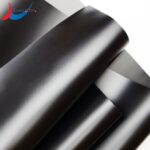
هنا حيث أقمشة TPU مستدامة تحظى بتبني مطرد.
التحول لا يدفعه لغة العلامات التجارية أو استبدال المواد على المستوى السطحي. بل يدفعه متطلبات الأداء التي باتت أنظمة بولي كلوريد الفينيل تكافح لتلبيها على نطاق واسع.
عبر المعدات الخارجية، وأنظمة الدعم الطبي، والملابس المقاومة للماء، والحماية الصناعية، والهياكل القابلة للنفخ، يتم اختيار الأقمشة المركبة القائمة على البولي يوريثان الحراري ليس كحل وسط، بل كترقية وظيفية.
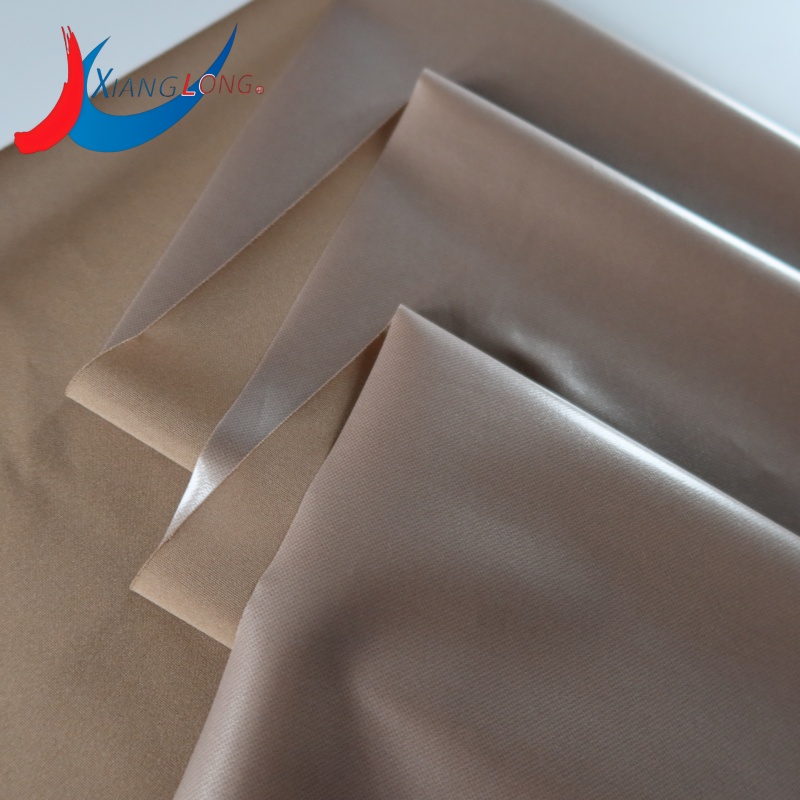
لماذا يصبح البولي يوريثان الحراري اتجاهًا أساسيًا في هندسة المنسوجات الوظيفية
البولي يوريثان الحراري يختلف عن الأنظمة التقليدية القائمة على بولي كلوريد الفينيل على المستويين الجزيئي والتطبيقي.
عادةً ما يعتمد بولي كلوريد الفينيل على الملدّنات الخارجية لتحقيق المرونة. ومع مرور الوقت، قد تهاجر هذه المضافات أو تتطاير، مما يؤثر على ثبات المادة وأدائها على المدى الطويل. أما البولي يوريثان الحراري، فيحقق المرونة عبر بنيته البوليمرية الداخلية المجزأة، والتي تجمع بين مقاطع صلبة ولينة ضمن نفس العمود الفقري الجزيئي.
هذا الاختلاف الهيكلي يؤثر مباشرةً على كيفية تصرف المادة في ظروف الاستخدام الحقيقية.
تشمل الخصائص الرئيسية لأداء الأقمشة القائمة على البولي يوريثان الحراري:
| مجال الأداء | سلوك البولي يوريثان الحراري |
|---|---|
| المرونة تحت الانحناء المتكرر | الاستعادة المطاطية الثابتة |
| الأداء في درجات الحرارة المنخفضة | انخفاض الهشاشة |
| السلامة ضد الماء | مقاومة هيدروستاتيكية ثابتة |
| Abrasion resistance | متانة سطحية قوية |
| قابلية اللحام | الختم الثابت عالي التردد |
| التحكم في الانبعاثات | انخفاض إمكانية انبعاث المركبات العضوية المتطايرة في أنظمة المعالجة |
بفضل هذا المزيج، لم يعد البولي يوريثان الحراري يُنظر إليه كمادة بديلة نادرة. بل بات يستخدم على نطاق واسع كمنصة أساسية للأقمشة المركبة الوظيفية في صناعات متعددة.
الضغط التنظيمي يعيد تشكيل اختيار المواد
أحد أقوى الدوافع وراء اعتماد البولي يوريثان الحراري هو التشديد التنظيمي في الأسواق العالمية.
إطار العمل مثل REACH، وRoHS، وقوائم القيود SVHC، ومقترح كاليفورنيا 65، يجبر المصنعين على إلقاء نظرة أقرب على التركيب الكيميائي للمواد المرنة. ويشمل ذلك قيودًا أو مراقبة على:
- بعض الفثالات
- مثبتات المعادن الثقيلة
- مثبطات اللهب المقيدة
- أنظمة المذيبات ذات الانبعاثات العالية
بالنسبة للعديد من العلامات التجارية، لم تعد الامتثال مجرد عملية تصريح لمرة واحدة. بل أصبح متطلبًا مستمرًا طوال دورة حياة المنتج الكاملة.
هذا يخلق تحديًا هيكليًا لأنظمة بولي كلوريد الفينيل التقليدية، التي غالبًا ما تعتمد على مجموعات مضافات أكثر تعقيدًا لتحقيق المرونة وأداء المعالجة.
تقدم أنظمة البولي يوريثان الحراري المستدامة مسارًا أكثر قابلية للتكيف. واعتمادًا على تصميم التركيبة، يمكن هندستها لتقليل أو التخلص من المواد المقيدة مع الحفاظ على الأداء الميكانيكي.
في الوقت نفسه، تطلب فرق المشتريات بشكل متزايد من الموردين تقديم وثائق أوضح حول تركيب المواد، والتحكم في الإنتاج، والاستقرار طويل الأجل. وهذا يدفع الصناعة نحو أنظمة مواد أكثر شفافية.
أصبحت المتانة جزءًا من منطق الاستدامة
في العديد من الصناعات، غالبًا ما تُناقش الاستدامة من حيث مصدر المادة أو إمكانية إعادة التدوير. لكن في الواقع، فإن عمر المنتج له دور بنفس القدر من الأهمية في التأثير البيئي.
المادة التي تفشل مبكرًا وتتطلب استبدالًا تولد دورات إنتاج متكررة، وانبعاثات نقل، ومسارات إضافية من النفايات. في المقابل، المادة التي تحافظ على أداء مستقر لفترة خدمة أطول تقلل من الاستهلاك الإجمالي للموارد.
هنا تظهر الأقمشة القائمة على البولي يوريثان الحراري ميزة واضحة في العديد من التطبيقات.
على عكس المواد المغلفة الأدنى درجةً التي قد تصبح هشة أو تفقد مرونتها مع الزمن، يحافظ البولي يوريثان الحراري على سلوك مرن ثابت تحت الإجهاد المتكرر. ويكون هذا الأمر ذا أهمية خاصة في المنتجات المعرضة لـ:
- دورات الطي المستمرة
- دورات التضخم والتفريغ
- التآكل الميكانيكي
- التعرض للطقس الخارجي
- الرطوبة وتباين درجة الحرارة
في هذه الظروف، يصبح تعب المواد آلية فشل رئيسية.
أصبح من المتعارف عليه بشكل متزايد أن إطالة عمر المنتج ليس مجرد متطلب أداء فحسب، بل أيضًا استراتيجية للاستدامة. بالنسبة للعلامات التجارية، يؤثر ذلك مباشرةً على معدلات الاستبدال وتكاليف الضمان وكفاءة سلسلة التوريد.
كيف توازن أقمشة TPU المستدامة بين الأداء والمتطلبات البيئية
من الأسباب الرئيسية لتسريع اعتماد TPU قدرته على الحفاظ على الأداء الوظيفي مع دعم نهج إنتاج أنظف. الأداء ضد الماء في البيئات الديناميكية
سلوك مقاومة الماء في التطبيقات الحقيقية لا يتحدد فقط بأداء الطلاء الأولي. غالبًا ما تكون الثبات على المدى الطويل تحت الإجهاد الميكانيكي العامل الحاسم.
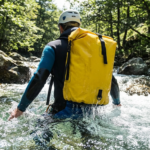
في منتجات مثل المعدات القابلة للنفخ للاستخدام الخارجي، والأكياس المقاومة للماء، والأغطية الواقية، يتم طي المواد وضغطها وتعريضها للإجهاد البيئي مرارًا وتكرارًا.
تشمل أنماط الفشل الشائعة في المواد التقليدية:
- تشقق السطح بعد الانحناء المتكرر
- فقدان التصاق الطلاء
- تسرب الهواء أو الماء عند نقاط الإجهاد
- انخفاض المرونة في درجات الحرارة المنخفضة
تتعامل أقمشة TPU المركبة مع هذه المشكلات من خلال سلوك جزيئي مرن وتوافق مستقر في الترابط مع الركائز النسيجية.
هذا يجعلها مناسبة للتطبيقات مثل:
- الملاجئ القابلة للنفخ للاستخدام الخارجي
- أنظمة السفر المقاومة للماء
- معدات التخزين الجاف
- هياكل الدعم القائمة على الهواء
- الوسائد الطبية القابلة للنفخ
في هذه المنتجات، يعد الحفاظ على السلامة المقاومة للماء بمرور الوقت أكثر أهمية من تحقيق معايير الأداء على المدى القصير.
مقاومة التآكل والاستقرار السطحي
تآكل السطح هو أحد الأسباب الأكثر شيوعًا لفشل الأقمشة الوظيفية في الاستخدام الحقيقي.
في التطبيقات الخارجية والصناعية، تتعرض المواد باستمرار لاحتكاك المعدات والحركة والنقل والتفاعل مع البيئة.
بمجرد تلف الطبقة السطحية، عادةً ما يتراجع الأداء المقاوم للماء والهيكلية بسرعة.
توفر أنظمة TPU المركبة عمومًا مقاومة أقوى للتآكل مقارنة بالعديد من الطلاءات المقاومة للماء التقليدية. هذا يحسن:
- عمر السطح
- السلامة الهيكلية
- الحفاظ على المظهر
- الثبات المقاوم للماء بمرور الوقت
بالنسبة للمنتجات مثل الحقائب الظهرية والأغطية الواقية ومكونات الأحذية والمشمعات الصناعية، فإن مقاومة التآكل مرتبطة مباشرةً بطول عمر المنتج القابل للاستخدام.
إطالة العمر الافتراضي تقلل من تكرار الاستبدال، مما يؤدي بدوره إلى تحسين كفاءة المواد بشكل عام.
مراقبة المركبات العضوية المتطايرة ومتطلبات المعالجة الأنظف
تؤثر انبعاثات المركبات العضوية المتطايرة بشكل متزايد على قرارات اختيار المواد، خاصةً في سلاسل التوريد العالمية.
لا يقتصر الأمر على الامتثال المصنع. أصبحت مستويات المركبات العضوية المتطايرة تُؤخذ الآن بعين الاعتبار في:
- تقييمات سلامة مكان العمل
- سيناريوهات استخدام المنتجات داخل الأماكن المغلقة
- تقارير ESG للعلامات التجارية
- متطلبات الامتثال للبيع بالتجزئة
قد تنتج أنظمة الطلاء التقليدية القائمة على المذيبات انبعاثات أعلى أثناء الإنتاج وأحيانًا أثناء استخدام المنتج.
أنظمة TPU المركبة أكثر توافقًا مع طرق المعالجة الأنظف مثل:
- التقليب بالذوبان الساخن
- أنظمة الترابط الخالية من المذيبات
- عمليات اللحام الحراري
- تركيبات المضافات منخفضة الانبعاثات
هذا يجعل TPU مناسبًا بشكل خاص للمنتجات المستخدمة في البيئات المغلقة أو التطبيقات ذات الاتصال المباشر.
في الأنظمة الطبية والمنتجات القابلة للارتداء والديكورات الداخلية للسيارات، أصبحت مراقبة المركبات العضوية المتطايرة متطلبًا أساسيًا وليس ميزة مميزة.
إمكانية إعادة التدوير وتبسيط المواد
لا يزال إعادة تدوير الأنسجة المركبة المرنة تحديًا تقنيًا، خاصةً عندما تُجمع مواد متعددة غير متوافقة في هيكل واحد.
أحد الاتجاهات في تطوير TPU هو تبسيط أنظمة المواد لدعم معالجة أفضل في نهاية العمر. وهذا يشمل:
- تقليل تعقيد المواد
- مزيد من الهياكل ذات المادة الواحدة
- إمكانية معالجة حرارية محسّنة
- استراتيجيات فصل أنظف في التصميم
في حين لا تزال البنية التحتية للتدوير في طور التطوير، فإن تصميم المواد يتجه بالفعل نحو متطلبات الاقتصاد الدائري المستقبلية.
في بعض الحالات، توفر أنظمة TPU سلوكًا أكثر قابلية للتنبؤ عند إعادة المعالجة مقارنةً بمركبات PVC التقليدية، خاصةً عندما يتم التحكم بعناية في أنظمة الإضافات.
تختلف متطلبات التطبيق بين الصناعات
المعدات الخارجية والأنظمة القابلة للنفخ
تتطلب التطبيقات الخارجية موادًا يمكنها الأداء في ظروف بيئية متغيرة باستمرار.
تشمل المتطلبات النموذجية:
| المتطلب | التركيز الوظيفي |
|---|---|
| مقاومة الطي المتكرر | استقرار التعب المرن |
| موثوقية مقاومة الماء | المقاومة الهيدروستاتيكية |
| الاستخدام في درجات حرارة منخفضة | الحفاظ على المرونة |
| التعرض للتآكل | متانة السطح |
| أداء النفخ | استقرار الختم المحكم للهواء |
تشمل التطبيقات الخيام القابلة للنفخ، والأكياس الجافة، والقوارب المحمولة، والأنظمة المحمولة للأنشطة الخارجية.
في هذه الحالات، يتم اختيار TPU ليس فقط لمقاومته للماء، بل أيضًا لقدرته على الحفاظ على السلامة الهيكلية بعد دورات ميكانيكية طويلة الأمد. تطبيقات طبية ورعاية
تفرض البيئات الطبية قيودًا إضافية تتجاوز الأداء الميكانيكي.
يجب أن تحافظ المواد المستخدمة في منتجات مثل وسائد إعادة التأهيل، والمراتب المضادة للتقرحات، وأنظمة الدعم القابلة للنفخ على الاستقرار تحت:
- الاتصال طويل الأمد بالجلد
- دورات التنظيف والتعقيم
- البيئات الرطبة
- تحميل الضغط المستمر
بالإضافة إلى ذلك، أصبحت المتطلبات المتعلقة بالتحكم في الروائح، وسلوك الانبعاثات المنخفضة، والتوثيق التنظيمي ذات أهمية متزايدة.
غالبًا ما تُستخدم أنظمة TPU القائمة على البولي إيثر في هذه التطبيقات بسبب مقاومتها الأفضل للتحلل المائي واستقرارها طويل الأمد في الظروف الرطبة.
تتضمن قرارات الشراء الطبية أيضًا بشكل متكرر أطرًا للامتثال مثل ISO 10993 وISO 13485، والتي تتطلب توثيقًا منظمًا للمواد وإمكانية التتبع.
الأكياس والأحذية والمنتجات الاستهلاكية
في التطبيقات الاستهلاكية، يرتبط اختيار المواد ارتباطًا وثيقًا بالأداء الوظيفي ووضع العلامة التجارية.
تبتعد العلامات التجارية الحديثة بشكل متزايد عن الأنظمة القائمة على PVC لصالح مواد تدعم:
- جماليات السطح النظيف
- خصائص المناولة المرنة
- الأداء المقاوم للماء والمتين
- مقاومة أفضل للخدش
- روايات المصادر المستدامة
تسمح أقمشة TPU المركبة للمصممين بموازنة المتطلبات الوظيفية مع مظهر المنتج وهوية العلامة التجارية.
هذا مهم بشكل خاص في قطاعات نمط الحياة الخارجي الفاخر والموضة التقنية.
تطبيقات الحماية الصناعية والبنية التحتية
تضع حالات الاستخدام الصناعية تركيزًا على الموثوقية الهيكلية خلال فترات التشغيل الطويلة.
تطبيقات مثل الأغطية الواقية، وأنظمة الاحتواء المرنة، والهياكل الصناعية القابلة للنفخ تتطلب موادًا تحافظ على:
- القوة الميكانيكية
- المقاومة البيئية
- الاستقرار الأبعادي
- عمر خدمة طويل تحت الضغط
في هذه البيئات، لا يُعد فشل المادة مشكلة منتج فحسب، بل قد يؤثر أيضًا على سلامة العمليات وكفاءة النظام.
لهذا السبب، يميل المستخدمون الصناعيون إلى إعطاء الأولوية للموثوقية والاستقرار على المدى الطويل على المزايا الاقتصادية قصيرة الأجل.
لماذا تتزايد اعتماد العلامات التجارية العالمية على أقمشة TPU المستدامة
يرتبط اعتماد مواد TPU ارتباطًا وثيقًا بالتغيرات الأوسع في استراتيجية الشراء وسلسلة التوريد العالمية.
المتطلبات البيئية والاجتماعية والحوكمة تنتقل إلى قرارات على مستوى المواد
أصبحت توقعات ESG تؤثر بشكل مباشر على عمليات تأهيل المواد. لم تعد العلامات التجارية تقيّم المواد بناءً فقط على الأداء والتكلفة، بل أيضًا على:
- الشفافية الكيميائية
- إدارة المركبات العضوية المتطايرة (VOCs)
- إمكانية تتبع المواد
- أثر دورة حياة المنتج
- الاستعداد للوائح التنظيمية
يتطلب هذا التحول من الموردين تقديم وثائق تقنية أكثر تفصيلًا وأنظمة متسقة لمراقبة الجودة.
تتوافق مواد TPU بشكل جيد مع هذه المتطلبات بفضل أنظمة صياغتها القابلة للتكيف وتوافقها مع عمليات التصنيع المنظمة.
توقعات المستهلكين تغيّر أولويات المواد
المستخدمون النهائيون يزداد وعيهم بعمر المنتج وسلامة المواد وأثرها البيئي.
في العديد من الفئات، أصبح المستهلكون يتوقعون الآن:
- متانة أطول للمنتجات
- انخفاض الروائح والانبعاثات الكيميائية
- تركيبة واضحة للمواد
- ممارسات تصنيع مسؤولة
هذا يدفع العلامات التجارية لإعادة التفكير في استراتيجيات المواد بعيدًا عن دورات المنتجات قصيرة الأجل.
المتانة، التي كانت تعتبر سمة تقنية بحتة، باتت اليوم مرتبطة ارتباطًا وثيقًا بقيمة العلامة التجارية وثقة العملاء.
TPU تعيد تشكيل اتجاه المنسوجات الوظيفية
التحول من PVC إلى أقمشة TPU المستدامة يعكس تطورًا أوسع في هندسة المواد وليس مجرد اتجاه استبدال بسيط.
عبر المعدات الخارجية والأنظمة الطبية والحماية الصناعية والملابس المقاومة للماء والمنتجات الاستهلاكية، أصبح اختيار المواد مدفوعًا بشكل متزايد بمزيج من ثبات الأداء والامتثال للوائح ونظافة التصنيع وكفاءة دورة الحياة طويلة الأجل.
الأقمشة المركبة القائمة على TPU تكتسب اعتمادًا لأنها تلبي هذه المتطلبات ضمن منصة مواد واحدة.
إنها توفر أداءً مقاومًا للماء ومتانة ميكانيكية وتوافقًا مرنًا مع عمليات التصنيع وتحسينًا في التوافق البيئي دون الحاجة إلى مقايضة بين الوظائف والاستدامة.
مع استمرار تشديد اللوائح العالمية وارتفاع توقعات العلامات التجارية، من المتوقع أن تلعب مواد TPU دورًا محوريًا متزايدًا في الجيل القادم من أنظمة المنسوجات الوظيفية.
في هذا السياق، فإن أقمشة TPU المستدامة ليست مجرد بديل للمواد القديمة.
بل أصبحت اتجاهًا أساسيًا لكيفية تصميم وتطوير أنظمة منسوجات عالية الأداء وطويلة العمر وتصنيعها بطريقة مسؤولة في المستقبل.