Flexible Comfort for Dynamic Applications
Many modern products require materials that can move and adapt rather than remain rigid. In applications such as medical positioning systems, seating cushions, or wearable protective equipment, the material must follow the shape of the body or equipment structure.
The polyester knit base fabric used in this material provides inherent stretch and elasticity. The looped knitted structure allows the textile to extend naturally in multiple directions and then return to its original form when tension is released.
This flexibility improves user comfort and reduces resistance during movement. Compared with traditional woven fabrics, stretchable knitted fabrics also provide a softer hand feel and quieter surface, making them suitable for environments where comfort and reduced noise are important considerations.
TPU Laminated Structure for Waterproof Protection
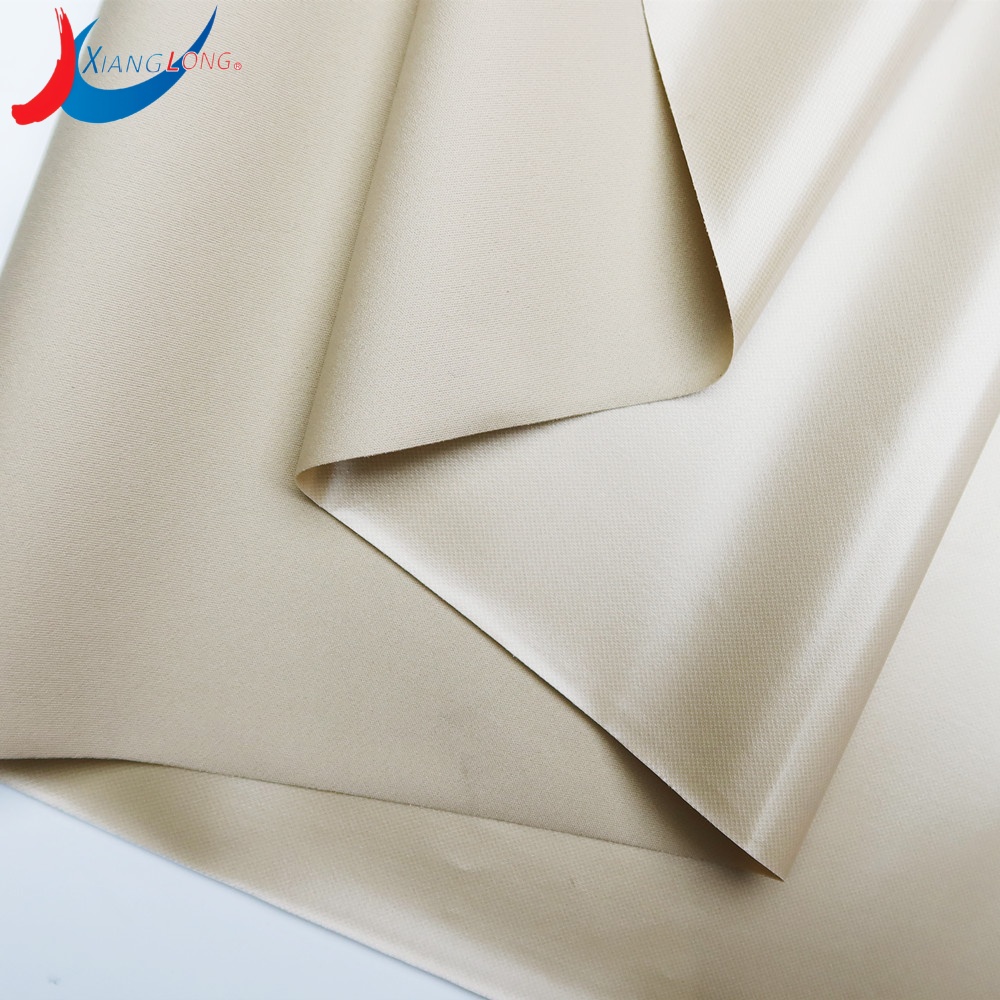
To ensure reliable protection, the polyester knit fabric is laminated with the XL series TPU coating. TPU, or thermoplastic polyurethane, forms a continuous protective layer on the surface of the textile.
이 TPU laminated polyester knit fabric provides a stable, waterproof barrier while maintaining the softness and elasticity of the underlying knit structure. Unlike some traditional waterproof coatings, TPU remains flexible even when the material is stretched or folded repeatedly.
The coating also contributes to the fabric’s airtight properties, allowing it to be used in inflatable systems or products that require sealed chambers.
In addition to moisture protection, the TPU surface layer improves resistance to oils, body fluids, and other contaminants that may be present in medical or industrial environments.
Conformability for Complex Shapes
One of the key advantages of knitted fabrics is their ability to adapt to irregular shapes and curved surfaces. The elasticity of the knit structure allows the material to drape smoothly over complex forms without creating tension points.
This high level of conformability makes the fabric particularly useful in products designed for pressure distribution and ergonomic support. For example, medical pressure care mattresses or wheelchair cushions often require materials that can adjust to the body’s contours while maintaining consistent support.
The stretch capability of the fabric also helps prevent wrinkling or surface distortion, improving both product performance and appearance.