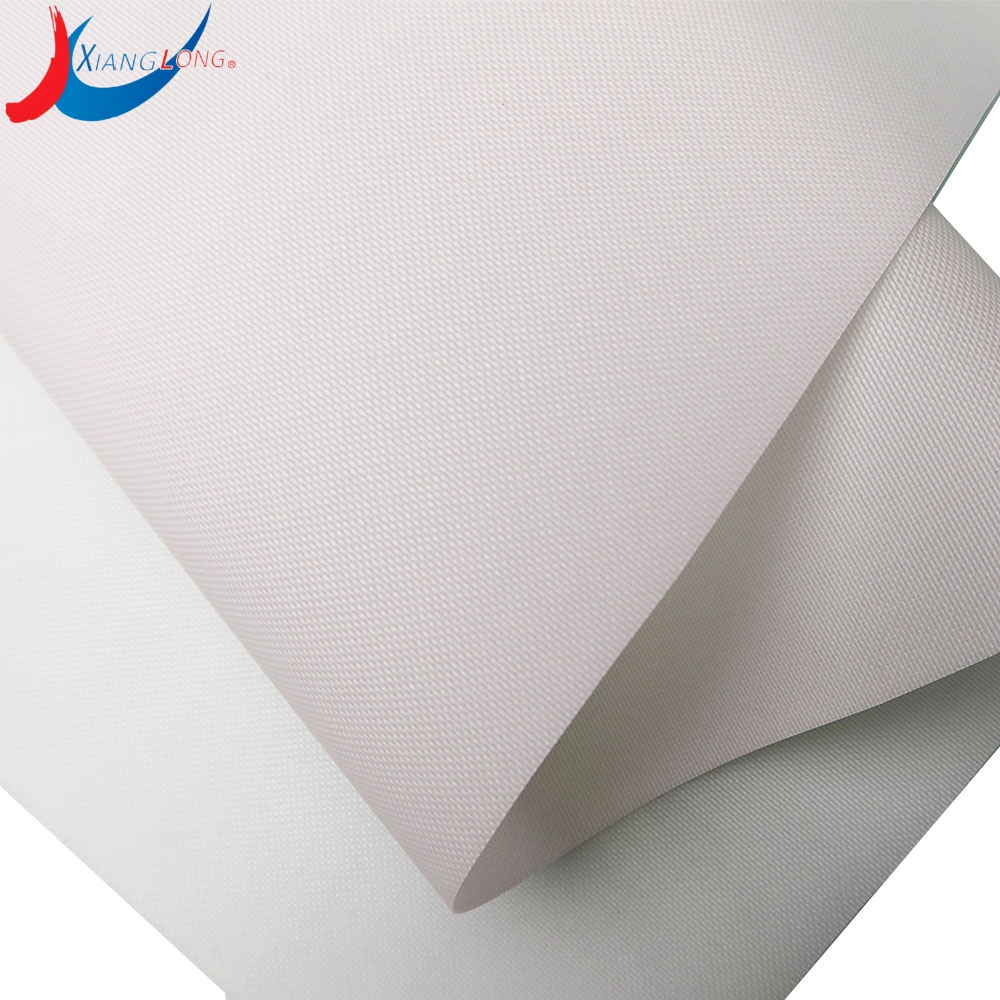
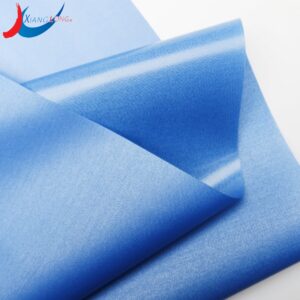
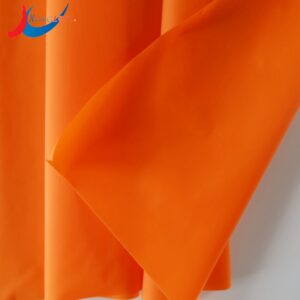
In many engineering and industrial applications, the outer material of equipment must act as a protective layer against physical damage. Surfaces may repeatedly contact rough ground, metal components, tools, or construction debris. Under these conditions, ordinary fabrics tend to wear out quickly.
그리고 840D ballistic nylon fabric used in this material provides a significantly stronger textile structure compared with lower-denier fabrics. The dense fiber construction improves tear strength and reduces the risk of damage caused by sharp edges or concentrated impact.
On top of the nylon base fabric, the TPU coating forms a flexible yet durable protective layer. This layer enhances waterproof performance while also improving the fabric’s resistance to oils, industrial liquids, and environmental contamination. The result is a heavy-duty TPU-coated fabric capable of maintaining stable performance in demanding working environments.
Protection Performance of Ballistic Nylon
Ballistic nylon is widely recognized in the industrial textile sector for its strength and durability. The 840D nylon yarns create a tightly woven structure that significantly improves the fabric’s mechanical resistance.
When exposed to mechanical stress, the dense fiber network helps distribute external force across the fabric surface. This reduces the likelihood of localized tearing and helps maintain material integrity during demanding use.
In real-world industrial environments, materials often come into contact with rough surfaces or sharp edges during transportation, installation, or equipment operation. The strong fiber structure of ballistic nylon fabric helps prevent damage caused by these conditions, extending the service life of protective systems.
Another advantage of ballistic nylon is its ability to absorb sudden impact. When the material experiences unexpected mechanical force, the fiber structure can disperse energy across the textile surface, reducing the risk of immediate failure.
Extreme Abrasion Resistance
In many industrial environments, material failure occurs gradually due to continuous abrasion rather than sudden breakage. For this reason, abrasion resistance is one of the most important performance indicators for protective textiles.
The dense construction of 840D nylon fabric provides excellent resistance to surface wear. The tightly woven fibers help minimize friction damage during repeated contact with rough materials such as metal surfaces, construction materials, or heavy equipment.
The TPU coating adds another protective layer to the fabric surface. This flexible coating reduces direct friction on the textile fibers while also improving surface durability. As a result, the material can withstand demanding conditions such as equipment dragging, heavy-duty transport protection, and long-term industrial use.
These characteristics make 840D TPU coated nylon fabric particularly suitable for applications where materials must maintain performance under constant abrasion.